No Trailers found.
Anna
Clara
Pianta
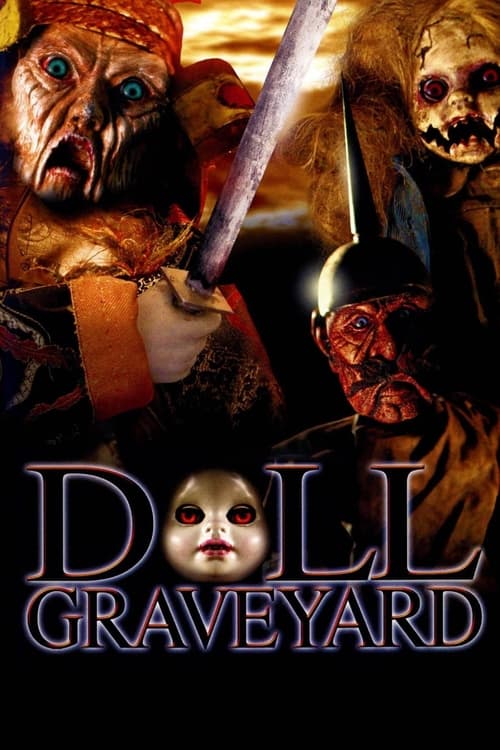
It's 1905 when 12 year old Sophia plays all by herself in her big, creepy house with only four handmade dolls as friends. When her abusive father has finally had enough, he forces her to bury them in the backyard. But, after she "slips" and breaks her neck, dad buries her right along with the dolls. 100 years later, the Fillbrook family moves into the very same house.
As three friends head home after a late-night, they find themselves being stalked by a man's greatest weakness
Cinematic magician, legendary provocateur, and author of Hollywood Babylon, Kenneth Anger was a unique figure in post-war American culture. His iconic short films are characterised by a mystical-symbolic visual language and phantasmagorical-sensual opulence that underscores the medium’s transgressive potential. Anger’s work fundamentally shaped the aesthetics of 1960s and 1970s subcultures, the visual lexicon of pop and music videos and queer iconography. These nine films form the basis of Anger’s reputation as one of the most influential pioneers of avant-garde film and video art. Fireworks, 1947, 14 min Puce Moment, 1949, 6 min Rabbit's Moon, 1950/1971, 16 min Eaux d'Artifice, 1953, 13 min Inauguration of the Pleasure Dome, 1954, 37 min Scorpio Rising, 1964, 28 min Kustom Kar Kommandos, 1965, 3 min Invocation of My Demon Brother, 1969, 11 min Lucifer Rising, 1981, 27 min
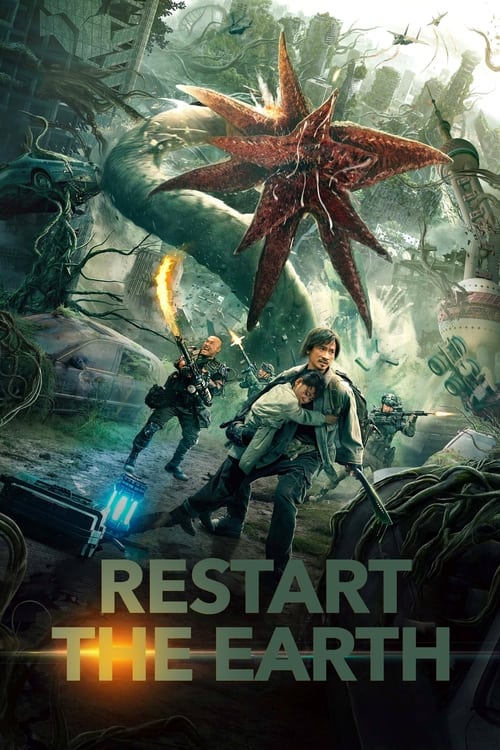
When a drug to replicate plant cells creates a sentient form of flower, the planet is over taken by flora and humankind is depleted. A Chinese task force, a widowed father and his young daughter fight to survive in a mission to inject an antidote to the core of the plants to reverse their growth.
A young girl eager to fit into a group of teens is unexpectedly indoctrinated into a youth cult.
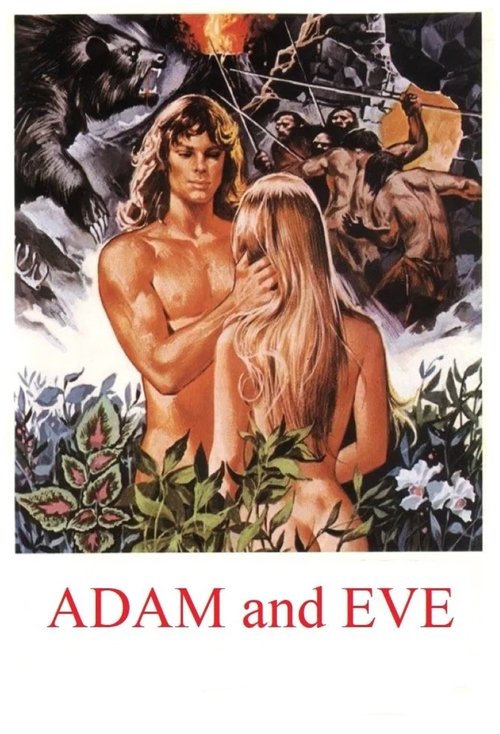
God casts Adam and Eve out of the Garden of Eden because Eve decided to have a fling with a visiting Cro-Magnon named Bearkiller. The disgraced couple find themselves on the outside up against an assortment of various dinosaurs, flying monsters and cannibals.
A rock star is sent to an isolated hotel where he is given the opportunity to make a deal with the Devil.
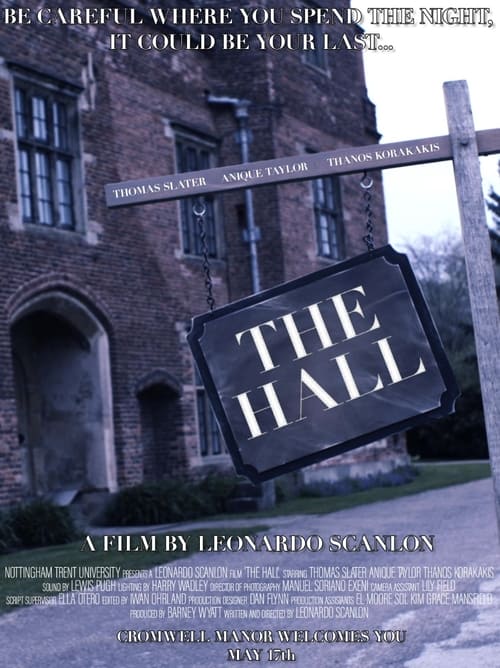
Cliff Barlowe (Thomas Slater), an aspiring author plagued by arrogance and desire for recognition, takes on a commission to write a book about an old hall in a small British village and the family that lived there. Upon his arrival, he meets Eliza Cromwell (Anique Taylor), a young woman willing to give him all the information he needs - for a dark price.
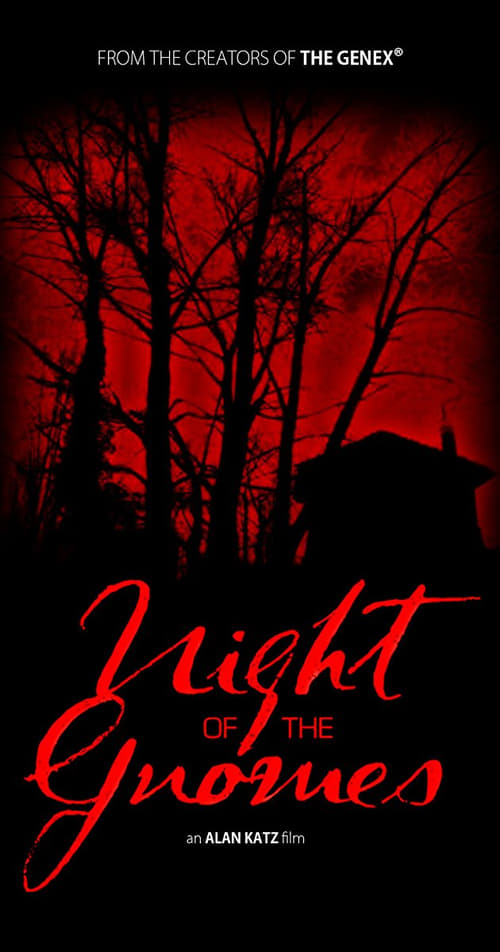
82-year-old German exile Mrs. Klinsman lives in a quiet cul de sac at the far end of a failed housing development. Her pride and joy is the extensive gnome garden that surrounds her house. Trouble starts however when Bo, Will and Pam move into the house next door (to run a meth factory). Pam is the first to realize that some of Mrs. Klinsman's gnomes are alive - and hate humans. But the harder she tries to warn Bo and Will that they should leave, the more dug in (and ruthlessly antagonistic) Bo and Will become toward Mrs. Klinsman and the Johnson family (Al, Doreen and their autistic young son Henry) the only other neighbors on the cul de sac. Then, one night, Bo and Will cross the line: Bo kills Mrs. Klinsman. And the gnomes go on a murderous rampage of epic proportions - where no one and nothing is safe.
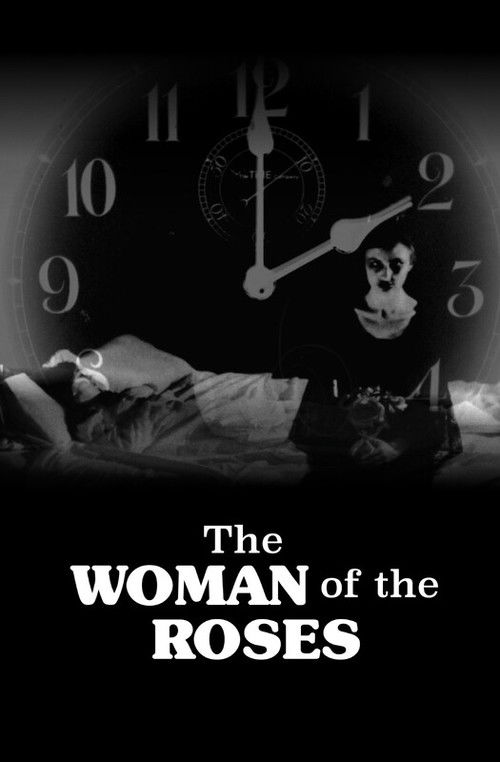
Having failed to maintain her inherited estate's rose garden, a young woman finds herself haunted by the previous owner.
Inspired by Edvard Munch's "Hands"
A scientist sets up another garden of Eden where he imprisons his creations and unleashes his dark fantasies on them.
No overview available.
A magical garden that houses Alfredo's darkest secret.
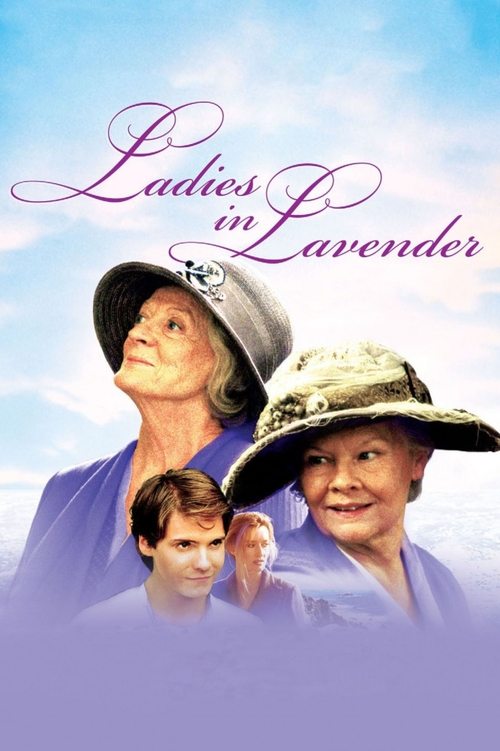
Andrea, a gifted young Polish violinist from Krakow, is bound for America when he is swept overboard by a storm. When the Widdington sisters discover the handsome stranger on the beach below their house, they nurse him back to health. However, the presence of the musically talented young man disrupts the peaceful lives of Ursula and Janet and the community in which they live.
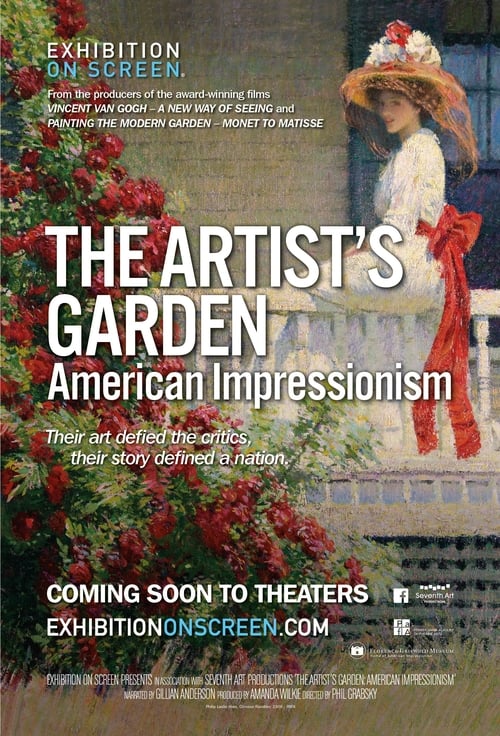
Taking its lead from French artists like Renoir and Monet, the American impressionist movement followed its own path which over a forty-year period reveals as much about America as a nation as it does about its art as a creative power-house. It’s a story closely tied to a love of gardens and a desire to preserve nature in a rapidly urbanizing nation. Travelling to studios, gardens and iconic locations throughout the United States, UK and France, this mesmerising film is a feast for the eyes. The Artist’s Garden: American Impressionism features the sell-out exhibition The Artist’s Garden: American Impressionism and the Garden Movement, 1887–1920 that began at the Pennsylvania Academy of the Fine Arts and ended at the Florence Griswold Museum, Old Lyme, Connecticut.
The earliest surviving motion-picture film, and believed to be one of the very first moving images ever created, was shot by Louis Aimé Augustin Le Prince using the LPCCP Type-1 MkII single-lens camera. It was taken on paper-based photographic film in the garden of Oakwood Grange, the Whitley family house in Roundhay, Leeds, West Riding of Yorkshire (UK), on 14 October 1888. The film shows Adolphe Le Prince (Le Prince’s son), Mrs. Sarah Whitley (Le Prince’s mother-in-law), Joseph Whitley, and Miss Harriet Hartley walking around in circles, laughing to themselves, and staying within the area framed by the camera. Roundhay Garden Scene is often associated with a recording speed of around 12 frames per second and runs for about 2 to 3 seconds.
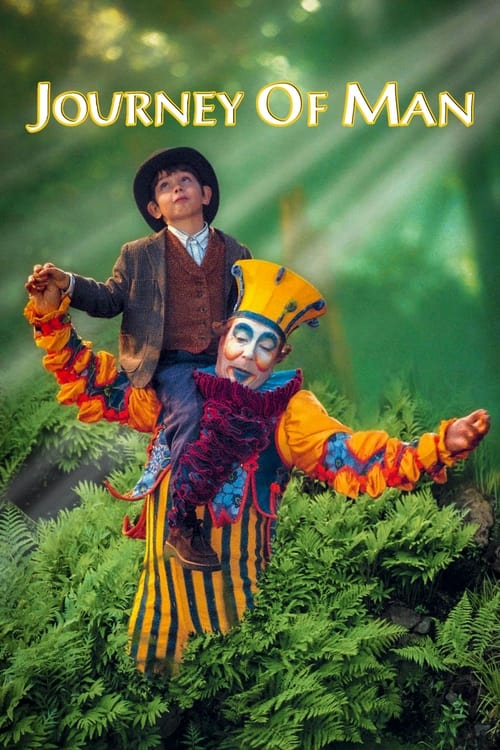
A child is born. We see underwater swimmers representing this. He is young, in a jungle setting, with two fanciful "instincts" guiding him as swooping bird-like acrobats initially menace, then delight. As an adolescent, he enters a desert, where a man spins a large cube of metal tubing. He leaves his instinct-guides behind, and enters a garden where two statues dance in a pond. As he watches their sensual acrobatics of love, he becomes a man. He is offered wealth (represented by a golden hat) by a devil figure. In a richly decorated room, a scruffy troupe of a dozen acrobats and a little girl reawaken the old man's youthful nature and love.
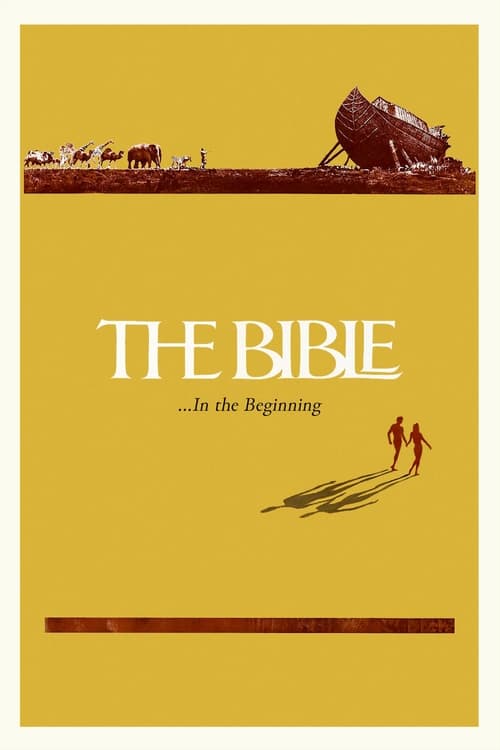
Covering only the first 22 chapters of the Book of Genesis, vignettes include: Adam and Eve frolicking in the Garden of Eden until their indulgence in the forbidden fruit sees them driven out; Cain murdering his brother Abel; Noah building an ark to preserve the animals of the world from the coming flood; and Abraham making a covenant with God.
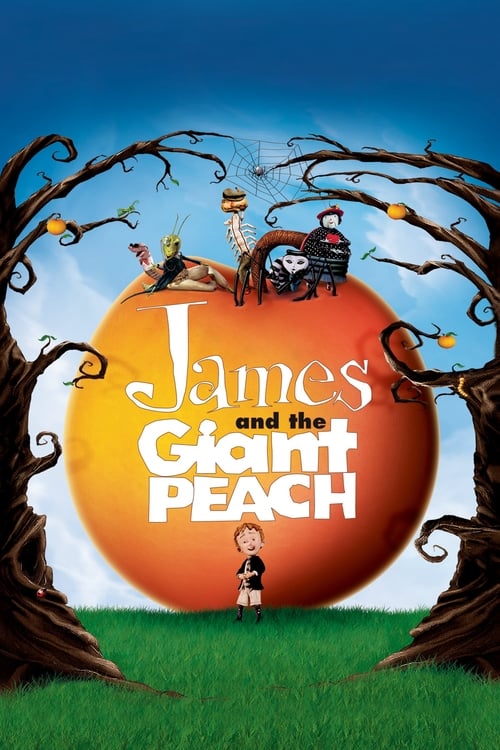
When the young orphan boy James spills a magic bag of crocodile tongues, he finds himself in possession of a giant peach that flies him away to strange lands.