Documentary about the life and work of Jorge Luis Borges, from his own memories and reflections.
A Nazi propaganda film about the lead up to World War II and Germany's success on the Western Front. Utilizes newsreel footage of battles and fell into disfavour with propaganda minister Goebbels because of it's lack of emphasis on Adolf Hitler.
No overview available.
The documentary Carving the Divine offers a rare and intimate look into the life and artistic process of modern-day Busshi – practitioners of a 1400 year lineage of woodcarving that’s at the heart of Japanese, Mahayana Buddhism.
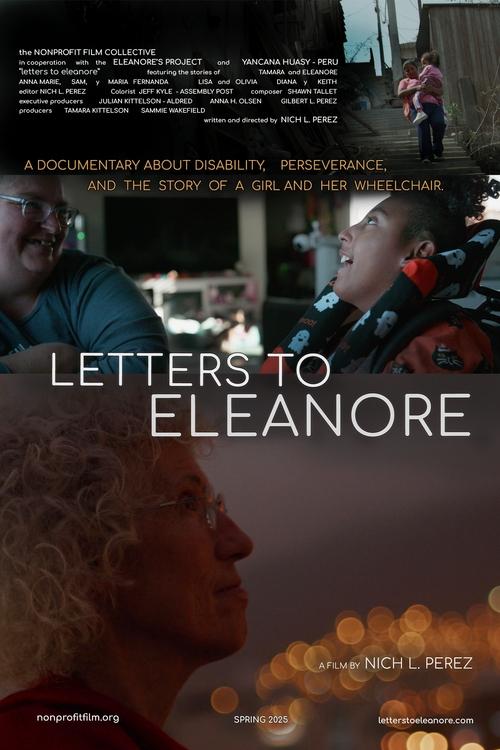
"letters to eleanore" is a poignant feature-length documentary that explores the intertwined journeys of two remarkable girls, Keith from Canto Grande in Lima, Peru, who bravely navigates life with cerebral palsy alongside her devoted mother, and Olivia from Litchfield, Minnesota, whose experiences highlight the stark contrasts in societal attitudes towards disability in their respective countries. As their narratives unfold, they are beautifully interwoven with the legacy of Eleanore and her family, whose life, untimely death, and the impact of her wheelchair ignited a powerful movement of hope for countless children and their families facing similar challenges. This film is not just a story of perseverance and love; it is a testament to the strength of community, brought to life through the collaborative efforts of volunteers, students, and communities across Peru and the United States, embodying a true grassroots style of storytelling that resonates with authenticity and compassion.
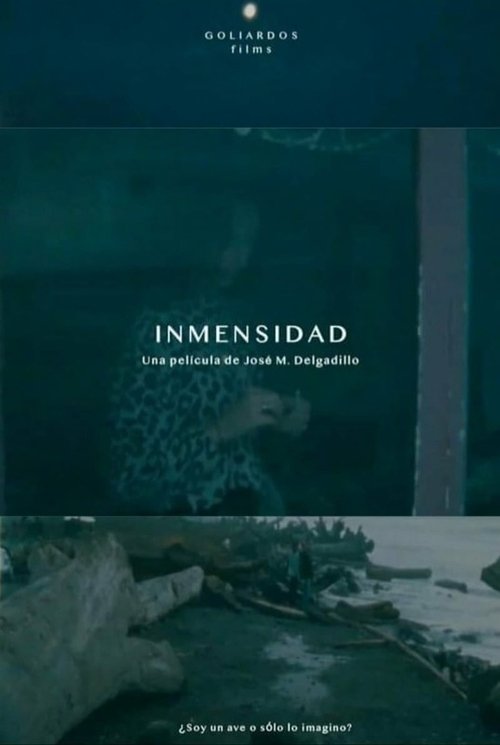
A documentary about the sea and memory. Its movement is its form. Its strength.
L, a student in India witness to the government's violent response to university protests, writes letters to her estranged lover while he is away.
Promotional film about the benefits of joint farming in unified agricultural cooperatives in Slovakia.
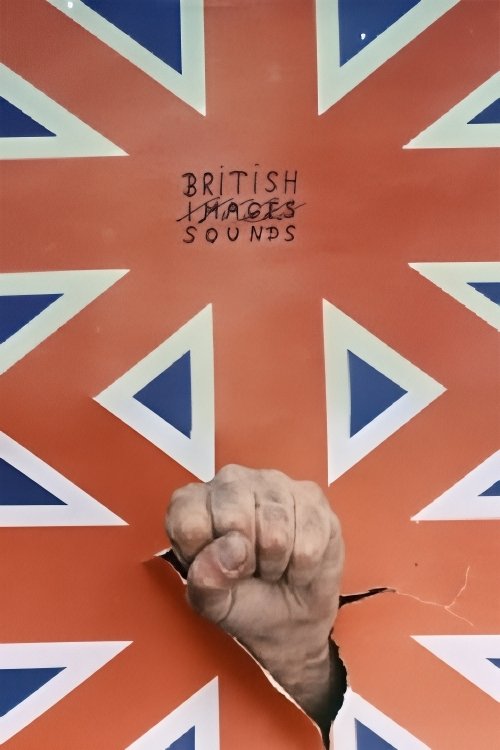
Jean-Luc Godard brings his firebrand political cinema to the UK, exploring the revolutionary signals in late '60s British society. Constructed as a montage of various disconnected political acts (in line with Godard's then appropriation of Soviet director Dziga Vertov's agitprop techniques), it combines a diverse range of footage, from students discussing The Beatles to the production line at the MG factory in Oxfordshire, burnished with onscreen political sloganeering.
Document about the experiences of peasants from the first joint harvests of the unified agricultural cooperative in Vinařice.
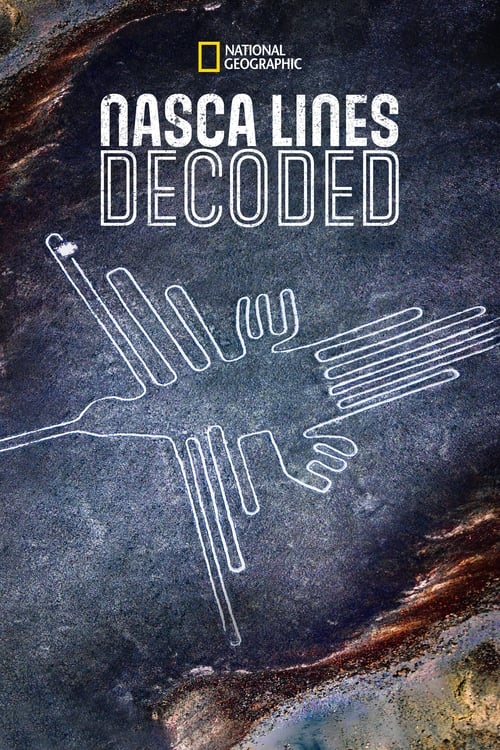
They are striking works of art by any standard: but what purpose did they serve? Some of the theories put forward suggest that the lines were ancient running tracks, runways for aliens, and even a giant astronomical calculator. But after decades of misunderstanding, modern archaeology may finally have an answer to the puzzle of the Nasca lines.
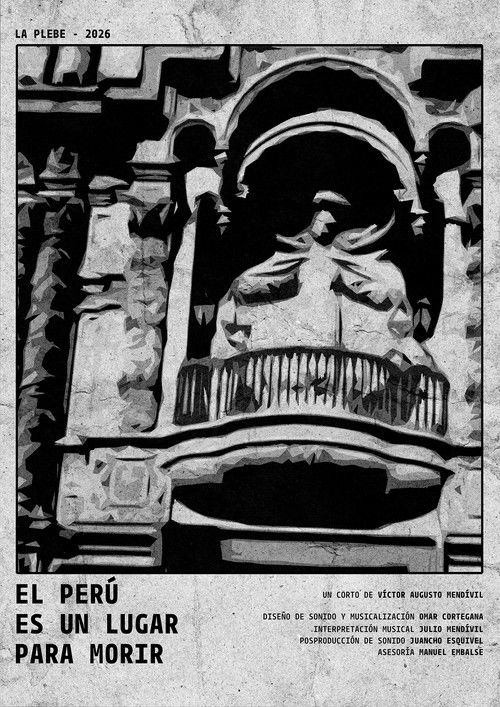
Using footage filmed in Peru in 1950 by a foreigner, Víctor writes a letter to his son to question the country he will inherit: among heartbeats and ruins, he searches for a hope that still endures amid disillusionment.
The secrets about unlocking the mysteries of consciousness by plant-drugs. The related chances and risks involved in this shamanism. While filming Blueberry, the Secret Experience, Jan Kounen met the Shipibo healers of the Peruvian Amazon and discovered their sacred plant: Ayahuasca, the spirit vine. Deeply affected by this experience, he decided to return to Peru to shoot a documentary on the plant and the medicinal rites of the shamans. To this end, he filmed the natives but also met neurologists, philosophers, artists, and chemists working on this subject. He notably interviewed Jean Giraud, the illustrator of Blueberry, and Kary Mullis, winner of the 1993 Nobel Prize in Chemistry. More than a traditional documentary, the film is an invitation to travel, a half-open door to another world or another perception of reality. The secrets about unlocking the mysteries of consciousness by plant-drugs. The related chances and risks involved in this shamanism.
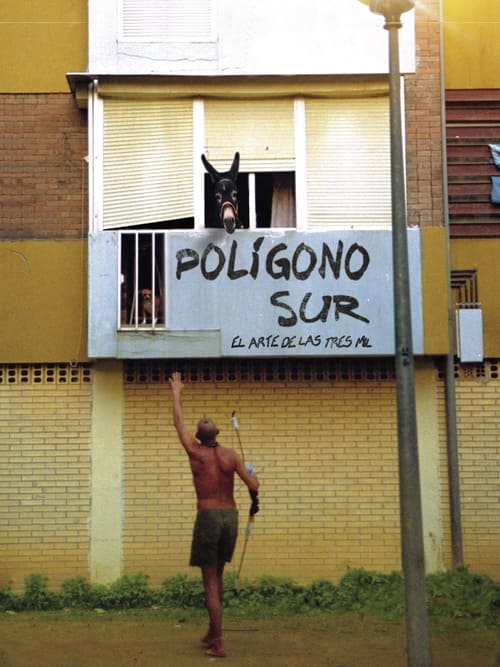
Documentary about the marginal neighborhood 'Las tres mil viviendas', in Seville.
Follows Iwao Ichikawa, a second-generation Japanese Mexican, navigating racial segregation in Mexicali, Baja California during WWII, offering a poignant exploration of identity and belonging amidst adversity.
A look at the evolution of life and finding our purpose.
Fernando Olivera
Mosca Roja
Mosca Naranja
Mosca Morada
Mosca Verde
No Trailers found.