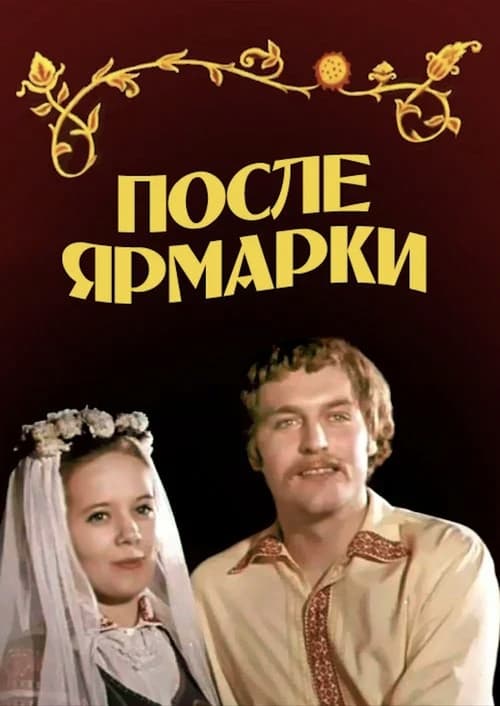
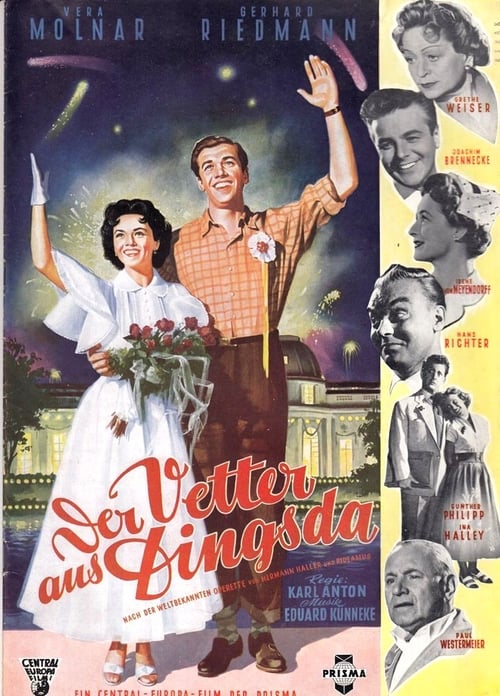
Sir John Falstaff
Ms. Fluth
Mr. Fluth
Ms. Reich
Mr. Reich
Anna Reich
Anna Reich (singing voice)
Fenton
Spärlich
Dr. Cajus
Innkeeper
Townsman
No Trailers found.
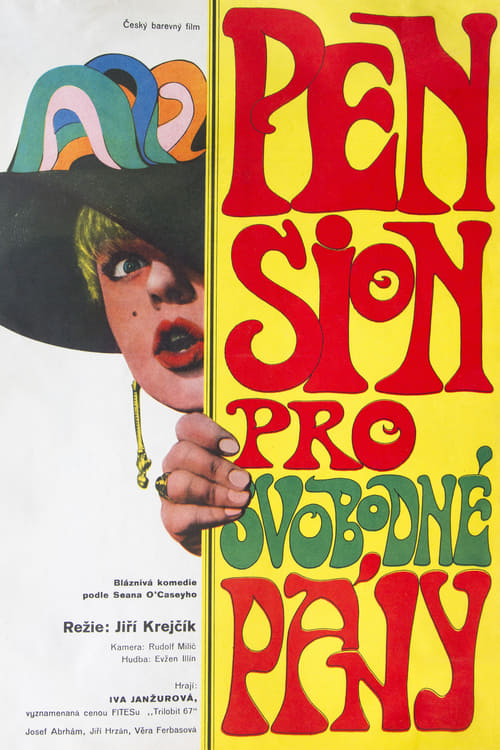
Comedy based on short Sean O'Casey play. John Jo Mulligan finds himself in a situation with which his pious conscience cannot cope. He has spent a night with the cunning seductress Angela. Full of remorse and dreading the ruin of his reputation, he tries to get rid of her, fearing that his pal Halibut or his landlady Miss Mossie might get to know. Angela sees her chance, turns gold-digger and does not leave before relieving John of a considerable amount of money.
No overview available.
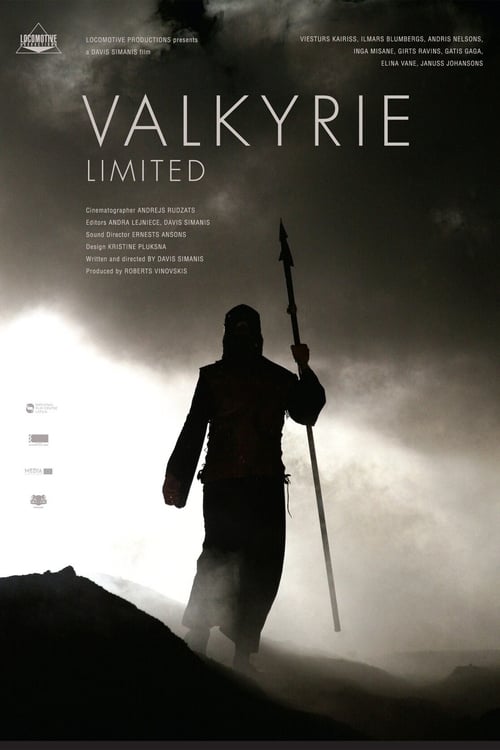
The documentary draws a portrait of an opera director who is staging Richard Wagner’s Die Walküre. He is torn between the tragicomic routine of an opera house and his own perception of Wagner and the Ring cycle. The film witnesses the director’s drama in maintaining the fragile link between a well-constructed performance and his own vision that lies within the music and the narrative, and is seen as German expressionism-like nightmares.
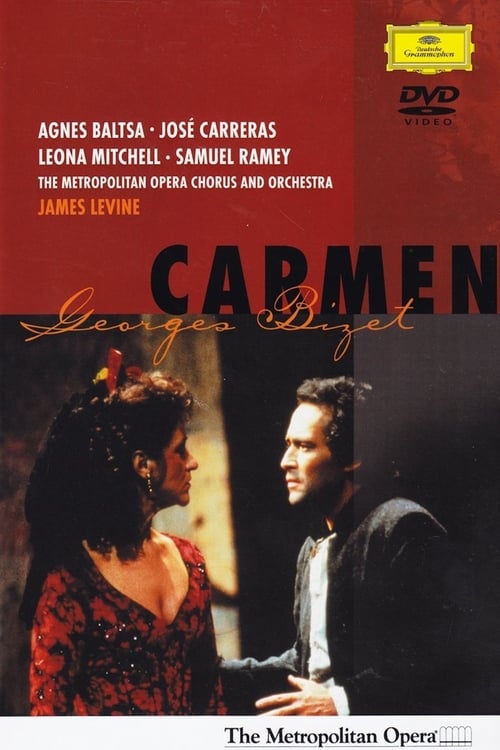
This all-star cast is framed by Peter Hall’s gritty, realistic production and conducted by James Levine, who brings out all the surging emotion and gripping drama in Bizet’s score. At the center of the story is Agnes Baltsa, whose smoky mezzo is tailor-made for the gypsy Carmen, an independent woman who glories in obeying only her own rules, but who is haunted by fate. Superstar tenor José Carreras is Don José, the solider from a small town who catches Carmen’s eye and is destroyed by his growing obsession with her. Samuel Ramey is the charismatic matador Escamillo, who lures Carmen away from Don José with tragic result. Leona Mitchell is Micaëla, the simple girl from Don José’s hometown who cannot save him. March 21, 1987 Matinee Broadcast.
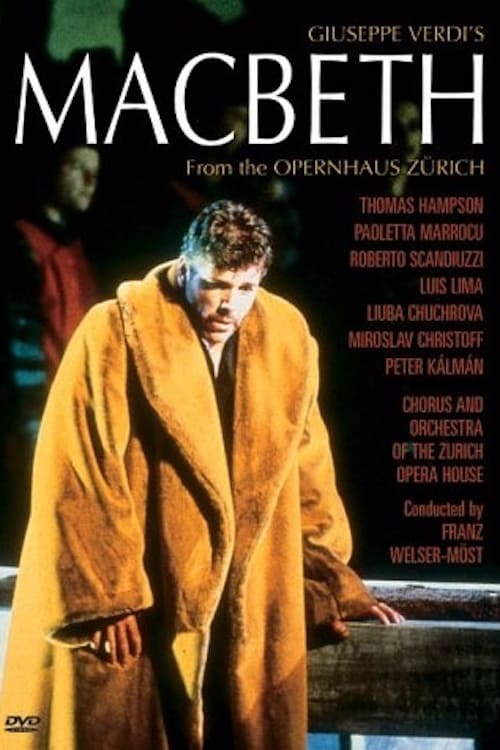
This hard-edged postmodern production of Giuseppe Verdi's haunting masterpiece brings the story of Shakespeare's bloody tragedy to vivid life, characterized by spine-tingling atmospherics and a triumphant debut by American baritone Thomas Hampson in the title role. This Zurich Opera House production also features a mesmerizing turn by Paoletta Marrocu as the beautiful, power-hungry Lady Macbeth, while striking sets and costumes further enhance the duality of the main character whose rise and fall mirror the darkest impulses of man. Replete with supernatural mystery, sexual tension, and violent power plays, this timeless story remains gripping and chilling for today's audiences and boasts some of the most astonishing music of Verdi's legendary body of work.
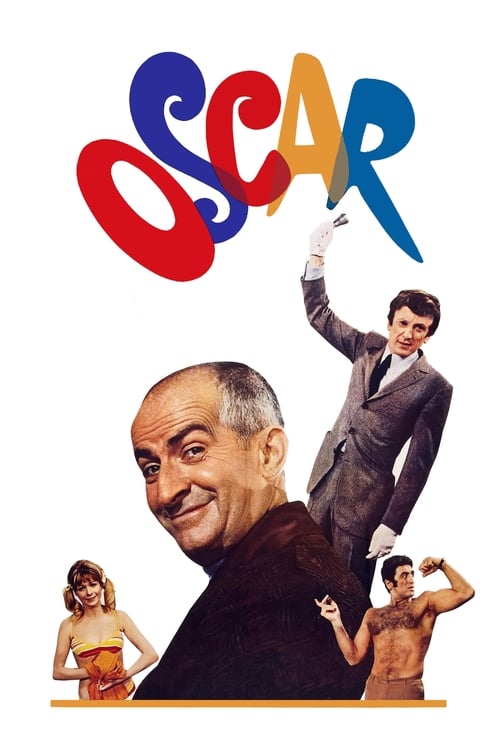
This film originated as a play in Paris. The story focuses on the one-day adventures of Bertrand Barnier played with a genius of French cinema, Louis de Funes. In the same morning he learns that his daughter is pregnant, an employee stole a large amount of money from his company, his maid is about to resign in order to marry a wealthy neighbor and his body builder is interested in marrying his daughter. The seemingly complicated story-line is full of comedy or errors and some of the most hilarious mime scenes of the French cinema.
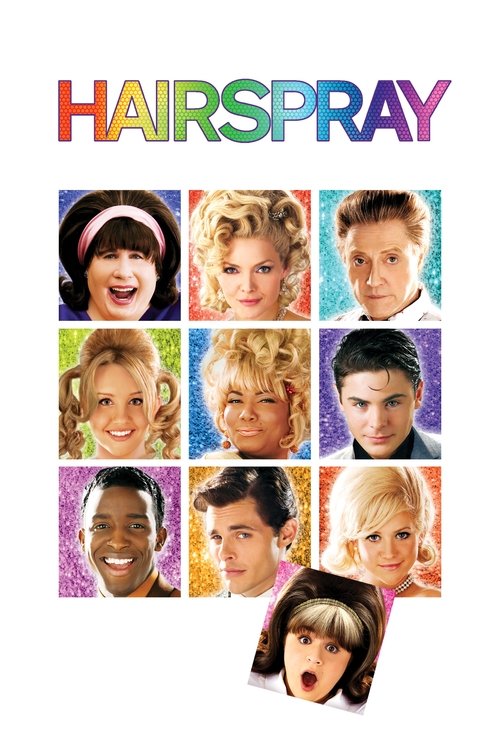
Pleasantly plump teenager Tracy Turnblad auditions to be on Baltimore's most popular dance show - The Corny Collins Show - and lands a prime spot. Through her newfound fame, she becomes determined to help her friends and end the racial segregation that has been a staple of the show.
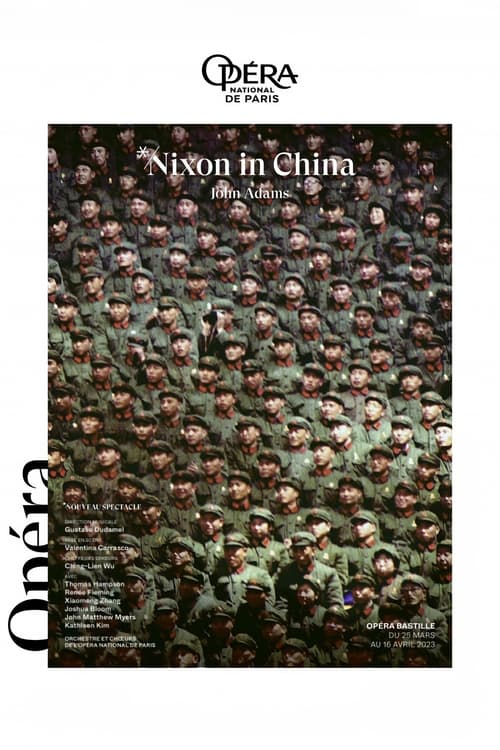
In February 1972, the American president Richard Nixon went to China to meet Mao Zedong. In the context of the war in Vietnam and the cold war, this encounter marked a turning point in Chinese‑American relations. John Adams, a major musical figure of the last forty years, made this event of contemporary history the subject of his first opera. Nixon in China tackles the political thaw instigated by ping-pong diplomacy, begun by the invitation of the American table tennis players by their Chinese counterparts, one year before the presidential visit. A mesmerising work in which the pulsations and repetitions typical of minimalism are combined with melodic lines of great lyricism. For its entry into the Paris Opera repertoire, this work has been entrusted to the director Valentina Carrasco, who underlines the importance and the mediating power of Chinese national sport in history.
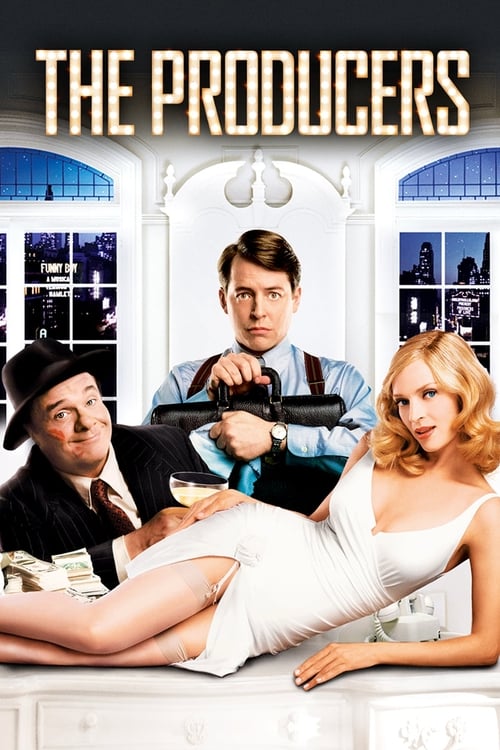
A conniving Broadway producer and his meek accountant plan to profit from charming wealthy old biddies to invest in an overbudget production, and then put on a sure-fire disaster, so nobody will ask for their money back — and what's more disastrous than a tasteless musical celebrating Adolf Hitler.
A collectively made filmic opera in 35 parts. The Black and predominantly queer art collective, an evolving line up of poets and artists from across the world, abstracts and reimagines opera in any traditional conception. Set to hip-hop, blues, noise, R&B and electronica, the piece uses the voice (chanting, singing, screaming; written by poet and activist Dawn Lundy Martin) as its primary tool, verbalising centuries of alienation, vulnerability and protest in the global African diaspora through its disruptive libretto.
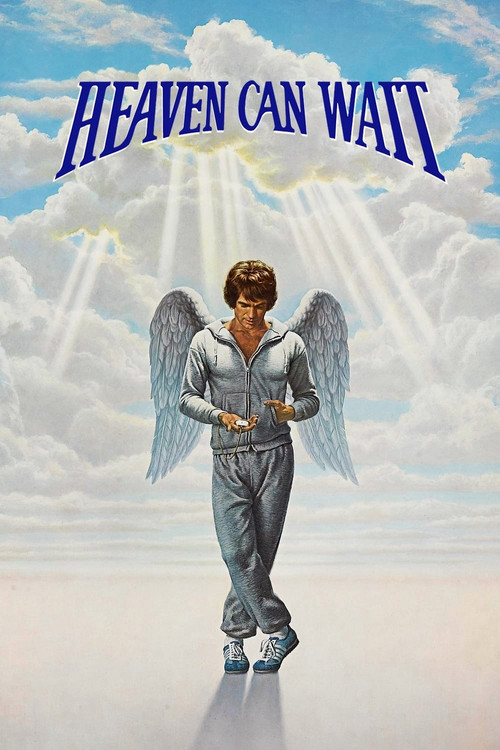
Joe Pendleton is a quarterback preparing to lead his team to the superbowl when he is almost killed in an accident. An overanxious angel plucks him to heaven only to discover that he wasn't ready to die, and that his body has been cremated. A new body must be found, and that of a recently-murdered millionaire is chosen. His wife and accountant—the murderers—are confused by this development, as he buys the L.A. Rams in order to once again quarterback them into the Superbowl.
A biopic of Italian operatic tenor Luciano Pavarotti, who broadened the audience for opera and became a global pop culture icon.
In 1970s Germany, Léopold, a 50-year-old businessman, picks up and seduces 20-year-old Franz, who swiftly moves into his apartment. The dynamic between them intensifies with the sudden arrival of their ex-girlfriends.
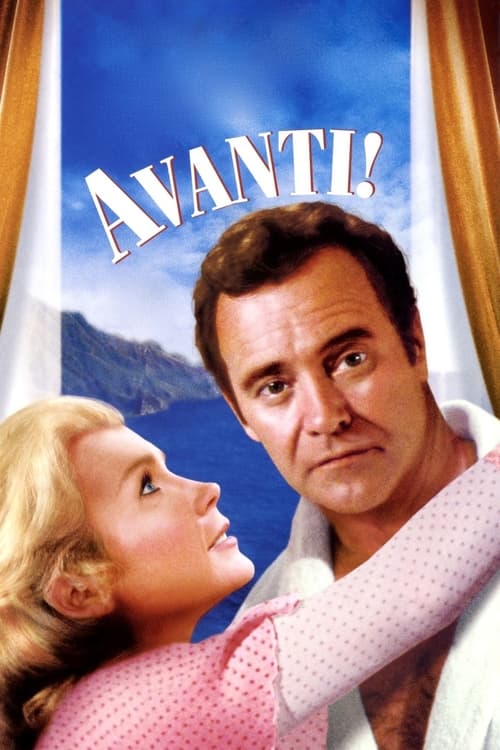
A successful businessman travels to Italy to arrange for the return of his tycoon father's body, only to learn that dear old dad died with his longtime mistress.
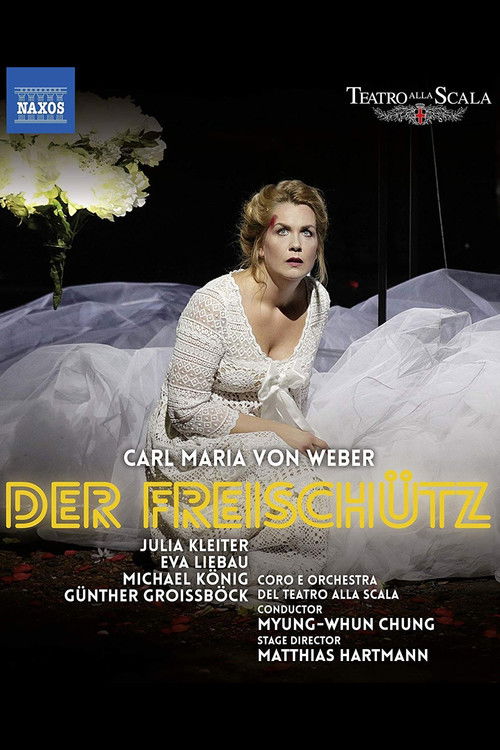
Weber was at the forefront of the rise of German Romantic opera and sought to dethrone Rossini from his position as the leading operatic composer in Europe. In his breakthrough and most popular opera Der Freischütz (The Marksman) composed in 1821, he succeeded in his aim of establishing a truly German form. Turning to the folklore and folk songs of his native land he took a story of a marksman who makes a pact with the Devil, vesting it with powerful intensity not least in the famous Wolfs Glen scene and an astonishing control of orchestral color and atmosphere.