The lives of Stan Laurel (1890-1965) and Oliver Hardy (1892-1957), on the screen and behind the curtain. The joy and the sadness, the success and the failure. The story of one of the best comic duos of all time: a lesson on how to make people laugh.
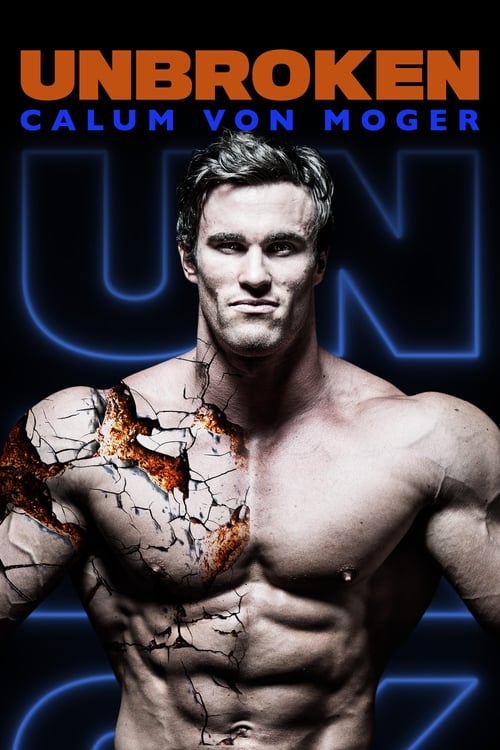
To many in the bodybuilding world, Calum von Moger is seen as the future of the sport. A two time Mr. Universe champion who has proven himself to have one of the greatest physiques currently on the professional stage; Calum was catapulted into social media stardom. Known for his resemblance to Arnold Schwarzenegger and dubbed Arnold 2.0. But a sudden and tragic bicep tear brought his training and goals to a grinding halt. Losing dozens of pounds of muscle and unable to train until fully recovering – Calum was forced to reassess his bodybuilding path and find a way to fight back up to the top. Calum von Moger: Unbroken chronicles his rise, fall, and now recovery as he moves into a promising career in television and film. Showcasing a man with an indomitable will that overcomes all the hurdles in his path and taking him to a place that both skeptics and doctors thought was impossible.
A television reality crew has arrived in town to document facts about an isolated Amish sect. Filming is interrupted when the grandmother of their host family, a shunned witch, dies and is denied a Christian burial. When paranormal activities begin to plague the family, they ask the crew to document it. But they never foresee the dangers that the spirits have in store for them.
Film director and screenwriter Seijun Suzuki (1923-2017), who in the sixties was the great innovator of Japanese cinema; and his collaborator, art director and screenwriter Takeo Kimura (1918-2010), recall how they made their great masterpieces about the Yakuza underworld for the Nikkatsu film company.
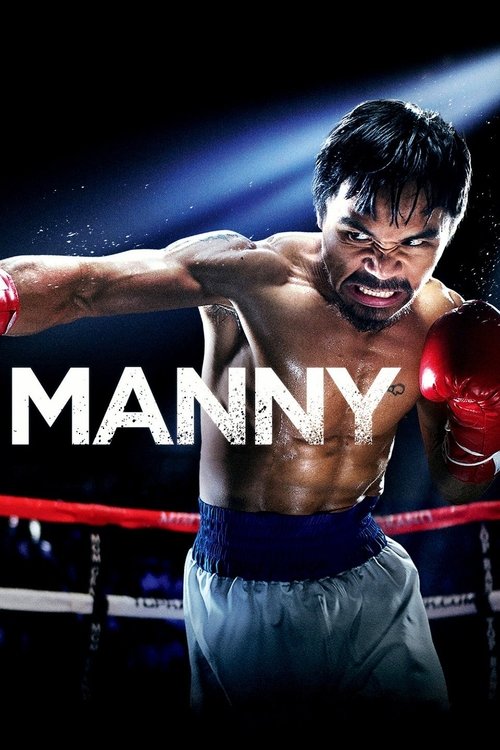
From abject poverty to becoming a ten-time boxing world champion, congressman, and international icon, Manny Pacquiao is the true definition of a Cinderella story. In the Philippines, he first entered the ring as a sixteen-year-old weighing ninety-eight pounds with the goal of earning money to feed his family. Now, almost twenty years later, when he fights, the country of 100 million people comes to a complete standstill to watch. Regarded for his ability to bring people together, Pacquiao entered the political arena in 2010. As history’s first boxing congressman, Pacquiao now fights for his people both inside and outside of the ring. Now at the height of his career, he is faced with maneuvering an unscrupulous sport while maintaining his political duties. The question now is, what bridge is too far for Manny Pacquiao to cross?
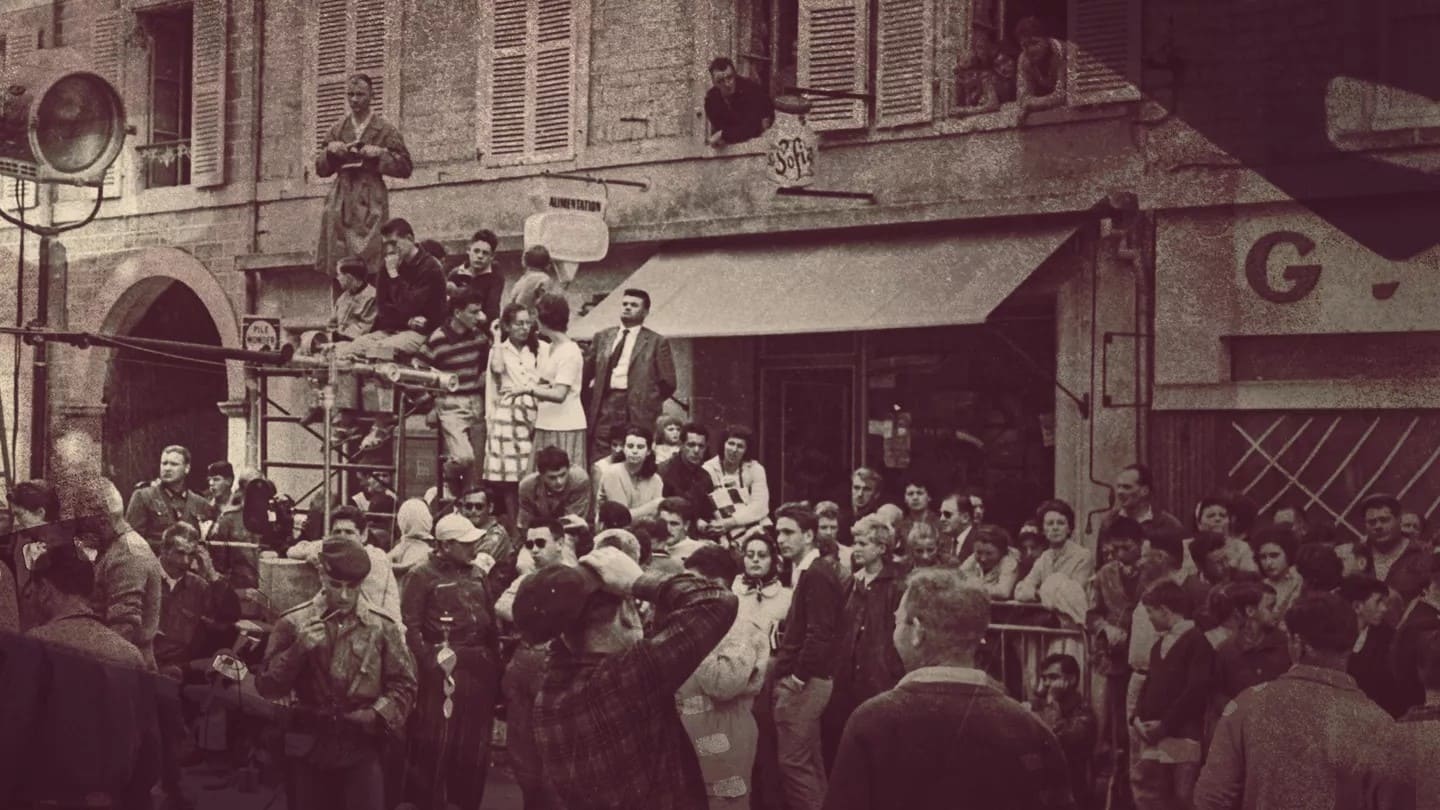
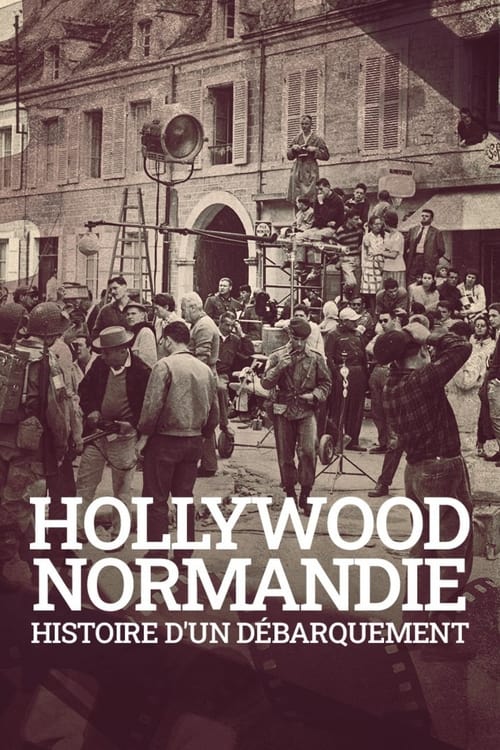
Documentary about veteran character actor Dick Miller, whose career in and outside of Hollywood has spanned almost 200 films across six decades, featuring a diverse range of interviews with directors, co-stars, and contemporaries.
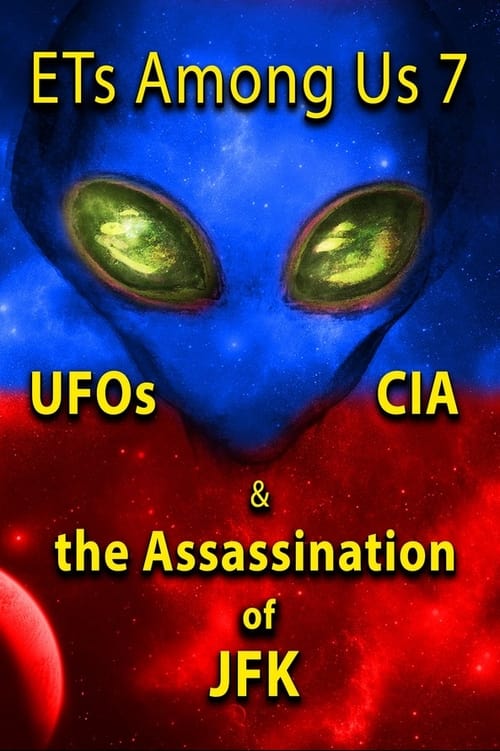
Peabody Award winning journalist Linda Moulton Howe, JFK experts Robert Morningstar and Jim Marrs, and psychic CEO Sebastien Martin, narrate this shocking exposé of the unknown hidden motivations for the assassination of President John F Kennedy. Writing in a letter his desire to share the government's most highly classified secret with the American people, Kennedy inadvertently signed his own death warrant. Ten days later JFK was assassinated. Partially burnt documents, rescued from the fireplace of deceased counterIntelligence chief James Jesus Angleton, provide irrefutable proof of the secret orders to murder JFK. The most shocking and pervasive government cover-up in history has persisted for almost 6 more decades, despite JFK's thwarted attempt to expose the Truth. Only in 2019 did the Pentagon finally begin, bit by bit, to let the public in on their shocking cosmic secret.
Retrospective featurette included with the 2014 Blu-ray by Arrow Video.
Retrospective interview with Joe Pantoliano included with the 2014 Blu-ray by Arrow Video.
No overview available.
Short film by Sandi Mitchell showing footage of the ruins of the NFB's Halifax office after it was destroyed in a fire in 1991.
A short documentary about a female truck driver in the United Kingdom.
Retrospective interview with Gina Gershon and Jennifer Tilly included with the 2014 Blu-ray by Arrow Video.
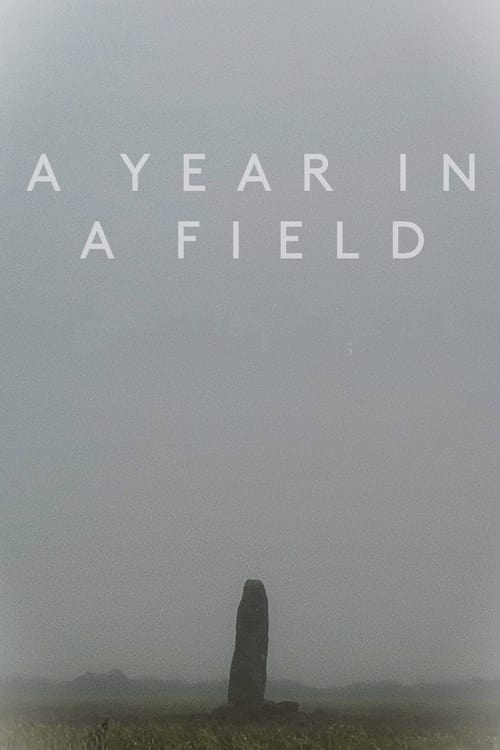
With his camera and tripod, BAFTA-winning documentary filmmaker Christopher Morris began filming each day in a field near his home, telling the story of one Cornish field told over one climatic year.
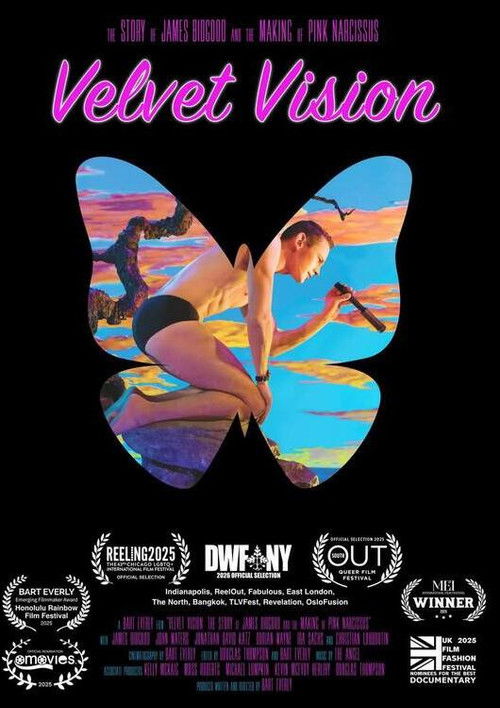
Velvet Vision is a raw and intimate portrait of James Bidgood, the visionary artist behind the cult classic Pink Narcissus, who’s groundbreaking 1960s homoerotic imagery helped redefine queer aesthetics.
A documentary about an old animation technique and the film studio that tries to carry on the legacy. The worlds oldest animation studio still making film with stop motion technique is Nukufilm located in Tallinn, Estland. Here we can follow the work in the studio which was founded in the Soviet era and has survived heavy censorship and global competition.
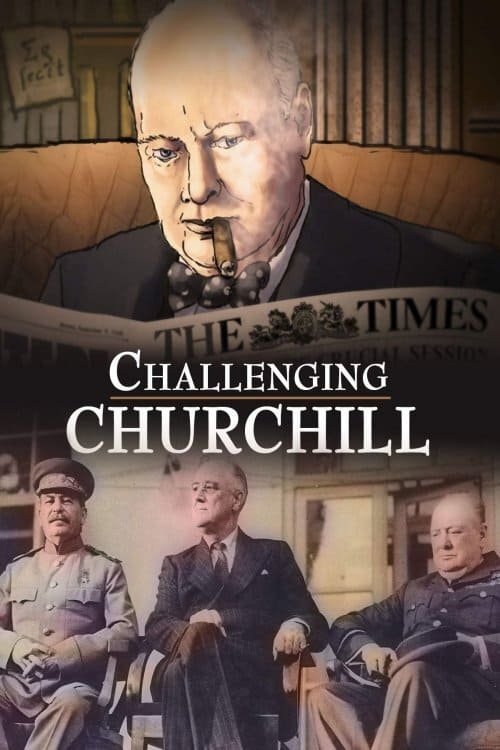
Churchill, a name typically associated with braveness and altruism. Recently found evidence from Soviet and British sources however brings up questions about Churchill's doings in the conferences of Tehran, Yalta and Potsdam. Why did he agree to give Stalin large parts of Poland? The story of two world leaders in times of war - it is also the story of Poland.
A making-of documentary of the analogue horror short film "Interchange" made by James Seed.
Since Rosa was little, people used to say around town that her grandfather was a black dog. The legend, belonging to the Valley of Oaxaca, spoke of a man who had the ability to turn into a black dog and roam the streets at night. Through images of the town, interviews with the brothers and animated interventions, the documentary tells the story of the myth and its importance in the collective memory.
No Trailers found.
No Cast found.