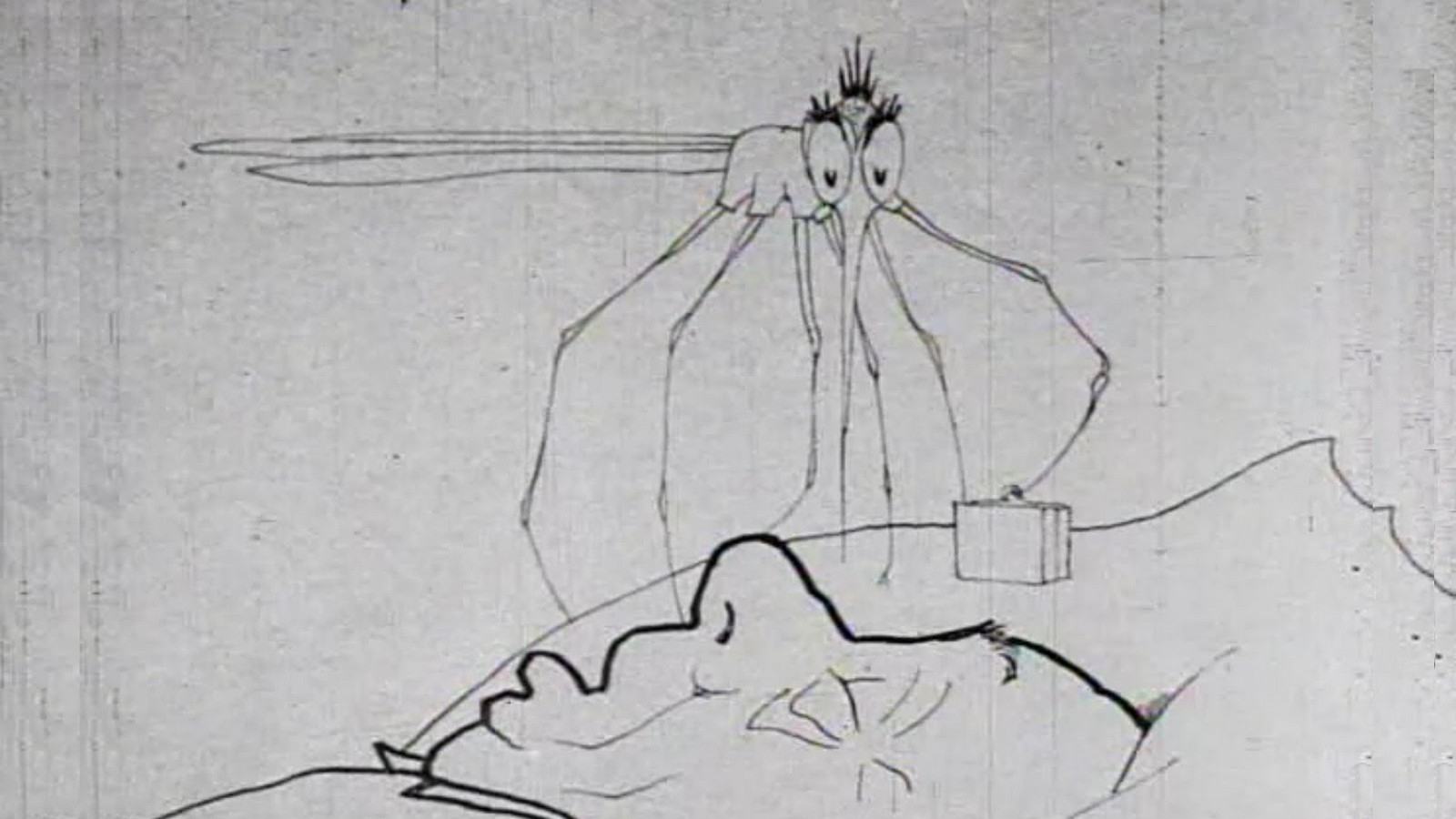
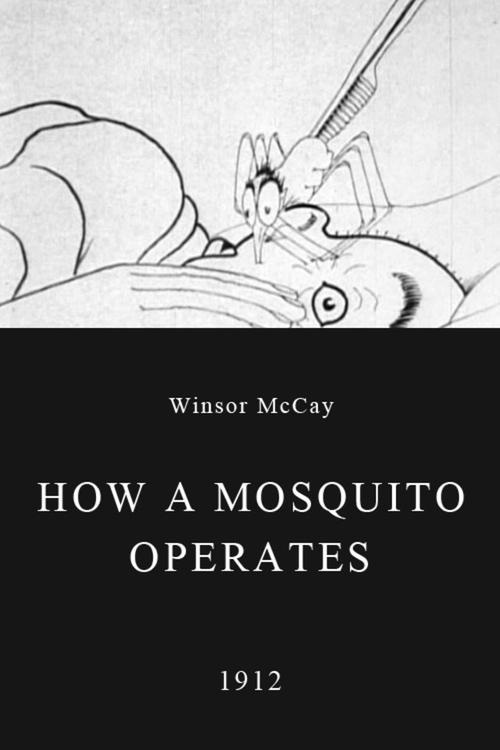
A hungry mosquito spots and follows a man on his way home. The mosquito slips into the room where the man is sleeping, and gets ready for a meal. His first attempts startle the man and wake him up, but the mosquito is very persistent.
Trailer
No Cast found.
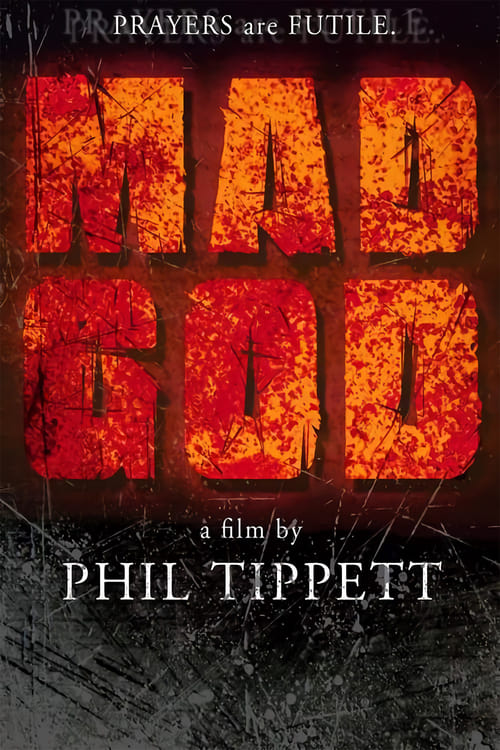
Mad God is a fully practical stop-motion film set in a Miltonesque world of monsters, mad scientists, and war pigs.
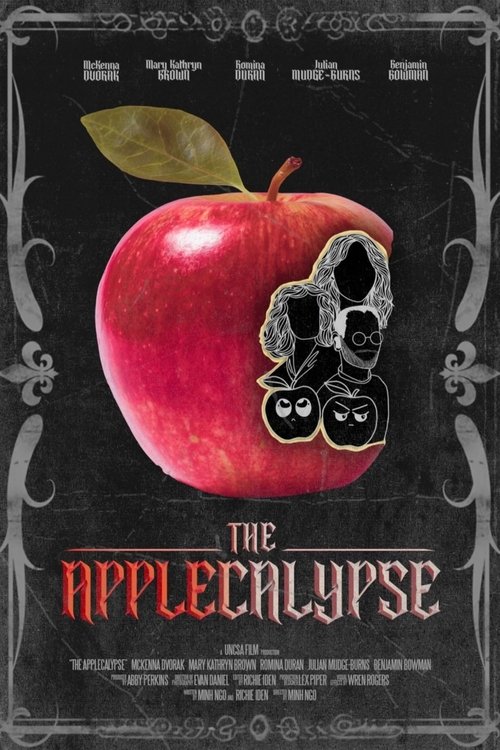
After Eve causes a cataclysmic event that sucks all apples into a dark void, the two surviving apples must recruit the help of Steve Jobs and Isaac Newton to save the Garden of Eden.
A resourceful landlady rents the same room to two men: the commercial clerk Zimt, who is at work during the day, and the conductor of a café orchestra Zucker, who has to work all night. After all kinds of turbulence, the trick comes to light and the two bitter enemies Zucker and Zimt eventually become good friends.
A chain-smoking woman has an encounter with a vampire.
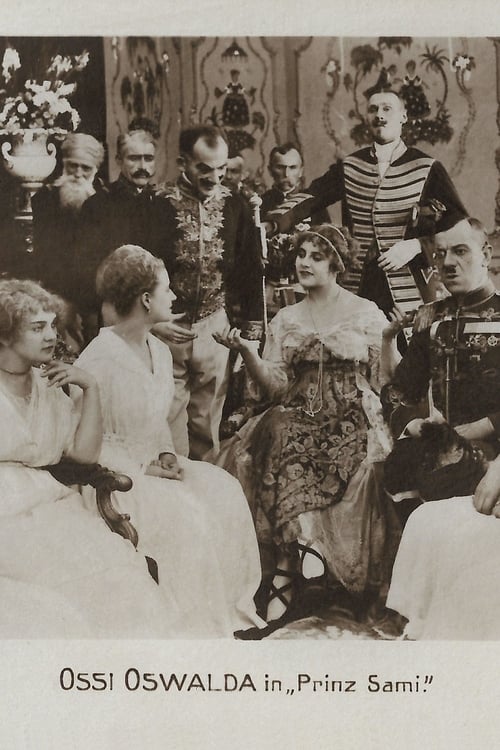
Prince Sami comes from Nigeria and is an uncivilized "nature boy." He is sent to the highly civilized court of Duchess Maria of Arragon, where he initially causes chaos. In the end, however, he becomes the duchess's husband.
While making a movie in the Alps, the female star falls in love with a nobleman.
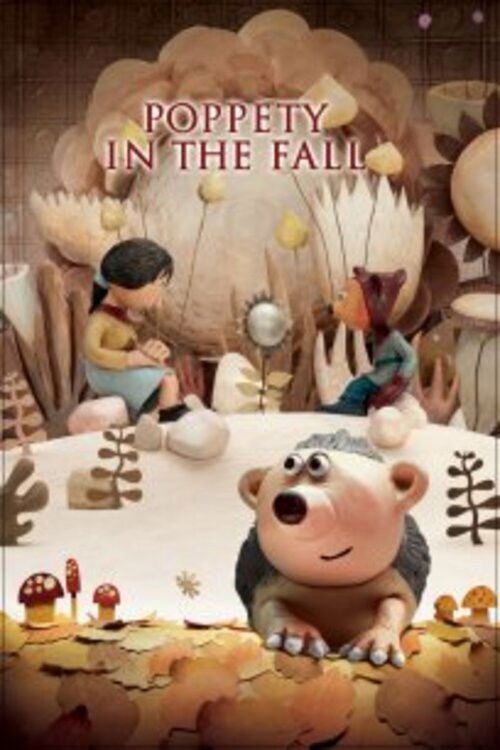
In this animated short, a terrible curse deprives Balthasar's kingdom of its stories. Taking the unicorn's horn back into The Belly of the Earth is the solution. Poppety will lead an expedition, by chance uncovering a hitherto closely guarded family secret.
In this silent film, now considered lost, Doug Caswell falls for Irene, his wealthy father's mistress. It's up to Doug's stepmother Helen to put things right.
So This is Love? was another early Frank Capra production for fledgling Columbia Pictures. The hero, dress designer Jerry McGuire (William Collier Jr.), is tired of being considered a wimp. After business hours, Jerry secretly takes boxing lessons, enabling him to knock the stuffings out of his burly rival Spike Mullins (Johnnie Walker). Jerry's newfound pugilistic skills wins him the affections of store clerk Hilda Jensen (Shirley Mason), who's just car-razy about "cave men." Filmed in a fast three weeks, So This is Love? was completed before Frank Capra's Matinee Idol but released afterward. Leading lady Shirley Mason was the sister of Viola Dana, who starred in Capra's initial Columbia effort, That Certain Thing.
A tramp tries to earn money by playing the violin, but he’s soon facing off against the jealous competition.
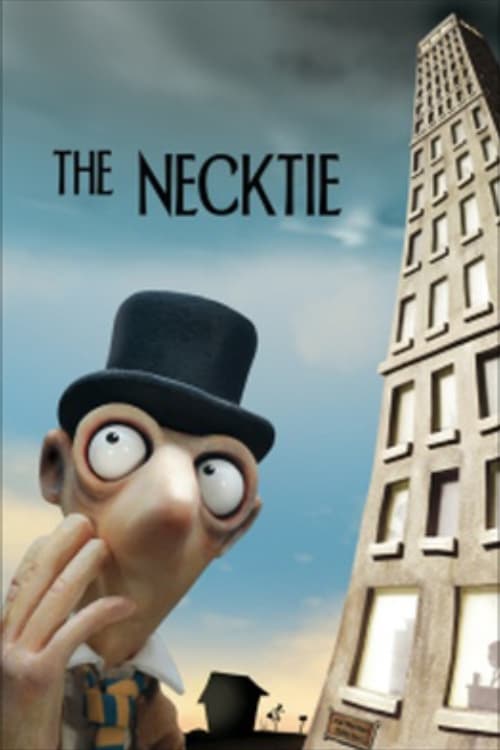
A solitary man works in a tall office building. The only moment in his drab life that's out of the ordinary each year seems to be opening the birthday card and gift from his mother. Usually it's a tie, but one year it's an accordion. It goes into the closet with his many ties. A year or two later, he discovers what happens to the papers he processes every day. His discovery sends him first to the building's top floor, then to his closet.
No overview available.
The just-out-of-college, effete son of a no-nonsense steamboat captain comes to visit his father whom he's not seen since he was a child.
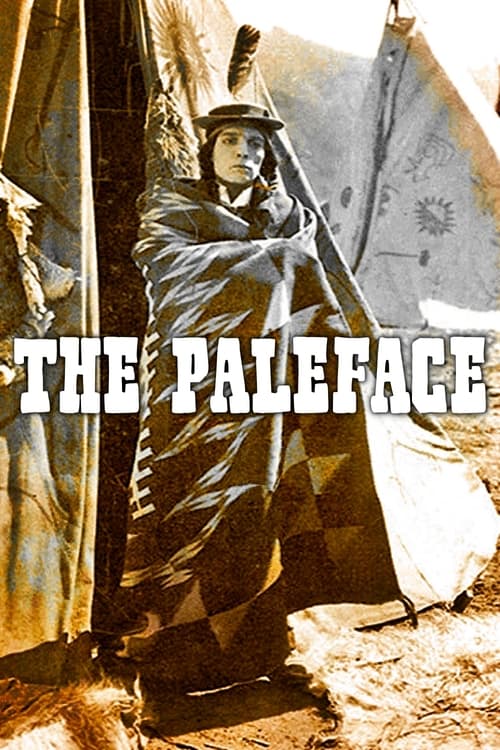
A butterfly collector unwittingly wanders into an Indian encampment while chasing a butterfly, but the tribe has resolved to kill the first white man who enters their encampment because white oil tycoons are trying to force them from their land.
An unnamed man is house-sitting for his friend Imogen. Imogen calls to remind him to take her dog Rothko for a walk, but Rothko takes him for a walk instead.
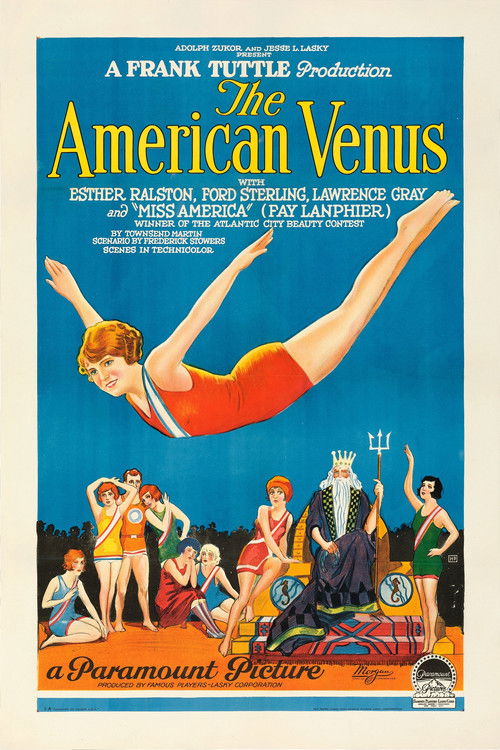
A lost film - Mary Gray, whose father manufactures cold cream, is engaged to sappy Horace Niles, the son of Hugo Niles, the elder Gray's most competitive rival in the cosmetics business. Chip Armstrong, a hot-shot public relations man, quits the employ of Hugo Niles and goes to work for Gray, persuading Mary to enter the Miss America contest at Atlantic City, with the intention of using her to endorse her father's cold cream should she win. Mary breaks her engagement with Horace. When it appears that she will win the contest, Hugo lures her home on the pretext that her father is ill, and she misses the contest. Chip and Mary return to Atlantic City, discovering that the new Miss America has told the world that she owes all her success to Gray's cold cream. On this note, Chip and Mary decide to get married.
An ant colony finds that the strange new food source they've discovered may be something more of a curse than a boon.
A photographer takes up newsreel shooting to impress a secretary.
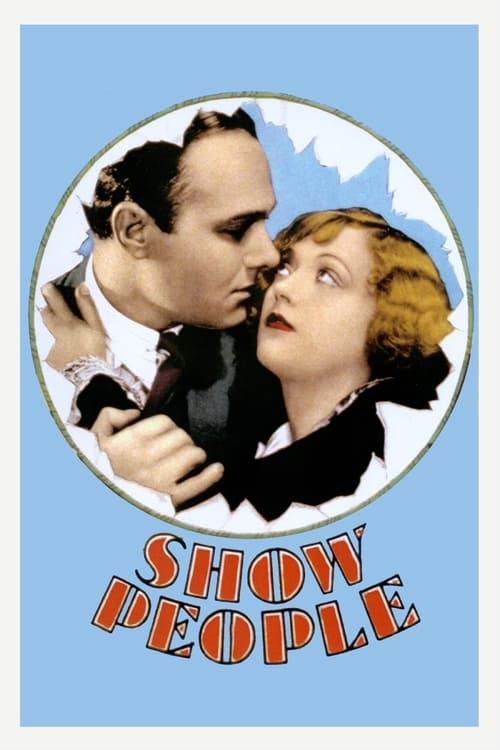
Hollywood hopeful Peggy Pepper arrives at a major studio, from Georgia, to become a great dramatic star. Things don't go entirely according to plan.
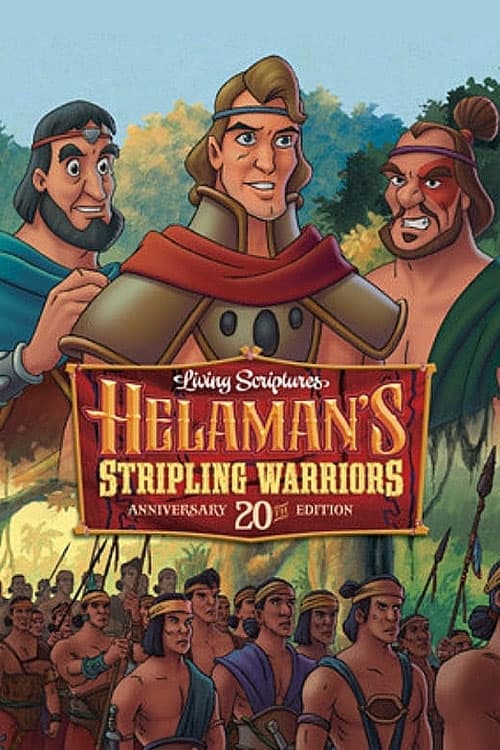
The people of Ammon, a group of Lamanites, take an oath to never kill again. They rear their children with great faith. One day the wicked Ammoron threatens the peace. 2,000 young men, not bound by the covenant of their parents, are led by Helaman to defend their people. Despite their youth and inexperience these stripling warriors bravely fight because they trust their mothers’ promise that they will not be harmed.