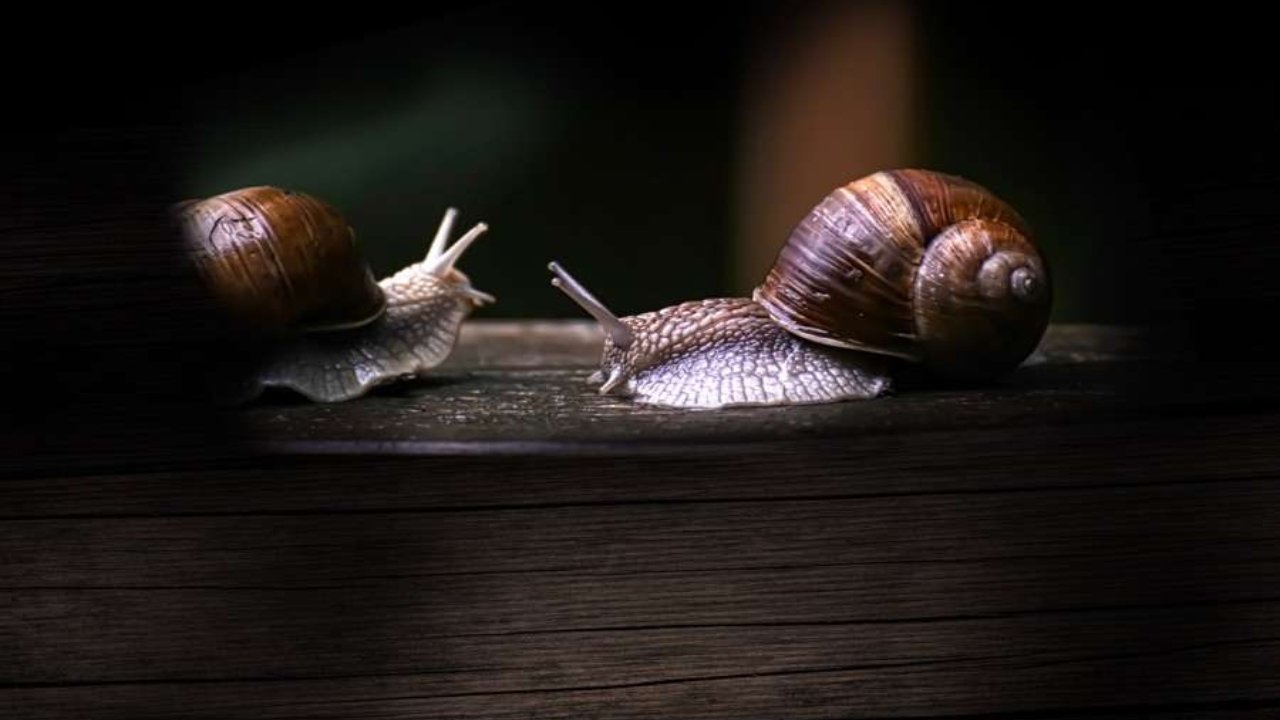
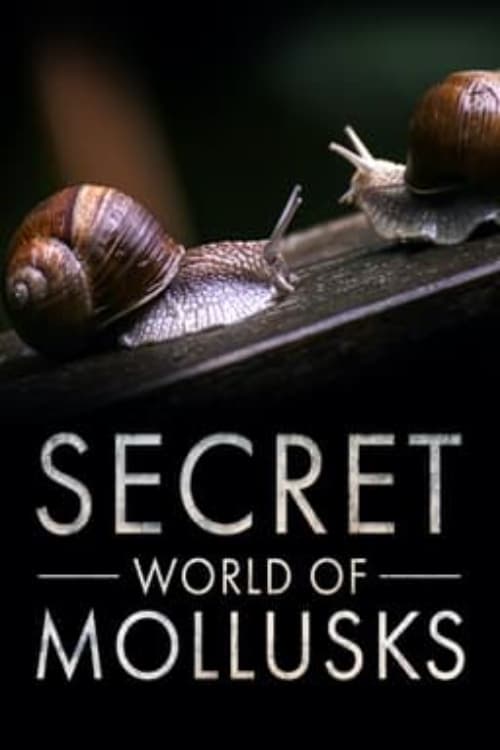
Mollusks deserve a second chance to better their first impression since the world is truly one of a kind. Enter the secret world of mollusks!
No Trailers found.
Narrator
A mind-bending, thrilling journey exploring the fragility and wonder of planet Earth, one of the most peculiar, unique places in the entire universe, brought to life by the only people to have left it behind – the world’s most well known and leading astronauts. This edit combined episodes one and ten to create a new movie.
Luciano Candisani, award-winning Brazilian photographer, returns to the Pantanal, the world’s largest floodplain, to document its biodiversity and raise awareness about severe environmental threats. The region faces drastic water flow changes and unprecedented fires, yet Candisani finds hope and resilience amidst the challenges.
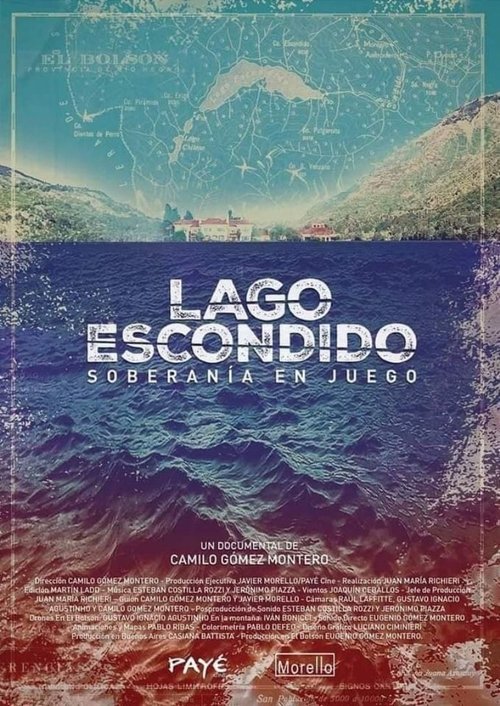
A group of Argentines try to reach Lago Escondido, in the south of their own country, where the British billionaire Joe Lewis has created a fiefdom of twelve thousand hectares that functions as a parallel state. This documentary narrates the Seventh March to Lago Escondido in 2023, with a camera that records the events directly, but also investigates dark geopolitical interests, business/judicial lobbies and the complicity of some sectors of Argentine politics with foreign interests.
No overview available.
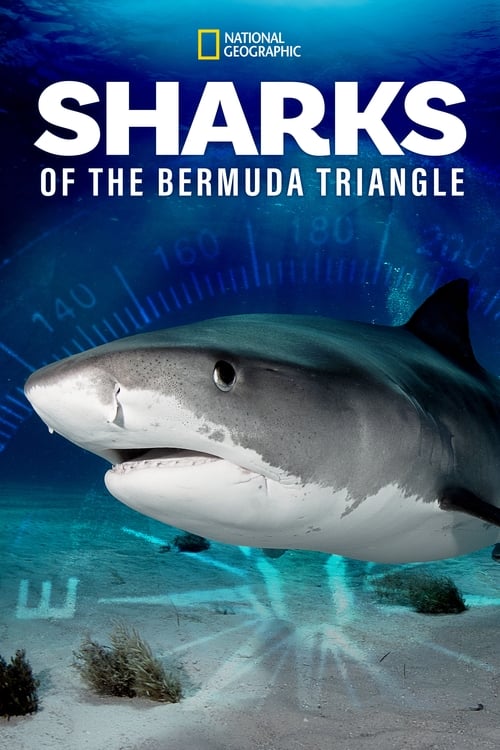
Marine biologist Dr. Austin Gallagher searches for the holy grail of shark research -- the secret breeding grounds of tiger sharks.
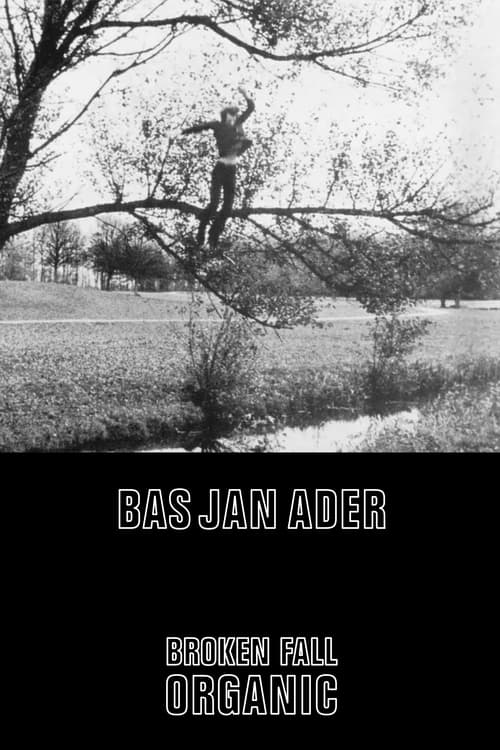
Bas Jan Ader hangs from the branch of a tall tree, until he loses his grip and falls into a river below.
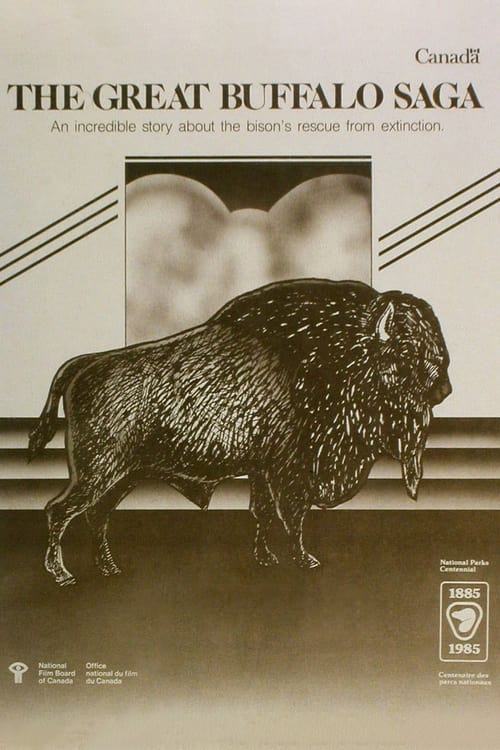
By the late 1800s the free-ranging buffalo of the western plains of North America were almost extinct. This documentary is the story of the buffalo's revival. Live action, eye-witness accounts and archival photos document our fascination with this ancient and legendary animal.
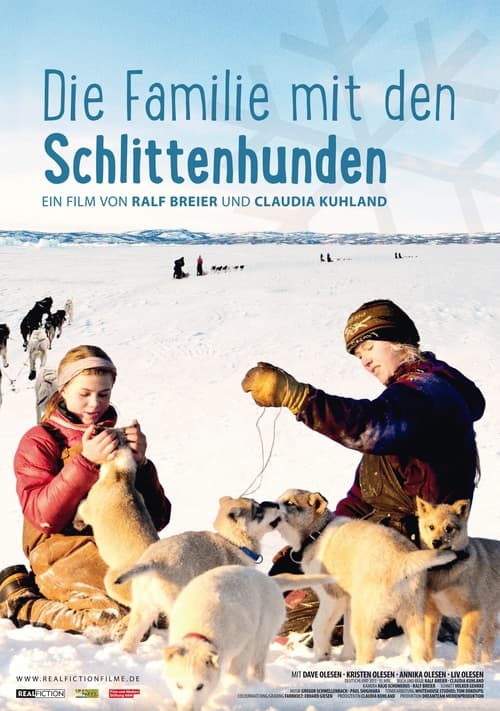
Out of love for Huskies, nature and cold winters Dave and Kristen Olesen moved from Minnesota to the North West Territories in Canada 25 years ago to create their own little universe on the magnificent East arm of Great Slave Lake. With their two daughters Annika 15 and Liv 12 and their 37 dogs, the Olesens enjoy a unique lifestyle in the wide open wilderness far away from civilization. One winter they all leave their self-built homestead with ten dogs on a two and a half thousand mile family expedition allowing Annika to run the Junior Iditarod in Alaska. As unexpected obstacles all along the trip culminate in three heavily injured dogs the whole endeavor is at risk. Optimism, love and loyalty prevail on this exciting epic family voyage.
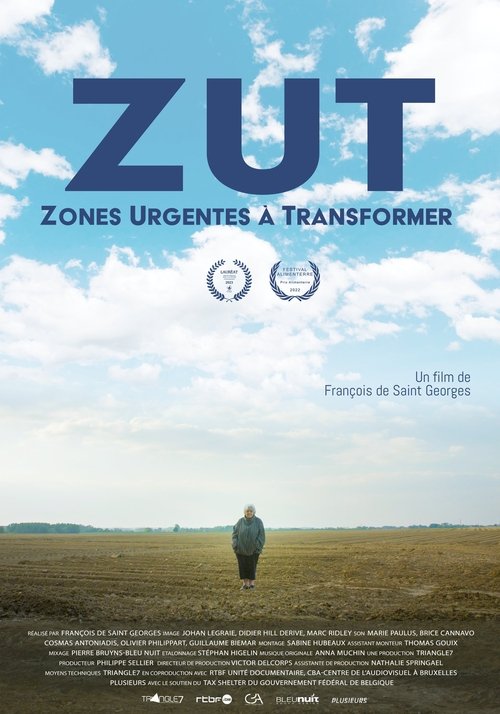
Marie-Thérèse and Christian have turned their town into a ZUT—a Urgent Zones to Transform. They want pesticides gone. Completely. Immediately. And forever. The radical stance of these 'zutists' echoes a growing thirst for change across Belgium. From tiny garden plots to European institutions, from farm to farm, from laboratories to grassroots struggles, ZUT keep popping up—each one revealing just how dependent we’ve become on chemical inputs, and how deeply we long to break free.
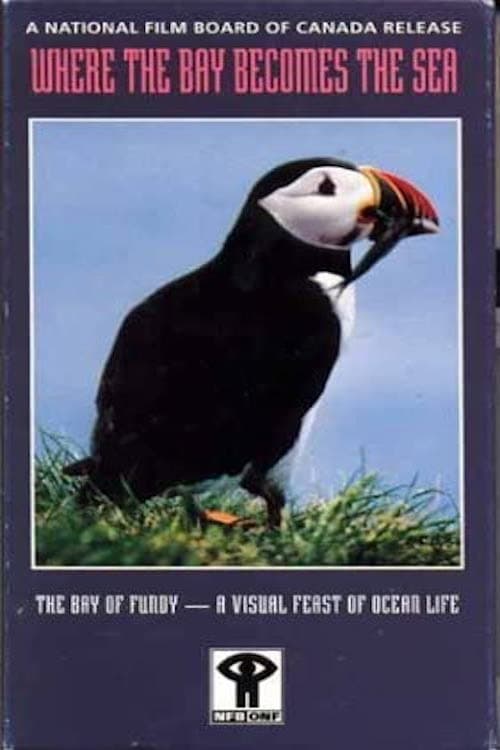
This is a documentary about the fragile and complex marine ecosystem in the Bay of Fundy. The film traces relationships within the food chain - from tiny plankton to birds and seals and finally to whales and humans. The film is a plea for careful management of our ocean resource and was first telecast as part of CBC's Nature of Things series.
This documentary film focuses on the animal life that survives in this harsh arctic climates at the edge of the ice - from the simple algae to narwhals, polar bears, sea birds, seals, whales and walruses.
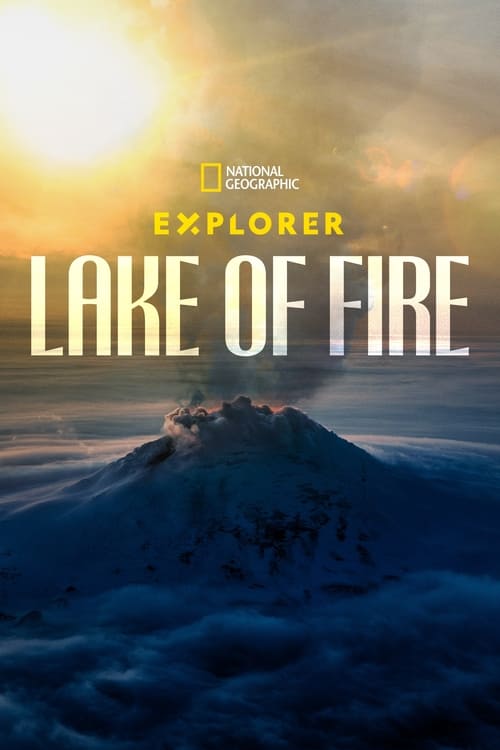
In 2001, satellite imagery captured a mysterious “thermal anomaly” on an unexplored volcano at the ends of the Earth. What lies inside could provide new clues to help predict volcanic eruptions around the globe. But the island is so remote with conditions that are so extreme. No one has ever been able to reach the top to investigate what lies inside.. until now.
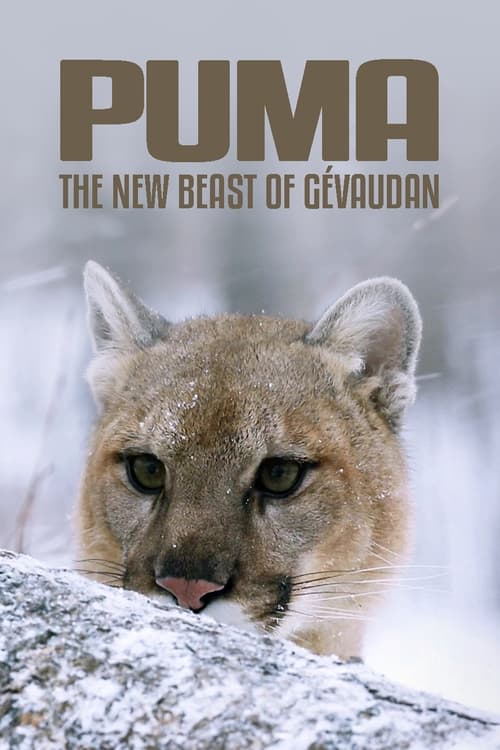
In the heart of southern France there is a fog-prone area where, according to legend, a bloodthirsty creature wreaked havoc 250 years ago. A rumor is spreading again in this legendary place, as eyewitnesses report an animal with large paws and a long tail that crosses roads in a single leap - powerful enough to tear down a horse and leave it mutilated in the pasture. Is the Beast of Gévaudan back? The animal photographer Bruno Loisel has a supposedly more rational explanation. The animal that fits the descriptions could be a cougar, but this species of big cat is only native to America. In order to learn the proper techniques for tracking down the puma, he travels to Canada, where he accompanies a team of researchers dedicated to studying the shy, almost invisible predator. Will Bruno be able to use his findings to solve the mystery of the new beast of Gévaudan?
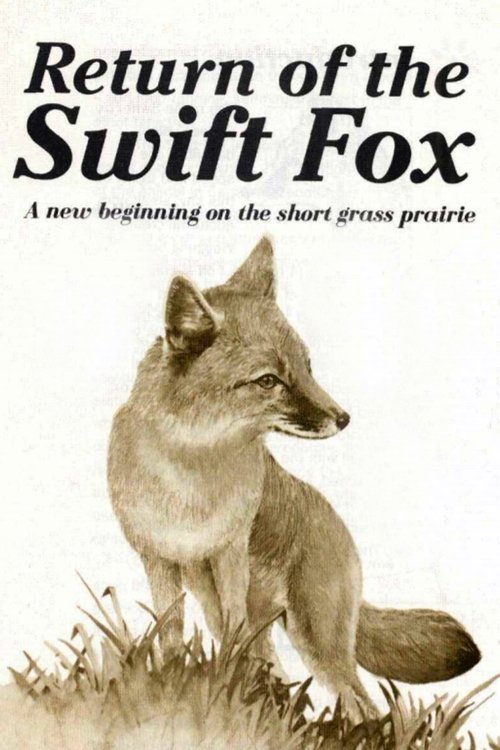
A documentary about returning the swift fox, the smallest of Canada's native foxes, into its original habitat.
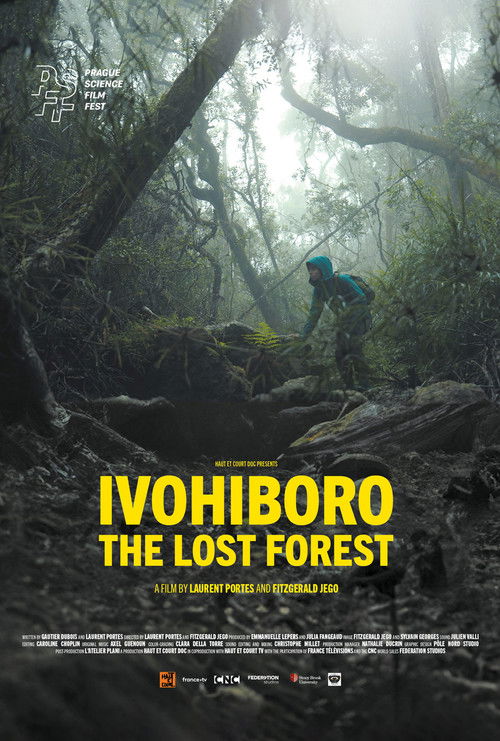
The film follows an expedition into Ivohiboro — a small, previously unexplored tropical forest in Southeast Madagascar rich with biodiversity.
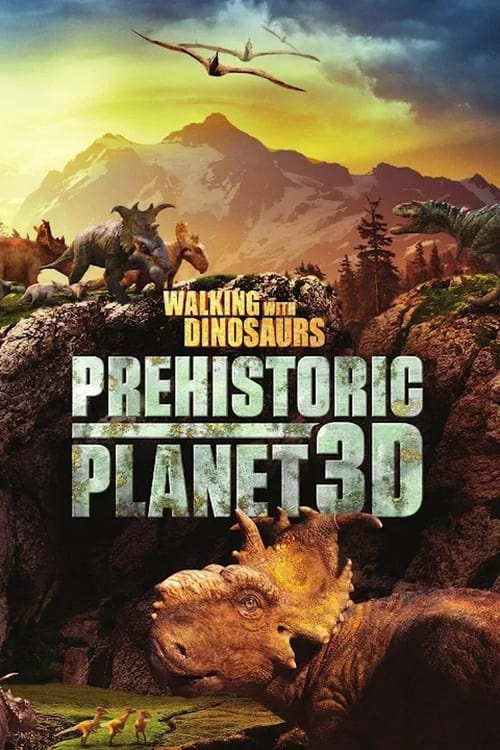
In this journey through the seasons, you’ll experience a year in the life of hundreds of plant-eating dinosaurs. From the moment they hatch, these prehistoric giants face natural disasters and ferocious predators while hunting, feeding, playing, and undertaking epic migrations. Based on scientific data, the digital dinosaurs come to life against the backdrop of modern Alaska.
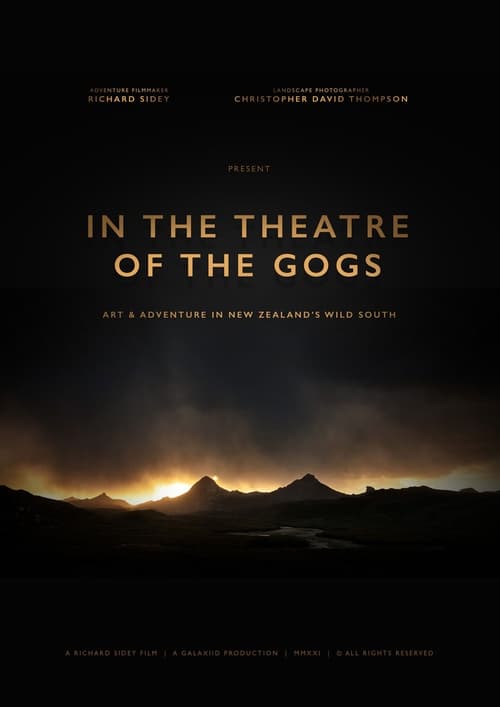
A contemplation of art and adventure in the southern wilds of New Zealand by both a landscape photographer and an adventure filmmaker. This film is the unexpected result of their two unique perspectives.