A filmic letter to New York City, the subway, and self.
Self
No Trailers found.
A short experimental film that explores one filmmaker’s journey to preserve fleeting moments before they fade. Created as a heartfelt introduction into Koen's film making journey, the film blends nostalgic visuals with inventive storytelling techniques, exploring childhood dreams, the fear of forgetting, and the impulse to document life as it unfolds. This marks Koen’s first true dive into editing and cinematography, born from years of unfinished projects, it stands as a heartfelt introduction to a lifelong pursuit of storytelling, dedicated to the child in all of us who once dreamed.
The word kewaaj (কেওয়াজ) is colloquially used to explain chaos, noisiness or annoyance. "Kewaaj" is an audiovisual attempt to give you a glimpse into how the people of Dhaka function in one of the most unliveable cities, according to the Global Liveability Index.
An experimental short where a character sends a series of progressively desperate emails asking for a job.
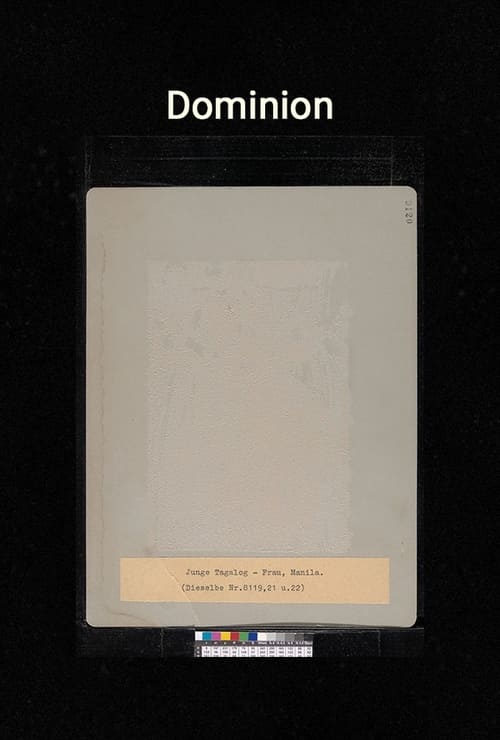
Landscapes, things, men, women and children taken by an "evil eye" more than a century ago haunt the present in this jagged reverie. A persona voicelessly narrates, via captions, going through colonial photographs, digresses to eating fruit and entering a cave on a tropical vacation island.
On February 6, 2023, an earthquake on the border of Turkey and Syria claims more than 55,000 lives. On this day, I am in an oncology center, 6 days since having my tumor removed, and in the afternoon my partner ends our relationships. Blending memory and theory, this autofiction documentary unfolds the relationships between love(s) and catastrophes.
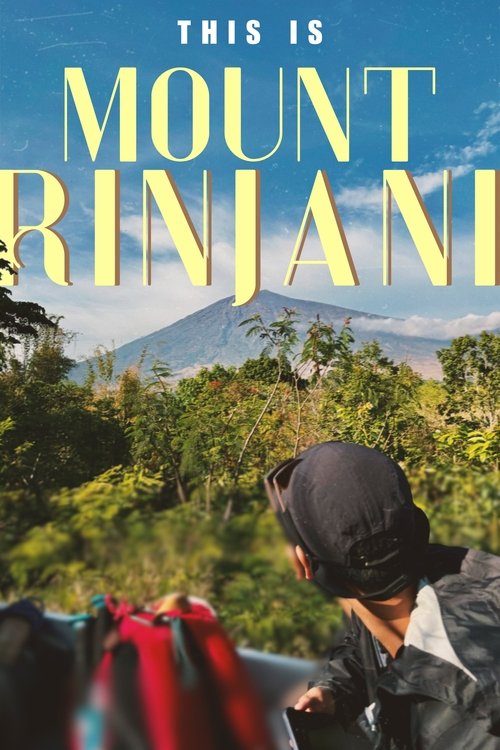
At once a journey and a reckoning, this film follows 19 year old Koen's ascent of Mount Rinjani—often regarded as Indonesia’s toughest summit. What begins as a test of endurance gradually transforms into something more intimate: a dialogue between self and nature. Shot as a reflective video diary, the film holds not just the view from the summit, but the moments of insight and introspection discovered along the way.
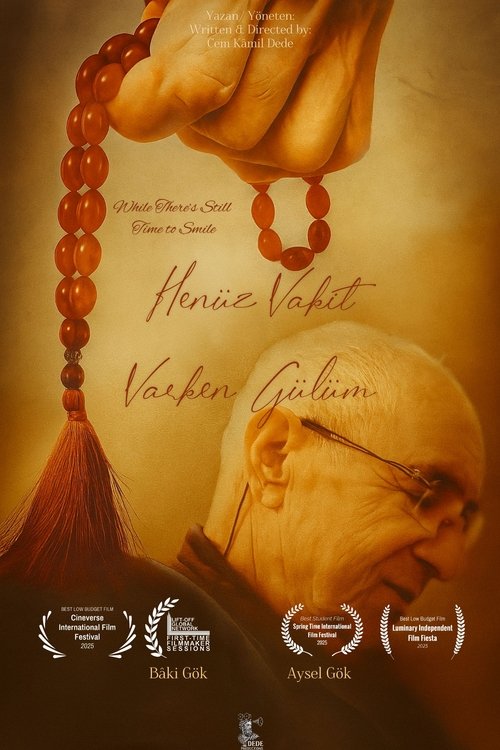
We observe the daily routines of an elderly couple. Within the quiet flow of time, a longing for youth and irretrievable memories begin to surface. This piece reflects the sorrow hidden in the stillness of old age and the deep yearning for the past.
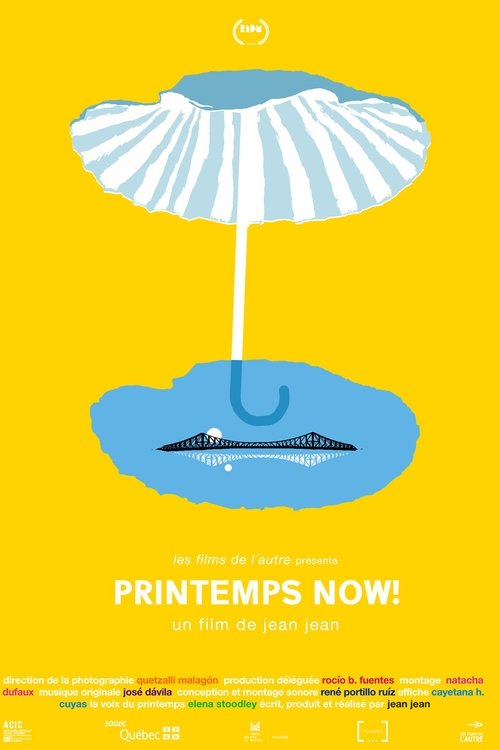
How Montreal is transformed from winter to spring. Inspired by Berlin: Symphony of a great city, Printemps Now! is a cinematographic poem, an audiovisual symphony of the city of Montreal transitioning from winter to spring.
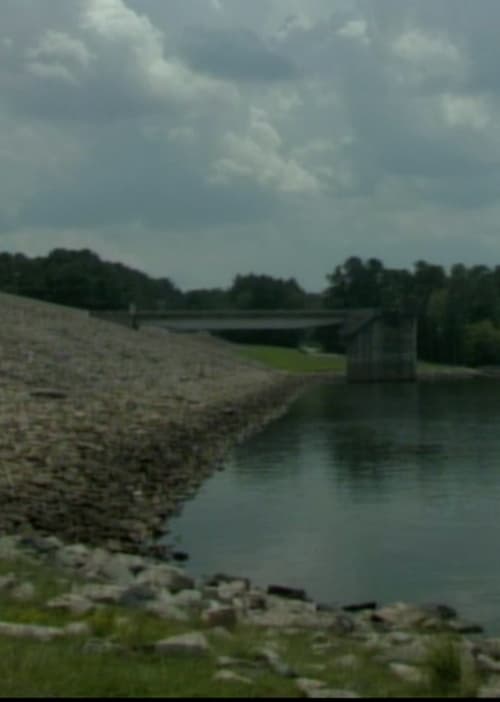
Set at an artificial reservoir in North Carolina, RESERVOIR (SEVEN FRAGMENTS) is a meditation on the unnatural histories of the American environment. The film approaches both the cinematic image and the landscape it captures as damaged, estranged things—things adrift in a world of irreparable discord.
“All that which in Picture is not of the body or argument thereof is Landskip, Parergon, or By-work” (Thomas Blount, Glossographia, 1656).
A documentary film that follows the lives of first-generation retired immigrants living in Finland.
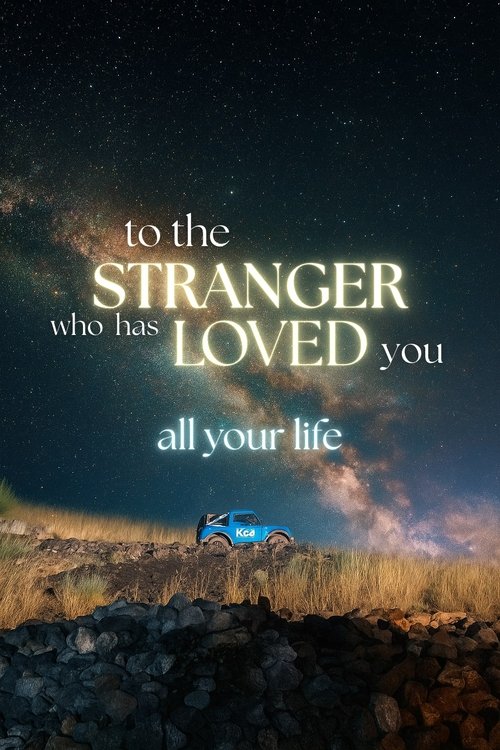
An experimental short film that traces the emotional landscape of life after heartbreak. Through intimate narration and cinematography, the film reflects on time, healing, and the rediscovery of self. A quiet yet cinematic portrait of learning to love the stranger within, and rediscovering the beauty of simply being alive.
Rua de Santa Catarina, a street that was formerly home to dozens of local businesses and hundreds of Porto residents, now sees a crowd of tourists attracted by the cheap, disposable amenities that are popping up everywhere at once. Gentrification has decontextualized Portuguese culture, rendering the landscape uncanny. The Basin Woman, a symbol of the female workers of the historic Bolhão Market, is chased down by seagulls in the midst of this transcendent chaos.
Days slip away in a former baptist church haunted by its past
When the 2004 tsunami hit the coast of Sri Lanka, 65-year-old Anton Ambrose's wife and daughter were killed. "In five minutes," he says, "I lost everything." A year later, Anton returns to Sri Lanka. With him is his nephew, award-winning filmmaker Rohan Fernando. A Tamil, Anton moved to California in the 1970s and became a very successful gynecologist. His daughter, Orlantha, made the opposite journey, returning to Sri Lanka where she ran a non-profit group that gave underprivileged children free violin lessons. Blood and Water is the story of one man's search for meaning in the face of overwhelming loss, but it is also filled with improbable characters, unintentional comedy and situational ironies.
A being from the beyond returns to Chile in 2019, embodied in a worker who dreams of social upheaval. Viral videos intertwine with fiction to narrate the experiences of a polarized country that wanders between drama and absurdity, illusion and failure.
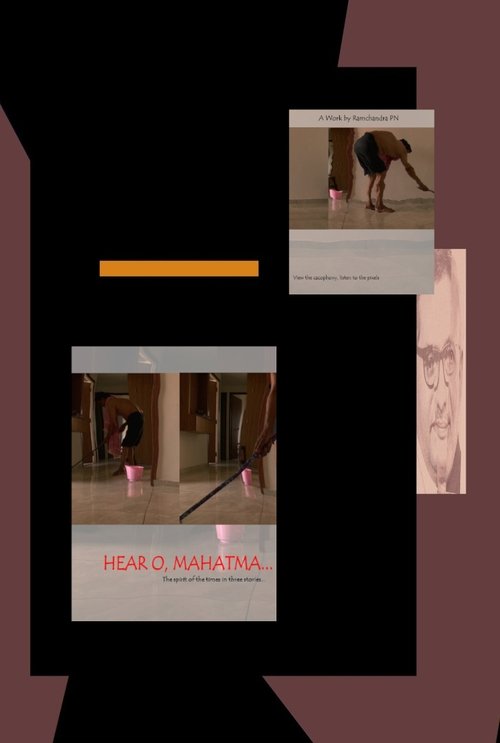
In an open letter to the most influential modern Indian political leader, the Late Mohandas Karamchand Gandhi, the filmmaker sequentially narrates the stories of three distinct individuals - that of a confused filmmaker who flows with time, a dedicated social reformer who guides the stratified masses into social upliftment and a divisive and regressive politician. The juxtaposition of their disfigured trajectories provokes a pertinent question: Did Gandhi ever foresee the dehumanized shape that his legacy has now dangerously morphed into?
This experimental film takes a closer look through the entomologist's lens at the cyclical behavioural patterns linking humans to the insect world. Just as the fig wasp inevitably finds death in the pollination of the fig tree flower, we too are thrown into the dance of passion and death. Drawn by the seductive scent of allurement and the inevitability of the final end.
Some spaces draw attention, as if they evoke something that’s about to happen. These are the places where we escape when we dream or die. The only thing that exists is time; we wait for the moment to arrive.
A contrast between two kinds of attitudes to gay liberation in Adelaide.