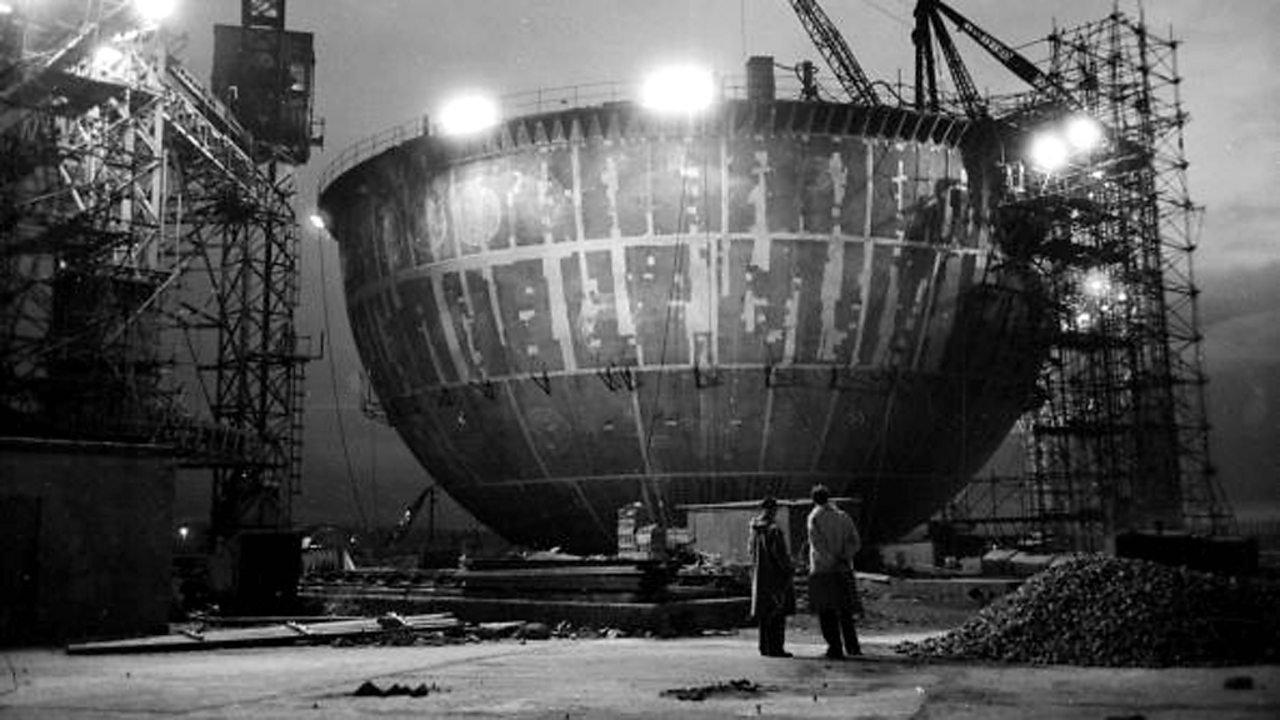
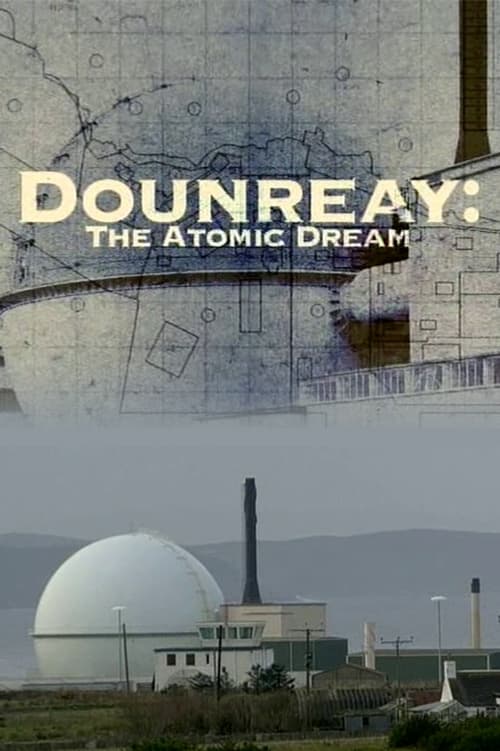
Documentary telling the story of the rise and fall of a daring experiment into atomic energy as the history of the Dounreay fast reactor is charted by the pioneers involved.
No Trailers found.
An account of the last two centuries of the Anthropocene, the Age of Man. How human beings have progressed so much in such a short time through war and the selfish interests of a few, belligerent politicians and captains of industry, damaging the welfare of the majority of mankind, impoverishing the weakest, greedily devouring the limited resources of the Earth.
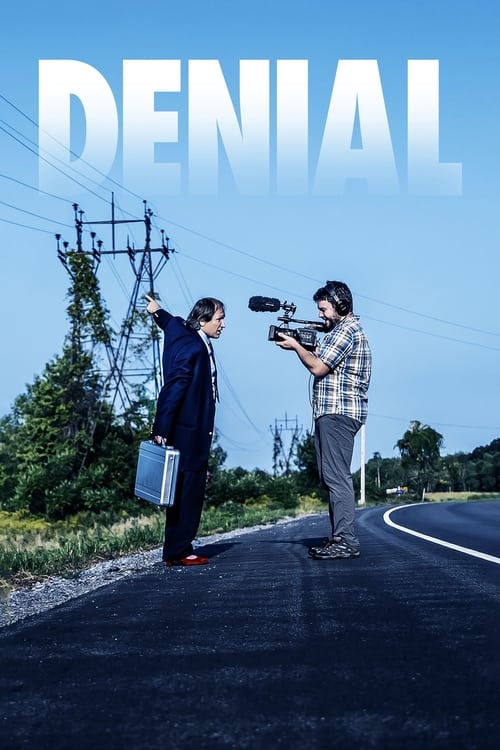
Every day our changing climate pushes us closer to an environmental catastrophe, but for most the problem is easy to ignore. David Hallquist, a Vermont utility executive, has made it his mission to take on one of the largest contributors of this global crisis-our electric grid. But when his son Derek tries to tell his father's story, the film is soon derailed by a staggering family secret, one that forces Derek and David to turn their attention toward a much more personal struggle, one that can no longer be ignored. - Written by Aaron Woolf
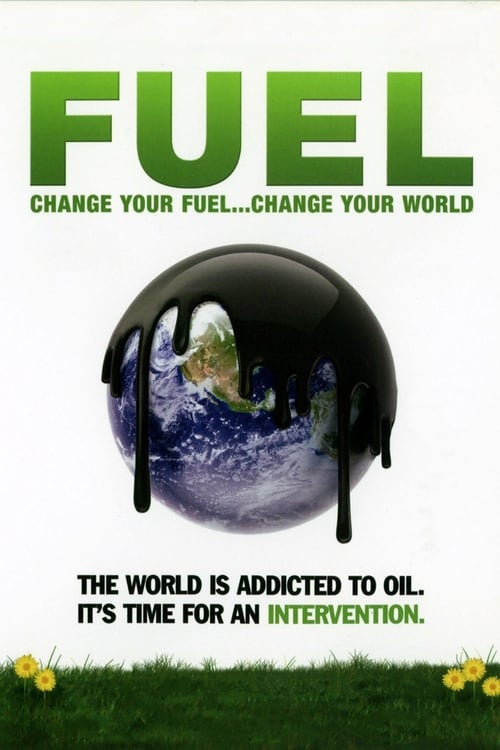
Record high oil prices, global warming, and an insatiable demand for energy: these issues define our generation. The film exposes shocking connections between the auto industry, the oil industry, and the government, while exploring alternative energies such as solar, wind, electricity, and non-food-based biofuels.
A feature documentary about the journey of mankind to discover our true force and who we truly are. It is a quest through science and consciousness, individual and planetary, exploring our relationships with ourselves, the world around us and the universe as a whole.
Tar Creek is an environmentally devastated area in northeastern Oklahoma with acidic creeks, stratospheric lead poisoning and enormous sinkholes. Nearly 30 years after being designated as a Superfund cleanup program, residents are still struggling.
The story of the early Canadian oil industry from its start in Petrolia and Oil Springs, Ontario, from about 1850 to 1900. Dramatic re-creations blend with archival photographs and diaries to tell the rags-to-riches-to-rags tale of a boom that went bust.
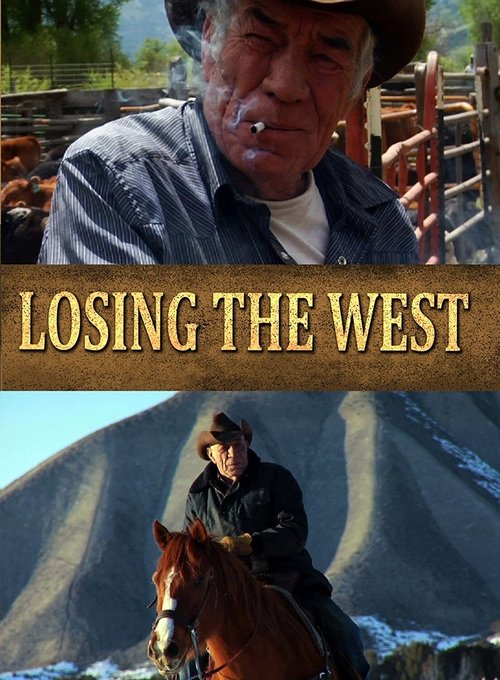
"Losing The West" is a documentary film that promotes small ranching and farming, as told through the eyes of a 70-year-old Native American cowboy. The film was shot primarily in Colorado. The director was born in Denver and owns a small ranch near Ridgway, Colorado.
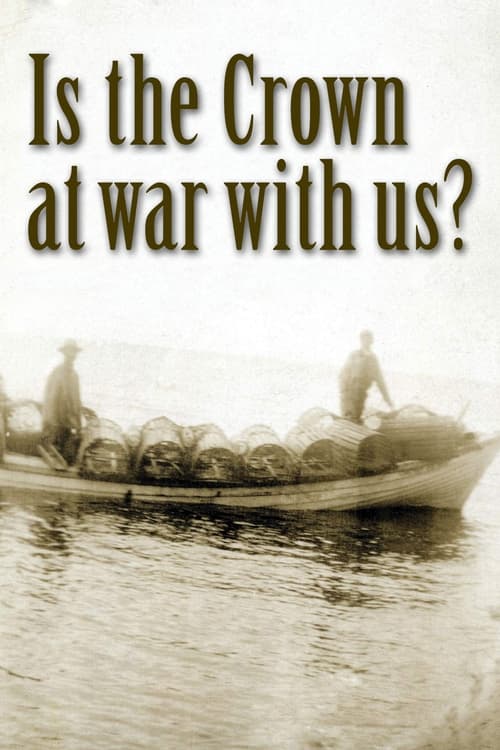
In the summer of 2000, federal fishery officers appeared to wage war on the Mi'gmaq fishermen of Burnt Church, New Brunswick. Why would officials of the Canadian government attack citizens for exercising rights that had been affirmed by the highest court in the land? Alanis Obomsawin casts her nets into history to provide a context for the events on Miramichi Bay.
This short documentary is a celebration of life on planet Earth. Made from haunting visual images selected from 50 years of NFB productions, the film looks at human beings, their place on earth, and their deep interconnection with all other beings. Evocations of forces that threaten the planet and all its inhabitants also offer avenues for reflection.
It has been described as a once in a generation piece of environmental legislation and is key to the government’s commitment to be the first generation to leave the environment in a better state than that in which we found it. The Environment Act passed into law on 9 November 2021 – more than 1,000 days and three Parliaments since its first draft was published in 2018. Its journey was tumultuous, and its fate, at times uncertain. In this documentary, ENDS Report speaks to politicians and environmental policy experts to get the inside story on how this landmark piece of legislation was created – and finds out what the act’s architects think of it now.
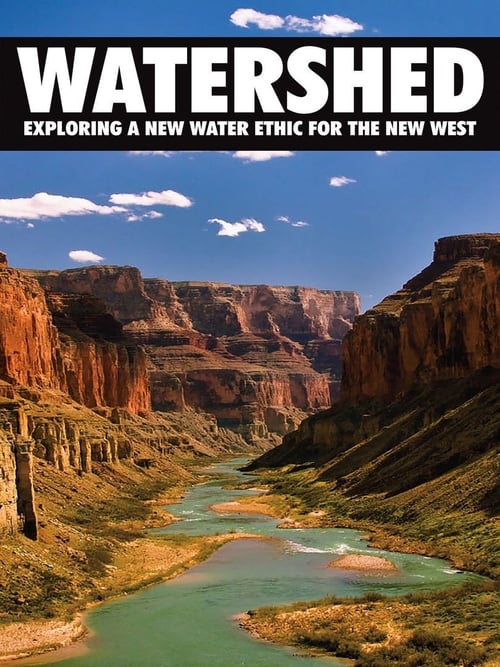
As the most dammed, dibbed, and diverted river in the world struggles to support thirty million people and the peace-keeping agreement known as the Colorado River Pact reaches its limits, WATERSHED introduces hope. Can we meet the needs of a growing population in the face of rising temperatures and lower rainfall in an already arid land? Can we find harmony amongst the competing interests of cities, agriculture, industry, recreation, wildlife, and indigenous communities with rights to the water? Sweeping through seven U.S. and two Mexican states, the Colorado River is a lifeline to expanding populations and booming urban centers that demand water for drinking, sanitation and energy generation. And with 70% of the rivers’ water supporting agriculture, the river already runs dry before it reaches its natural end at the Gulf of California. Unless action is taken, the river will continue its retreat – a potentially catastrophic scenario for the millions who depend on it.
An enlightening investigative report on Rosatom, Russia's powerful atomic energy agency and Vladimir Putin's formidable geopolitical tool for increasing his influence around the world.
In this detective story, filmmaker Cullen Hoback investigates the largest chemical drinking water contamination in a generation. But something is rotten in state and federal regulatory agencies, and through years of persistent journalism, we learn the shocking truth about what’s really happening with drinking water in America.
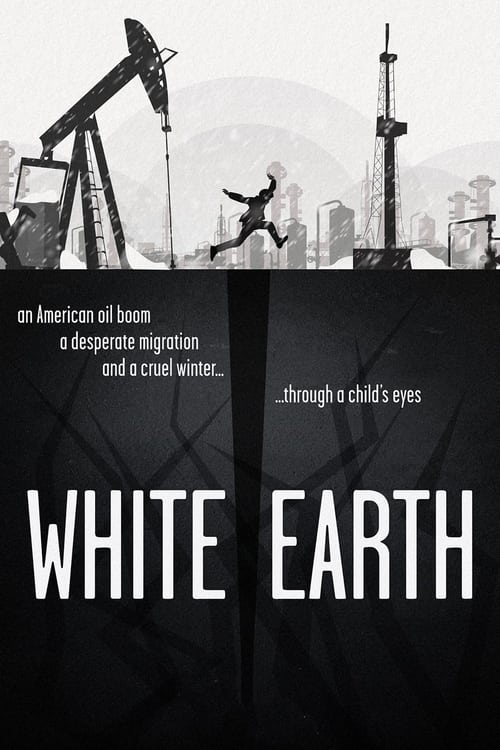
An oil boom has drawn thousands to America’s Northern Plains in search of work. Against the backdrop of a cruel North Dakota winter, the stories of three children and an immigrant mother intertwine among themes of innocence, home, and the American Dream.
What happens to two dying coal towns in British Columbia when an American corporation provides a contract for millions of tons of coking coal? The film follows the consequences for the towns of Natal and Michel, suggesting that industrial growth has its price, especially with regard to the environment.
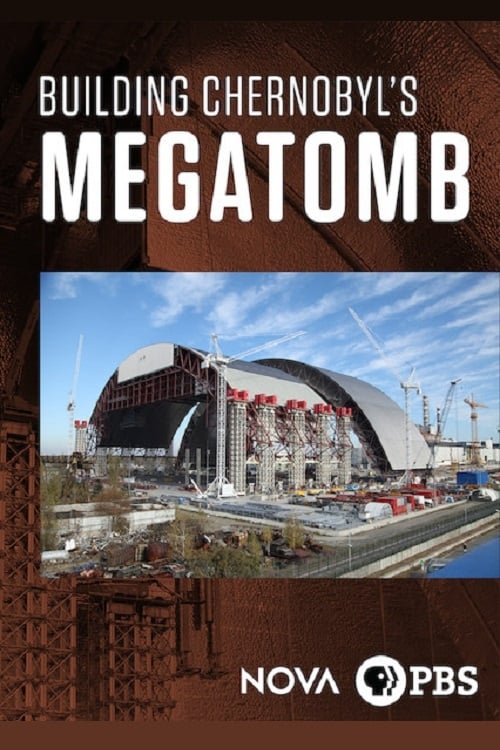
Documentary which follows the construction of a trailblazing 36,000-tonne steel structure to entomb the ruins of the nuclear power plant destroyed in the 1986 Chernobyl disaster.
No overview available.
In a contemporary reimagining of the American West, three young women - a snake hunter, a New York artist, and a rodeo queen - challenge the idea of who is permitted to be a cowgirl.
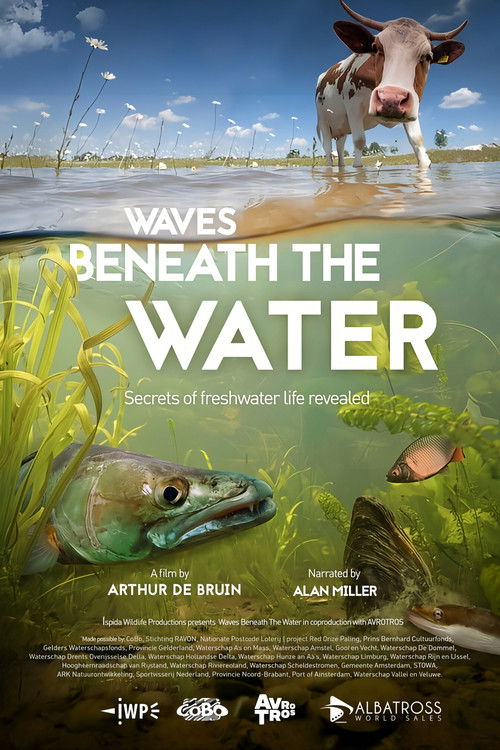
A journey into the hidden world of the Netherlands, beneath the water's surface, where extraordinary creatures inhabit a wondrous habitat. Thirty years ago, filming there would have been unthinkable: the polluted, murky waters were devoid of life. Now, the many efforts to protect the environment are paying off...
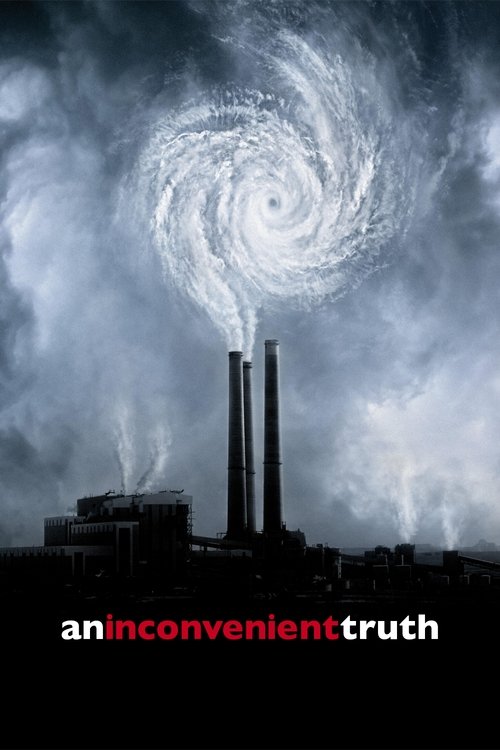
A documentary on Al Gore's campaign to make the issue of global warming a recognized problem worldwide.
Self - Narrator (voice)