A colourful miscellany of footage from both sides of the Pennines.
No Trailers found.
A day in the city of Berlin, which experienced an industrial boom in the 1920s, and still provides an insight into the living and working conditions at that time. Germany had just recovered a little from the worst consequences of the First World War, the great economic crisis was still a few years away and Hitler was not yet an issue at the time.
No overview available.
Five women veterans who have endured unimaginable trauma in service create a shared sisterhood to help the rising number of stranded homeless women veterans by entering a competition that unexpectedly catalyzes moving events in their own lives.
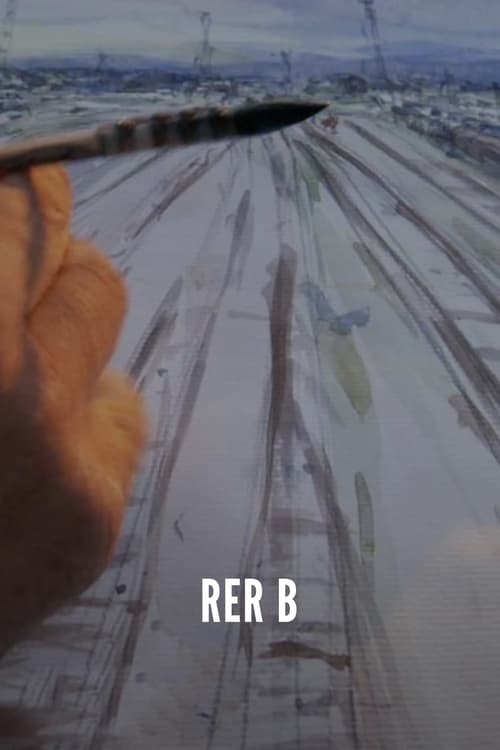
Alice Diop's enchanting short film, a work of transcendent transformation, shows how the rough lines of Drancy station are immortalized in watercolor by the French artist Benoît Peyrucq. A tribute to a location fraught with historical and contemporary poignancy.
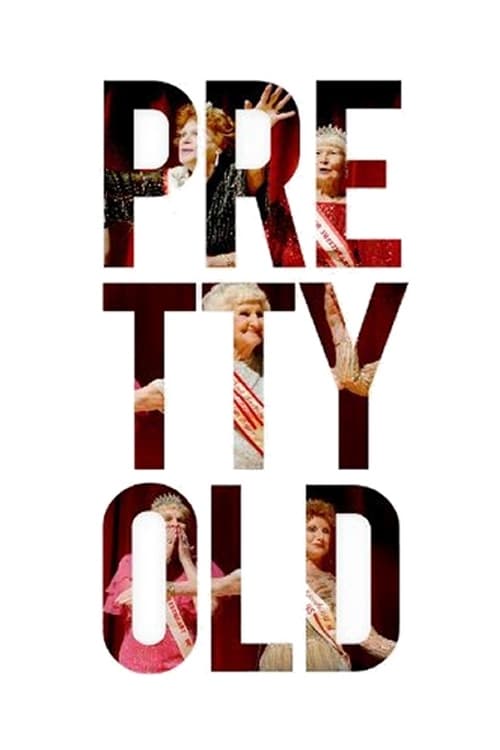
When 30 women aged 67 - 84 from across America and around the world descend on Fall River, Massachusetts to compete in the 30th anniversary Ms. Senior Sweetheart Pageant, hilarity and heartbreak ensue.
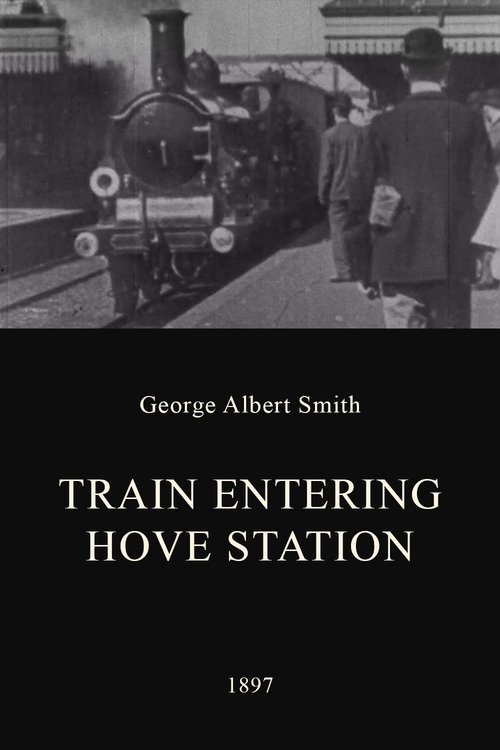
Most movie fans know that the first filmmakers liked to shoot trains entering stations. This example by Sussex film pioneer George Albert Smith illustrates why. The train's rush towards the audience brings movement and visual drama. The flurry of human activity offers plenty for the audience to engage with - who are these people and where are they going? And the time pressure exerted by the fact that the train must soon depart adds narrative tension - will everyone get on and off in time?
An experiment with three dimensions in a moment of clarity: the focus of the camera's lens towards the present, the speed of the train and the material world distorted by the movements of the train.
A documentary about the hard work of railwaymen transporting coke from Tarnowskie Góry to Szczecin Iron works.
Celebrating 200 years of rail, Guy helps to rebuild, and learns to drive, the world’s most important train for a recreation of the journey that changed history: the Stockton to Darlington Railway
On the Train captures from the birth to the last moment of the railway, 98.2 kilometers long and opened in 1992, crossing southern Taiwan.
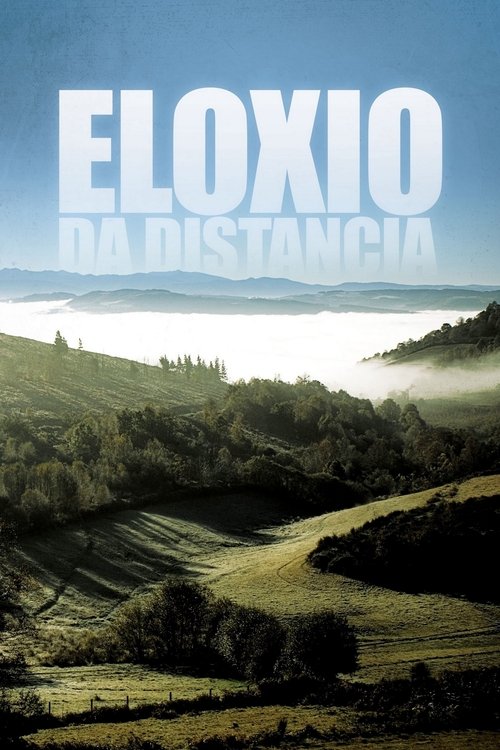
Province of Lugo, Galicia, Spain. A year in the life of A Fonsagrada, a rural region whose inhabitants live both near and far from urban civilization; a praise of the distance that crosses the four seasons of the year, whose inevitable passage transforms both the natural environment and the existence of people, a simple, dignified and peaceful existence.
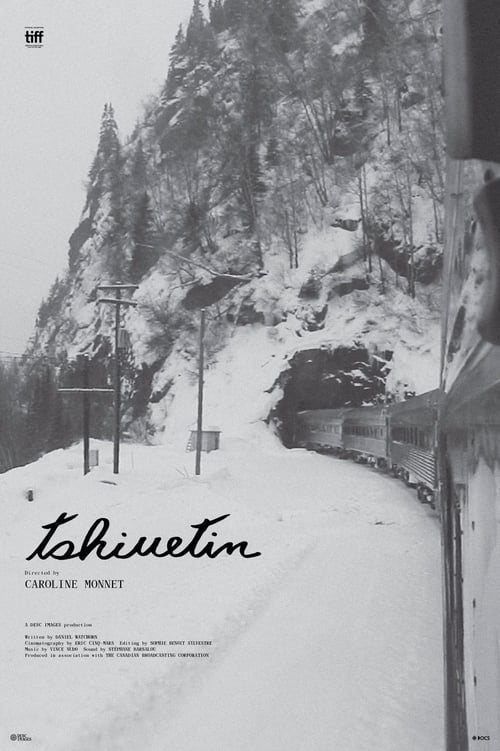
Take a breathtaking train a ride through Nothern Quebec and Labrador on Canada’s first First Nations-owned railway. Come for the celebration of the power of independence, the crucial importance of aboriginal owned businesses and stay for the beauty of the northern landscape.
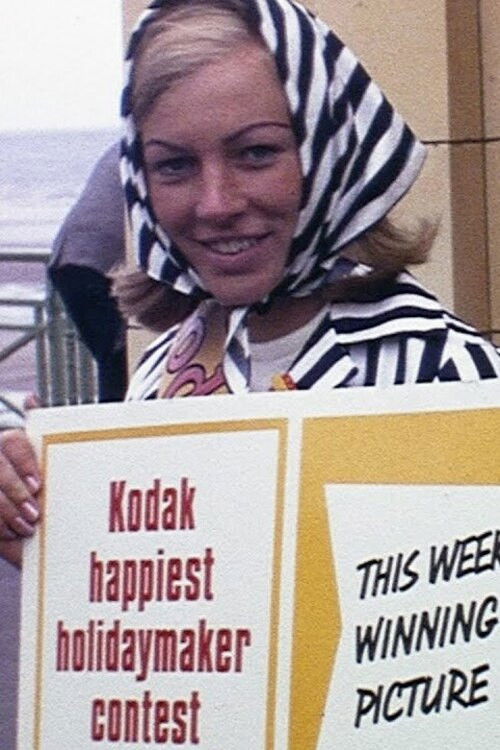
Charming 60s travelogue inviting us to enjoy the delights of Eastbourne, where the sun always shines!
The film follows the Miss contest season in Brasilia and satellite cities of the Federal District in the year 2010, revealing the contradictions behind the catwalks of fashion.
Between one carriage and another, passengers tell their stories over a train journey.
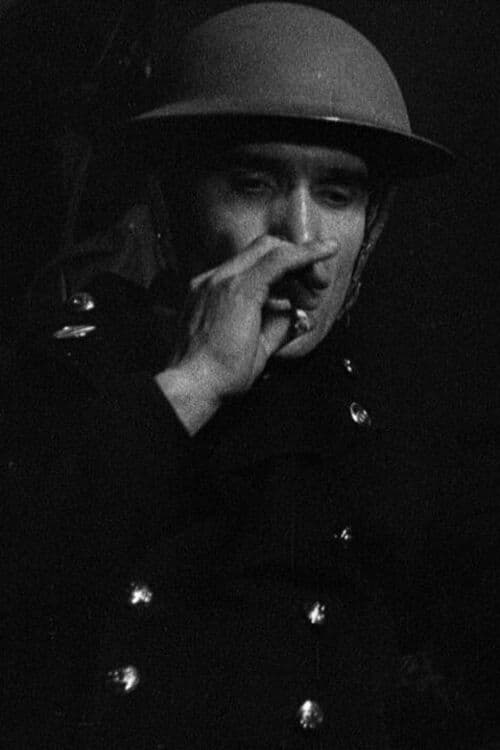
The story of how newspapers were distributed during the Blitz, stressing the importance of an accurate and objective press on the home front.
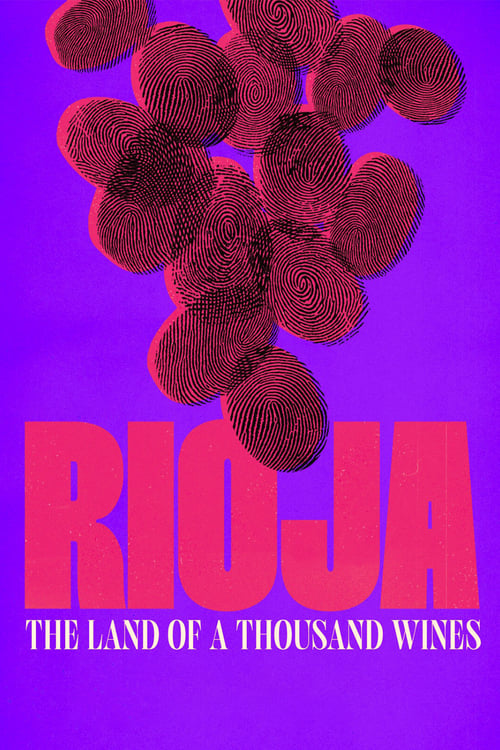
By telling the human stories behind the entire value chain that gives life to the Spanish wine with the greatest international projection, ‘Rioja, Land of the Thousand Wines’ portrays a currently blooming wine region underpinned by the talent and the work of the new generations of winemakers that operate side by side with the region’s historic wineries. The film puts the focus on the match between territory and product, wisdom and tradition, and lays a bridge between the origins and the future of Rioja. An immersion into a fascinating world that, through captivating cinematography and careful editing, attempts to find the keys to understanding what Rioja wine is and what makes it so special.
Currently Mongolia’s capital has 1.5 million inhabitants - half the population of the country. 50-year Tumurbaatar is only one of many coming to the city to fulfil their dreams of a better life.
A production from the Pennsylvania Railroad outlining the advancement of the country on the back of the locomotive.
No Cast found.