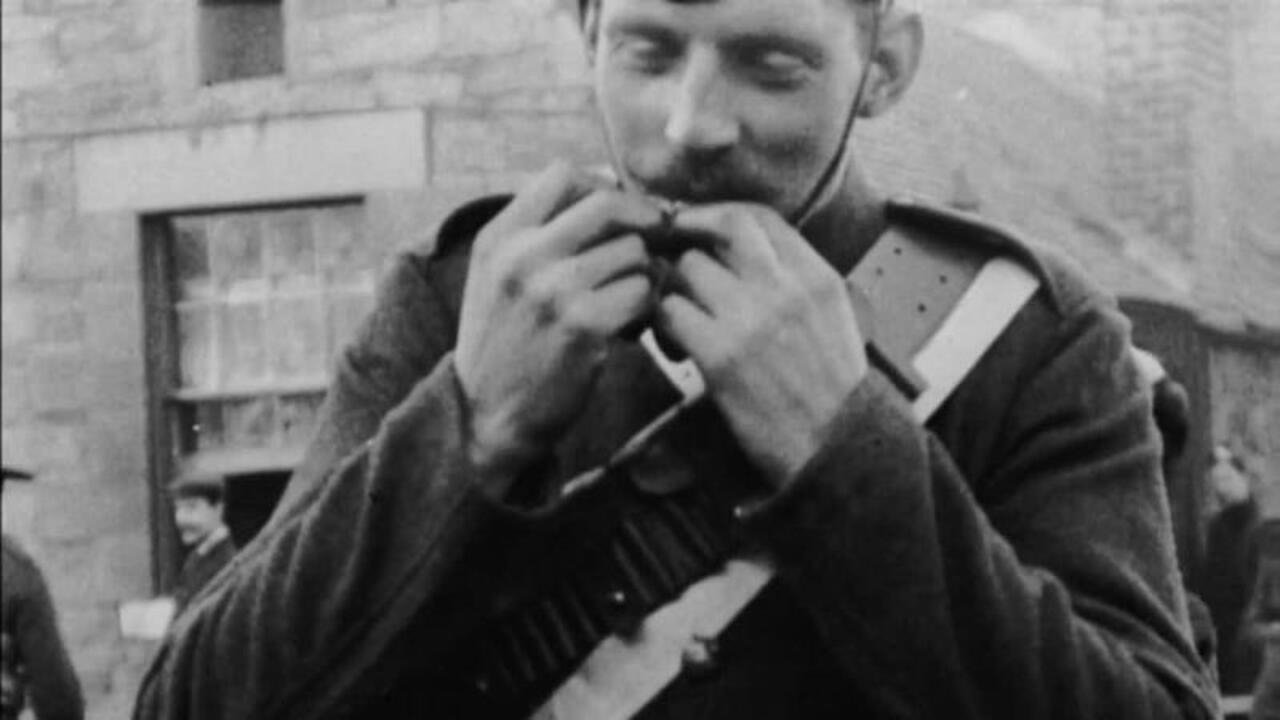
Troops play up for the camera in the shadow of Edinburgh Castle.
No Cast found.
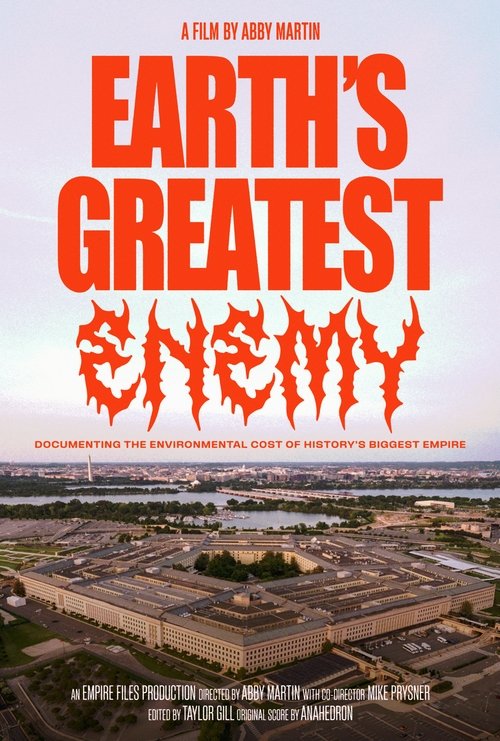
In Abby Martin's second feature documentary, Earth’s Greatest Enemy reveals a hidden truth behind the climate crisis: the role of the U.S. military as the world’s largest institutional polluter. Drawing on powerful testimonies from veterans, scientists, and frontline communities, it uncovers how military operations poison ecosystems, accelerate global warming, and sacrifice the future for endless expansion. From Alaska’s melting glaciers to contaminated bases across the U.S. and toxic battlefields abroad, Earth’s Greatest Enemy delivers a provocative and unflinching examination of the untouchable institution playing an outsized role in the climate crisis.
This episode from the Czech Journal series examines how a military spirit is slowly returning to our society. Attempts to renew military training or compulsory military service and in general to prepare the nation for the next big war go hand in hand with society’s fear of the Russians, the Muslims, or whatever other “enemies”. This observational flight over the machine gun nest of Czech militarism becomes a grotesque, unsettling military parade. It can be considered not only to be a message about how easily people allow themselves to be manipulated into a state of paranoia by the media, but also a warning against the possibility that extremism will become a part of the regular school curriculum.
A powerful and poignant film in which families and friends of those who have died fighting in Afghanistan and Iraq talk openly about their loved ones and their grief. Epic in scale and spanning seven years of war, this landmark three-hour film gives a rare insight into the personal impact and legacy of this loss.
Mike Brewer sets off on a journey of discovery to find out the story of one of the most remarkable aircraft in the British Armed Forces: a Chinook helicopter code named Bravo November. By doing so he examines the invaluable contribution that these helicopters have made to campaigns from the Falklands War to modern day British Military service over the past thirty years.
Exploring the relationship between woman and dog, CORPSMAN shows the impact a service dog has on one veteran's ability to heal from the physical and moral injuries acquired while serving in the U.S. Military and in war.
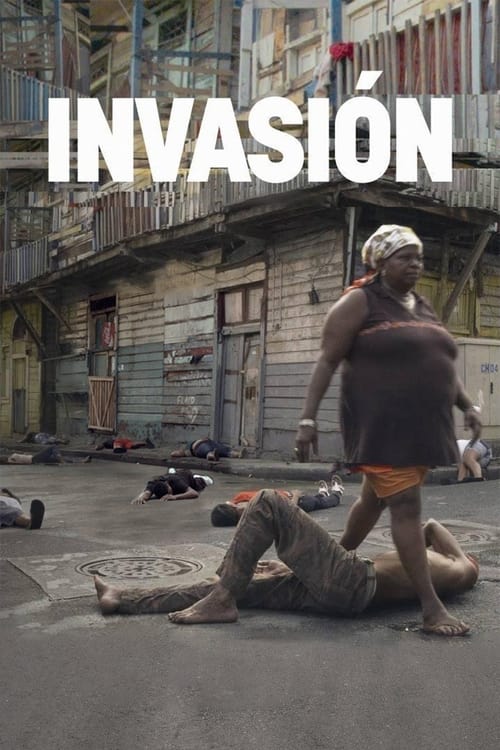
INVASION is a documentary about the collective memory of a country. The invasion of Panama by the U.S in 1989 serves as an excuse to explore how a people remember, transform, and often forget their past in order to re-define their identity and become who they are today.
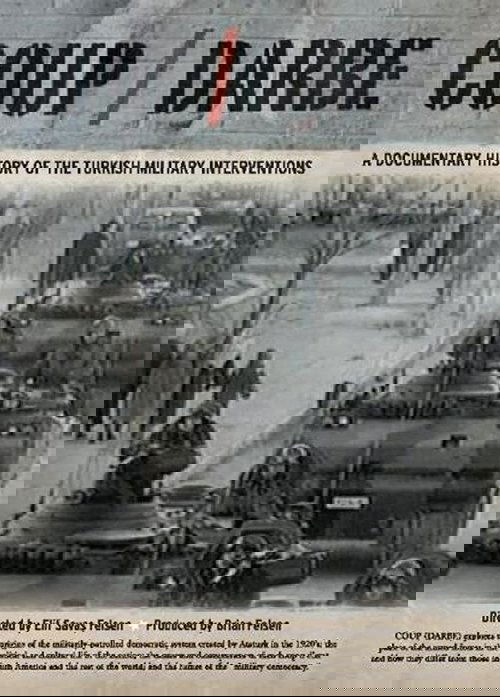
A documentary film about the 1960, 1971, 1980, and 1997 military interventions and coups d'etat in Turkey.
The movie depicts the events from July until September of 1914 which led to the defeat of the German troops at the Marne. While Sebastian Haffner explains and comments on operations and decisions on the basis of situation maps, key scenes are depicted by actors. A main focus is thereby placed by Haffner onto the controversial mission of lieutenant-colonel Richard Hentsch who is said to have, during a war patrol to the various army high commands, contributed to the abortion of the operations significantly.
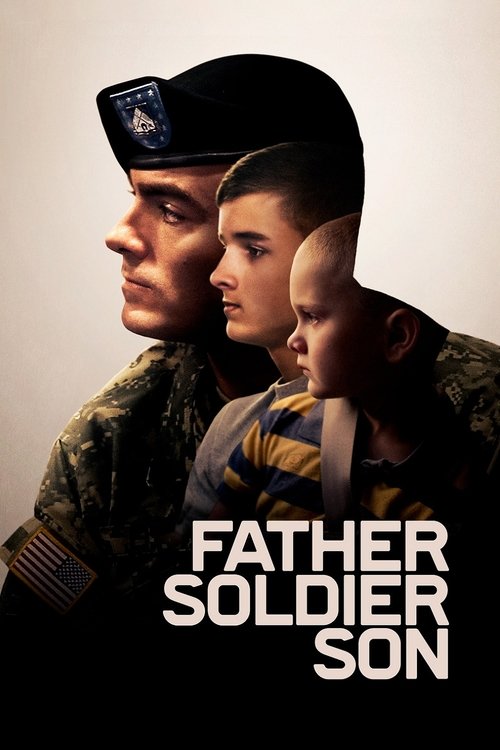
When Sgt. First Class Brian Eisch is critically wounded in Afghanistan, it sets him and his sons on a journey of love, loss, redemption and legacy.
This fascinating musical exploration of Scotland retraces the journey taken in 1829 by acclaimed composer Felix Mendelssohn, which inspired some of his most famous works, such as the "Scottish" Symphony and "The Hebrides" overture. Travel from the majestic sites of the historic Edinburgh Castle, Scott Monument and Palace of Holyrood to the picturesque island of Staffa, home of the legendary Fingal's Cave.
The screen legend conducts a personal tour of the great city that shaped him.
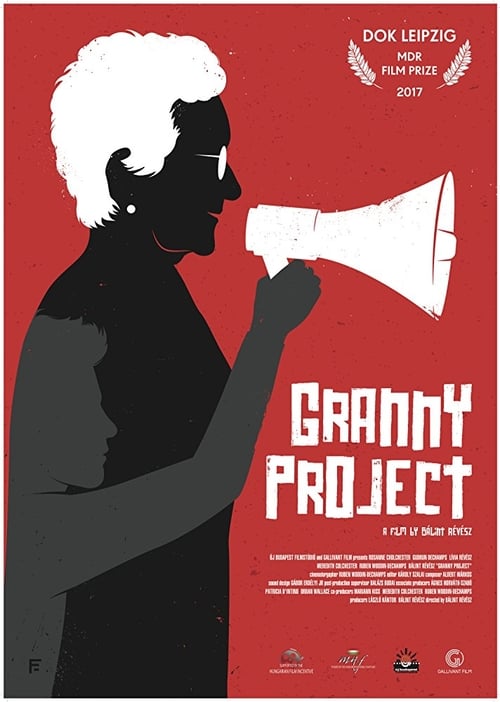
Three charming 20-something grandsons take a unique journey with their grannies to discover their historic and personal legacies through stories from the Second World War. Three grandsons embark an anarchic journey into the past – a complex road movie about intergenerational dialogue in Great Britain, Germany and Hungary. Granny Project is a seven-year-long investigation of three young men coming to terms with their heritage through the extraordinary lives of their grandmothers: an English spy, a dancer from Nazi Germany and a Hungarian communist Holocaust survivor. The film deals with classic values and taboo-like historical topics, and the method used is equally important as it gives an insight to the zeitgeist of the young today.
A "What if?" alternative history sees Nazi Germany prevailing in the second World War. First the occupiers establish their power bases, before they find themselves under attack from the underground resistance.
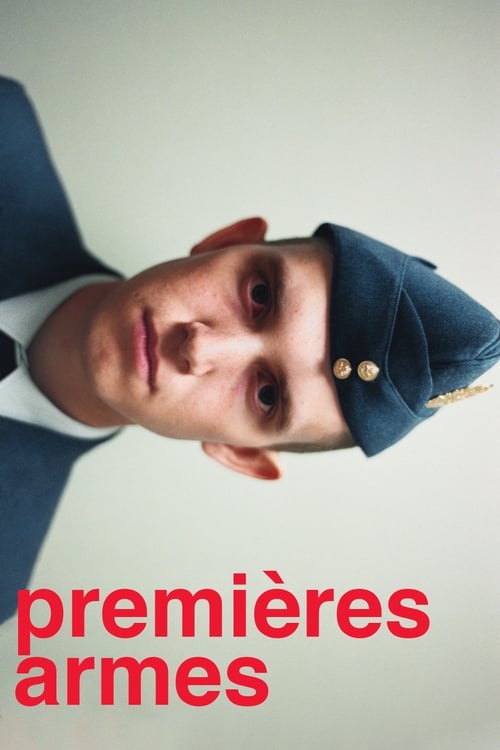
As they undergo 12 weeks of intensive training, a group of young civilians is gradually moulded into soldiers. The Basic Training, a prerequisite for joining the Canadian Armed Forces, becomes the gateway to exploring the inner workings of a world governed by its own rules and values.
In 2013, Dima Ilukhin, the cousin of the film’s director and a soldier in the Russian army, died on duty in the Republic of Dagestan in the North Caucasus. He was 21 years old. This incident marks the starting point for Abaturov’s reflection on the military. He films the training of new recruits in Siberia, as they bid farewell to their mothers and girlfriends, learn the mechanics of a Kalashnikov, or how to throw a hand grenade and administer first aid. While his parents try to cope with their loss, Dima’s former fellow recruits have to return to battle.
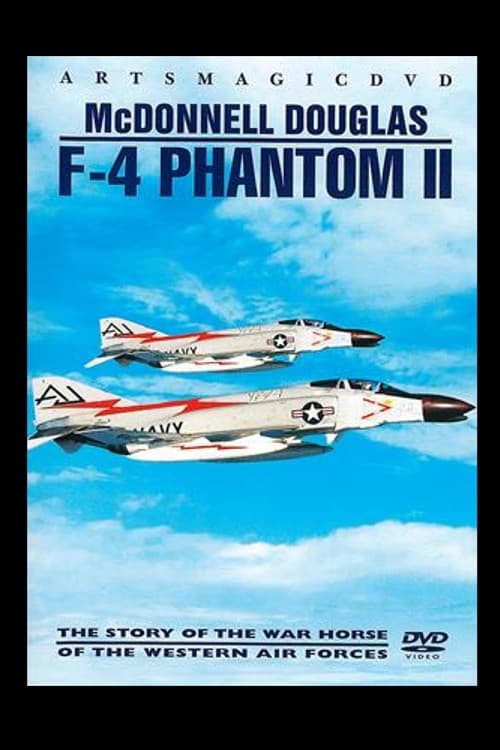
Modern and historic footage tells the story of the war horse of the 12 Western air forces. The carrier-based Phantom II won its spurs in Vietnam where its extraordinary capabilities led to adaptation for land-based rolls ranging from ground attack through battlefield reconnaissance to defense suppression. McDonnell Douglas F-4 Phantom II covers the first development of the type and its powerful engine and includes a walk-round of an F-4B. The Phantom then joins the fleet and US Navy, US Marine Corps and US Air Forces machines see action in Vietnam.
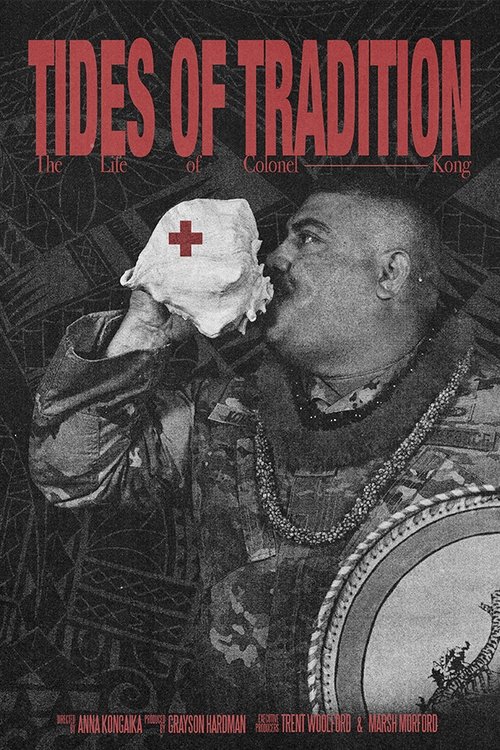
Robert Kongaika runs from his family to join the military and becomes the first Tongan US Air Force Colonel. This is the true story of the island traditions, faith, and family that made him into the father he is today.
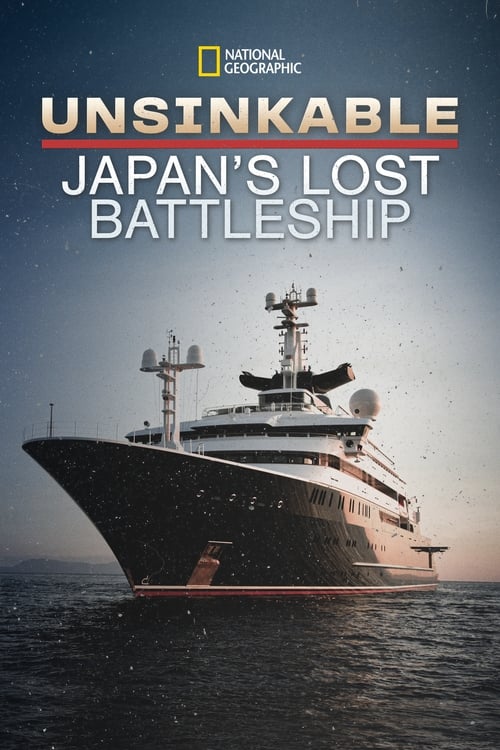
October 24, 1944, the world’s greatest battle at sea begins in the Philippines. Japan’s navy gambles on a decisive victory against the United States to turn the tide of World War II. Instead, Musashi, its top-secret super battleship, ends up at the bottom of the ocean.
No overview available.
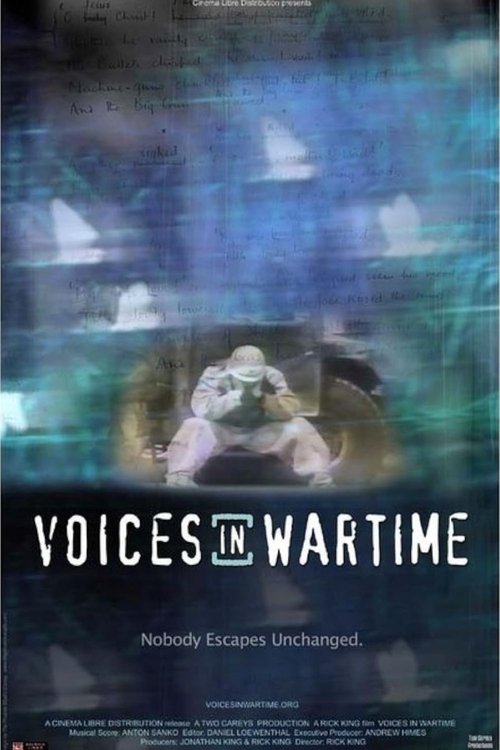
Voices in Wartime is a 2004 documentary that explores the human experience of war through poetry. Combining interviews with soldiers, journalists, and historians, it reveals how war affects individuals and societies across time and place. The film features poets from around the world – from Homer and Wilfred Owen to Shoda Shinoe and modern writers in Iraq and Nigeria – showing how poetry expresses the pain, trauma, and truth of conflict. By linking verse with real-life accounts, Voices in Wartime highlights how poetry helps us understand the emotional and moral impact of war.
No Trailers found.