A searing examination of the contamination that sparked an international catastrophe and the decades’ long battle with some of the world’s largest chemical companies for justice and compensation.
Trailer
Self
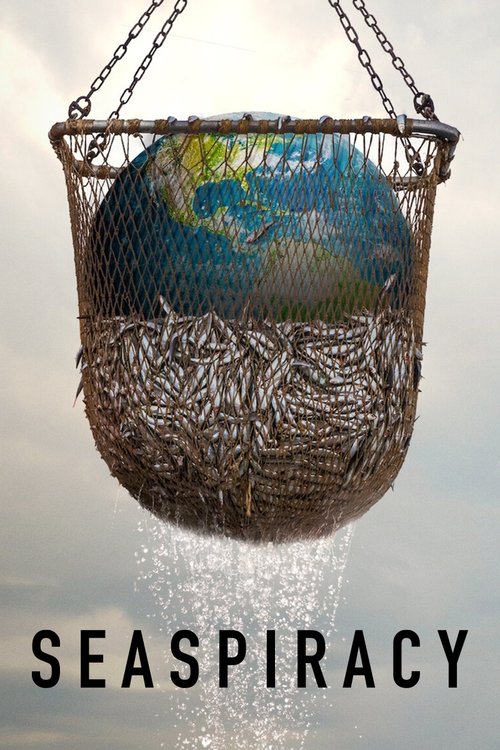
Passionate about ocean life, a filmmaker sets out to document the harm that humans do to marine species — and uncovers an alarming global conspiracy.
Ben Fogle spends a week living inside the Chernobyl Exclusion Zone, gaining privileged access to the doomed Control Room 4 where the disaster first began to unfold.
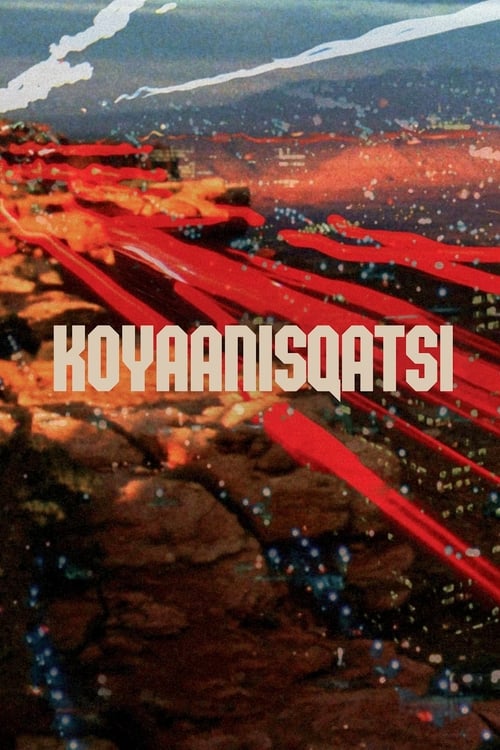
Takes us to locations all around the US and shows us the heavy toll that modern technology is having on humans and the earth. The visual tone poem contains neither dialogue nor a vocalized narration: its tone is set by the juxtaposition of images and the exceptional music by Philip Glass.
Cuviví is the Ecuadorean indigenous name for the upland sandpiper, a wading bird that has special significance for the communities living around the Ozogoche lakes in the middle of the Andes. Each year, these birds migrate south from North America. Around September they pass the Ozogoche lakes, where large numbers then “commit suicide,” plunging from great heights into the ice-cold water. A girl lives near the lake. Her uncle lives in the US, and she might be heading there herself. In the meantime, she awaits the arrival of the cuvivís, few of which have appeared in recent years. The lakes are drying up.
The Road Forward is an electrifying musical documentary that connects a pivotal moment in Canada’s civil rights history—the beginnings of Indian Nationalism in the 1930s—with the powerful momentum of First Nations activism today. Interviews and musical sequences describe how a tiny movement, the Native Brotherhood and Sisterhood, grew to become a successful voice for change across the country. Visually stunning, The Road Forward seamlessly connects past and present through superbly produced story-songs with soaring vocals, blues, rock, and traditional beats.
This film takes us on an emotional journey from sacred ground above Byron Bay to Antarctica, Indonesia to Pakistan, and is sure to light a fire under the strongest climate change denier. THE POWER OF ACTIVISM focuses on six highly spirited female activists as they are put under the microscope to ascertain the financial impact of their environmental solutions… and the results are astonishing. From shark conservation to indigenous practices, intensive farming to plastic pollution; all their ‘causes' fall under the umbrella of "climate change", but they should also fall under the umbrella of "saving tax payers hundreds of millions of dollars!”
Manifesto of the Pataxó tribe, with the testimony of the chief José Guajajara, in front of the Monument to Estácio de Sá, where the Tamoios massacre took place in 1567, on the coincident day that celebrates the foundation of the city of Rio de Janeiro, 20 January.
Photo poetry of Bunchanawingʉmʉ Jesús Camilo Niño Izquierdo' piece of lost feelings in the Arhuaco Indigenous Reservation, northern Colombia.
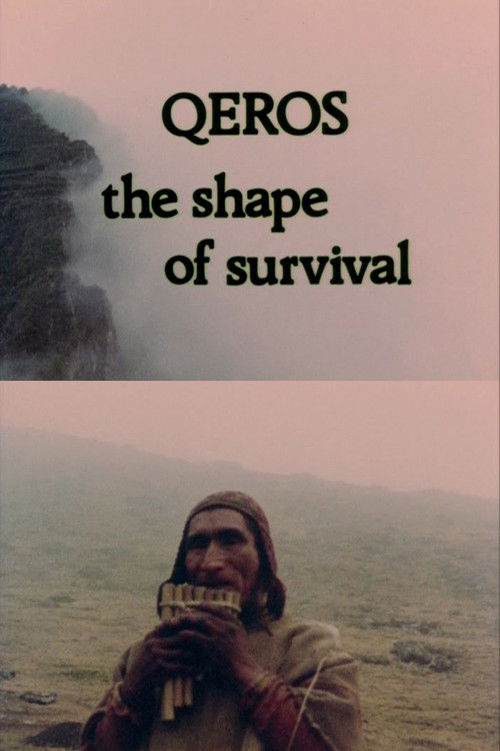
Exploration of the way of life of the Q’eros Indians of Peru, who have lived in the Andes for more than 3,000 years.
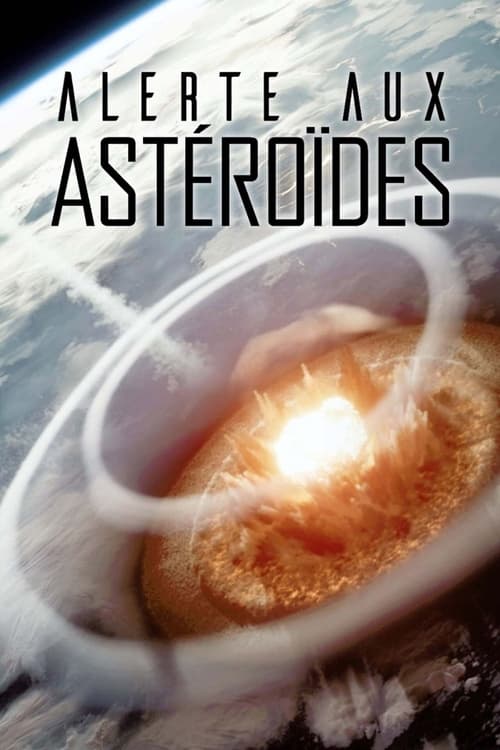
Faced with the risk of collision with the Earth, space agencies are refining their observations on the course of asteroids in our galaxy. A documented state of the art of the current programs.
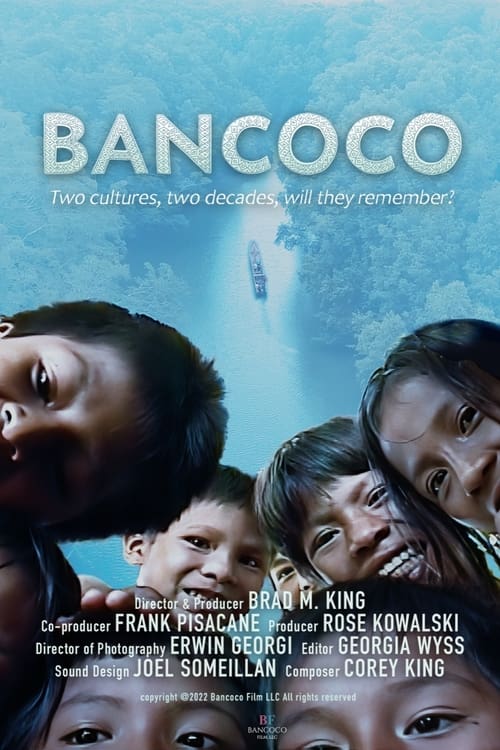
A New Yorker journeys to the jungle in the Darien Gap of Panama to reconnect with an indigenous tribe he met and photographed 20 years ago. Their reunion highlights the profound power of photos and the human connection that transcends cultural barriers.
A stunning and intimate portrait of the Arhuaco indigenous community in Colombia. In 1990, in a celebrated BBC documentary, the Arhuaco made contact with the outside world to warn industrialized societies of the potentially catastrophic future facing the planet if we don’t change our ways. Now, three decades later, with the advances of audio/visual technology, we go back to the Snowy Peaks of Sierra Nevada de Santa Maria to illuminate their ethos against the backdrop of an increasingly fragile world.
The elders of the Kichwa community of Sarayaku preserve the history of their land for the youngest. They save the knowledge of their traditions against modernity and the invasion of their territory.
Violent squalls, hail, waterspouts, lightning... storms put animals and plants to the test. At a time when climate change is multiplying extreme weather events, this documentary plunges into the heart of a storm, from the heavy, dry atmosphere that precedes it to the deluge that follows.
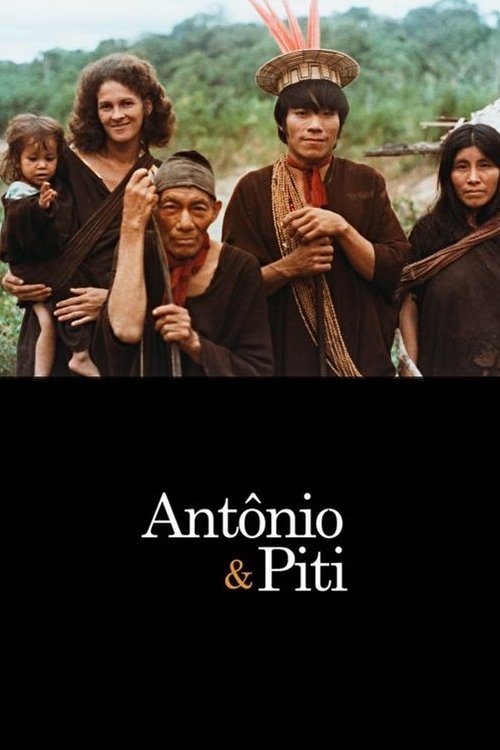
Thirty years ago, a rubber company enslaved a group of Asháninka people, manipulating them into tapping the trees in the lush borderland between Peru and Brazil. The company was expelled by a coalition of Indigenous and non-Indigenous people, led by one mixed race couple. Now the adult children of this marriage combat political corruption and ongoing environmental disaster.
No overview available.
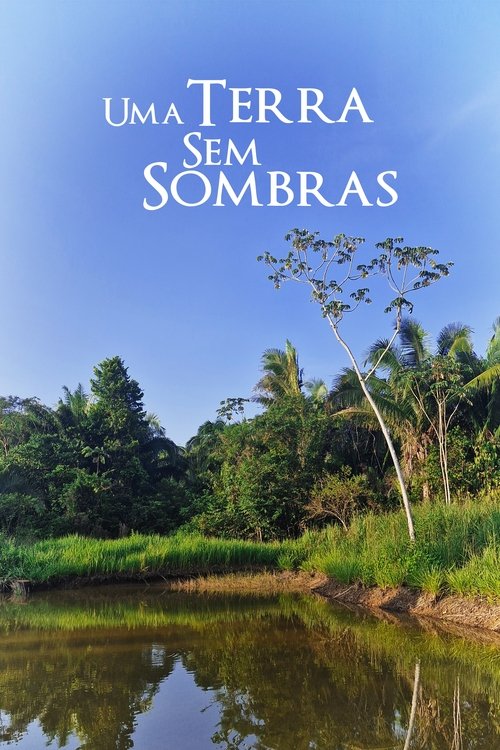
The Guarani people have searched for a land without shadows for a hundred years. The beauty in their home is precious and undeniable, but climate change threatens to ruin this special place.
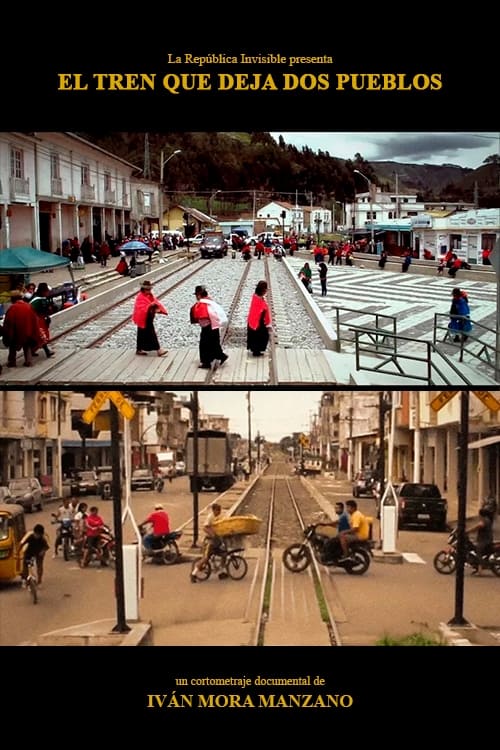
In Ecuador, in a single day, the train passes from the mountainous Andes to the tropical coast. The roads were built between 1861 and 1908 to connect the country. Until this date, the two regions live as separate countries, although the roads connect them in less than a day. The film is an observational work that talks about space and collective memory.
An explosion in one of the largest chemical plants in Europe, the Petrochemical complex in Tarragona, triggers the labour struggle of a group of workers who demand what is fair for everyone.
In a remote Peruvian city, lives Honorata Vilca, an illiterate woman of Quechua descent who sells candies more than 20 years ago, with the rain will cry to the sky itself.