A visit to Peterlee, Co. Durham.
No Cast found.
No Trailers found.
In Uganda, AIDS-infected mothers have begun writing what they call Memory Books for their children. Aware of the illness, it is a way for the family to come to terms with the inevitable death that it faces. Hopelessness and desperation are confronted through the collaborative effort of remembering and recording, a process that inspires unexpected strength and even solace in the face of death.
Heavily dependent on imports, Europe is seeking to develop its production of lithium, an element that is essential to the energy transition. Focus on the environmental challenges that accompany this quest for independence.
Portrait of a community in the heart of South Wales almost one year into the miners' strike of the 1980s.
No overview available.
The catastrophic and avoidable coal mining disaster at the Knox Mine is recounted by the people who lived through the tragedy.
Diary of an Elephant Orphan takes us through the struggles and turmoils of orphaned baby elephants and the people who have made it their life's mission to save them. Khanyisa is the newest addition to the elephant sanctuary.
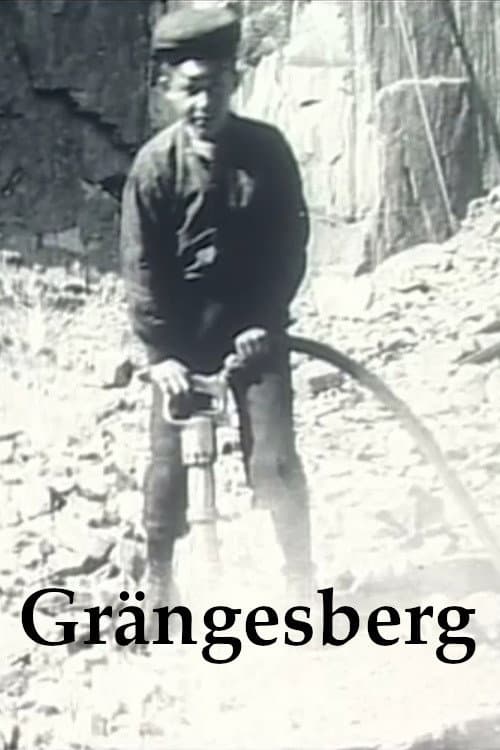
Images from Grängesberg's mines. The ore is loaded onto trains and transported to the port of Oxelösund.
An account of a young Italian boy who was taken in by a Canadian military unit during World War II.
In this feature documentary, filmmaker Paul Cowan offers an innovative, moving account of the Westray coal mine disaster that killed 26 men in Nova Scotia on May 9, 1992. The film focuses on the lives of three widows and three miners lucky enough not to be underground that day when the methane and coal dust ignited. But their lives were torn apart by the events. Meet some of the working men, who felt they had no option but to stay on at Westray. And wives, who heard the rumours, saw their men sometimes bloodied from accidents and stood by them, hoping it would all turn out all right. This is a film about working people everywhere whose lives are often entrusted to companies that violate the most fundamental rules of safety and decency in the name of profit.
A new uranium mill -- the first in the U.S. in 30 years -- would re-connect the economically devastated rural mining community of Naturita, Colorado, to its proud history supplying the material for the first atomic bomb. Some view it as a greener energy source freeing America from its dependence on foreign oil, while others worry about the severe health and environmental consequences of the last uranium boom.
In the cobalt mining areas of Katanga in the Democratic Republic of the Congo (DRC), babies are being born with horrific birth defects. Scientists and doctors are finding increasing evidence of environmental pollution from industrial mining which, they believe, may be the cause of a range of malformations from cleft palate to some so serious the baby is stillborn. More than 60% of the world’s reserves of cobalt are in the DRC and this mineral is essential for the production of electric car batteries, which may be the key to reducing carbon emissions and to slowing climate change. In The Cost of Cobalt we meet the doctors treating the children affected and the scientists who are measuring the pollution. Cobalt may be part of the global solution to climate change, but is it right that Congo’s next generation pay the price with their health? Many are hoping that the more the world understands their plight, the more pressure will be put on the industry here to clean up its act.
Celebrating 200 years of rail, Guy helps to rebuild, and learns to drive, the world’s most important train for a recreation of the journey that changed history: the Stockton to Darlington Railway
This film documents the coal miners' strike against the Brookside Mine of the Eastover Mining Company in Harlan County, Kentucky in June, 1973. Eastover's refusal to sign a contract (when the miners joined with the United Mine Workers of America) led to the strike, which lasted more than a year and included violent battles between gun-toting company thugs/scabs and the picketing miners and their supportive women-folk. Director Barbara Kopple puts the strike into perspective by giving us some background on the historical plight of the miners and some history of the UMWA. Preserved by the Academy Film Archive in partnership with New York Women in Film & Television in 2004.
Lee Anne Schmitt explores California's landscape and past to document the history of one-time boom towns built and abandoned by the industries that necessitated their creation. Sold as a limitless land expansive with free opportunity, California was actually, from its onset, fissured by the interwoven needs of private and public interests. Schmitt's film covers various locations through time, as the major industries of the early 20th century (mining, lumber, oil) give way to the military, eventually leading to multinational corporations, and the use of small towns as satellites for growing urban metropolises.
In China more people are on death row than the rest of the world combined. The children of the convicts are often left alone, stigmatized and living in the streets. Grandma Zhang, as the kids call her, is a former prison guard who has founded an orphanage in Nanzhao.
A talented group of orphaned children in Swaziland create a fictional heroine and send her on a dangerous quest.
Poignant postwar appeal for Britain’s Jewry to support orphaned Jewish children rescued from Europe.
A docudrama on the closing of the town of Schefferville. When Raoul loses his job at the mine because the operations are ending, he's been settled there for ten years with Carmen and their son. They're now forced to leave the town, leaving behind the traces of an ephemeral prosperity.
Tunahaki is the extraordinary story of nine gifted orphans who are acrobats. We follow their journey as an American volunteer takes them from Africa to study with Cirque du Soleil in Las Vegas. They end up touring the States and raising hundreds of thousands of dollars, more than enough to build a permanent home. But how have the kids' experiences in America affected them? And how will it change things back home in Tanzania? Tunahaki's heartfelt journey gives us something new to ponder as we reach across the world to help those less fortunate—is it always the right thing to do?