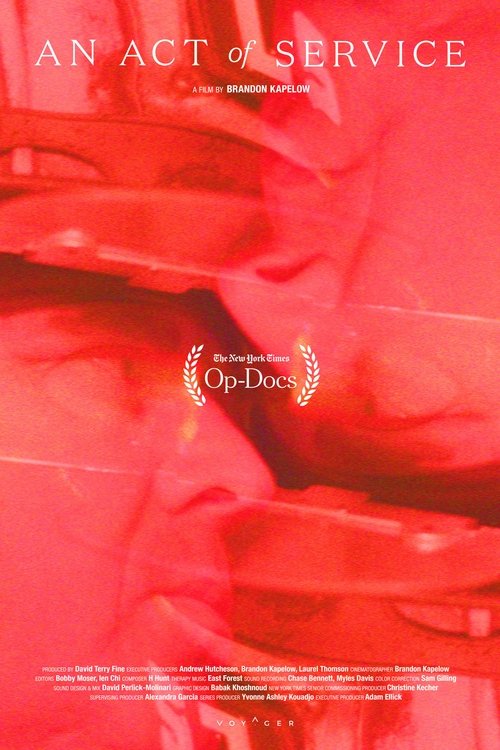
Rob C., a firefighter in Idaho, undergoes psychedelic-assisted psychotherapy in an attempt to address his PTSD.
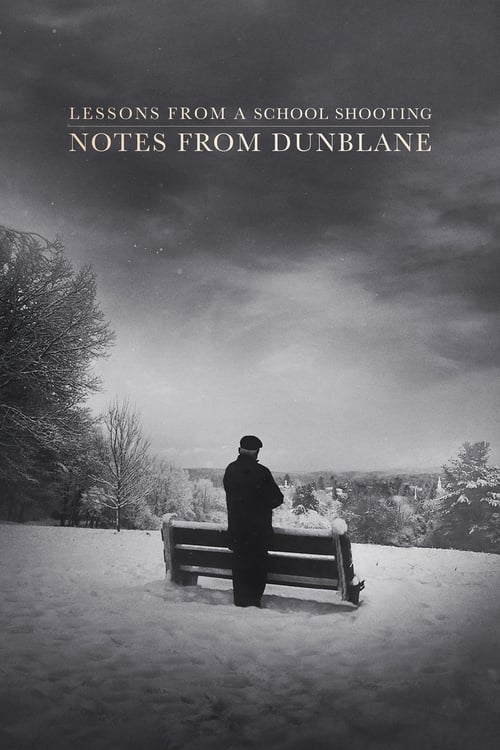
In the wake of the 2012 Sandy Hook Elementary School massacre that took the lives of 20 first graders and their teachers, local clergymen Father Bob Weiss receives a letter from a fellow priest in Dunblane, Scotland, whose community suffered an eerily similar fate in 1996. From across the Atlantic, the two priests forge a poignant bond through the shared experience of trauma and healing.
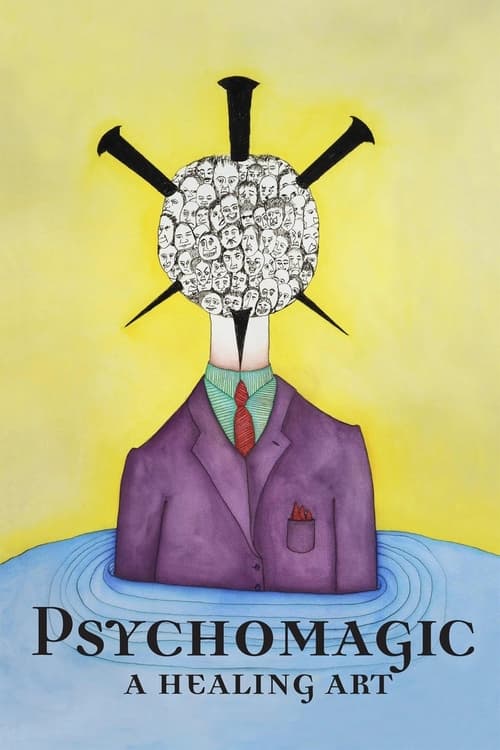
Explores the therapeutic work of director Alejandro Jodorowsky, showing by means of real acts, what Psychomagic is, its principle, how it is practiced, and how it is applied in life. Jodorowsky works directly with real, suffering people who are eager to solve their problems.
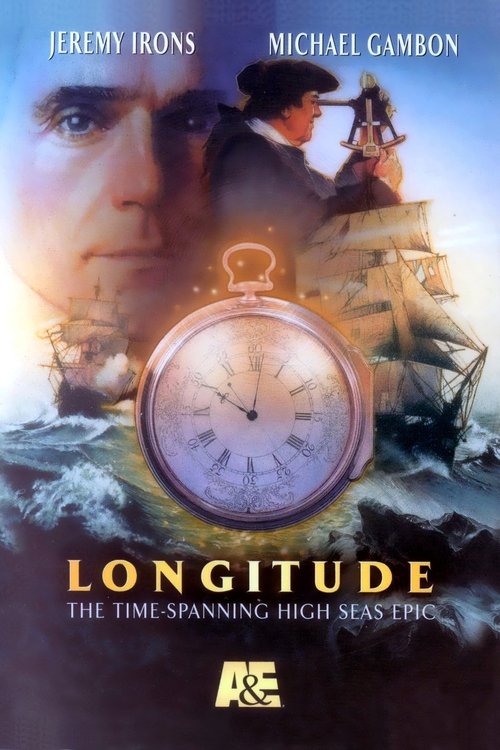
Parallel stories: 18th century Harrison builds the marine chronometer for safe navigation at sea; 20th century Gould is obsessed with restoring it.
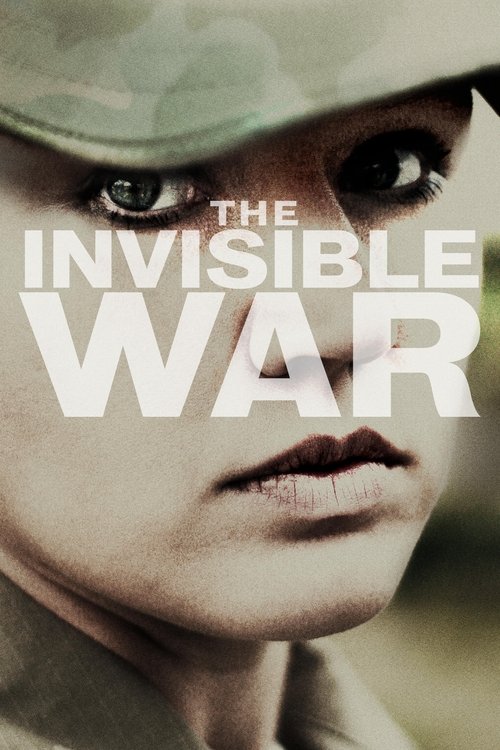
With suicide rates among active military servicemen and veterans currently on the rise, this documentary brings urgent attention to the invisible wounds of war. Drawing on personal stories of American soldiers whose lives and psyches were torn asunder by the horrors of battle and PTSD, the documentary chronicles the lingering effects of combat stress and post-traumatic stress on military personnel and their families throughout American history, from the Civil War through today's conflicts in Iraq and Afghanistan.
An investigative and powerfully emotional documentary about the epidemic of rape of soldiers within the US military, the institutions that perpetuate and cover up its existence, and its profound personal and social consequences.
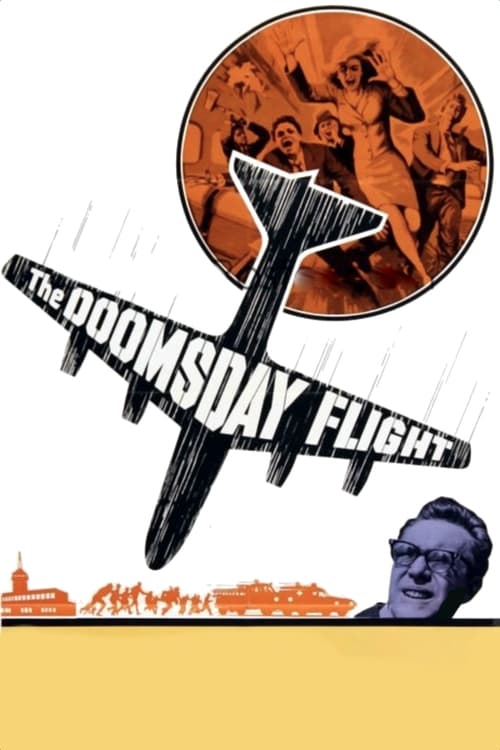
A bomb on board an airliner has an altitude-sensitive trigger. Unless a ransom is paid, it will explode when the plane descends to land.
No overview available.
Back in the 1960's a former Harvard professor stopped giving A's, B's and C's and started handing out LSD. his name was Timothy Leary and he was at the center of a controversy in North America over the growing use of psychedelic drugs. Leary ran a research center in New York state where young people took 'acid' while he took notes. The media took notice.
While going through a difficult divorce from her domineering, businessman husband, Alexandra moves back into her old childhood brownstone home, where she sets out to uncover dark family secrets from when she was a young girl, involving her Aunt Judith's murder and her mother's descent into insanity. The only clue is a key to a mysterious secret room that lies within the house. As a series of bizarre and unsettling incidents prod Alexandra to investigate her past, she finds herself wandering deeper into danger as her past comes back to haunt her.
OBAIDA, a short film by Matthew Cassel, explores a Palestinian child’s experience of Israeli military arrest. Each year, some 700 Palestinian children undergo military detention in a system where ill-treatment is widespread and institutionalized. For these young detainees, few rights are guaranteed, even on paper. After release, the experience of detention continues to shape and mark former child prisoners’ path forward.
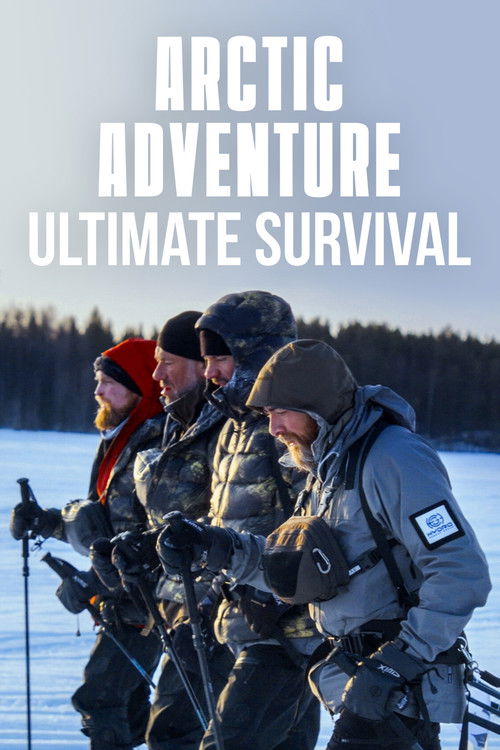
In the Arctic Circle, Jason Fox and an elite team of military veterans open up to each other about men’s mental health while taking on one of the world’s toughest ultramarathons.
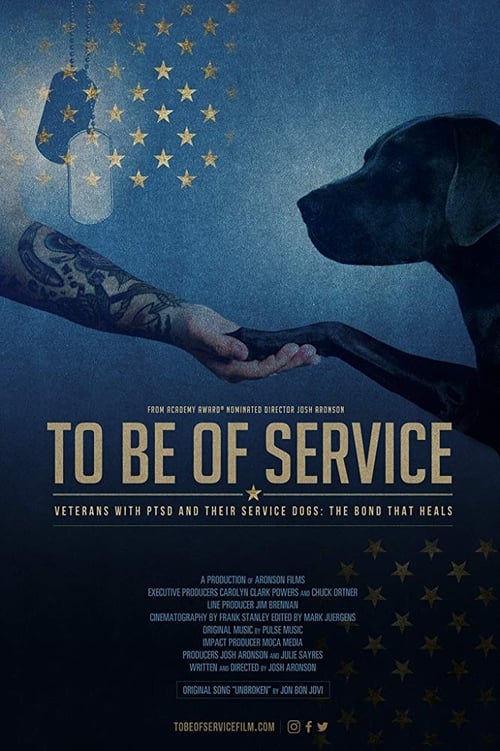
A documentary film about veterans with PTSD who find that, after other treatments fall short, a service dog helps them return to an independent feeling life.
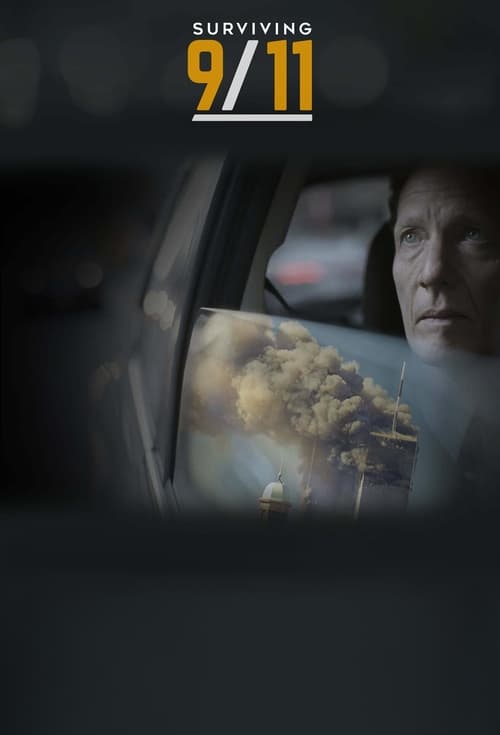
9/11 was perhaps the defining historical event of the postwar era. Broadcast live around the world like horrifying theatre, it was a moment in history imprinted onto people's memories. But what was it like to actually live through, and how easy is it to move on from a day that society wants to go on remembering? Twenty years on, this film brings together 13 ordinary people who were caught in an event they weren't able to fully comprehend at the time and which they are still working through.
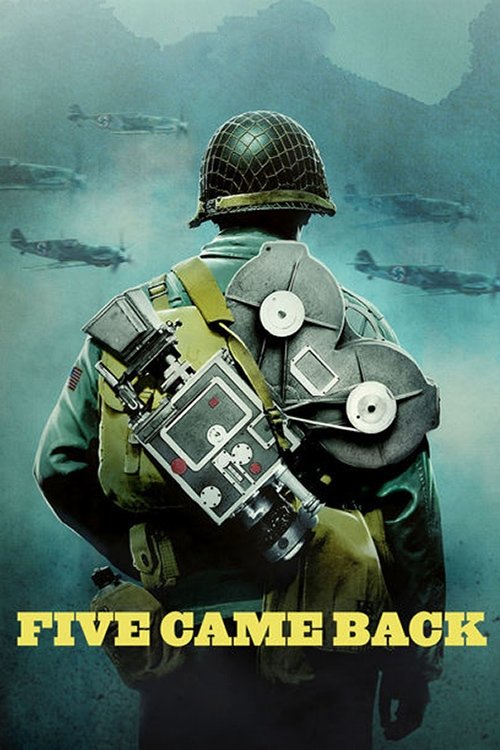
The extraordinary story of how Hollywood changed World War II – and how World War II changed Hollywood, through the interwoven experiences of five legendary filmmakers who went to war to serve their country and bring the truth to the American people: John Ford, William Wyler, John Huston, Frank Capra, and George Stevens. Based on Mark Harris’ best-selling book, “Five Came Back: A Story of Hollywood and the Second World War.”
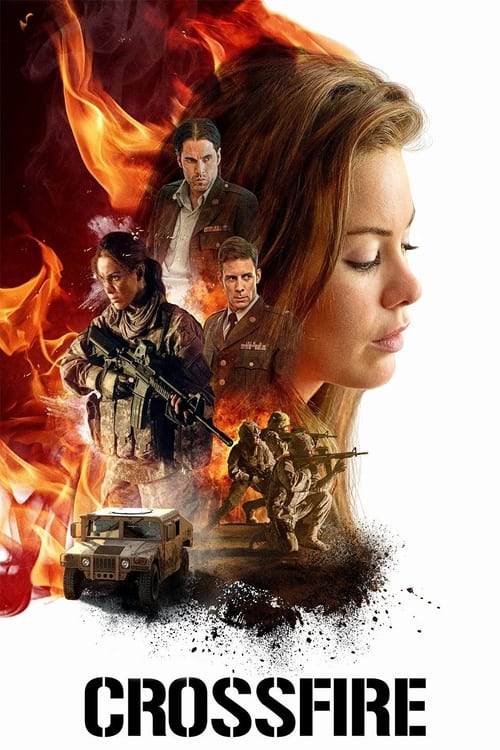
When National Guard soldier Samantha Harrison returns from the front lines of Iraq, she realizes that none of her training helps her deal with PTSD or the struggles of returning to a normal life. Samantha comes home to find out she's being blamed for a friendly fire incident that killed two Americans and she becomes the target of an obsessed soldier seeking revenge for their deaths. She tries to reassemble her fragmented memories of that horrific night in order to convince everyone, including herself, that she didn't do it. Who do you turn to when you can't trust your own memories and the few people you do trust are being killed off one by one?
A Marine officer reported as killed in Vietnam, but who was actually a POW, returns home. Instead of being welcomed home, however, he discovers that his father has died, his wife has remarried, his daughter has been adopted, his business has been sold, and his life has completely changed.
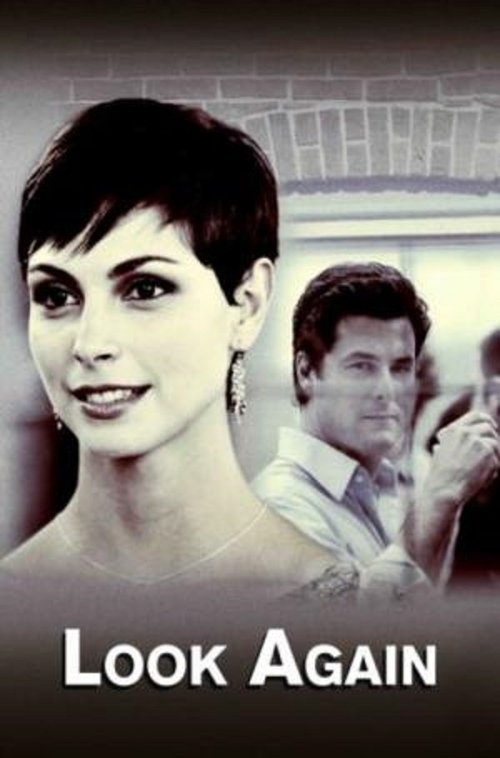
Just as her life is coming together, Allison experiences a terrible tragedy when her boyfriend is murdered by an intruder from whom the woman herself barely escapes. The police capture a man they believe to be the killer, but Allison, still unsettled, has her doubts. Things take a frightening turn when she meets her friend's new boyfriend and suspects him to be the killer.
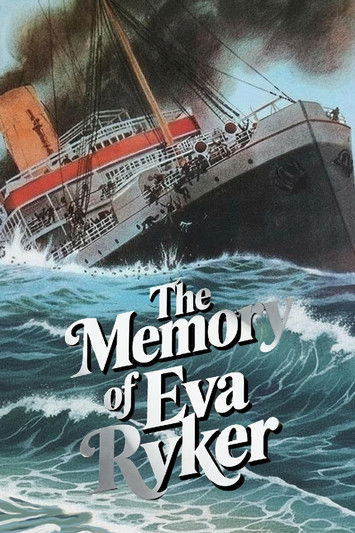
A young woman has spent her life tormented by the death of her mother, who was on a ship torpedoed during World War II. When her father hires an investigator to look into the circumstances of the mother's death 30 years prior, it triggers a new rash of emotional turmoil for the young woman and uncovers a heinous crime.
A portrait of several Vietnam War veterans living "off the grid." Upon returning home from the war, these men found themselves unable to exist in normal society due to the lasting psychological scars from Vietnam, and, subsequently, chose to live a life of solitude and survival in the American wilderness.
No Trailers found.
No Cast found.