Scott, a high school dropout, has no diploma, no job, no future and finally no girl. He is faced with the decision of continuing his education or continuing a life without hope or meaning.
No Trailers found.
The film conversation centers around workplace safety and the concept of personal responsibility. Ron and Mary discuss Ron's recent vacation and then transition to a review of recent workplace accidents. These incidents include an electrician falling due to a missing safety cone, a worker getting a shock from faulty equipment, and a drill press operator injuring his finger due to an improperly secured backup bar. They identify a common issue: the "let George do it" syndrome, where employees assume someone else will handle safety checks. They emphasize the importance of personal responsibility in safety practices and propose using these cases in training programs to illustrate the need for vigilance and proactive safety measures. The conversation ends with a story from Ron about a past mistake, highlighting the critical lesson of not taking safety for granted and ensuring one's own and others' safety by not relying on others to always handle safety checks.
Based on the book by Jane Mersky Leder, Dead Serious is an educational documentary that tackles the serious issue of teen suicide.
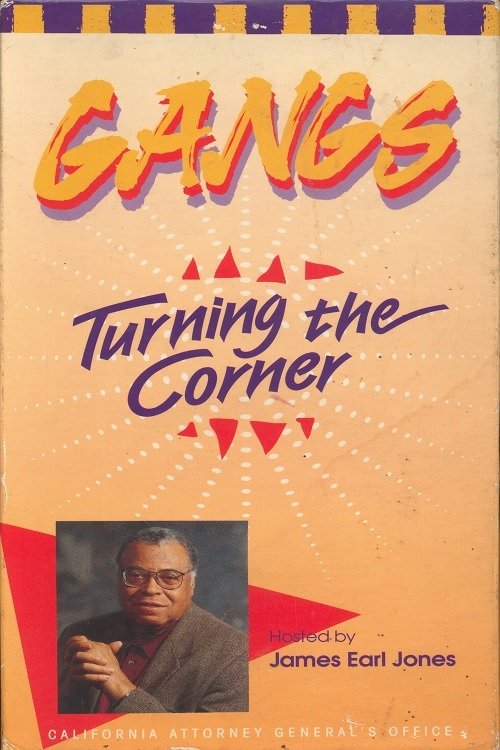
This 60 minute video captures in a dynamic format the people and programs that are successfully turning the corner on gangs. Stories and examples from across the United States will highlight winning approaches to confronting the gang problem.
Teaching children how to avoid victimization. Included: dramatic re-creations of potentially dangerous situations; tips for dealing with confrontations with gang members; strangers; and intruders. Sanford Strong hosts the program
A guide to going metric from the Central Office of Information on behalf of the Metrication Board.
Discusses the seriousness of burns, categorizing them into three degrees based on depth and severity. First-degree burns affect only the surface layer of skin, while second-degree burns penetrate deeper and are more painful. Third-degree burns are the most severe, damaging skin, muscles, and nerves. First aid varies by burn severity, emphasizing the importance of cooling the burn, avoiding ointments, and seeking medical help for serious cases. Chemical burns require immediate washing with water, and specific procedures for eye exposure are outlined. Quick medical attention is crucial to prevent complications such as infection and shock.
Discusses the dangers of accidental poisoning, particularly in children, due to household substances like cleaners and medications. It emphasizes the importance of identifying the product involved in the poisoning, recognizing symptoms, and taking immediate action. Key steps include diluting the poison with milk or water, calling for medical assistance, and bringing the poison container to the hospital. The document also highlights the risks of drug misuse and inhalation of toxic fumes, urging quick responses to emergencies.
The content emphasizes the importance of agility, stamina, and judgment in various aspects of life, including sports, academics, and everyday decision-making. It highlights the physiological effects of alcohol on the body and mind, explaining how it impairs judgment and coordination, which can lead to dangerous situations, especially when driving. The message advocates for self-discipline and moderation, urging individuals to make wise choices regarding alcohol consumption to maintain their physical and mental capabilities.
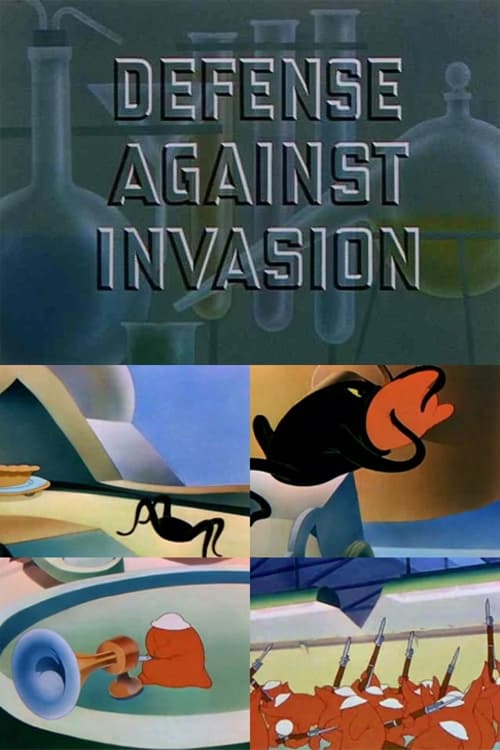
A doctor persuades a group of boys to be vaccinated by explaining how it will protect them against disease. Animated sequences depict the body metaphorically as a city, defended by the blood cells, which are stimulated by vaccination to amass arms and ammunition, in order to defend the city when it is invaded by germs.
Documentary short film demonstrating the process by which waste fats from the kitchens of American homes can be transformed into the raw materials for explosives for the war effort.
This animated documentary outlines the history and importance of corn in North America.
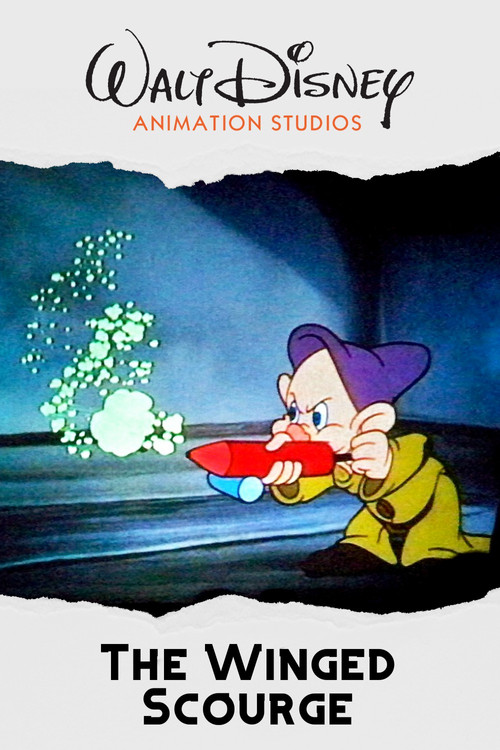
The Seven Dwarfs fight malaria.
Ever had a good experience with doorstep salespeople? Maybe you were lucky, but the doorstep has never seemed the best place for a sensible sales decision – which is exactly why companies use it.
The film "And Then It Happened" follows two school bus drivers known for their safety records. During routine rides, a series of distractions and misbehaviors from the students lead to a disastrous accident, injuring several classmates. The narrative explores the challenges of managing rowdy children on a bus and the consequences of their actions, highlighting the importance of safety and the hidden struggles of the students.
Sponsored by Seiberling Rubber Company, this public service film demonstrates the important points of winter driving. Shows how to start on slippery roads, what to do when stuck, how to manipulate a skidding car and the distances it takes to stop on icy roads.
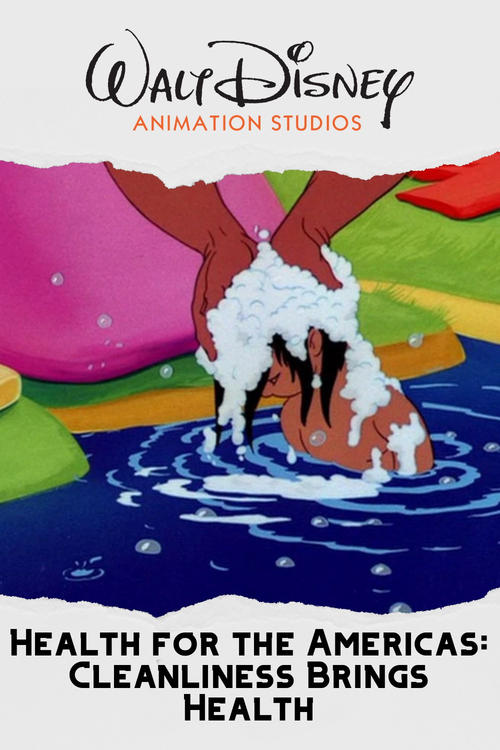
The comparison of two rural families to demonstrate the need for proper hygiene and the consequences of its neglect.
James Blake joins three young men to explore why they're turned to the so-called manosphere to achieve success, and how it influences their real lives.
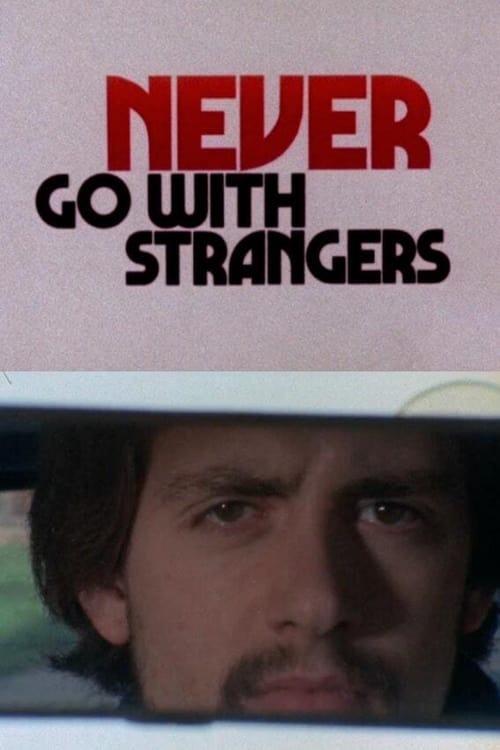
Never Go With Strangers was intended for children aged between seven and ten and its purpose was ‘to warn them of the dangers of accepting lifts or presents from strangers’. Due to potential distress government officials instructed that the film only be shown under ‘responsible adult supervision’, thus denying it a TV airing for many years.
Animated short documentary film made to advance the cause of a balanced diet for the benefit of the public health and for the advancement of the American war effort.
This short post-war film was made to inform people how to address a letter correctly.
No Cast found.