Short film about life in the village and what this means for the inhabitants.
No Trailers found.
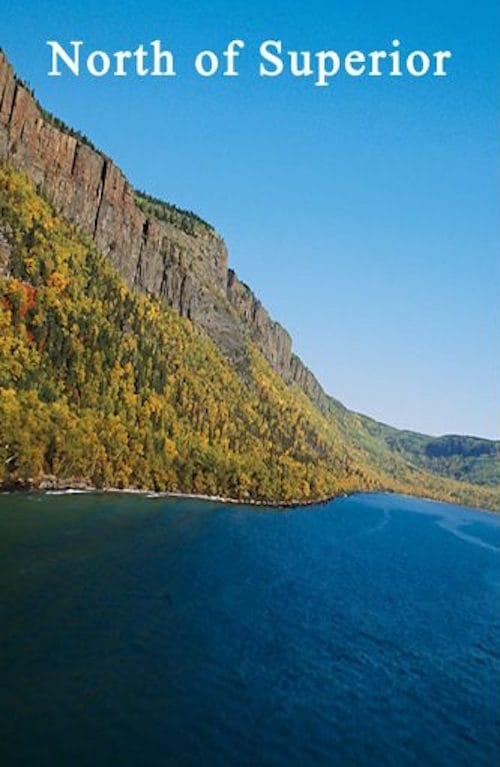
The second IMAX film made, commissioned by the Ontario Government, and produced by MultiScreen Corporation, later to become IMAX corporation. North of Superior is a Northern Ontario travelogue, and was the first short feature to be shown at the newly created Ontario government theme park, Ontario Place, in it's state of the art cinema, Cinesphere, the first permanent IMAX installation.
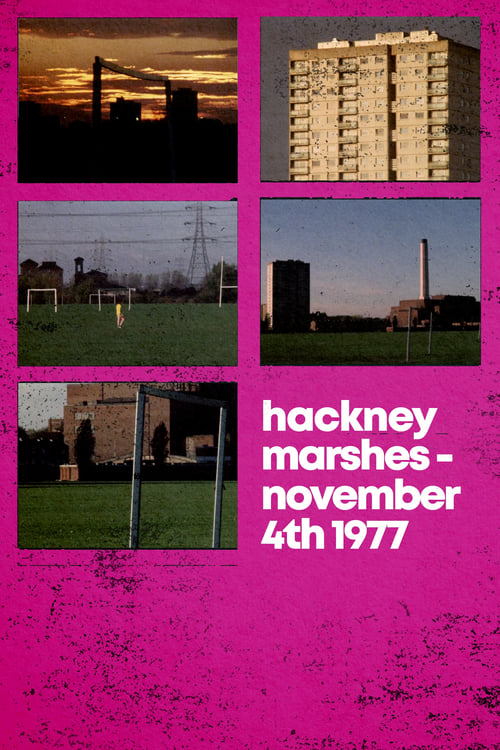
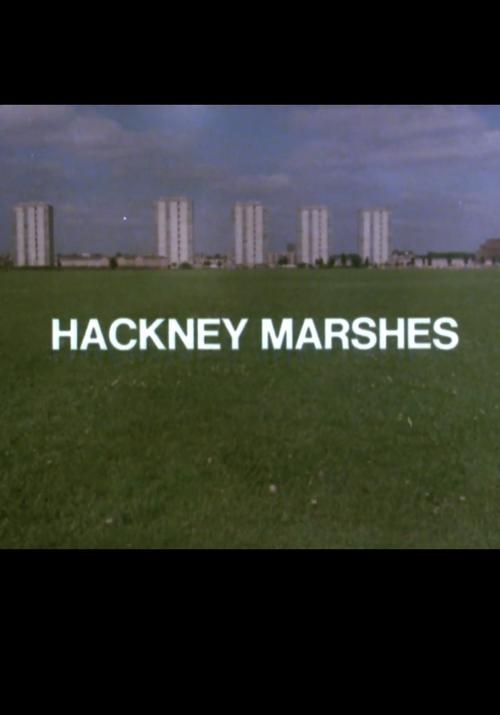
An improvisation recorded over the course of one day, starting at dawn and finishing after dusk. The film was edited in camera and shot from one camera position in the middle of one of the 112 football pitches that cover Hackney Marsh, a location chosen because of the similarities between the surrounding buildings and objects (identical blocks of flats, goalposts etc.). By cutting between precisely matched framings of similar objects, illusions of movement were produced, disrupting representational readings of the landscape. Unforeseen events occurring in the vicinity were also recorded, determining to some extent the subsequent filming. Through selection of shots and changes in cutting pace and speed of camera movement, the film fluctuates between record and abstraction.
Fusing documentary and fiction, the film depicts the lives of children trying to survive the aftermath of war in Kosovo by selling cigarettes on the street. Through monologues performed by the children against the eerie backdrops of Pristina, the film tells their gripping and sad story of memory, loss and fear.
Artist John Smith tells stories about tower block life, editing in bold, unconventional fashion, cutting into the material and highlighting the components and conventions of the film form - yet an intimate portrait of the block's inhabitants still emerges.
Starring Sigmund Freud is a video memento for Sigmund Freud's little-known film career. Based on an essay John Menick published in Frieze in 2011, the video collects the dozens of appearances that the character of Sigmund Freud has made on small and big screens. After the 1950s, when pill vials replaced analytic couches, the father of psychoanalysis found a second career impersonating himself in everything from a John Huston clunker to a Star Trek episode. The video suggests that maybe it is in front of the camera, alongside surgically enhanced starlets and CGI chimeras, that “Herr Doktor” will find his final resting place. This video was produced by the Kadist Foundation and commissioned by dOCUMENTA (13).
Mannequins examines the suburb as a state-of-mind through the eyes of a 7th grade teenage girl.
Just before Easter 2001, a semi-trailer loaded with 40,000 bottles of beer crashed into the Tweed River on the out skirts of the northern New South Wales town of Murwillumbah (known as "Murbah" to the locals). With salvage crews ordered to clear the crash zone for the busy Easter traffic, the locals undertook their own salvage operation, making it their best Easter ever. Murbah Swamp Beer is a documentary about an event that could only happen in Australia. It captures the spirit of a small, country town as its citizens discover that beer definitely tastes better when it's free.
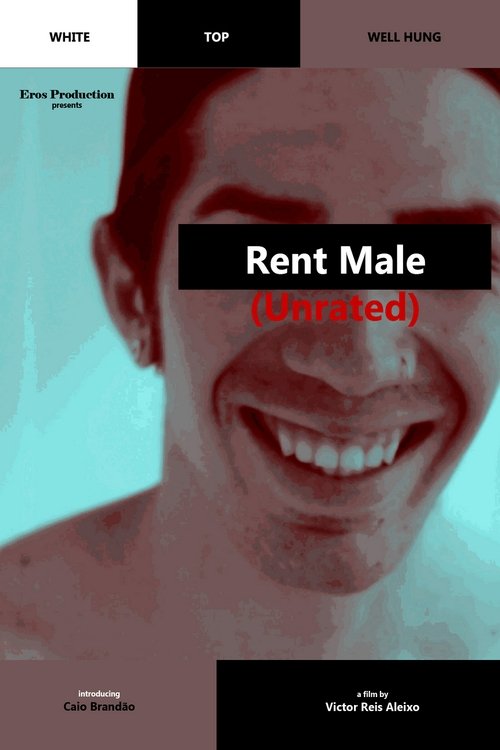
Kaio Brandon is a male prostitute trying to find himself in the big city. He has been selling his body for money since he was 14, unaware that many others like him are part of a worldwide sex industry and human trafficking that corrupts children forever. Kaio wants to change his life and become a nurse, but will h be able to overcome the labels?
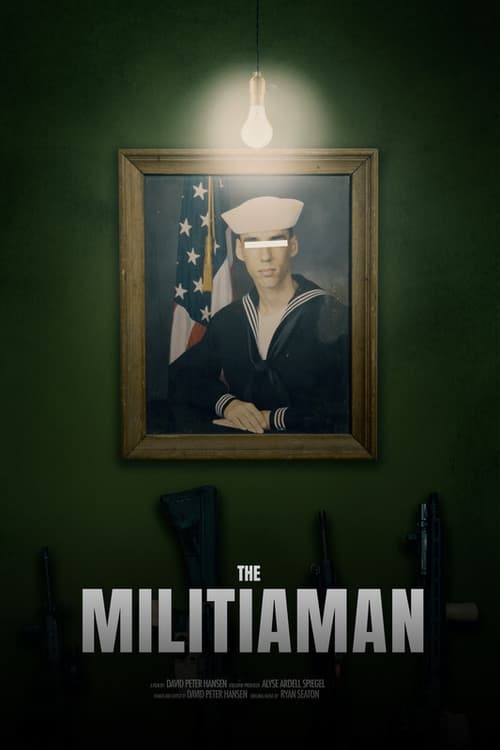
In the hills of rural Pennsylvania, the leader of a local militia must prepare his men for the turbulent political landscape of 2020 while at war with his own conscience. For over ten years, 48-year-old Iraqi War Veteran and machinist Christian Yingling has commanded a troop of private militiamen and women concerned with the government’s infringement on their constitutional rights. The group practices paramilitary drills, stockpiles food and ammo, and attends gun rights rallies in preparation for a doomsday scenario. Now that a worldwide pandemic has hit, followed by a summer of racial injustice protests and a Presidential election like no other, Christian—out of work and nearly out of money—must confront his allegiance and choose to act or not.
The filmmaker's mother, Ethel Wardrop, talks about her own body and the role it played in her loving relationship with her dear husband.
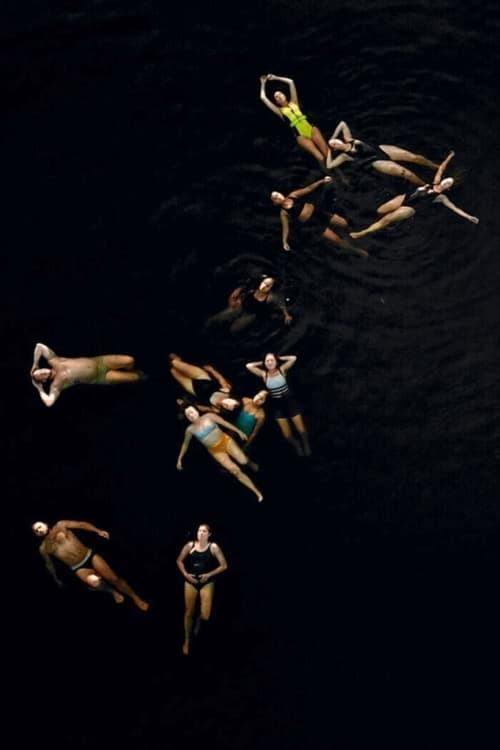
Lake gazes down at a still body of water from a birds-eye view, while a group of artists peacefully float in and out of the frame or work to stay at the surface. As they glide farther away and draw closer together, they reach out in collective queer and desirous exchanges — holding hands, drifting over and under their neighbors, making space, taking care of each other with a casual, gentle intimacy while they come together as individual parts of a whole. The video reflects on notions of togetherness and feminist theorist Silvia Federici’s call to “reconnect what capitalism has divided: our relation with nature, with others, and our bodies.”
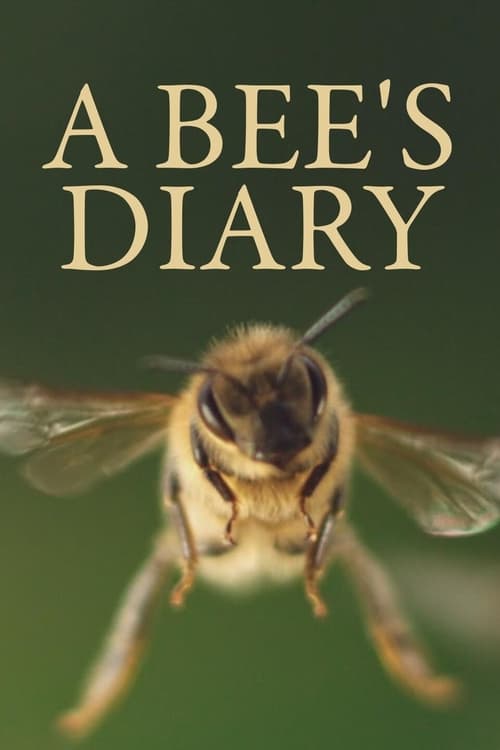
Bees are one of the most important species on the planet. A look at the trials and tribulations of two particular honeybees over two years from birth to death.
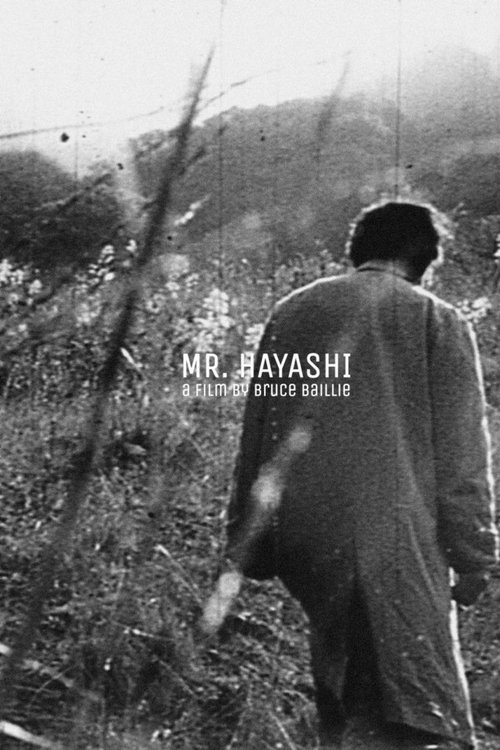
Bruce Baillie's Mr. Hayashi might be thought of as a putative East Coast story transformed by a West Coast sensibility. The narrative, slight as it is, mounts a social critique of sorts, involving the difficulty the title character, a Japanese gardener, has finding work that pays adequately. But the beauty of Baillie's black-and-white photography, the misty lusciousness of the landscapes he chooses to photograph, and the powerful silence of Mr. Hayashi's figure within them make the viewer forget all about economics and ethnicity. The shots remind us of Sung scrolls of fields and mountain peaks, where the human figure is dwarfed in the middle distance. Rather than a study of unemployment, the film becomes a study of nested layers of stillness and serenity.
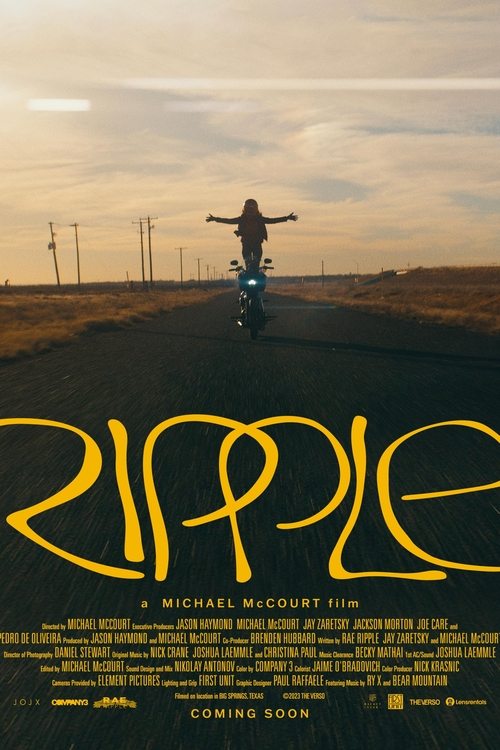
Rae Ripple, a welder from the outskirts of West Texas transforms neglected metal into works of art and in the process finds healing from her traumatic past.
Susana Barriga’s documentary, the illusion, begins with violence. A long shot reveals a man standing on a street corner, his features indiscernible in the night. He moves out of the camera’s line of vision, but the filmmaker, persistent, moves with him as the jostling of the camera marks her steps. As we learn moments later, the man in the distance is Susana’s father – and this is the clearest image of him we will have. Suddenly, an angry British man demands that Susana cease filming. Susana protests in heavily accented English, “He is my father!” Glimpses of a man’s torso are followed by blurred images as the camera spins rapidly over surfaces. The image cuts to black. A new male voice asks in carefully spaced out words if Susana would like him to call the police. When she doesn’t respond immediately, he speaks louder, as though volume would compensate for the language difference. She gives her name; she refuses the offer of an ambulance.
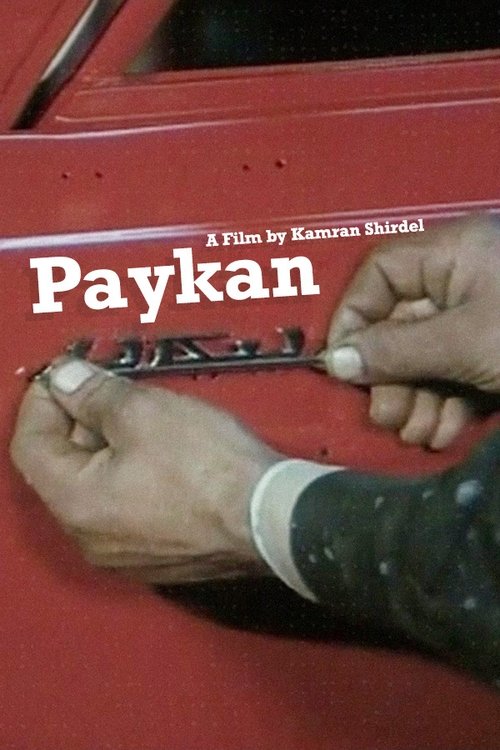
Short documentary about the Paykan automobile assembly-line
And urban planner's journey to making the impossible possible.
This short film looks at the importance of maintaining safe driving practices and heeding traffic rules. A traffic cop investigates a serious car crash and attempts to understand the cause.
Jean-Michael Cousteau's documentary about the Great Barrier Reef keeps getting interrupted by characters from Disney's Finding Nemo.
No overview available.