Short film about Cologne Cathedral
No Cast found.
No Trailers found.
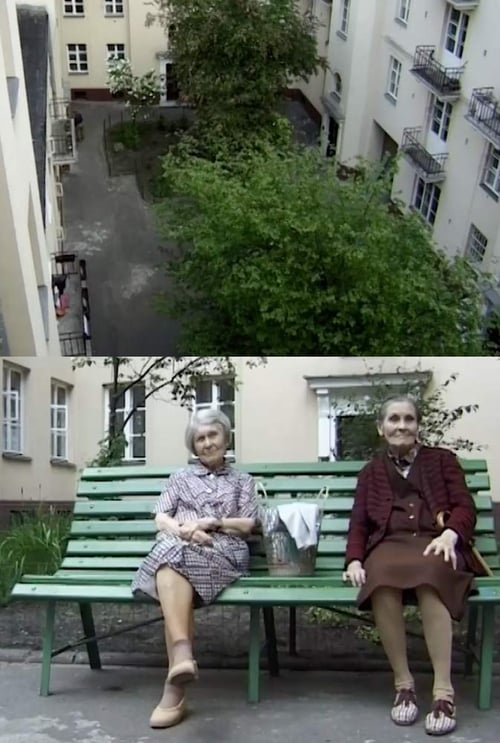
Two old sisters, living in the same Warsaw apartment, sit on a bench and talk. The 87-year-old elder one seems to care for the other reluctantly and treat her badly. The younger, who is said to be clumsier, has walking problems.
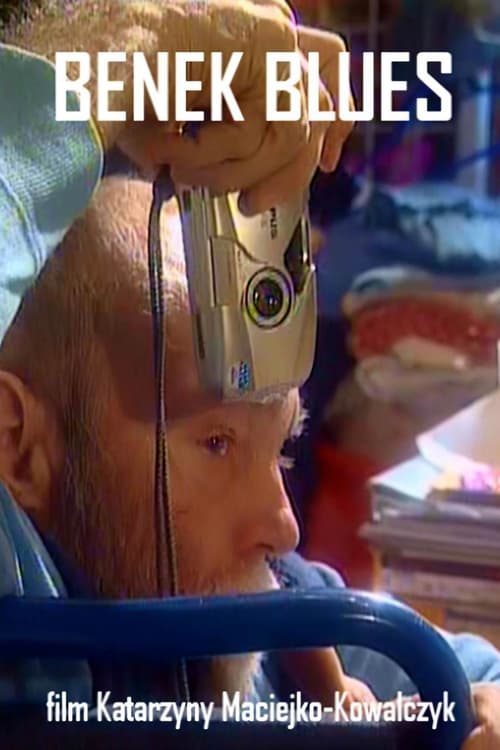
The action is placed in a cramped flat in Warsaw’s district of Ochota. A father and a son, both bedridden, live in a fascinating symbiosis. The son, a well‑known photographer Bernard ben Dobrowolski, is lying in bed because a chronic condition has deformed his body and immobilized him. The father, Dominik, has recently suffered from a stroke. Now they are taking care of each other and crowds of visitors move through their room.
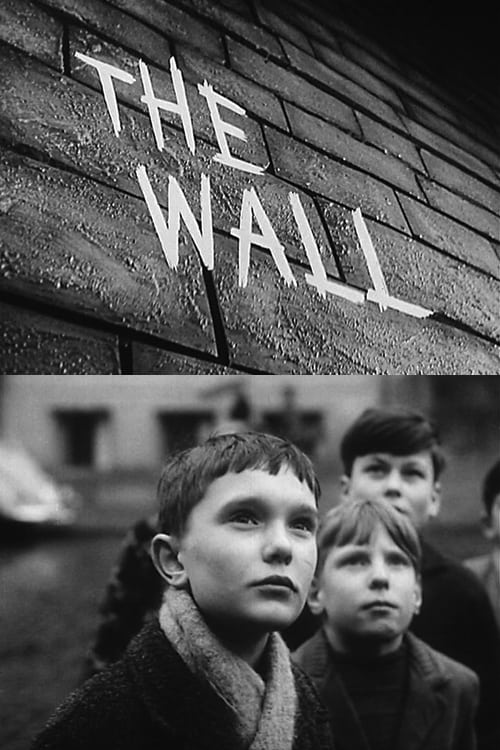
Like the best USIA films, The Wall distills political events into an emotionally clear and compelling ideological "story". In 1962 Walter de Hoog gathered footage from U.S. and German newsreel sources and crafted this taut short film about the first year of the Berlin Wall. Straightforward, keenly balanced narration portrays Berliners as "accepting the wall but never resigned to it". The extraordinary footage of the first escapes was propaganda enough-- His challenge was to make the politics human.
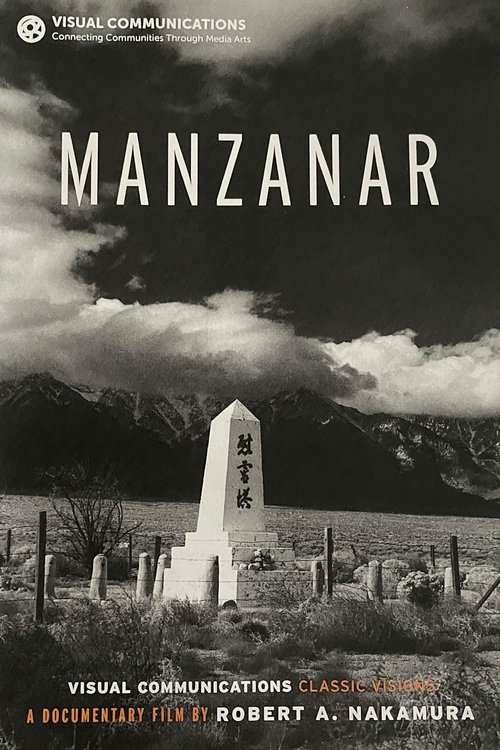
Short film about the Manzanar Japanese American internment camp. Preserved by the Academy Film Archive in 2011.
When Gordon Gund went blind in 1970 at age 30 due to retinitis pigmentosa, he resolved to find a cure for the disease and created the Foundation Fighting Blindness. After decades of scientific research, a major breakthrough emerged, and this short film showcases the inspirational story of a 17-year-old Belgian boy who is a beneficiary of this work.
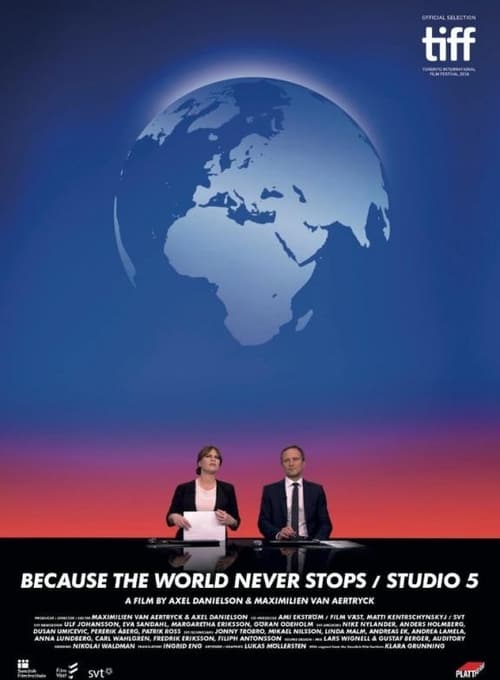
Shot live in the studio during the evening broadcast on Swedish public television, the film shows the news like you've never seen them before.
On the surface, this collection of shorts by up-and-coming African American filmmakers arrived at a perfect time. The cutting-edge products of the New Black Cinema of the early '90s had disappeared, giving way to embarrassingly stereotypical, scatological fare such as Booty Call and Next Friday. This feature-packed compilation (which includes production notes, interviews with all of the filmmakers, and audio commentary by four) attempts to prove that African American cinema is intent on moving past the lowbrow humor, as six of the seven shorts steer clear of any comedy.
No overview available.
Famous Spanish film critic Alfonso Sánchez talks about his personal life, his work and Anouk Aimée. A sentimental tribute to one of the most relevant figures on the Spanish film scene.
Dialogue-free short detailing the daily tasks of a man and his wife.
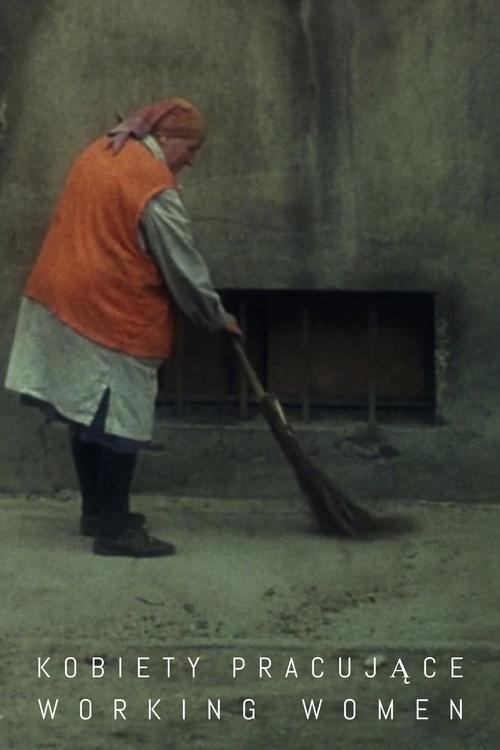
Stylized with dramatic interiors and a distorted frame rate, this early documentary miniature from Szulkin depicts six sequences of solitary, repetitious labor.
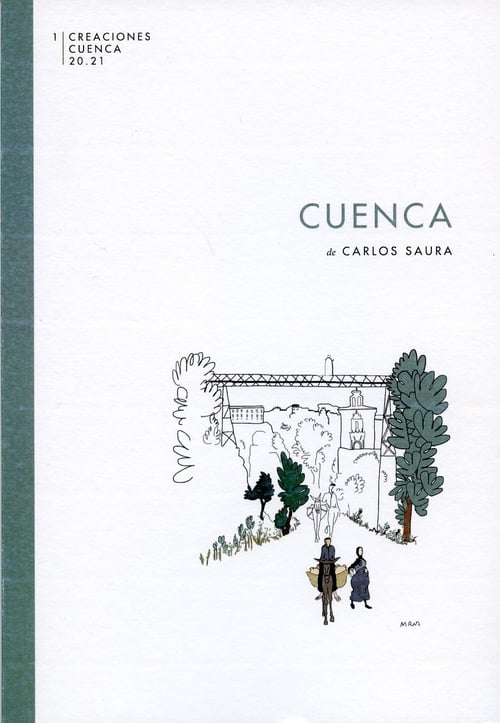
A medium-length documentary commissioned by the Cuenca City Council. The documentary shows an honest, sincere, although sometimes mere tourist portrait, of the lands of Cuenca and its people, without artifice or imposture, with feeling and authenticity and at the same time with marked coldness.
This short follows the political career of Theodore Roosevelt, beginning in 1895, when he was appointed police commissioner of New York City. In 1897 he was appointed Assistant Secretary of the Navy. His charge up San Juan Hill during the Spanish-American War in 1898 is re-created. He becomes vice president in March 1901 and assumes the presidency when William McKinley is assassinated six months later. According to the narrator, Roosevelt refused to be beholden to political bosses, doing what he believed to be right for the American people.
This short film in support of the war effort focuses on the training and missions of Army Air Corps Captain Hewitt T. Wheless just after the U.S. entry into World War II.
Documentary short film depicting the work of the United Service Organizations (USO) in providing recreational and morale-boosting services for American troops.
On June 14, 1977, the eve of the first democratic elections after Franco's regime, Llorenç Soler and his crew go out into the street and ask passers-by which party they are going to vote for.
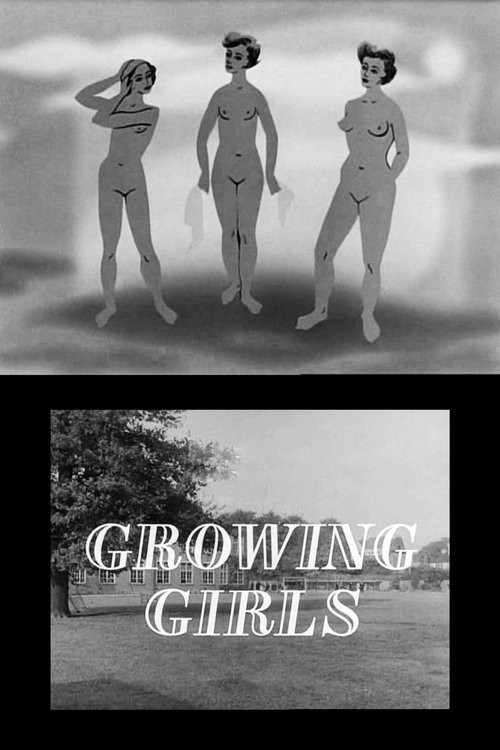
After several farmyard analogies featuring chicks and calves, the well-spoken narrator and director of the film, Winifred Holmes, considers the subject of girls and how they reach adulthood and readiness for the 'important job of motherhood.
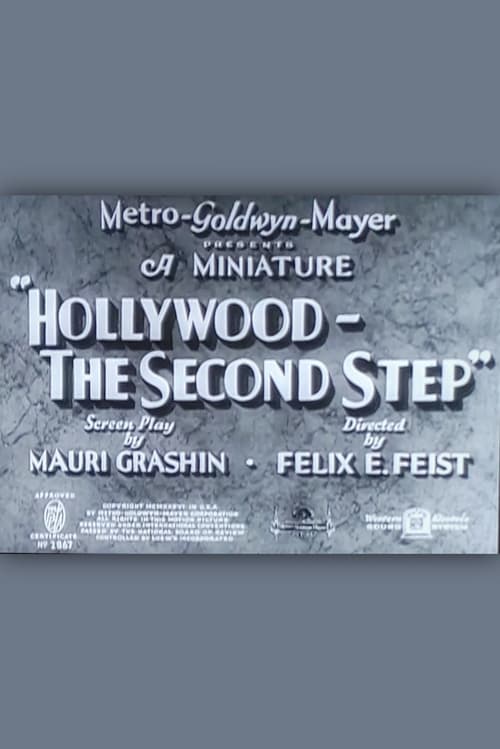
This short follows the early career of actress Jane Barnes. She starts by doing extra work. After several months she is offered a studio contract (the "first step"). However, her work consists mostly of fashion shoots and bit parts that end up on the cutting room floor. She is even used as a stand-in for Maureen O'Sullivan on the set of a Tarzan movie when camera angles and lighting must be set up.
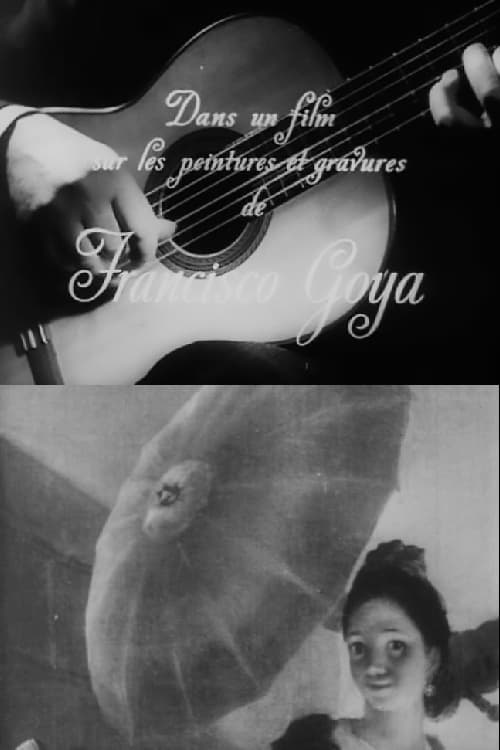
Presents life in 18th century Spain as the painter Francisco de Goya showed it to us.