This film describes the nature and impact of major religions in India, artistic monuments and contributions of each dynasty and cultural development of the people in different regions of the vast subcontinent.
Award-winning filmmaker Sandhya Suri (I for India) skilfully weaves together archive footage to create an emotionally resonant story about life across India from 1899 to 1947. Drawn exclusively from the BFI National Archive, Around India features some of the earliest surviving film from India as well as gorgeous travelogues, intimate home movies and newsreels from British, French and Indian filmmakers. Taking in Maharajas and Viceroys, fakirs and farmhands and personalities such as Sabu and Gandhi, the film explores not only the people and places of over 70 years ago, but asks us to engage with broader themes of a shared history, shifting perspectives in the lead up to Indian independence and the ghosts of the past. Around India boasts a superb new score that fuses western and Indian music from composer and sarod player Soumik Datta.
The remarkable story of one woman raising an army of over 10,000 people to help save one of the rarest birds on Earth from the depths of extinction.
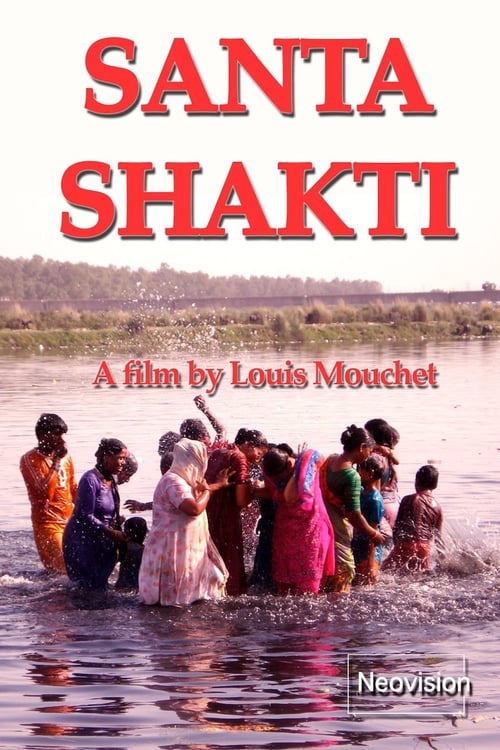
By drawing a parallel between the Indian Durga Puja festival and other forms of celebrating the divine feminine, Santa Shakti reveals the Sacred Power beyond languages and religions.
After 25 years of the Project Tiger Scheme operating in the Madhya Pradesh, these magnificent animals have become more trusting, permitting an extraordinary intimate film which follows them from sunrise to sunset, in monsoon rains and in shimmering heat
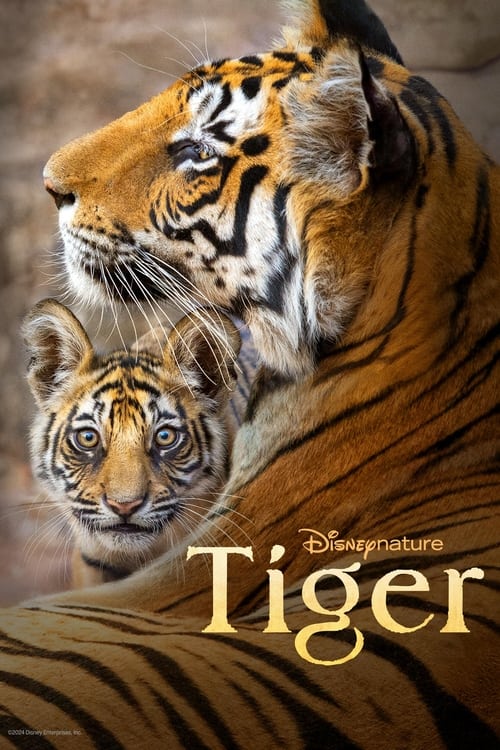
Journey alongside a young tigress raising her cubs in the fabled forests of India.
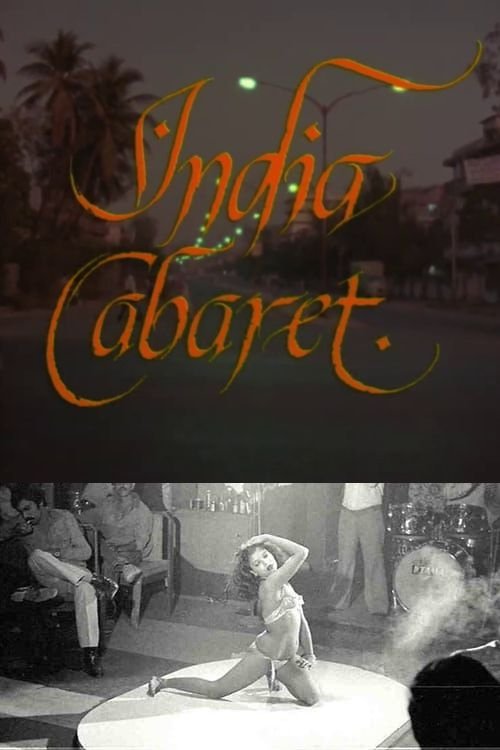
An exploration of the 'respectable' and 'immoral' stereotypes of women in Indian society told from the point of view of two striptease dancers in a Bombay cabaret.
Sue Perkins immerses herself in the complex life of Kolkata and sees how it is reinventing itself as a megacity with a reputation for eccentricity, culture and tolerance.
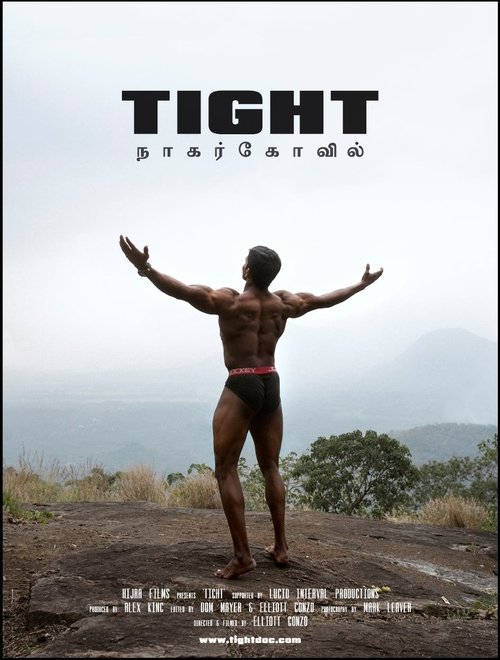
Can Aji's talent and triumphs elevate him from his poor, Tamil background to succeed on the national stage at Mr India? Or will his dreams be shattered by corruption and discrimination? The booming world of Indian bodybuilding is a captivating window through which to observe a rapidly changing society, while Aji's journey is a story of unity, brotherhood and celebration of India's incredible diversity.
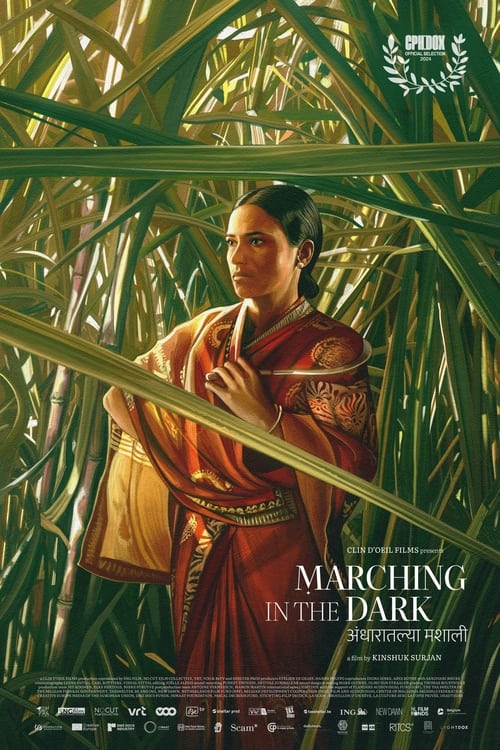
In a drought-struck region in India, suffering from climate change and a high suicide rate amongst farmers, a group of resilient women farmers, who recently lost their husbands, is coming together with a local psychologist to learn counselling and help others in grief.
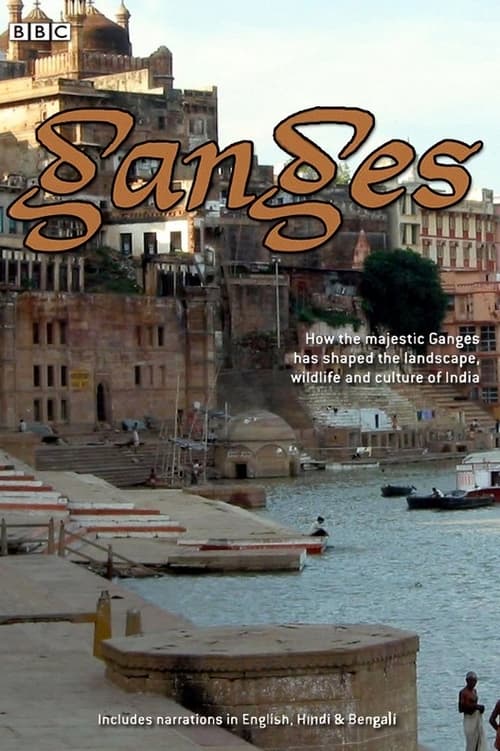
A journey that follows the Ganges from its source deep within the Himalayas through to the fertile Bengal delta, exploring the natural and spiritual worlds of this sacred river.
Documentary on the Great Stupa at Sanchi, built by the Emperor Ashoka, and adorned with some of the finest examples of Buddhist art in the world.
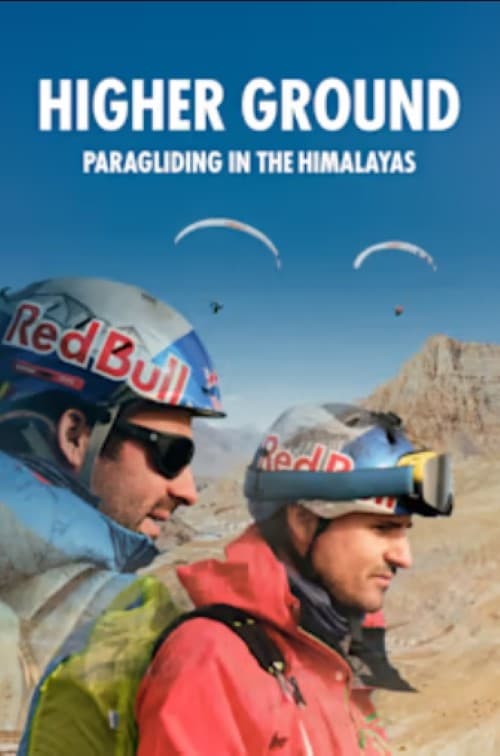
Thomas de Dorlodot and Horacio Llorens journeyed for a personal adventure across the Himalayan mountains. They covered roughly 350km and became the very first paragliders to fly over Rohtang Pass.
American Christian missionary John Chau was murdered when he tried to illegally contact and convert some of the world’s last uncontacted indigenous people. Through exclusive interviews and archival footage of John’s journey, THE MISSION explores themes that strike deep at the heart of religion, colonialism, and anthropology, questioning where we draw the line between faith and fanaticism, exploration and exploitation, imagination and destruction.
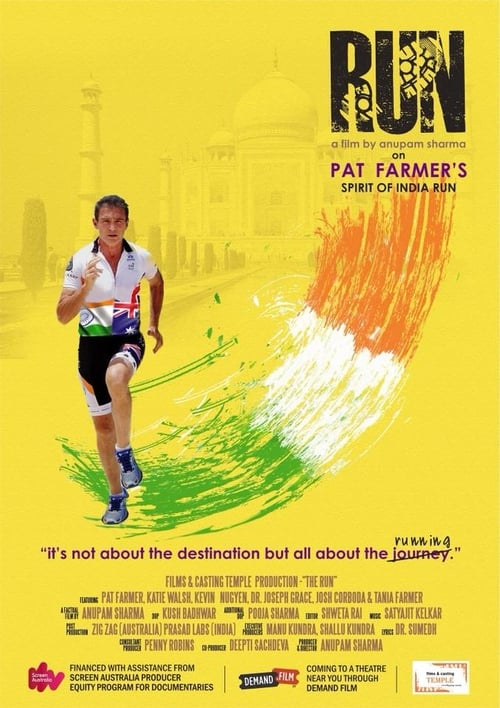
The Run is a feature length documentary film which follows Australian Pat Farmer’s test of human spirit and behind the scenes drama as he runs the length of India – 80 kilometres a day for 64 days with the backdrop of colourful, enchanting, challenging, organized chaos of India, which will saturate your senses.
December 3, 1984. Bhopal, India. The biggest and deadliest chemical disaster of all time. Nearly twenty years later the ordeal isn't over, justice has not been done. Had the disaster occurred in the developed world, heads would have rolled, prison sentences would have been served, changes would have been made. But the disaster didn't happen in the West, but in this obscure Indian city.
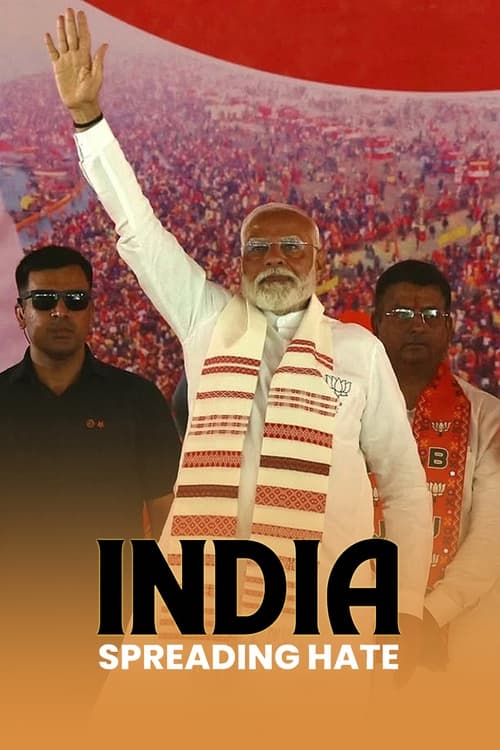
Since the rise to power of Hindu nationalists in 2014, India has been gradually moving away from democracy towards a regime where ethnic identity prevails. This transition is driven by Hindutva, a Hindu supremacist ideology embodied by Narendra Modi. For the past 10 years, Prime Minister Modi has relentlessly pursued his fascist policy based on Hindu supremacy. This ideology of hatred towards other religions in the country, particularly Islam, has also spread globally. Those who follow this belief want India to be only for Hindus, treating people of other religions, like Muslims or Sikhs as second-class citizens. Attacks against Christians have surged by 400% since Modi's election, accompanied by discriminatory laws targeting Muslims and widespread lynching incidents. Hindutva's influence permeates all levels of Indian society. This documentary thus unveils a darker side of India, far from its portrayal as the world's largest democracy and Gandhi's dream of peace among communities.
An intimate journey into the twilight world of the devadasi, Hindus who are married to god in childhood and at puberty sold for sex. The girls of Karnataka, southern India who are forced to live in this ancient tradition despite it having been declared illegal for more than 60 years.
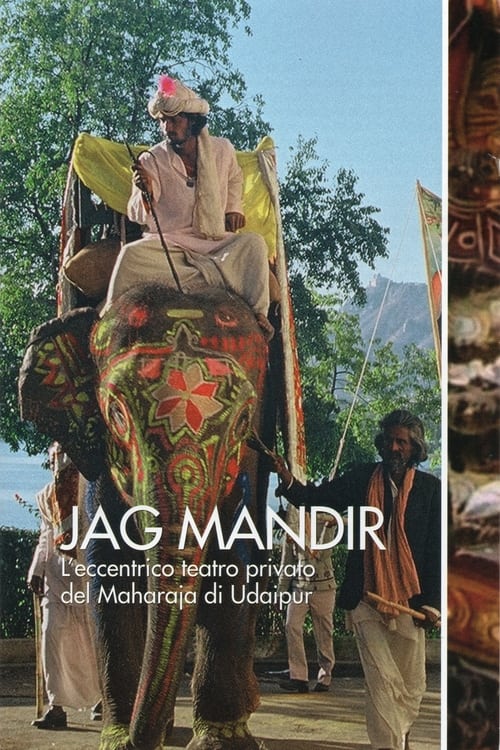
Jag Mandir is a quiet and often overlooked film in the vast oeuvre of Werner Herzog. Apparently, 20 hours of footage was shot that covered the whole fest and the film hardly presents us a twentieth of that. A native walking into the film in between may well fail to immediately realize that it is his country that is being shown and these are figures from the mythology of various sections of his nation. The bulk of the film consists of footage of an elaborate theatrical performance for the Maharana Arvind Singh Mewar at the City Palace of Udaipur, Rajasthan staged by André Heller.
One night in December 1995, 4 tons of weapons fall from the sky over India. A few days later a Danish man returns to Denmark with a grave secret. Only when an English arms dealer is arrested in India and faces death sentence, does the Dane appear in the large-scale international investigation of the case. With reconstructions and scenes resembling a feature film, the docu-thriller The Arms Drop tells the nerve-racking story of two men who gamble their lives on a joint mission with each their secret agenda, and the political, personal and diplomatic consequences 20 years later.
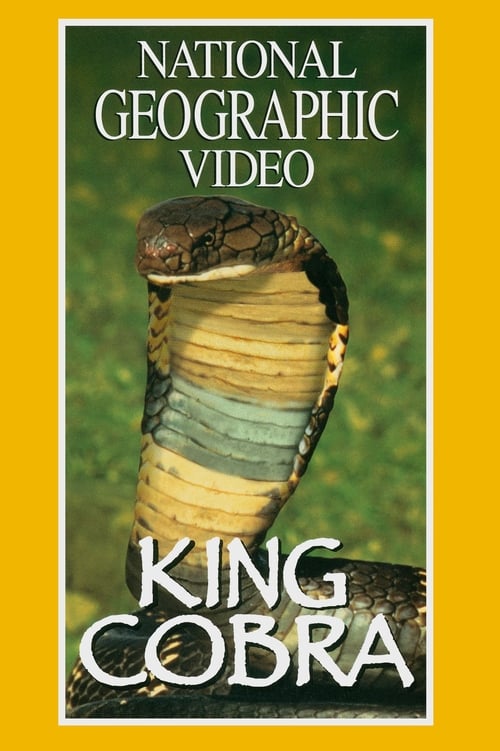
It delivers enough venom in one bite to kill a hundred people, yet it solely preys on other snakes. Through rare footage follow the King Cobra on its journey throughout the rainforests of India seeking food and a mate.
No Trailers found.
No Cast found.