A documentary filmmaker travels to Bolivia to learn more about his father and his family's history.
No Cast found.
No Trailers found.
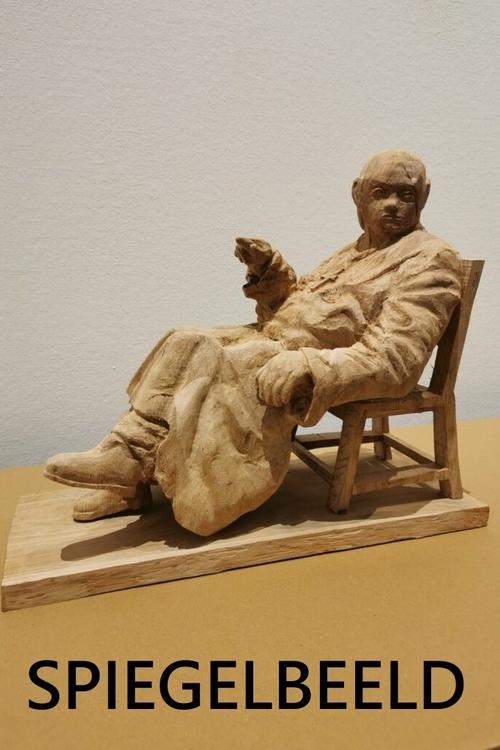
Tilburg artist Tommy van der Loo searches for the influence of superiority thinking, racism and colour in his life. Van der Loo is an emerging artist and his work has been purchased by Boijmans van Beuningen in Rotterdam. He also had an exhibition at the Kunsthal. He also made the memorial for the abolition of slavery in Eindhoven. He has had multiple experiences with discrimination and incorporates that into his sculptures. Identity and image formation are important to him: How do you look at others, how do others look at you. The search is the inspiration for his new sculpture.
Slavery has always been part of Sudan's history, but in recent years it has become a new means in Sudanese warfare. Focuses on the moral dilemma aid organisations are faced with in Southern Sudan. For more then 17 years Africa's largest country is crippled by civil war between the Islamic North and the Christian-animistic South. Over 2 million people died during this conflict. One of its horrible consequences is the revival of slavery. Slavery has always been part of Sudan's history, but in recent years it has become a new means in Sudanese warfare.
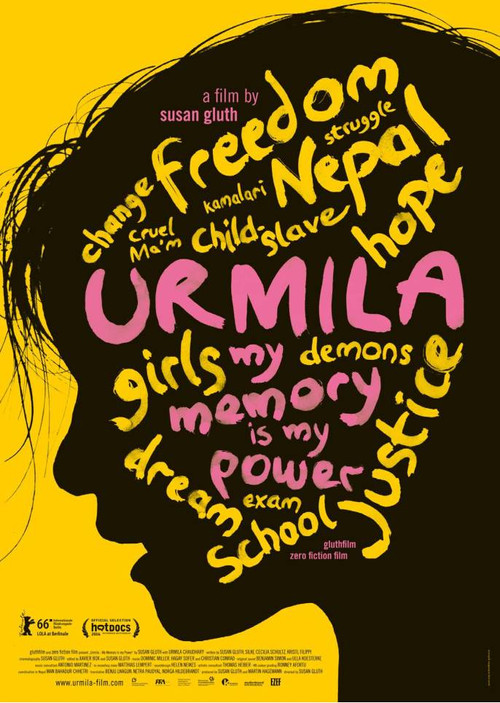
The film tells the story of 25-year-old Urmila Chaudary from Nepal. At the age of six she was sold by her family and was forced to work as a slave under appalling conditions for 12 years. Her dream is to end child slavery in Nepal. To this end she fights today as a freedom activist. A film about the quest for justice with a strength that gives courage and hope.
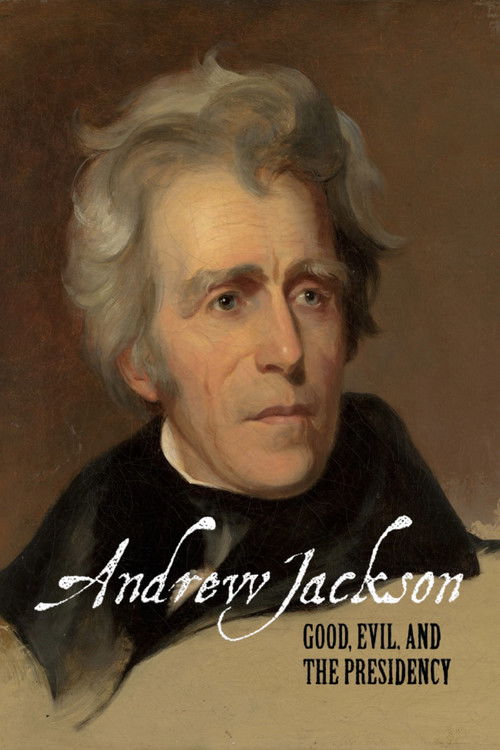
A fascinating account of the presidency of Andrew Jackson, who was both one of America's great presidents and a borderline tyrant. The seventh president shook up the glossy world of Washington, DC with his "common-man" methods and ideals, but also oversaw one of the most controversial events in American history: the forced removal of Indian tribes, including the Cherokees, from their homes.
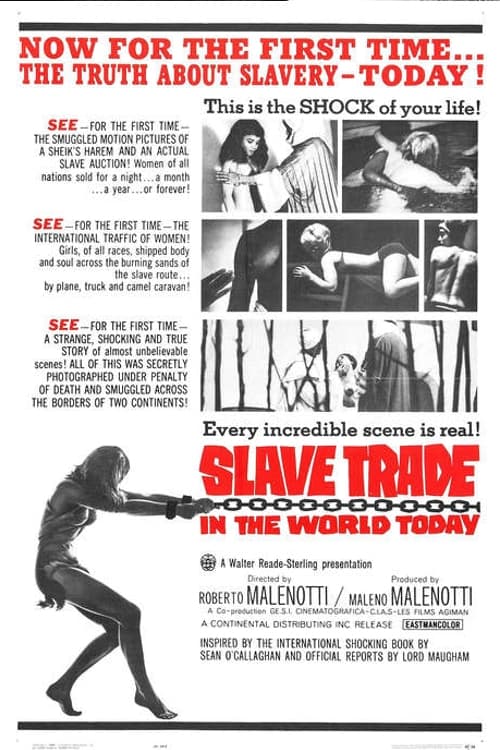
The film documents modern slave trade through a number of African countries, under dictatorship rule. The filming was conducted both in public places, and sometimes with the use of hidden cameras, for high impact scenes of nudity, sex, and violence - and a few surprises, as slaves made out of peregrins to Asia, and slave traders paid in traveller checks.
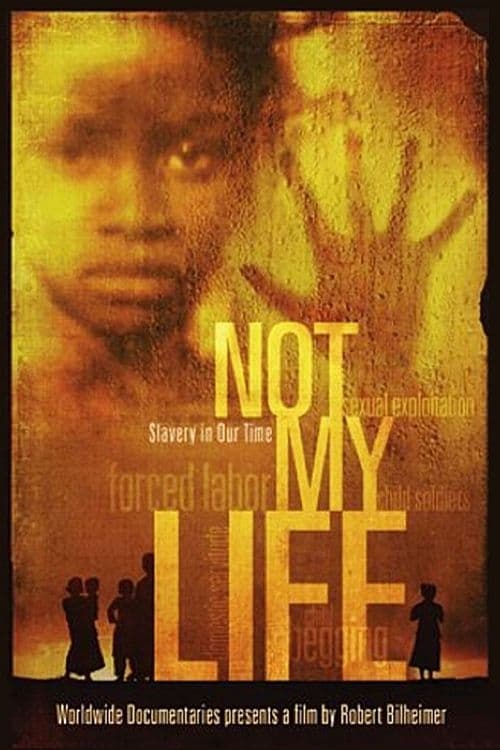
Not My Life comprehensively depicts the cruel and dehumanizing practices of human trafficking and modern slavery on a global scale. Filmed on five continents, in a dozen countries, Not My Life takes viewers into a world where millions of children are exploited through an astonishing array of practices including forced labor, sex tourism, sexual exploitation, and child soldiering.
At a time when French flags are being burned and French embassies targeted, this documentary delves into the growing disaffection between French-speaking Africa and the former colonial power. Through the voices of African leaders, pan-African activists, and committed young people, the film questions the persistence of a relationship marked by the aftermath of colonization, the opaque agreements of "Françafrique," and a military presence deemed paternalistic.
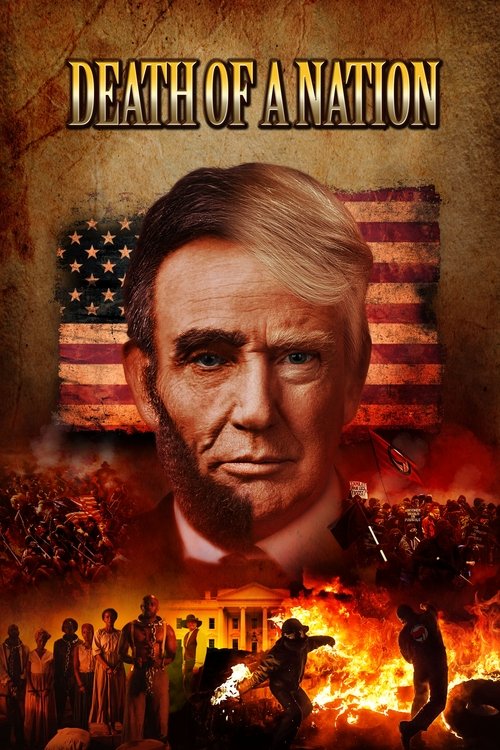
Parallels are drawn between Abraham Lincoln's presidency and the presidency of Donald Trump. Not since 1860 have the Democrats so fanatically refused to accept the result of a free election. That year, their target was Lincoln. They smeared him. They went to war to defeat him. In the end, they assassinated him.
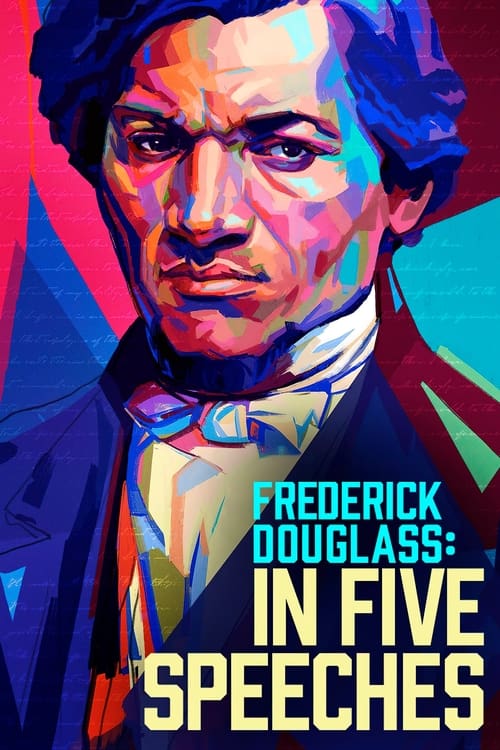
Acclaimed actors draw from five of Douglass’ legendary speeches, to represent a different moment in the tumultuous history of 19th century America as well as a different stage of Douglass’ long and celebrated life, while famed scholars provide context for the speeches, and remind us that Frederick Douglass’ words about racial injustice still resonate deeply today.
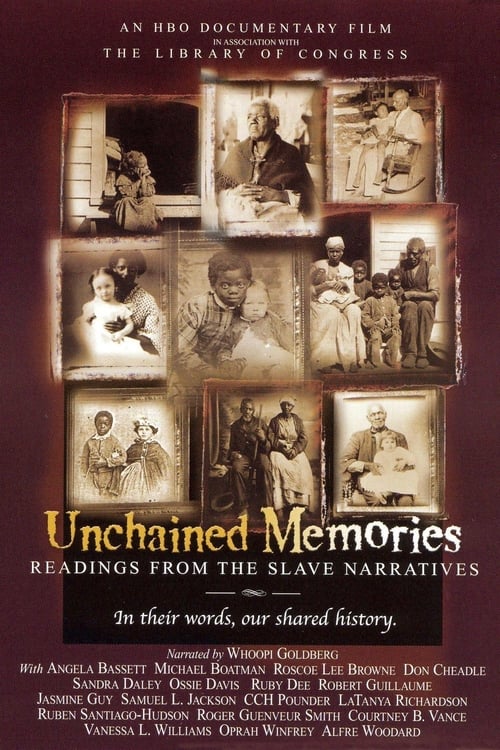
When the Civil War ended in 1865, more than four million slaves were set free. Over 70 years later, the memories of some 2,000 slave-era survivors were transcribed and preserved by the Library of Congress. These first-person anecdotes, ranging from the brutal to the bittersweet, have been brought to vivid life in this unique HBO documentary special, featuring the on-camera voices of over a dozen top African-American actors.
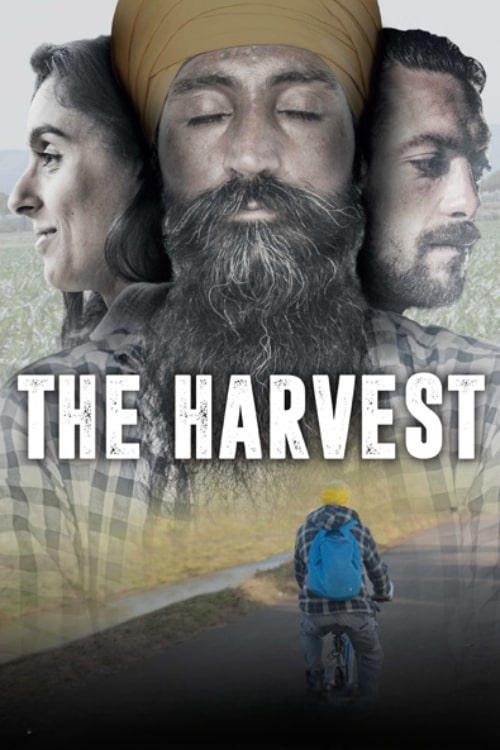
Gurwinder comes from Punjab, he’s been working for years as a farm hand in Agro Pontino, not far from Rome. Since he first came in Italy, he’s been living with the rest of the Sikh community in Latina province. Hardeep is also Indian, but her stress is Roman, and she works as a cultural mediator. She, born and raised in Italy, is trying to free herself from the memories of a family that emigrated in another age, while he is forced, against his faith, to take methamphetamine and doping to bear the heavy work pace, to be able to send money in India.
America's Founding Fathers were yearning for a nation of individual liberty. But, the origins of America were overflowing with a deep-seated paradox. The Founding Fathers were rallying the colonists to liberty, while many were slave owners.
A man that is a stranger, is an incredibly easy man to hate. However, walking in a stranger’s shoes, even for a short while, can transform a perceived adversary into an ally. Power is found in coming to know our neighbor’s hearts. For in the darkness of ignorance, enemies are made and wars are waged, but in the light of understanding, family extends beyond blood lines and legacies of hatred crumble.
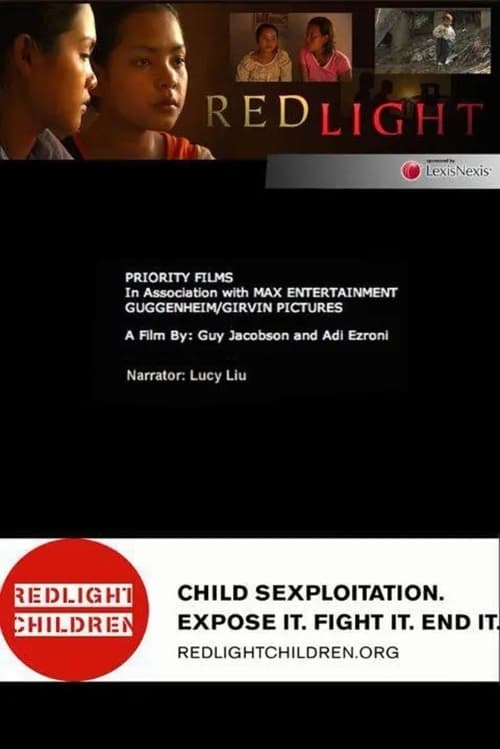
A powerful feature documentary about child sexploitation, an epidemic happening in every country around the world. Filmed over a four year period, REDLIGHT focuses on the personal stories of young Cambodian victims and two remarkable advocates for change: grass-roots activist Somaly Mam and politician Mu Sochua. Using gritty footage smuggled out of brothels and harrowing testimonials, REDLIGHT follows the plight of several current and former child sex slaves. Some are trying to regain entry into Cambodian society to find some semblance of normality after their horrific experiences. Other stories highlight the plight of victims who are attempting to bring the perpetrators to justice. Their torturous yet ultimately heroic battles to find witnesses and take brothel owners to court are dramatically brought to life in this topical and moving feature documentary.
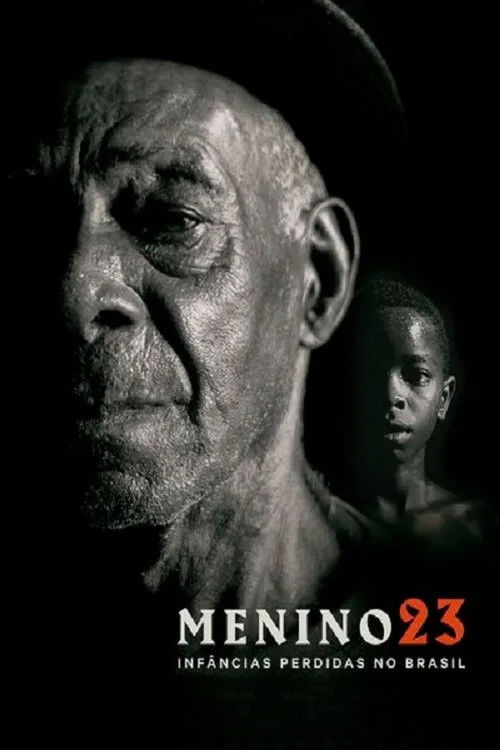
The film accompanies the investigation of the historian Sidney Aguilar after the discovery of bricks marked with Nazi swastikas in the interior of São Paulo. They then discover a horrifying fact that during the 1930s, fifty black and mullato boys were taken from an orphanage in Rio de Janeiro to the farm where the bricks were found. There they were identified by numbers and were submitted to slave labour by a family that was part of the political and economic elite of the country and who did not hide their Nazi sympathizing ideals.
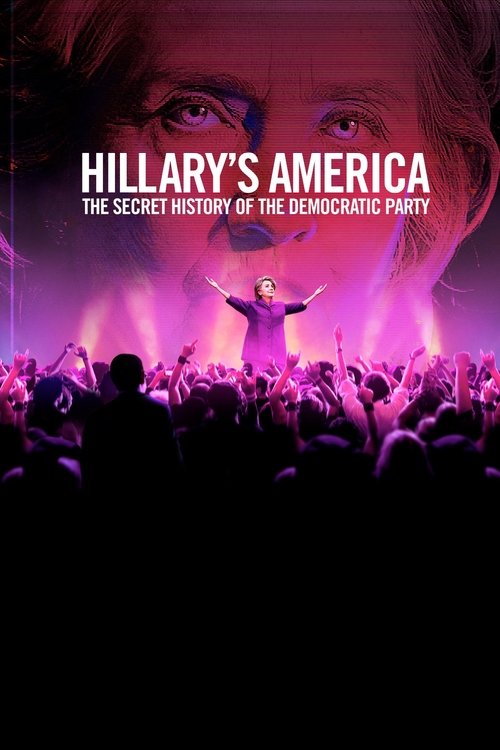
Bestselling author and influential filmmaker Dinesh D’Souza reveals the sordid truth about Hillary Clinton and the secret history of the Democratic Party. This important and controversial film releases at a critical time leading up to the 2016 Presidential campaign and challenges the state of American politics.
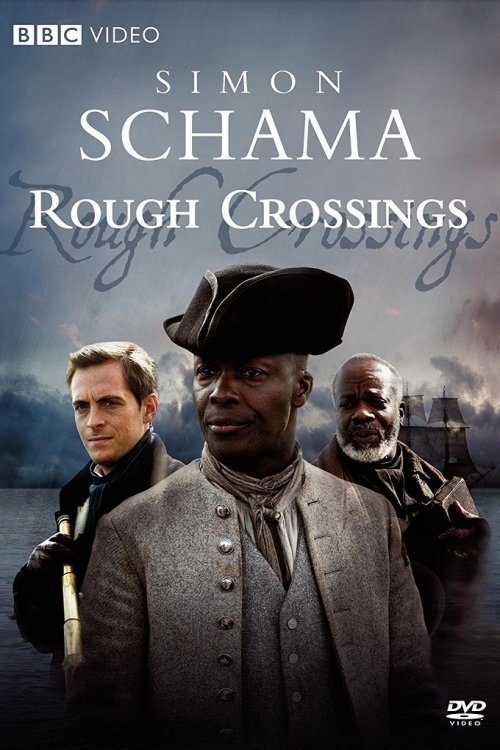
Simon Schama presents a drama-documentary that charts the extraordinary journey of the American slaves who fought for the British side in the American War of Independence and were then led by a young Englishman to Africa. There, they struggled to establish a colony in Sierra Leone, where they could be free.
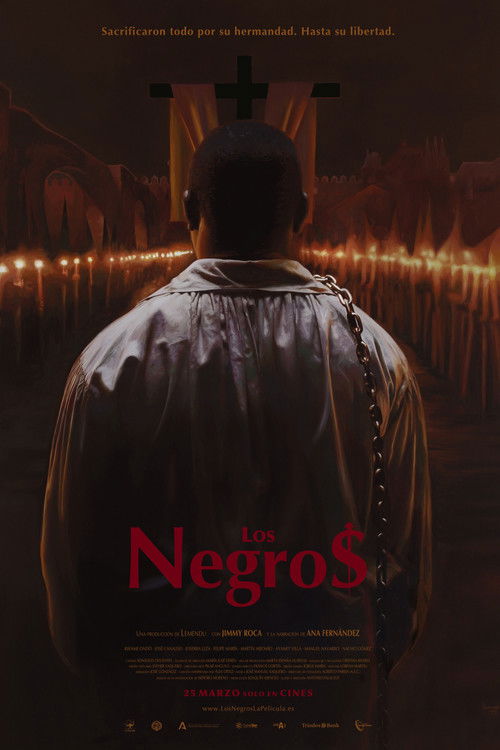
Seville, Spain, 14th century. A group of black slaves brought from Africa form the Hermandad de los Negros, a Holy Week brotherhood that has survived over the centuries, despite the opposition of the powerful; still active, it is one of the oldest institutions in Europe.
The documentary "Caixa D'água: Qui-lombo is this?" It reports, through testimonies from former residents and photographic collections, the importance in the cultural and historical scope of the Getúlio Vargas neighborhood located in Aracaju, capital of Sergipe. Emphasis is placed on black culture and the presence of black slaves and their descendants, with the rescue of issues related to their origin, orality, geographical location and awareness of their racial identity, showing that, although this community exists in an urban area, it still maintains many aspects of the quilombo life of the former black slaves in Brazil.
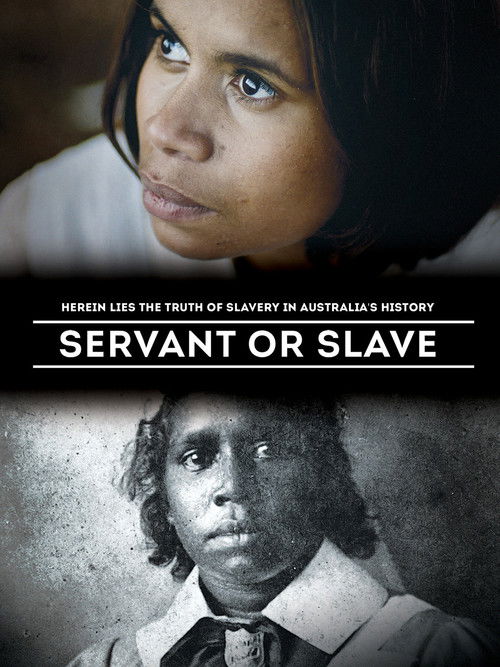
During the time of the Stolen Generations, thousands upon thousands of Aboriginal girls were taken from their families and pressed into domestic servitude by the Australian Government. They were supposedly employed as servants, but with total control over their movements, wages and living conditions, their lives all too frequently became an inescapable cycle of abuse, rape and enslavement, with consequences that echo powerfully to this day. Recounting the stories of five of these women – Rita, Violet and the three Wenberg sisters – Servant or Slave is a commanding piece of first-person testimony to a dark and unacknowledged corner of Australian history. Shot with admirable craft and humanity by documentarian Steven McGregor (Croker Island Exodus, MIFF 2012), Servant or Slave is a work of great sadness and urgency, bringing to forceful life the human tragedy of Australia's Indigenous history in the unadorned words of those who lived it.