No Trailers found.
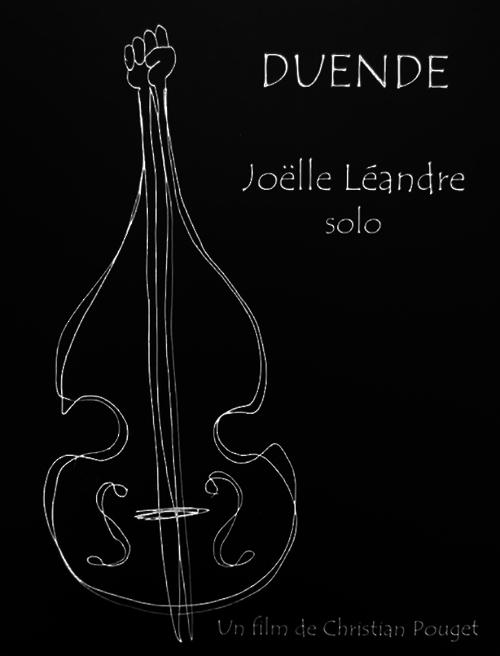
Joëlle Léandre
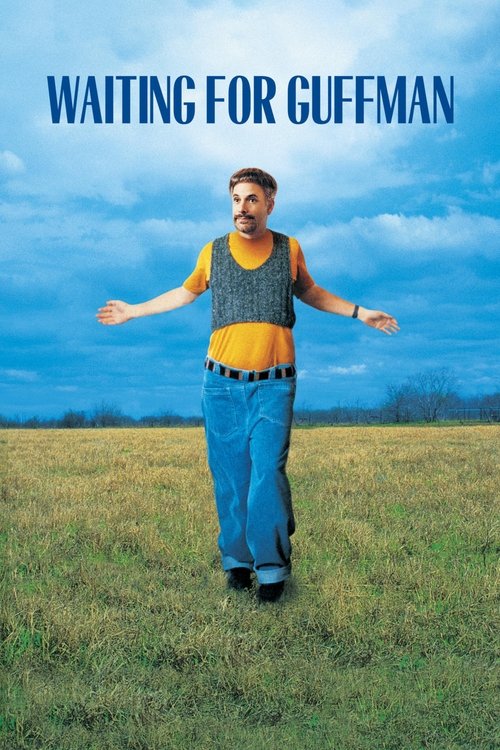
Aspiring director Corky St. Clair and the marginally talented amateur cast of his hokey small-town musical production go overboard when they learn that Broadway theater agent Mort Guffman will be in attendance.
Retracing the longstanding career of avant-garde drummer Sunny Murray, one of the most influential figures of the Free jazz revolution. Through a series of interviews with key time witnesses as well as historic and contemporary concert footage, it reassesses the relationship between the libertarian music movement and the political events of the 1960s, whose social claims it so intimately reflected. By doing so, it also recounts how the most radical forms of musical expression were excluded from the major production and distribution networks as the libertarian ideal went out of fashion. Beyond its historical approach, the film follows Sunny Murray on current gigs, showing his daily struggle to perpetuate a musical genre which is still widely ignored by the general public. In doing so, Sunny's time now also dwells on the near-clandestine community of aficionados who continue to worship the gods of their musical coming of age, and whose unfaltering support has permitted free ...
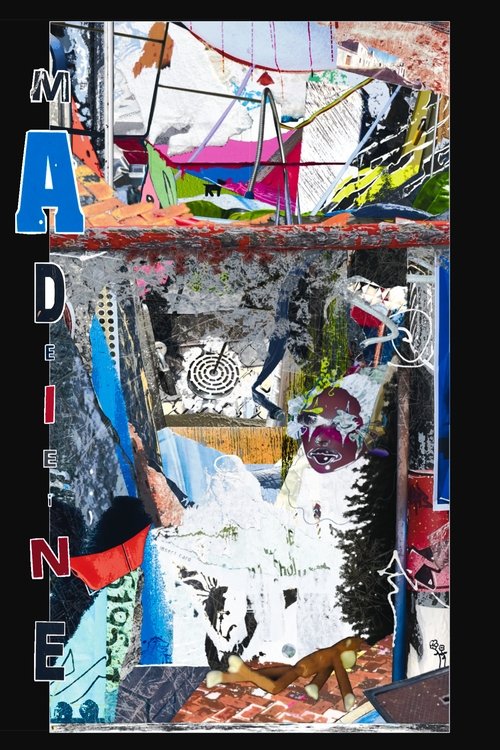
A stop motion/collaged based independent short film plays with the recontextualisation of memories and how time distorts them.
In January 2025, experimental jazz duo Myshko Birchenko and Yevhen Puhachov, members of Hyphen Dash, travelled to Kramatorsk without any pre-made drafts or demo recordings to use music as a vessel to capture the emotions present in a place on the edge of a battle for survival and explore the therapeutic nature of music and improvisation in the brutal reality of war. They packed all the equipment into a car, drove 700 kilometres from Kyiv to the frontline city Kramatorsk, and turned one of many basements which serve as shelters into a makeshift recording studio. As a result, they recorded over 300 minutes of music, which were eventually distilled into a 90-minute album.
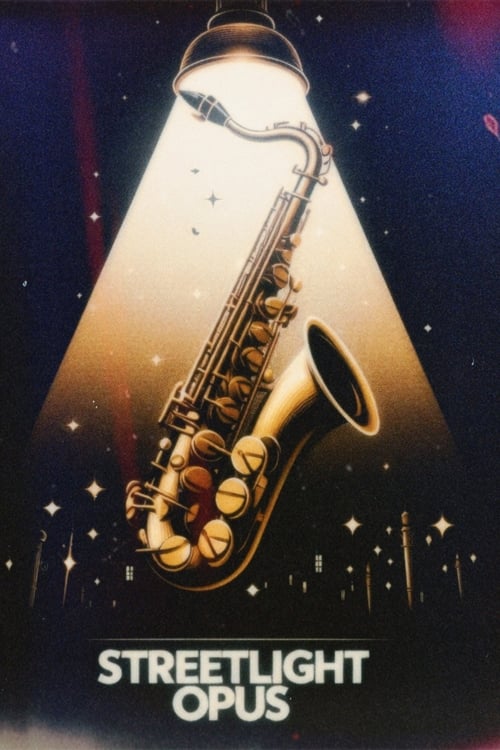
When two buskers find themselves situated on the same busy street corner, a musical battle ensues when the musicians realise that the lively city isn't big enough for the both of them
The Sonny Sharrock Band live in Prague as part of the Knitting Factory Festival Tour of Europe 1990.
Documentary about the Chicago jazz scene.
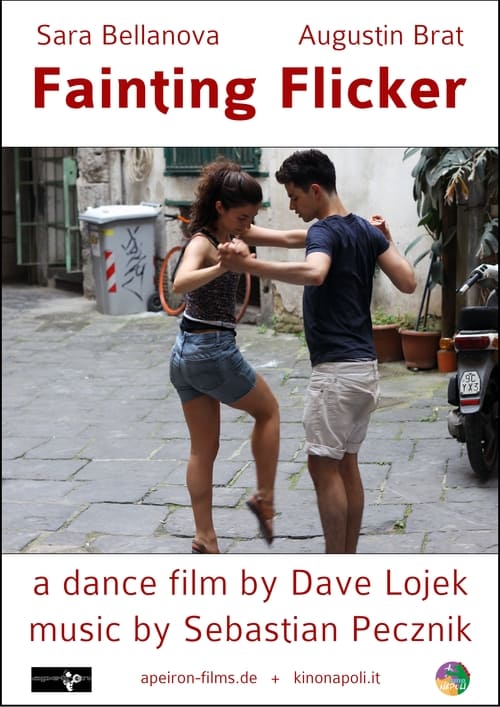
Two young strangers meet in Naples and begin to flirt and dance in the street.
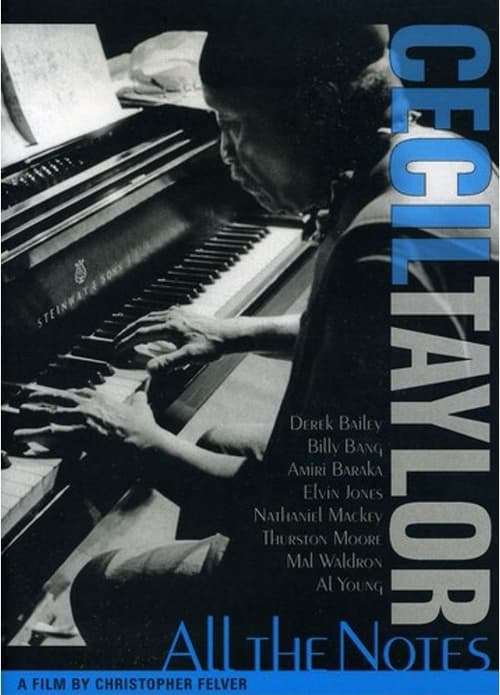
Cecil Taylor was the grand master of free jazz piano. "All the Notes" captures in breezy fashion the unconventional stance of this media-shy modern musical genius, regarded as one of the true giants of post-war music. Seated at his beloved and battered piano in his Brooklyn brownstone the maestro holds court with frequent stentorian pronouncements on life, art and music.
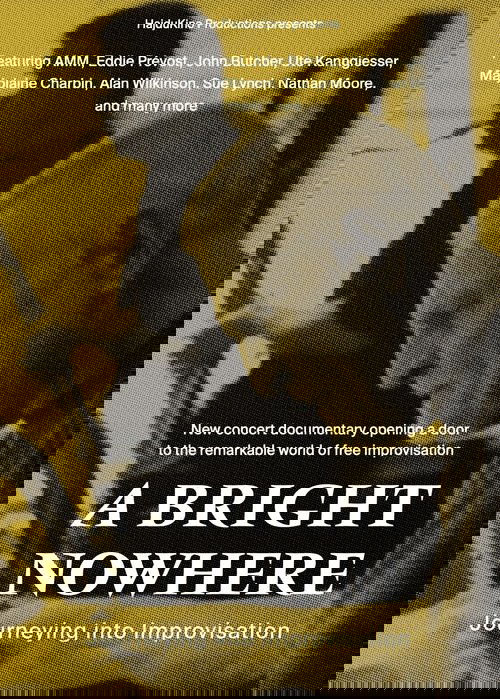
An important audio-visual record of a landmark series of four concerts staged in London in 2022 when more than 30 musicians joined improviser, percussionist and animateur Eddie Prévost to mark his 80th birthday. The film takes a close look at improvisers who create music in the moment, free from the authority of a composer, score or conductor. Ranging from profound delicacy to subversive atonality, the “awkward wealth” of this music raises vital questions about artistic freedom, individual responsibility and what it means for people to make music together in the 21st Century. Featuring performances by John Butcher, Sue Lynch, Ute Kanngiesser, Marjolaine Charbin, Nathan Moore, Seymour Wright, Veryan Weston, Alan Wilkinson, John Tilbury and Eddie Prévost amongst others. Plus readings by musician and author David Toop. The film includes the last ever concert by AMM, the pioneering improvising group co-founded by Eddie Prévost in the mid-1960s.
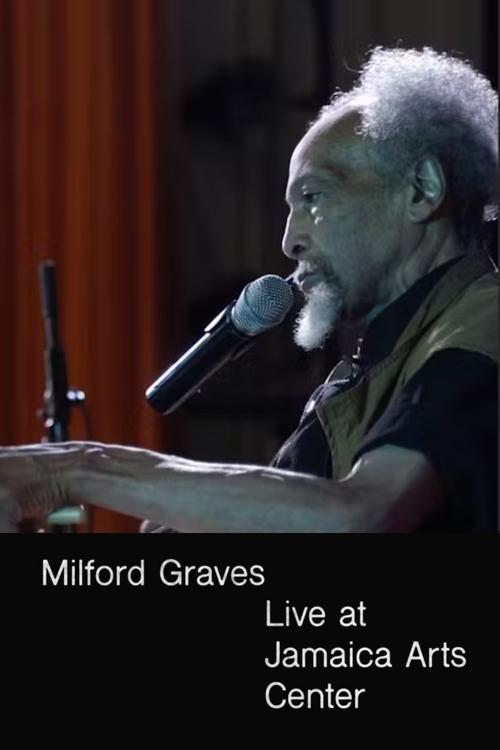
Filmed in and around percussionist Milford Grave’s last public concert in his neighborhood of Jamaica, Queens.
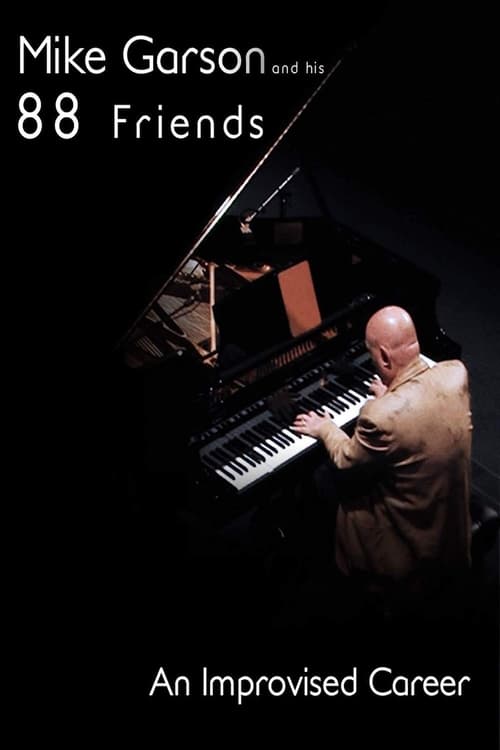
An intimate documentary portrait of world-class improvisational and traditional pianist Mike Garson as he tours, performs, and teaches.
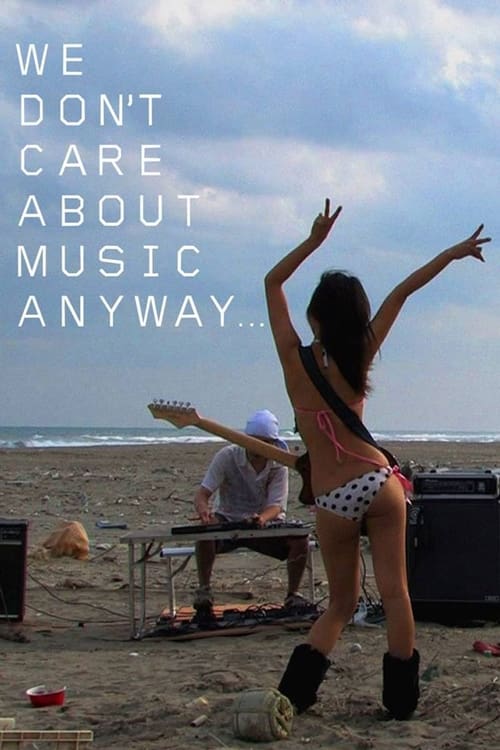
From radical turntablism (Otomo Yoshihide) to laptop music innovation (Numb), via classical instrument hijacking (Sakamoto Hiromichi), Tokyo's avant-garde music scene is internationally known for its boldness. While introducing some of the greatest musicians of this scene, "We Don't Care About Music Anyway..." offers a kaleidoscopic view of Tokyo, confronting music and noise, sound and image, reality and representation, documentary and fiction.
7 is a concert film of the Norwegian band supersilent. Recorded in Oslo in August of 2004, it is the first video release by the band after four records (1-3, 4, 5, 6), all released on Norway's Rune Grammofon label. This is completely improvised music, sometimes very noisy, sometimes very quiet and ethereal, and always very beautiful.
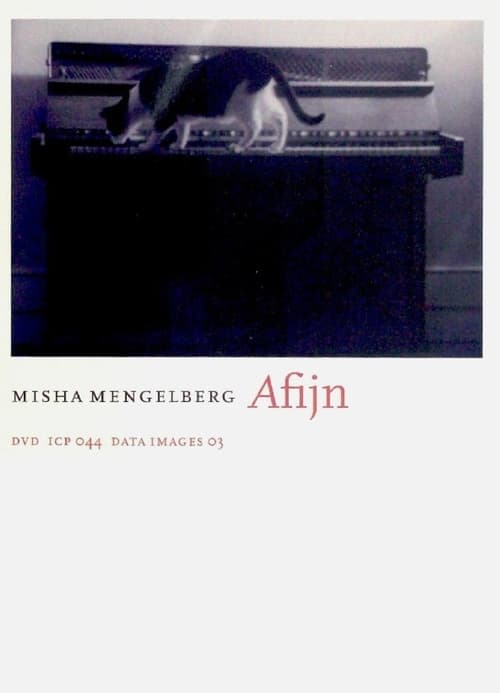
This feature-length documentary chronicles the life and playful methods of Dutch pianist and composer Misha Mengelberg, a significant figure in post-WWII European Jazz and free improvisation. Archival footage, rehearsal / performance sequences and interviews with both Mengelberg (the "godfather of Dutch improvised music") and key collaborators provide a clear insight in Mengelberg's original way of thinking and way of working.
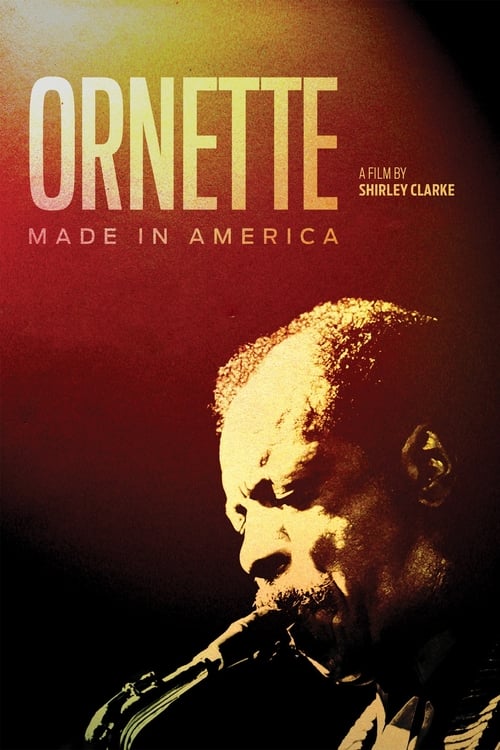
Shirley Clarke's frenetic documentary about multi-talented musician Ornette Coleman.
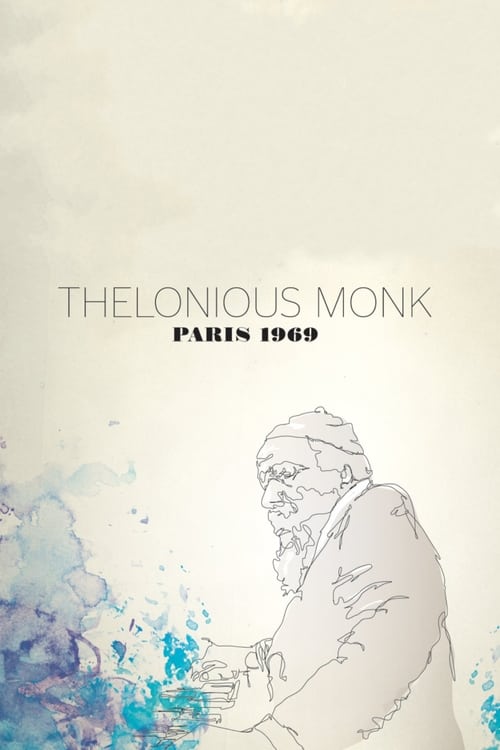
Live archive release from the Jazz legend. Thelonious Monk Paris 1969 is a fascinating and important late-career document of the legendary Jazz pianist and composer in performance with his Quartet at the Salle Pleyel concert hall in Paris, France on December 15, 1969. The concert also featured a surprise guest appearance from renowned drummer Philly Joe Jones. Filmed in Black & White.
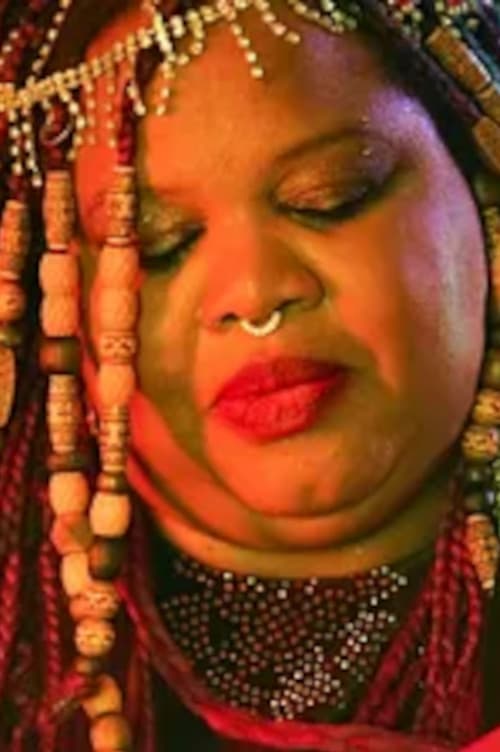
Angel Bat Dawid - one of the great jazz discoveries of recent years as a guest at Chassol in Ground Control. Chicago-native Angel Bat Dawid is one of the many talents tracked down by the US label International Anthem. Together with trumpeter Jaimie Branch and drummer Makaya McCraven, Angel Bat Dawid ensures that the "Windy City" is on the radar for jazz all over the world. The musician switches between vocals, clarinet and piano with amazing ease. But apart from that, Angel Bat Dawid is able to breathe a highly spiritual dimension into her music like no other, so that her jazz almost borders on gospel. Listening to the multi-instrumentalist therefore sometimes has something of a transcendental experience, at times reminiscent of the music of Sun Ra. This concert at Ground Control reveals all the artistic glory of their music. Recording of July 4, 2022 at Ground Control, Paris.
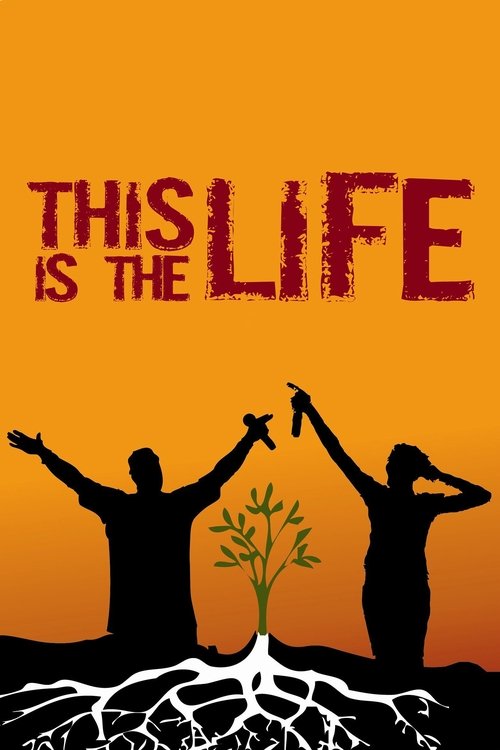
In 1989, a collective of young hip hop artists gathered at a health food café in South Central Los Angeles. Their mandate? To reject gang culture and expand the musical boundaries of hip hop. DuVernay's documentary chronicles the historic legacy of the Good Life Cafe — the open mic nights that became an L.A. institution, the eclectic array of talented young MCs that emerged there, the alternative hip hop movement they developed, and their worldwide influence on the artform.
No overview available.