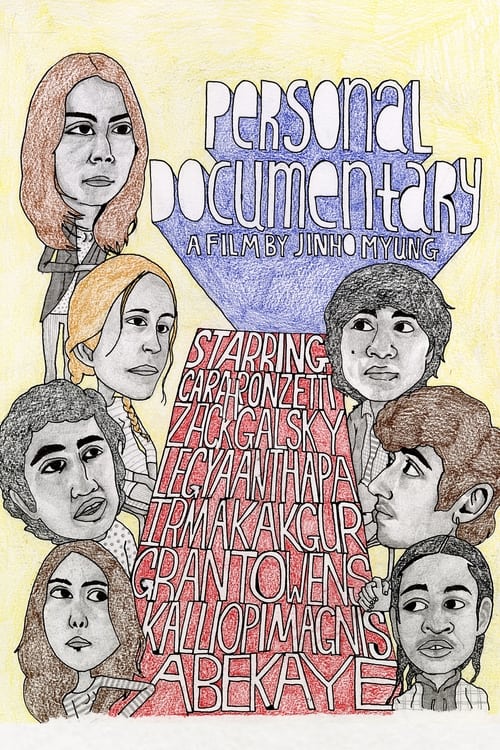
During the summer semester at a New York City arts school, boundaries begin to blur between an adjunct professor and the students in her Personal Documentary filmmaking class.
Cara
Zach
Legyaan
Irmak
Kalliopi
Grant
Abe
No overview available.
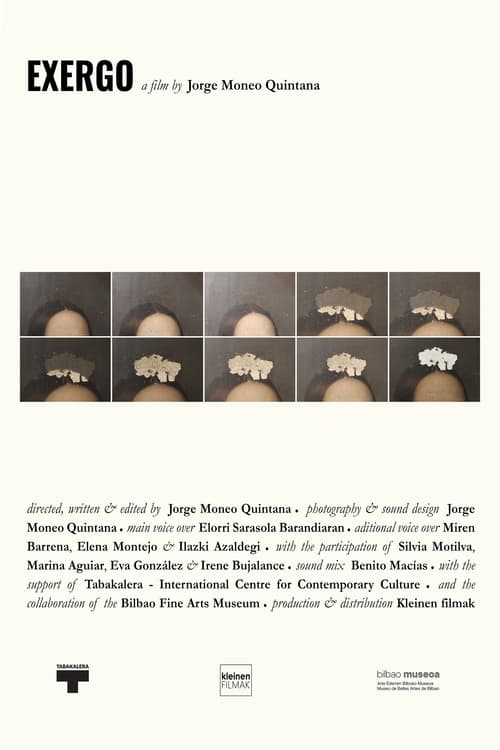
Departing from peripheral details of some paintings of the Bilbao Fine Arts Museum, a female narrator unravels several stories related to the economic, social and psychological conditions of past and current artists.
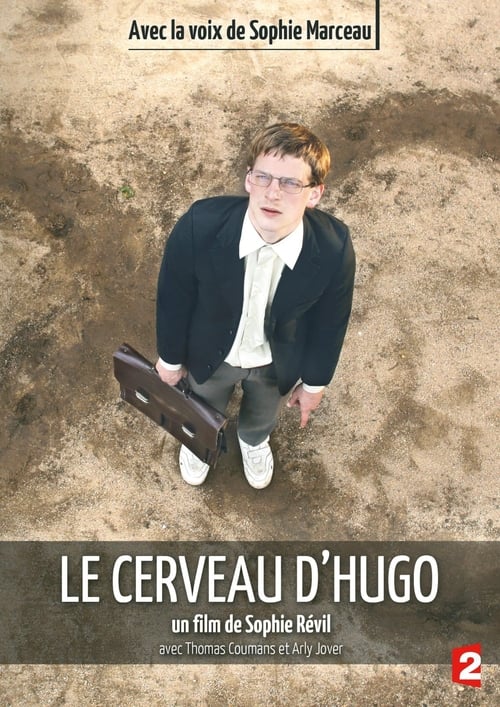
The Hugo's Brain is a French documentary-drama about autism. The documentary crosses authentic autistic stories with a fiction story about the life of an autistic (Hugo), from childhood to adulthood, portraying his difficulties and his handicap.
Stefan reunites with his family to celebrate his grandmother's birthday for the first time after his mother's recent passing. This homecoming, driven by his urge to complete a film about his mother and an attempt to make amends by rescuing a stray dog, will ignite an introspective journey for Stefan. Inspired by the director's real-life experiences and starring his actual family members in a mission to complete a lake house and a film, this is an intimate cinematic exploration of the timeless mother-son relationship.
Felix and Mark are close to being invited to a party after school. Problem is — they need to bring their own alcohol. With zero experience, they enlist the aid of Ethan, but things don't go as planned, leading Felix and Mark into an argument that puts their friendship hanging in balance.
A radio DJ in pursuit of an exclusive interview follows ABBA during their mega-successful tour of Australia.
Through our subject Adam, we reveal the incredible changes and forces that take all humankind from Cradle to Grave.
In near-future New York, ten years after the “social-democratic war of liberation,” diverse groups of women organize a feminist uprising as equality remains unfulfilled.
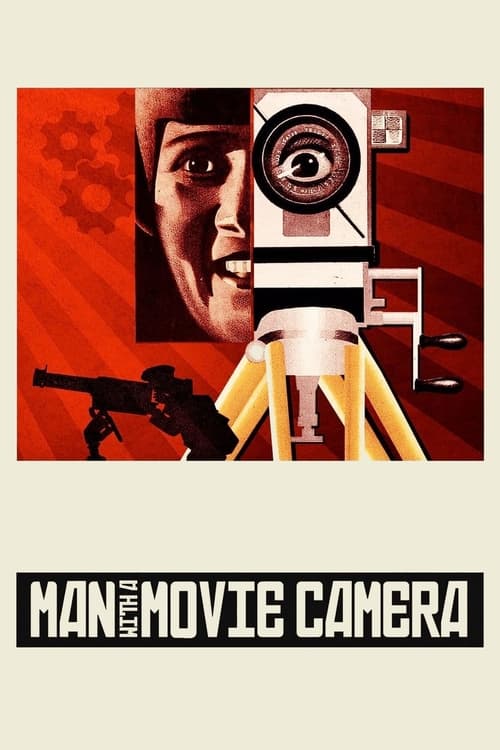
A cameraman wanders around with a camera slung over his shoulder, documenting urban life with dazzling inventiveness.
This documentary is a reconstruction, based on archive footage, testimonies, and filmed reconstructions, of the Vincendon / Henry tragedy. December 1956: Jean Vincendon and François Henry, two young mountaineers, aspire to join the High Mountain Group. Lacking experience, they set out to climb Mont Blanc via the Brenva spur in the middle of winter. The weather conditions deteriorated, and they decided to give up before meeting Walter Bonatti and Sylvano Gheser. They then decided to continue the climb and set off in two different roped parties. Bonatti decided to take refuge at the Vallot refuge higher up, rather than descend. The two young mountaineers, overcome by the poor weather conditions and fatigue, remained stuck for several days at 4,000 meters. What followed was a completely disorganized rescue operation that became, for more than ten days, a spectacle for all of France and a national tragedy.
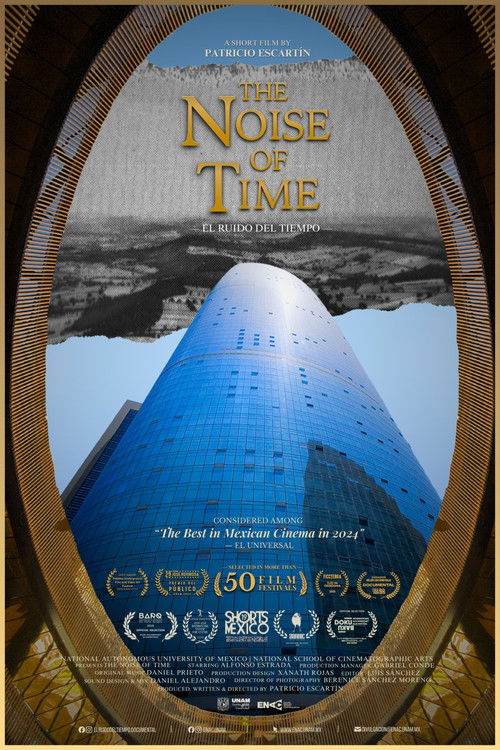
In the town of Xoco, the spirit of an old villager awakens in search of its lost home. Along its journey, the ghost discovers that the town still celebrates its most important festivities, but also learns that the construction of a new commercial complex called Mítikah will threaten the existence of both the traditions and the town itself.
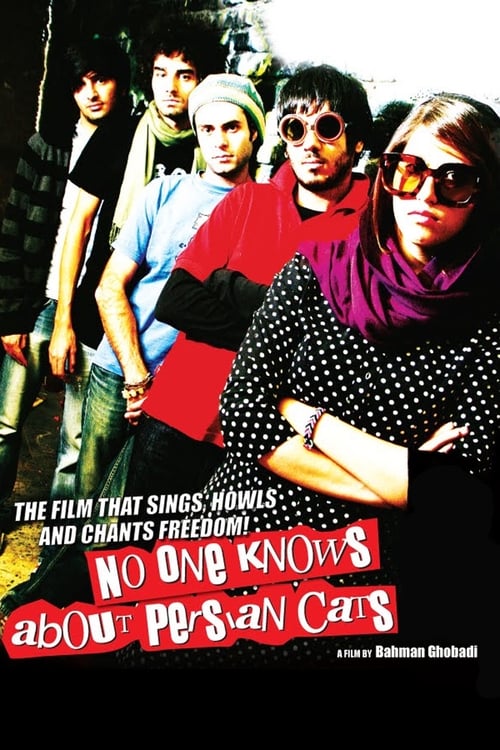
Iranian musicians Negar and Ashkan look for band members to play at a London concert ... and the visa that allows them to leave Tehran to do so.
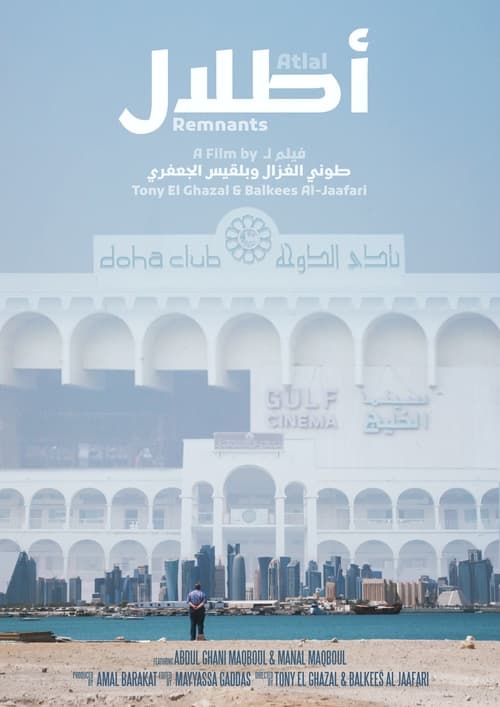
'Atlal (Remnants)' is a fictional documentary that follows Bassam, a Palestinian man in his fifties, on a journey between the past and present. An abandoned school, the remains of a beach club, and a dusty cinema hold Bassam's cherished memories from his life in Qatar. Through personal archives and interviews with Bassam and his wife, Laila, we get a deeper look into their stories—slowly revealing the dismaying thoughts behind Bassam's nostalgia.
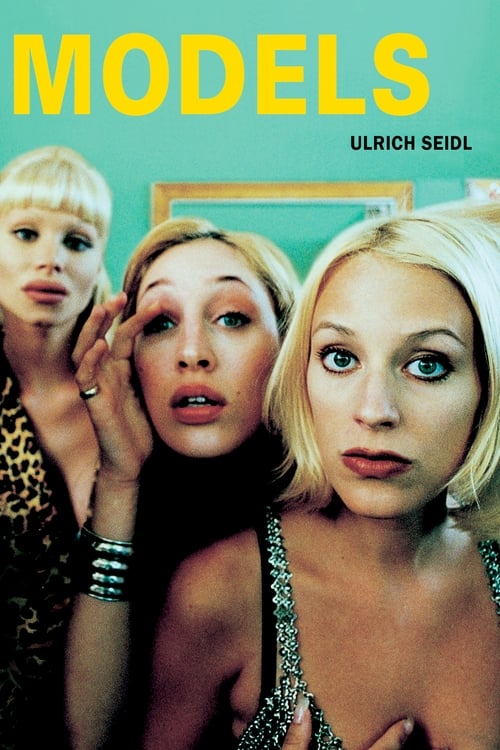
A revealing and devastating portrait of a trio of aspiring real-life Viennese models. Vivian will stop at nothing to be a magazine cover girl. Lisa fills her time with routine plastic surgery and cocaine binges, while innocent Tanja focuses on the mystical through tarot cards, yoga, and raw animal energy.
The idyllic life of a young Cajun boy and his pet raccoon is disrupted when the tranquility of the bayou is broken by an oil well drilling near his home.
Filmmaker Richard Dindo's unique documentary uses historical reenactments and speculative "interviews" of historical figures to paint a fascinating portrait of one of the most influential writers of modern literature, renowned author Franz Kafka. Best known for his novel The Metamorphosis, Kafka was famously secretive and eccentric, and the details of his private life have become just as captivating to his fans as his work.
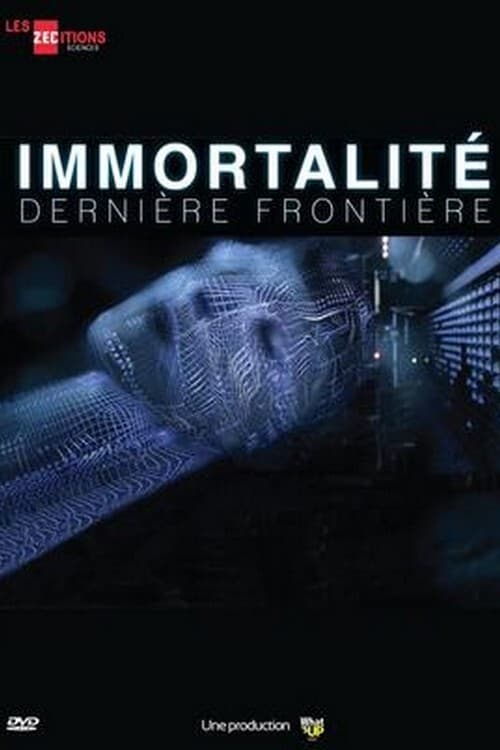
Immortality and eternal life: Will this great human dream come true? In any case, cryonics is making ever greater progress, human cloning no longer seems impossible and research is being carried out into the digital reproduction of the brain. Taking stock in the USA, Canada, Europe and Russia. The documentary delves into a world in which all-too-human people refuse to simply be wiped out by death. It shows how difficult it is to resist the promises of eternal life and also highlights the economic interests behind such endeavors. Google's push is just one sign of a possible two-tier society of the future: on the one hand, the rich who have access to such "offers", on the other, the rest of society.
No Trailers found.