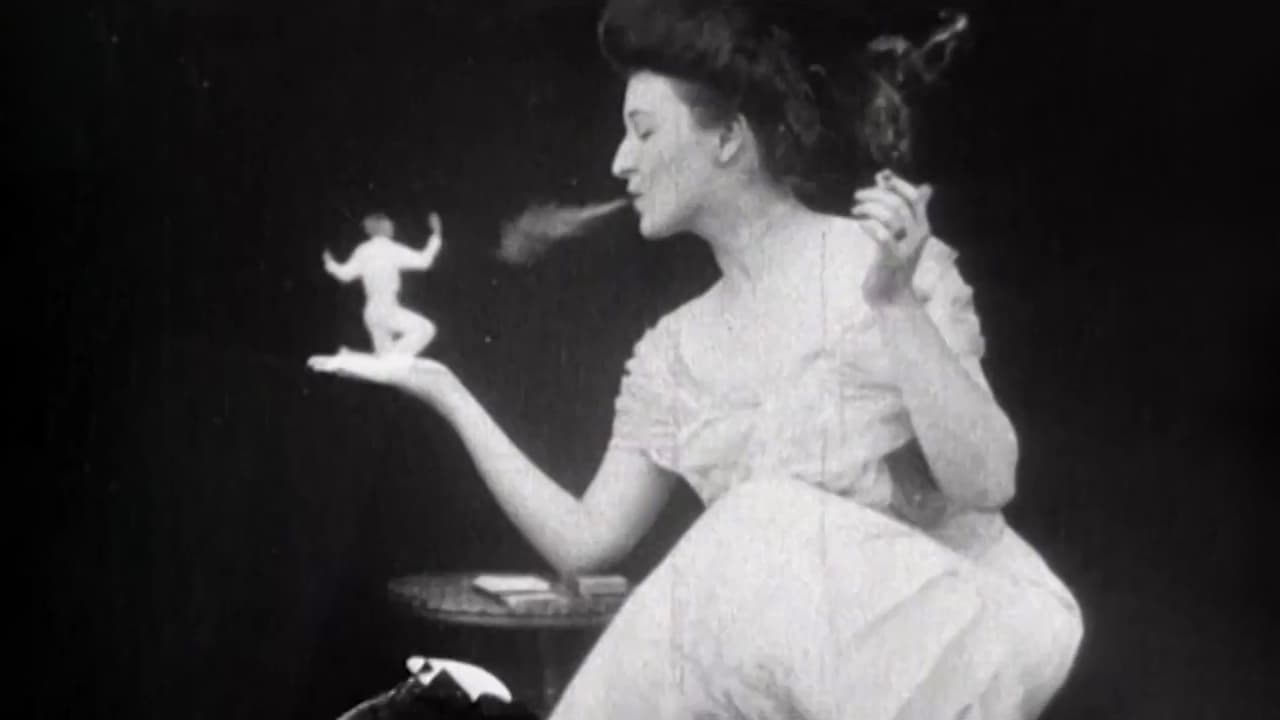
An exploration of the early public debate surrounding birth control, the media's involvement, and the unstoppable Margaret Sanger, in a style mimicking the films of the period.
No Cast found.
No Trailers found.
Celebrate International Women’s Day with this brand new inspiring film from LETTERS LIVE. In “LETTERS LIVE from the Archive: International Women’s Day”, remarkable letters are read by a diverse array of outstanding luminaries, including stunning performances from Olivia Colman, Gillian Anderson, Daisy Ridley, Caitlin Moran, Rose McGowan, Adwoa Aboah, Louise Brealey and more. Plus music from Roxanne Tataei.
When 90% of Iceland’s women walked off the job and out of their homes one morning in 1975, they brought their country to its knees and catapulted Iceland to the forefront of today's global fight for gender equality. Unexpectedly funny, laced with evocative animation and powerfully told by the women who lived it – this is the true story of 12 hours that launched a revolution.
Afghan documentary maker Najiba Noori offers not only a loving and intimate portrait of her mother Hawa, but also shows in detail how the arduous improvement of the position of women is undone by geopolitical violence. The film follows the fortunes of Noori’s family, who belong to the Hazaras, an ethnic group that has suffered greatly from discrimination and persecution.
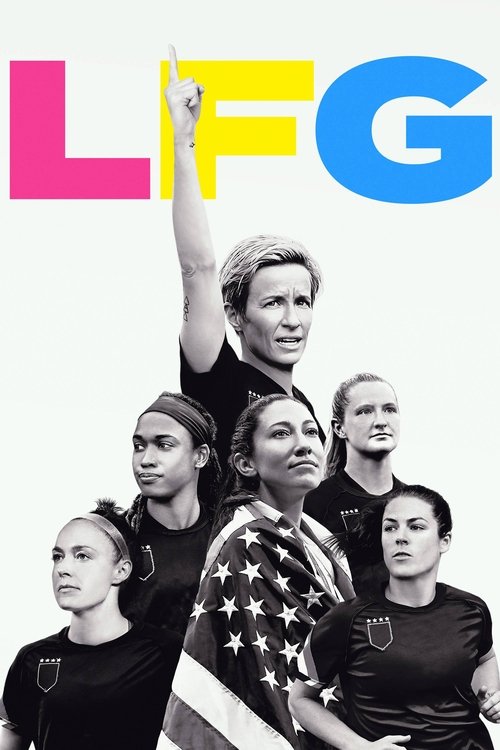
Three months before the 2019 World Cup, the U.S. Women’s National Soccer Team filed a gender discrimination lawsuit against the United States Soccer Federation. At the center of this no-holds-barred account are the players themselves–Megan Rapinoe, Jessica McDonald, Becky Sauerbrunn, Kelley O'Hara and others–who share their stories of courage and resiliency as they take on the biggest fight for women's rights since Title IX.
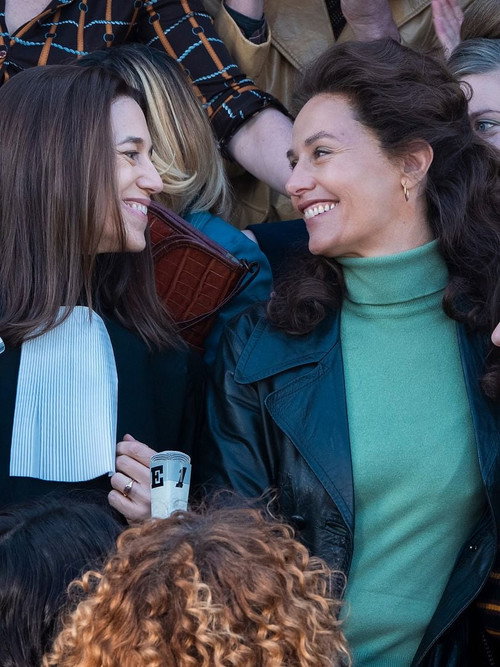
1972. A landmark trial shakes France as young Marie-Claire is prosecuted for having an illegal abortion with the help of her mother and two other defendants. In a courtroom governed by men, the verdict seems inevitable: prison for the women, while the rapist goes unpunished. Their last hope lies with Gisèle Halimi, a fearless lawyer known for openly challenging patriarchy and confronting the system that condemns victims and lets perpetrators walk free. Alongside the accused, Gisèle will not only change their fate, but, against all odds, transform the condition of women forever
Short film against the oppression of women. At first, differences in education are presented and then how the relationship between women and men looks like in the professional world.
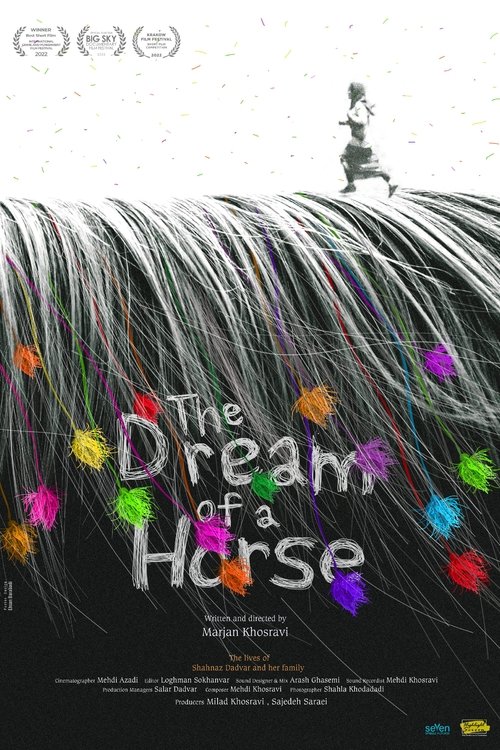
In a mountainous but extremely green landscape goats jump over the rocks and laughing children run after them. In this paradise on earth, nomadic families have found their temporary home. From one of these families comes a teenage girl, Shahnaz. The girl should be getting married soon, but her thoughts are focused on the world of literature.
Documentary film about the controversial movement of women seeking ordination in the Roman Catholic Church. More and more women are answering a spiritual calling to take on the vestments of priesthood and seek equality in the religion they love. These daring women have risked banishment, loss of livelihood, and even excommunication to take part in what the Church calls illicit ordinations. The Vatican has vowed to end this threat to the male hierarchy, even forbidding the mere discussion of female priests. The papacy has reached a time of crisis and the controversy over women's role, and their place in the Church, must be addressed if the Vatican is to have any relevance in the 21st century.
No overview available.
Three young Irish women struggle to maintain their spirits while they endure dehumanizing abuse as inmates of a Magdalene Sisters Asylum.
Women talk about the circumstances that drove them to seek illegal abortions and the often traumatic result. Interwoven with historical photographs and newsreel footage, the stories expose how the reality of women's lives were counterposed to what was socially and morally expected of them.
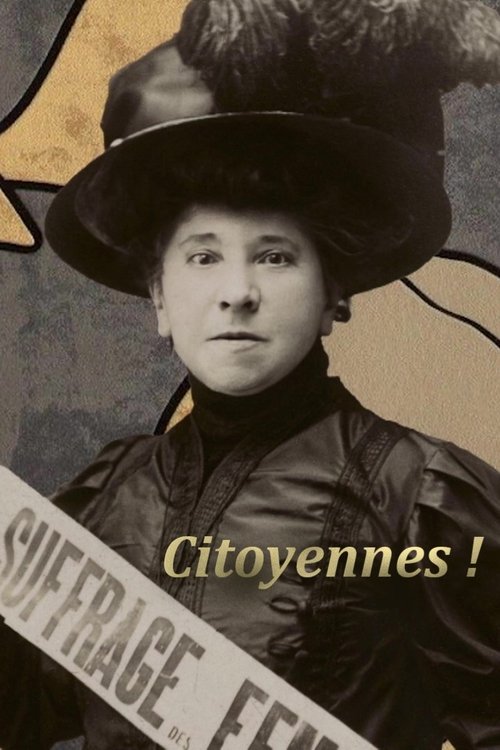
Today, it seems incredible that just a century ago, American women had no voice in democracy. Just as remarkable is that it took over 70 years of campaigns, marches, hunger strikes, and arrests to pass the constitutional amendment guaranteeing them the right to vote. Witness the decades-long fight for suffrage by heroic women who fought to claim their rights as citizens, told through rarely seen footage, expert opinions, and dozens of historic objects from the Smithsonian Institution. The legacy of their quest continues to shape our democracy.
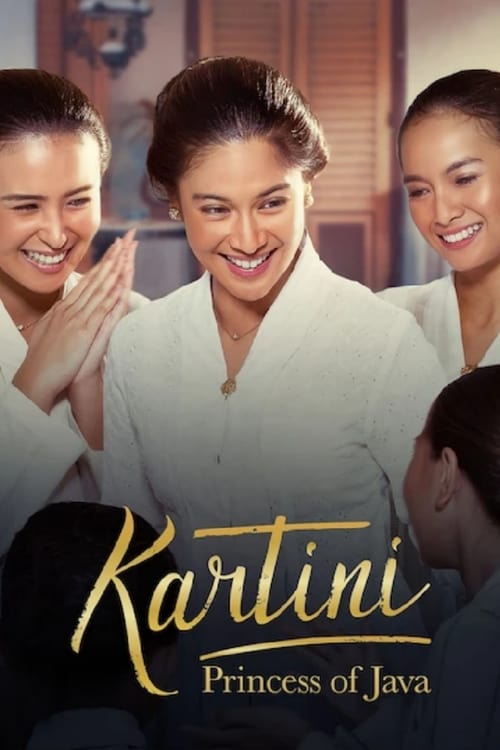
A woman of nobility battles patriarchal norms in order to improve educational access for women in early 1900s Indonesian society.
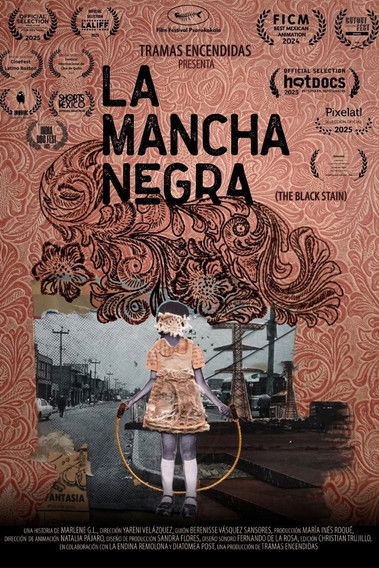
Marlene's journey is one of rediscovery. Once she saw darkness as the truest reflection of her soul—a place of comfort and identity. But life's trials reshaped her understanding, transforming that darkness into a wellspring of resilience, insight, and unexpected strength.
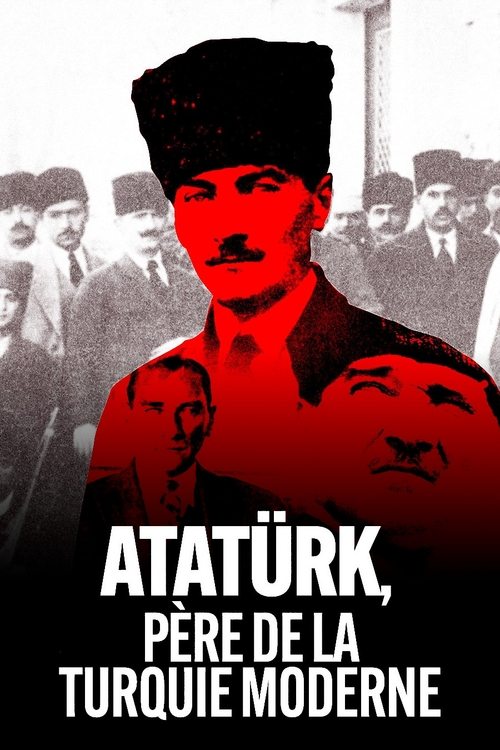
Mustafa Kemal Atatürk (1881-1938) was a Turkish field marshal, revolutionary statesman, author, and the founding father of the Republic of Turkey, serving as its first president from 1923 until his death in 1938.
Filmmaker Anand Patwardhan looks to history and psychology as he delves into the possible reasons behind the demolition of the Babri Mosque.
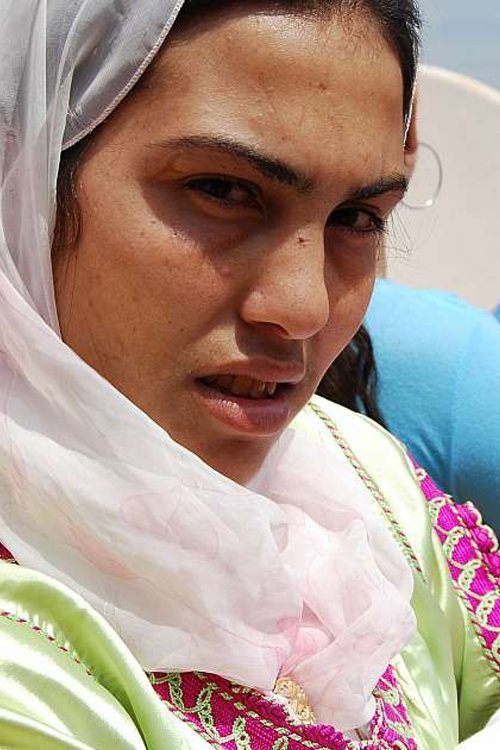
A film about a woman who doesn’t exist. Moroccan Hind was raped and consequently denied an official identity – she has no other choice but to work as a prostitute and traditional wedding dancer, but despite the odds of her situation, refuses to give up her dream of dignity, motherhood and love. This is a story of modern day outlaws, children of prostitutes, abandoned child brides and those who have had to escape to the fringes of patriarchal Moroccan society. Through the eyes of one young woman we see a life of constant struggle, but also a life free of the society’s norms and boundaries. The woman in the centre of the film, Hind, is both vulnerable and courageous as she tries to regain her life, her children and her mere right to live as an equal human being in the 21st century.
In 1954 Colombia, Esmeralda Arboleda leads women fighting for suffrage. During a crucial assembly debate, she faces fierce opposition and a personal crisis when her son has an accident, testing her resolve between family and cause.
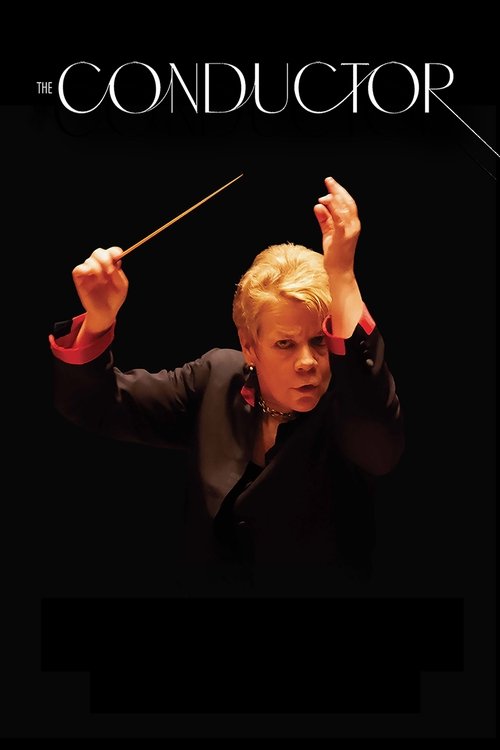
Leonard Bernstein’s protégée Marin Alsop reveals how she smashed the glass ceiling to become an internationally renowned conductor.