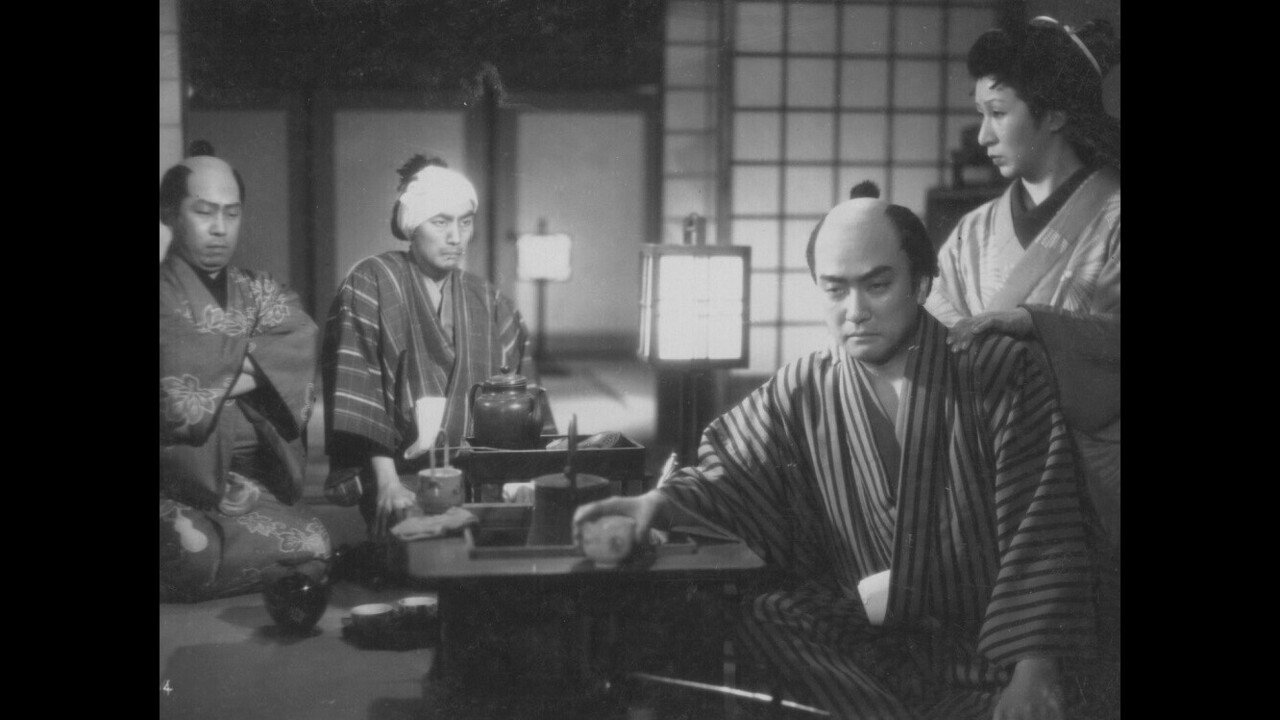
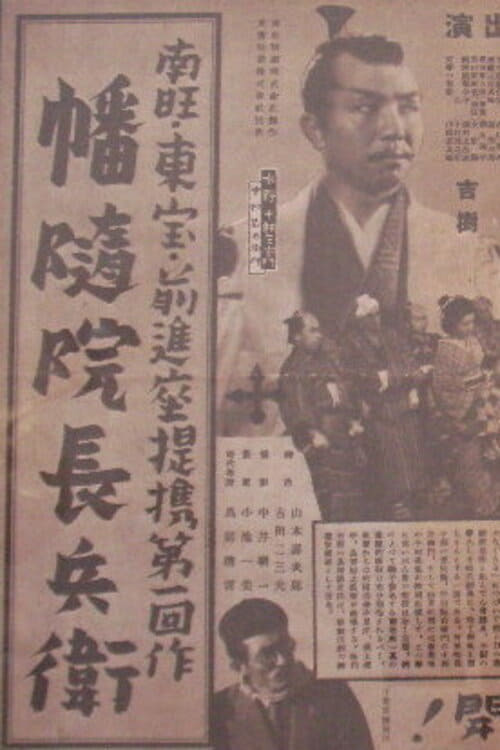
A jidaigeki film on Banzuiin Chōbei produced in 1940 and directed by Yasuki Chiba.
No Trailers found.
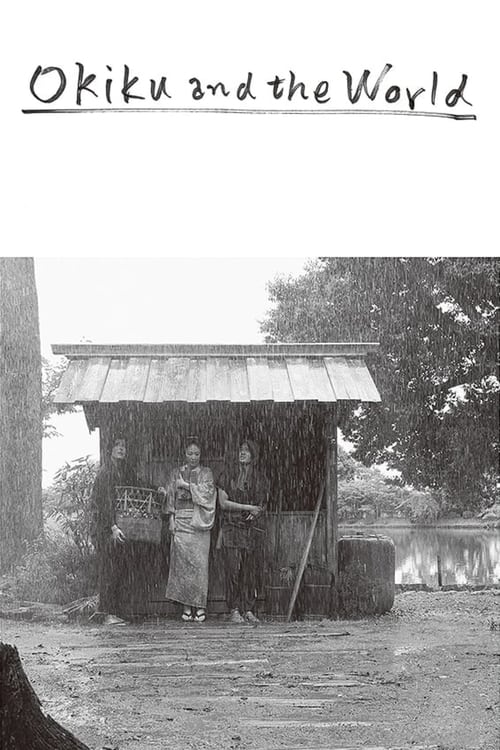
Two rogue vagrants make their living as "manure men", turning the waste from the tenement toilets into fertiliser sold to local farmers. Enter Okiku, the only daughter of a fallen samurai, and amongst the overflowing piles of excrement, a well-nourished love story unfolds.
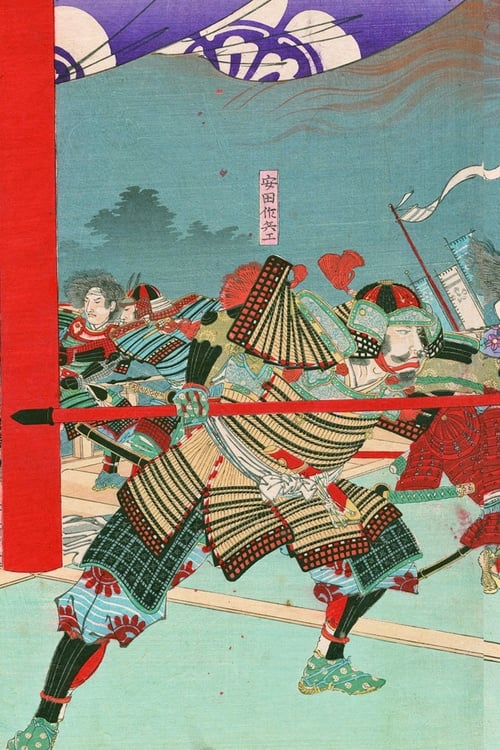
In 1908, Director/Producer Shozo Makino (father of Japanese cinema) directed and produced the first dramatic film in Kyoto. “Honnô-ji Gassen” was shot at Shinnyo-Do Temple. Considered a lost film.
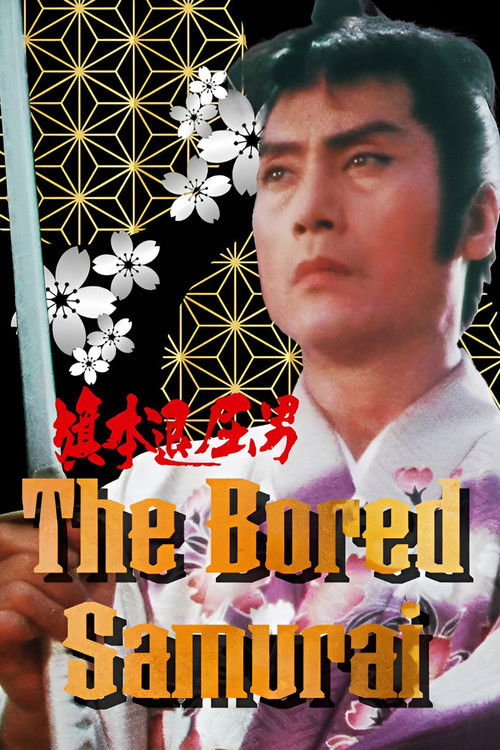
Saotome Mondonosuke is Hatamoto (a high-class warrior who is allowed to see the Shogun in person) who has a crescent-moon-shaped scar on his forehead with flashy clothes and a handsome face, and is proficient in all the military arts and called Bored Hatamoto. Mikijiro Hira acts as such a hero in history. Mondonosuke is secretly ordered to look into the suspicious movement in Nagoya castle by the Ometsuke, and he found out about the misconduct and sole it. This is a period movie about the hero!
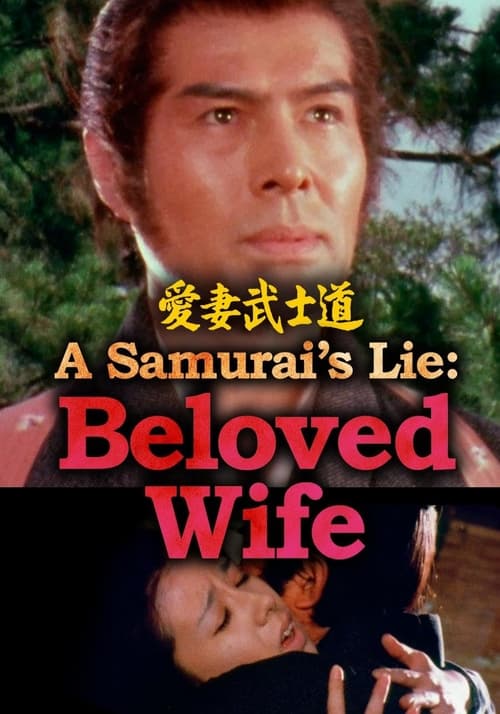
Isozoemon (Go Kato) was a ronin (masterless samurai) and broke, who lived in a Choya (cheap apartment) in Okazakijoka town with his sick wife, Sugie (Ai Kanzaki). He was also a good swordsman who had taught swordsmanship in Akita a long time ago. He takes such good care of his wife that he is called a wife-loving man. He got involved in a conflict for succession because he pretended to become an officer to please her wife.
Toma (Go Kato) is a son of a doctor in Takane, Yoshitomo Monzen. He was ordered by the sick federal lord and travel to Edo. It was said that Tsurunosuke, the man supposed to be the next federal lord, got a heavy disease, and the order aimed to make sure if it is true or not. On his way to Edo, Toma gave a hand to Kiku (Mayumi Okamura) who had a stomachache. However, she seemed to be in big trouble, and there were many warriors on the roads… This is the remade drama of “Wakasamamono” written by a popular novelist Tatsuji Satte. Go Kato as Dr. Waka brandishes a sword to come up against the plot of Karo, related to the inheritance of Takane Han.
The 21-year-old feudal on Sendai, Tsunamune Date, was prohibited to go out in the daytime for his misbehavior during his short stay in Edo. On the next day, his 4 attendants were killed one after another. Sakai Utanokamike, the Rozyu, is turned out to be involved in this scheme, and the aim is to destroy the Date family. Tsunamune's brother Munekatsu Date who is willing to take over the family doesn't know the real purpose of Utanokami and helps him. Munesuku Harada gets to know the whole picture of the incident and takes action alone for the sake of protecting the Date family, leaving his own family. His lonely fight continues for 10 years and he got in danger in Utanokamike's house, and...
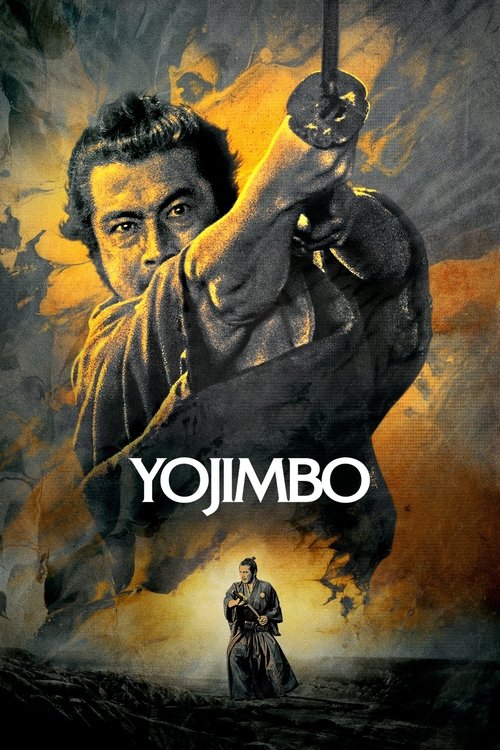
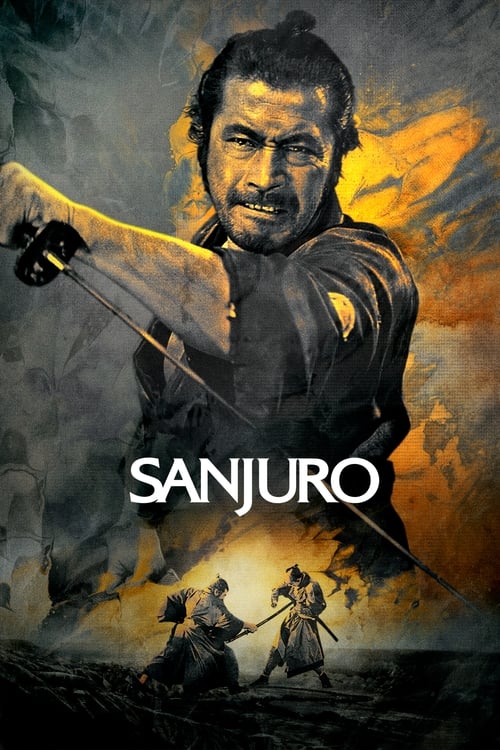
A nameless ronin, or samurai with no master, enters a small village in feudal Japan where two rival businessmen are struggling for control of the local gambling trade. Taking the name Sanjuro Kuwabatake, the ronin convinces both silk merchant Tazaemon and sake merchant Tokuemon to hire him as a personal bodyguard, then artfully sets in motion a full-scale gang war between the two ambitious and unscrupulous men.
Toshiro Mifune swaggers and snarls to brilliant comic effect in Kurosawa's tightly paced, beautifully composed "Sanjuro." In this companion piece and sequel to "Yojimbo," jaded samurai Sanjuro helps an idealistic group of young warriors weed out their clan's evil influences, and in the process turns their image of a proper samurai on its ear.
Shakespeare's King Lear is reimagined as a singular historical epic set in sixteenth-century Japan where an aging warlord divides his kingdom between his three sons.
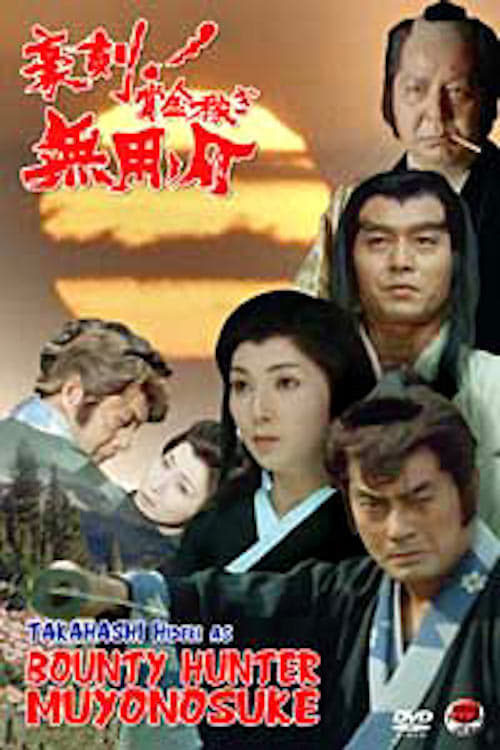
Takahashi Hideki stars as Muyonosuke, the one-eyed ronin who makes his living as a bounty hunter who is on a never-ending quest to find the man who murdered his father. The usually aloof Muyonosuke, who never would pause to help the common man winds up befriending an orphan boy and a mysterious woman, and getting involved in a feud between two families, but finds out there is a high power behind the curtain who pulls their strings.
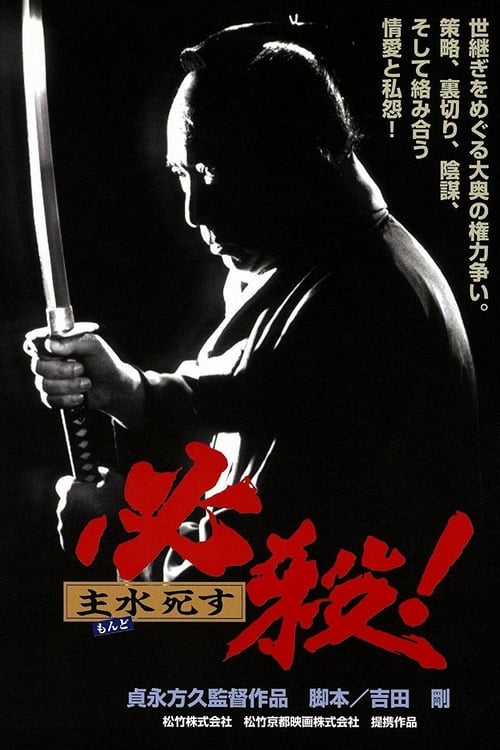
When an artist dies, the official cause of death is judged to be a stroke, but his daughter suspects foul play. She recruits the services of an assassin, who by chance encounters an old friend...
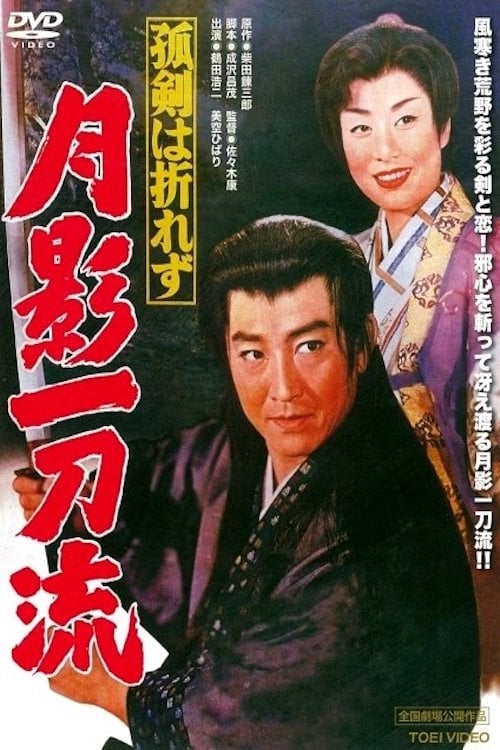
When master swordsman Mikogami Genshiro of the Ono fencing school returns to find that his ailing sensei has been murdered in the dead of night, he must find the culprit and exact revenge. His return sets off a series of violent incidents and incites a high ranked female skilled in sword to test his mettle after he unwittingly offends her. The ever delightful Misora Hibari co-stars with the great Tsuruta Koji in this exciting tale set in the earliest days of the Tokugawa shogunate. Lots of exciting swordfights highlight this entertaining motion picture!
Japan, 1785. Jūzaburō, a famous thief who refuses to kill innocent people, is betrayed, ambushed, and left for dead.
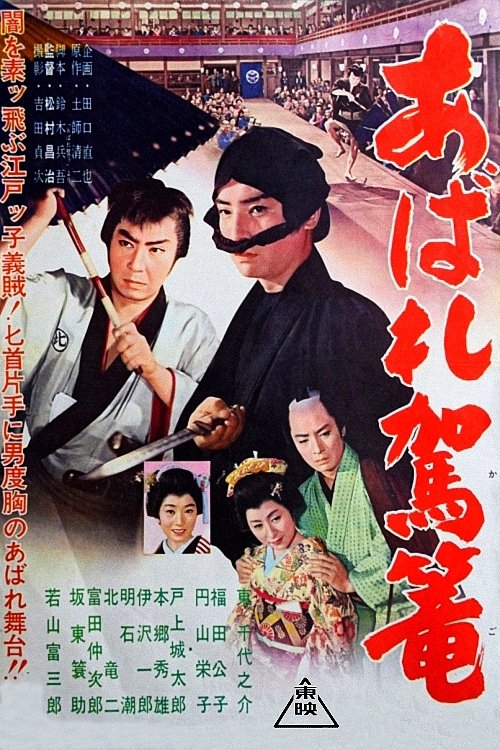
Shinsuke Inaba, a thief who snuck into the Kishu family residence in Edo. He was almost discovered by a patrol, but he is helped by Kajio, a woman who holds the position of a junior maid of honor. She was later reprimanded and moved into her family's candle shop. One day, she meets the popular actor Nakazo Nakamura, and is surprised by his exact resemblance to Shinsuke…
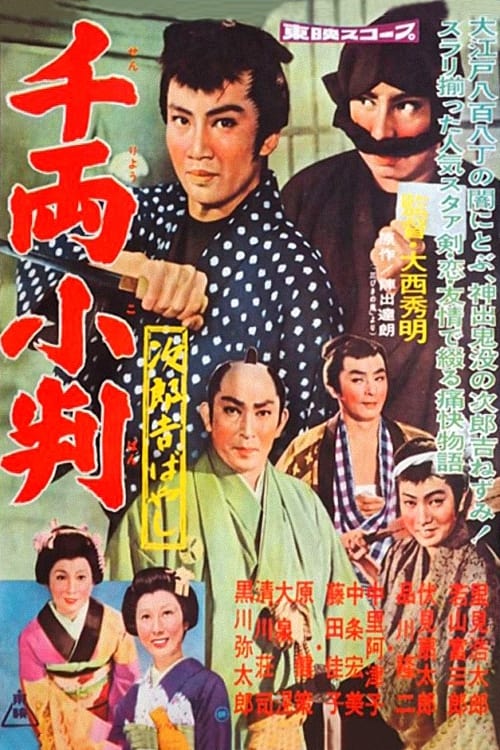
The film adaptation of the novel "Three Little Rats" by Tatsuro Jinde. In this fascinating story, the rebellious Jirokichi and three men, united by a sense of justice and love, confront an evil merchant and an official who fills his pockets with gold, and eventually expose his crimes in order to avenge the death of one of his comrades.
A samurai answers a village's request for protection after he falls on hard times. The town needs protection from bandits, so the samurai gathers six others to help him teach the people how to defend themselves, and the villagers provide the soldiers with food.
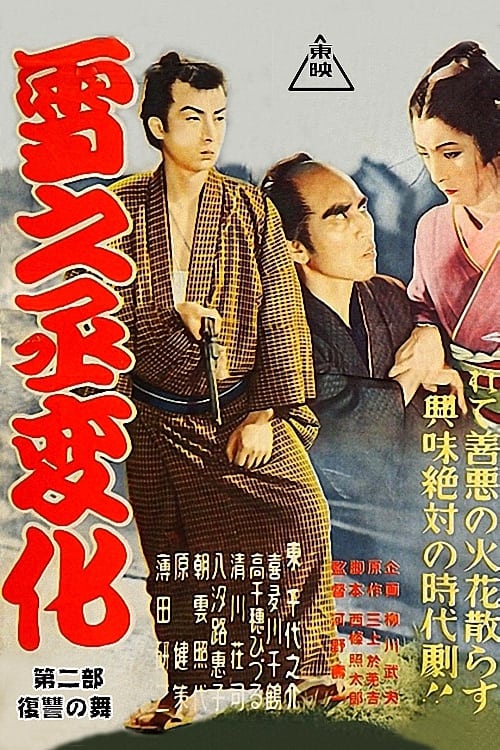
The second part of an entertaining historical drama depicting the eventful story of the revenge of an actor with a strange fate, with a variety of characters and exciting developments.
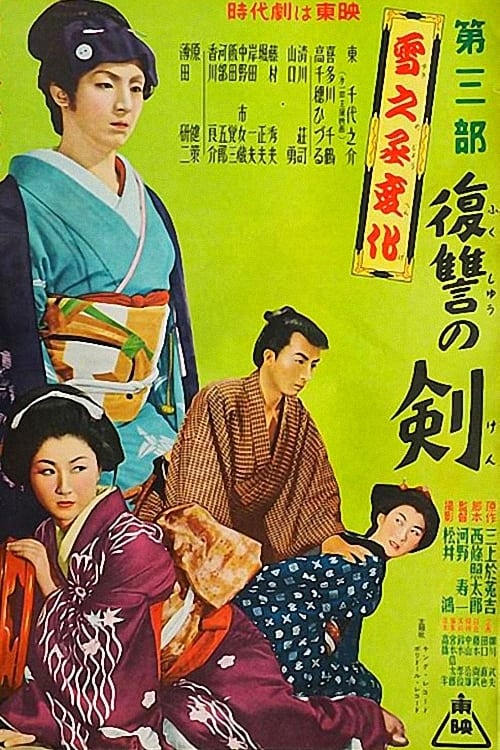
The final, third part of an entertaining historical drama depicting the eventful story of the revenge of an actor with a strange fate, with a variety of characters and exciting developments.
Set in war-torn 15th century Kyoto, on the eve of the Onin War, the movie centers on a band of outlaws led by Hyoe, a scoundrel whose lethal sword skills place him at the tip of the spear in a deadly uprising against the corrupt Shogunate and its army, led by former friend-turned-archrival Doken.
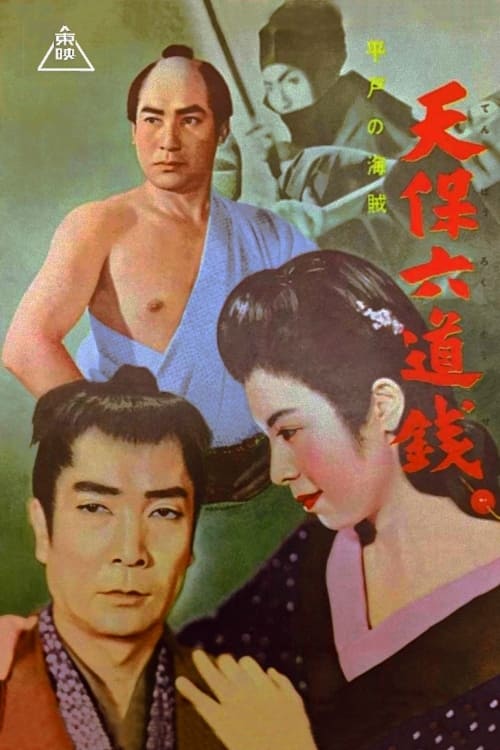
In the 9th year of the Tempo era, after a long sea voyage, Moritaya Seizo returned to Hirado, who earned huge amounts of gold by piracy. Along the way, he picked up Ichinojo Kaneko, a Ronin who survived the disaster at sea. Seizo and Orin, the daughter of merchant Yohei, are in love with each other and want to get married. However, Kashiwakura Gaiki, the samurai of the domain, wants to kill Seizo for the sake of his son Shozaburo, who is in love with Arin, and Kurando Matsuura, the owner of the castle, wants to seize all the gold for himself...