No Trailers found.
Présentateur
Sylvie Joye
Geneviève Bührer-Thierry
Laurent Theis
Communist, resistance fighter, deportee, Marie-Claude Vaillant-Couturier is one of the great heroines of the 20th century. Nicknamed Maïco, she became a photojournalist and embraced the class struggle at the same time as she fell in love with one of the figures of the Popular Front, Paul Vaillant-Couturier. During World War II, she joined the Resistance and later gave decisive testimony at Nuremberg.
"Race d’Ep!" (which literally translates to "Breed of Faggots") was made by the “father of queer theory,” Guy Hocquenghem, in collaboration with radical queer filmmaker and provocateur Lionel Soukaz. The film traces the history of modern homosexuality through the twentieth century, from early sexology and the nudes of Baron von Gloeden to gay liberation and cruising on the streets of Paris. Influenced by the groundbreaking work of Michel Foucault on the history of sexuality and reflecting the revolutionary queer activism of its day, "Race d’Ep!" is a shockingly frank, sex-filled experimental documentary about gay culture emerging from the shadows.
Follows the defiance of two art institutions in the Caribbean: one closed but squatted by artists, the other fighting to stay open. Against the backdrop of political strife, Haitian and Guadeloupean artists grapple with the concept of freedom in their battle to preserve their spaces.
A family portrait in which the director profiles his grandmother, Odette Robert. Eustache includes in the film the conditions of its production — he is seated at the table with her, pours her some whiskey, speaks with the camera operator, manipulates the clapboard at the head and tail of the reels, and even takes a phone call. Robert, who was seventy-one, speaks rapidly and tells the story of her life, starting from her early childhood in villages in the Bordeaux region of France. A shorter version of the film ("Odette Robert") was edited in 1980 to be broadcast on television on TF1. The complete film only gained exposure in 2002, when it was salvaged by Boris Eustache, Thierry Lounas, João Bénard da Costa, Jean-Marie Straub, and Pedro Costa.
A group of children are encouraged to play in a park by two men. Some play a skipping game. One of the other children refuses and eventually runs away. Another child is fascinated by the camera and stares at it throughout, even when encouraged by one of the men to play. IN the background, traffic passes and pedestrians stroll past behind a railing on an upper level. The children wear sunhats, indicating the weather is very sunny.
No overview available.
Too high, misused, unfair... a large part of the French and Europeans criticize taxes. From tax-rascal to tax revolt, the movement of yellow vests in France has returned to the center of attention the question of consent to tax. How to explain a different resistance to taxes from one country to another without tax pressure being an explanation? Is there a "good" tax? Jean Quatremer takes us on a journey to the tax center across Europe, to meet those who pay it, those who decide it, those who study it... or those who allow to avoid it.
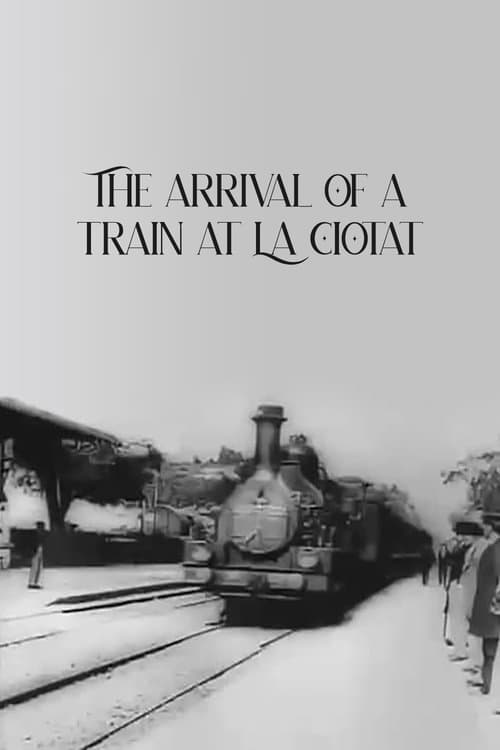
A group of people are standing along the platform of a railway station in La Ciotat, waiting for a train. One is seen coming, at some distance, and eventually stops at the platform. Doors of the railway-cars open and attendants help passengers off and on. Popular legend has it that, when this film was shown, the first-night audience fled the café in terror, fearing being run over by the "approaching" train. This legend has since been identified as promotional embellishment, though there is evidence to suggest that people were astounded at the capabilities of the Lumières' cinématographe.
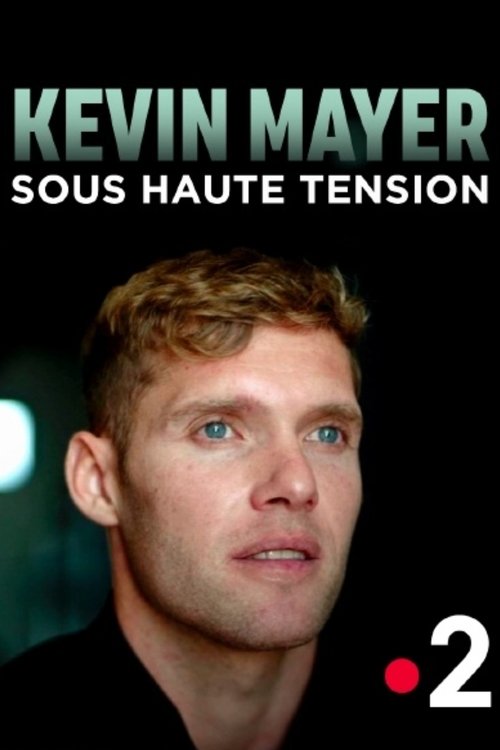
World decathlon record holder, French athlete Kevin Mayer is facing the most important moment of his career: winning the only title missing from his record, the Olympic gold medal. But before realizing this ultimate dream, he faced successive injuries and abandonments. Over the months, through exclusive images, Kevin reveals himself and reveals his doubts and the challenges he had to overcome to become the man and champion he is today, entirely focused on his participation in the Paris Olympic Games, an event he has been preparing for for years.
This film exposes the vineyards, press houses, cellars, caves, and tasting rooms of the wine-producing area of the Loire Valley in Touraine, Anjou and Saumur, and the Pays Nantais. Observes the different grape varieties and production methods that yield such well-known wines as the cabernets of Bourgdeill, sparkling Saumur, Rose d'Anjou, Coteaux du Layon, Gros Plan, Muscadet, and the sparkling wines made by the champagne method in Vouvray.
A legendary city everyone dreams of visiting, Paris has retained all its authenticity, resembling more a collection of villages rather than one major metropolis. From the Eiffel Tower to Notre Dame de Paris, we discover the French capital's most emblematic monuments, and the vibrant life of its boulevards
This documentary follows the French soccer team on their way to victory in the 1998 World Cup in France. Stéphane Meunier spent the whole time filming the players, the coach and some other important characters of this victory, giving us a very intimate and nice view of them, as if we were with them.
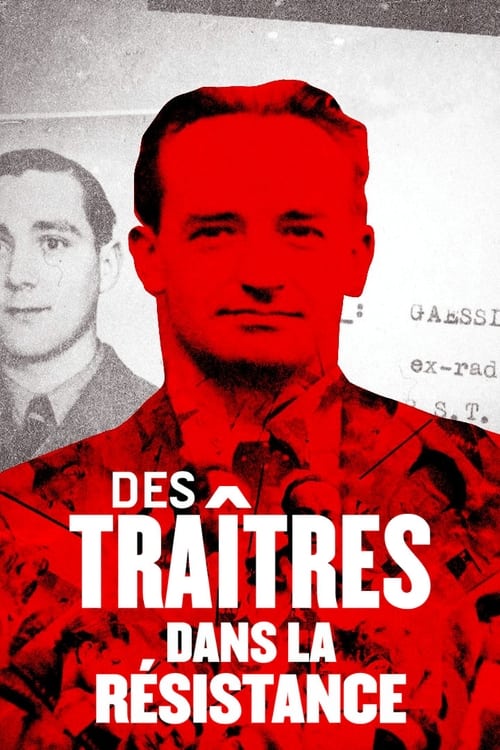
In May 1943, Ernst Kaltenbrunner, the new head of the Reich Central Security Office, gave Hitler a report describing in detail the organization of the French Resistance. Indeed, during the Second World War, most of the Resistance networks had been infiltrated by traitors, the "V Man" (trusted men) in the service of the occupier. The Germans had established treason as a system and recruiting Frenchmen ready to inform on them was one of their priorities. It was these Frenchmen, whose number is estimated at between 20,000 and 30,000, who dealt terrible blows to the Resistance.
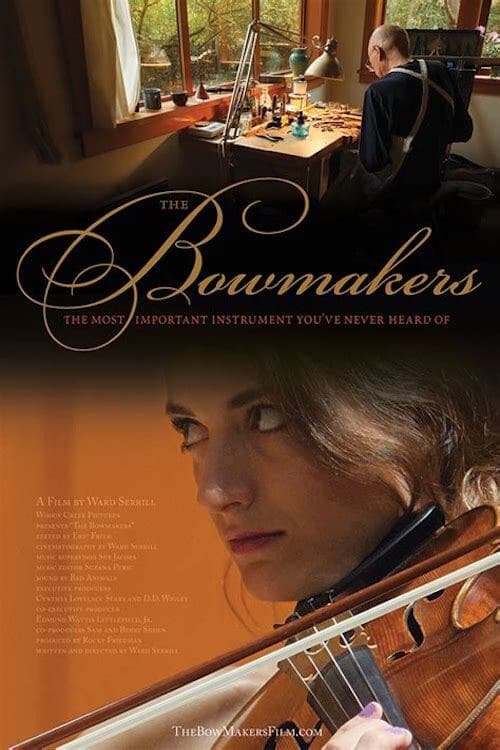
This documentary film explores the world of the bow and the extraordinary masters who make them. The bow is the Cinderella of the orchestra—the overworked and overshadowed ally to its more glamorous partners. Few people, even among lovers of classical music, think of the bow as an instrument in its own right, but players of stringed instruments see them differently. To musicians, the bow is as essential to expressing the soul of the music as the violin or cello. The film follows the journey of the “silent servant” of the music world—from the workshops of the virtuosos of the trade, to the birthplace of the bow in France, and to Brazil, home to the imperiled tree from which the world’s finest bows are made.
Don't Lose Your Head is a documentary about the making of Doctor Who story The Reign of Terror.
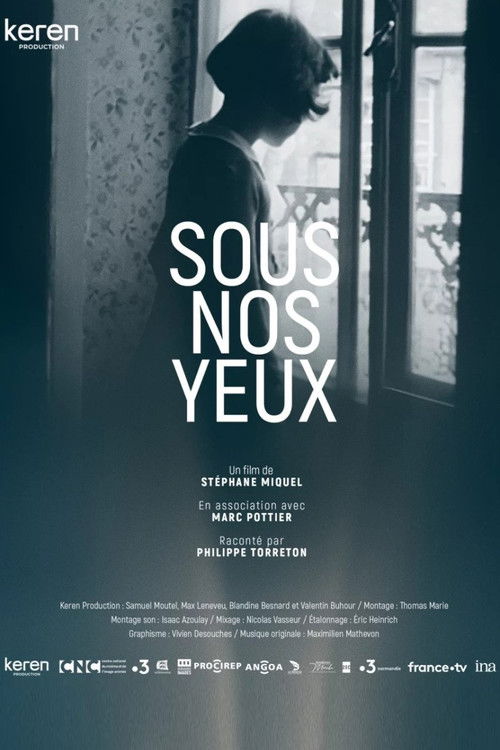
These previously unseen images bear witness to the darkest hours of our history and their lives. They have never before been shown to the general public. Officially, they do not exist. Without the patient efforts of persistent historians and archivists, they would still be lying dormant in family archives...
Touring France ventures off the beaten path to bring you the definitive video portrait of this colorful country, from fairy tale castles to the Cannes Film Festival, from the serene countryside to Paris' museums and cafes.