No Trailers found.
No Cast found.
No overview available.
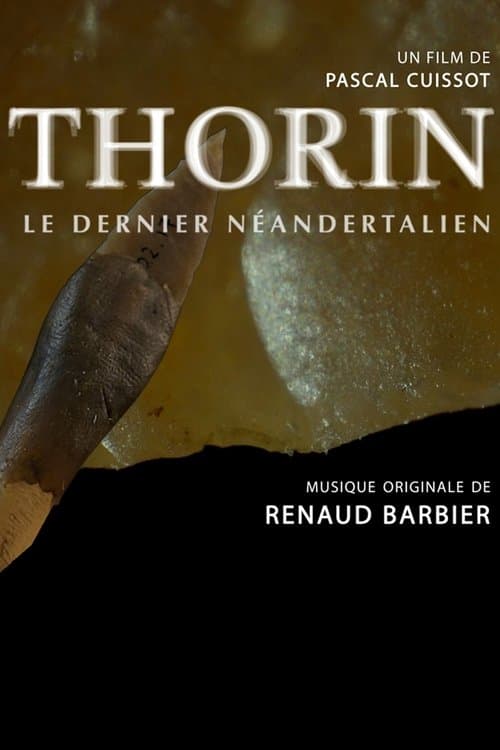
The Mandrin Cave in the Rhône Valley is a fascinating excavation site. Archaeologist Ludovic Slimak discovered fossils and flints here, proving that Neanderthals inhabited the cave for over 80,000 years. The first Neanderthal in France for half a century was also unearthed in the cave: He was given the name Thorin.
The Californian sun, which lights up the city, lights up again every evening in cinemas all over the world". Guided by these words from Blaise Cendrars, L.A. L.A. END is a stroll through Los Angeles, among the remnants of Hollywood's Golden Age. Following in the footsteps of a Marilyn Monroe lookalike, we meet a gallery of characters who paint a sensitive portrait of a bygone era that gradually becomes a portrait of a woman.
William Hart McNichols is a world renowned artist, heralded by Time magazine as "among the most famous creators of Christian iconic images in the world". As a young Catholic priest from 1983-1990 he was immersed in a life-altering journey working as a chaplain at St. Vincent's AIDS hospice in New York city. It was during this time that he became an early pioneer for LGBT rights within the Catholic church. "The Boy Who Found Gold" is a cinematic journey into the art and spirit of William Hart McNichols. The film follows his colorful life as he crosses paths with presidents, popes, martyrs, and parishioners, finding an insightful lesson with each encounter. McNichols' message as a priest, artist and man speaks to the most powerful element of the human spirit: Mercy.
Through interviews with key AIDS Healthcare Foundation (AHF) stakeholders from over the years coupled with archival video footage culled from AHF's 30 years of advocacy, care and activism, 'Keeping the Promise' tells a compelling story of AHF's history while offering a glimpse of, and road map to its future.
Archival footage, animation and music are used to look back at the eight anti-war protesters who were put on trial following the 1968 Democratic National Convention.
What killed King Tutankhamun? Ever since his spectacular tomb was discovered, the boy king has been the most famous pharaoh of all ancient Egypt. But his mysterious death, at just 19 years old, has never been explained. In this BBC One special, presenter Dallas Campbell reveals new scientific research and carries out unique experiments to get to the truth. For the first time, a virtual autopsy of Tut's mummified body reveals astonishing secrets about the pharaoh. Using CT scan data, the programme creates the first ever full size, scientifically accurate image of the real Tutankhamun. Brand new DNA analysis uncovers a shocking secret about Tut's family background, and the genetic trail of clues leads to a radical and revolutionary new theory to explain Tut's sudden and unexpected death. This is an epic detective story that uncovers the extraordinary truth of the boy behind the golden mask.
In the West Jutland village of Hanning, there is a small indremissionary community. How everyday life unfolds in such a religious environment is depicted through participation in church services, meetings in the mission house and visits to the villagers. They talk about temptations, their relationship with God and passing on their faith to the next generation.
Drunk and disillusioned Roman, Marcellus Gallio, wins Jesus' robe in a dice game after the crucifixion. Marcellus has never been a man of faith like his slave, Demetrius, but when Demetrius escapes with the robe, Marcellus experiences disturbing visions and feels guilty for his actions. Convinced that destroying the robe will cure him, Marcellus sets out to find Demetrius — and discovers his Christian faith along the way.
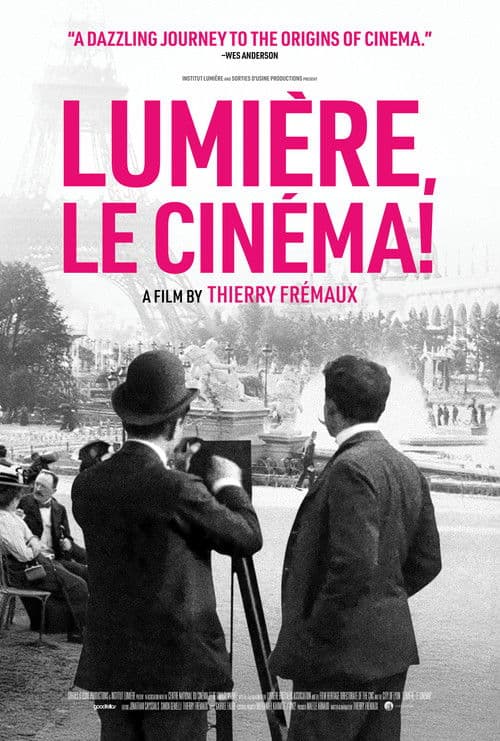
In one of those wonderful coincidences of history, lumière, the French word for “light,” was also the last name of brothers Auguste and Louis, whose brilliant invention, the cinematograph, helped to inaugurate the most beloved art form of the last 130 years. Institute Lumière director Thierry Frémaux uses Lumière, Le Cinema! to guide the viewer through over a hundred shorts—some famous, some forgotten, some never before seen—directed by Lumière and company. In the process, Frémaux illuminates how the brothers employed the camera as a creative instrument as they (and their operators) mastered framing, staging, and subject selection for quotidian and exotic microdocumentaries as well as the first ever fictional motion pictures. The result is not only a glorious re(telling) of the genesis of cinema but a profound meditation on the beautiful world captured—and the mysterious world imagined—by the Lumières.
When strongman Samson rejects the love of the beautiful Philistine woman Delilah, she seeks vengeance that brings horrible consequences they both regret.
The Tale of Genji Museum in Uji City, Kyoto will be airing a short film blending history and fantasy, the story follows a modern high school girl named Hana who is transformed into a cat and transported back in time. She travels 1,000 years ago to the Heian Era as portrayed in The Tale Of Genji, arguably the most famous novel in Japanese literature. Guided by the novel's titular character Hikaru Genji, Hana experiences firsthand the emotions that the author Murasaki Shikibu depicted in her novel. The short features scenes based on The Diary of Lady Murasaki and other historical materials, such as the real-life noble Fujiwara no Michinaga swiping early drafts of The Tale Of Genji because he could not wait to read chapters as Murasaki wrote them.
An elder C.S. Lewis looks back on his remarkable journey from hard-boiled atheist to the most renowned Christian writer of the past century.