Interviews taking a look at New Your City of the 1970's through the eyes and experiences of actual taxi drivers of the era
No Trailers found.
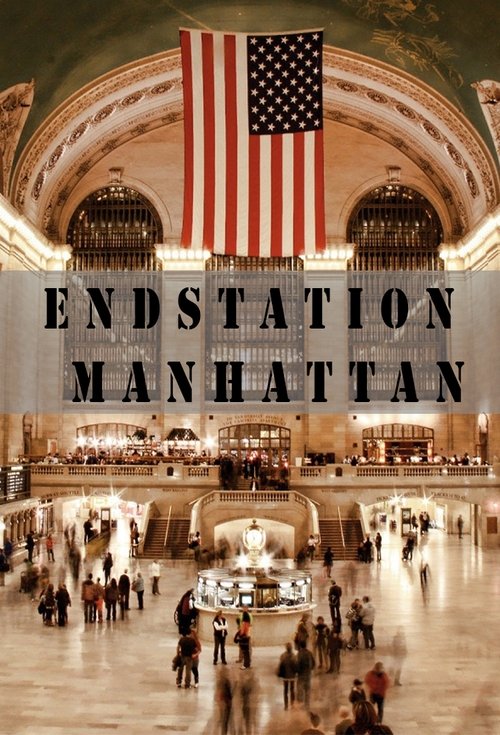
Observations at Manhattan's Grand Central Terminal, which is one of the most fascinating stations for insiders. The documentary takes the completed renovation of the building as an occasion to bring the magnificent architecture to life; at the same time, it focuses on the countless momentary encounters when the paths of commuters and flâneurs cross.
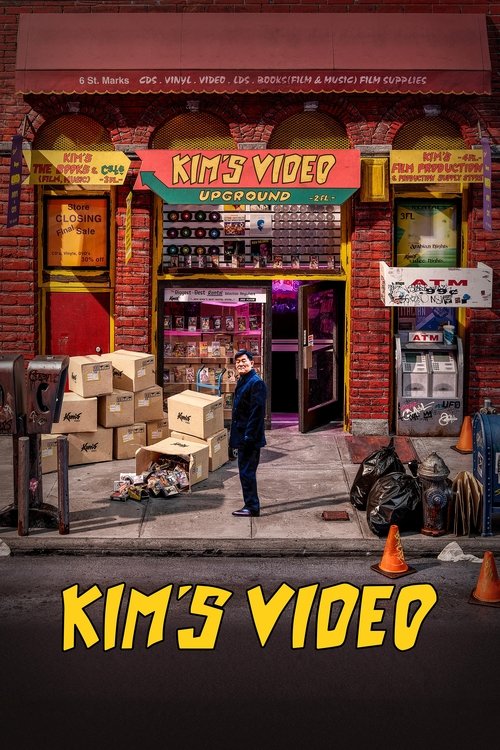
Since 1987, and for almost three decades, New York cinephiles had access to a vast treasure trove of rare films thanks to Kim's Video, a small empire run by Yongman Kim, an enigmatic character who amassed more than fifty thousand VHS tapes.
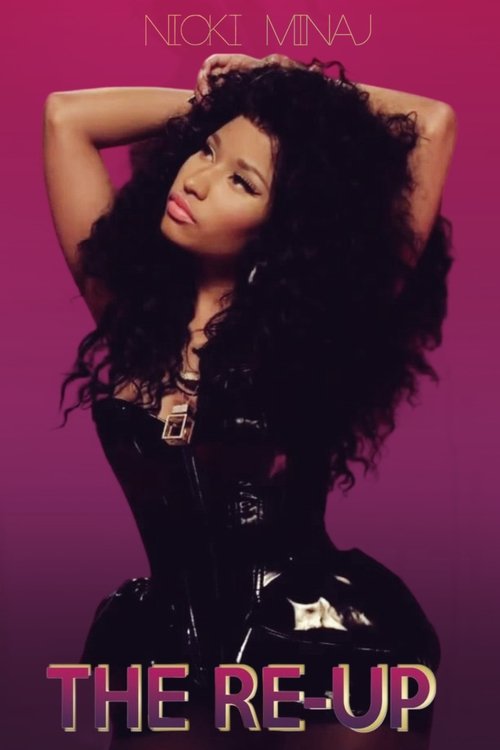
A backstage and on-stage look at Nicki Minaj's career during the Pink Friday Tour, festivals, and more.
The story of Manhattan Plaza, the renowned experiment in subsidized housing catering to people in the arts. Numerous celebrities pay homage to the impact the building had on their lives and careers.
Shot over the course of 18 months in New York City's Lower East Side, METHADONIA sheds light on the inherent flaws of legal methadone treatments for heroin addiction by profiling eight addicts, in various stages of recovery and relapse, who attend the New York Center for Addiction Treatment Services (NYCATS).
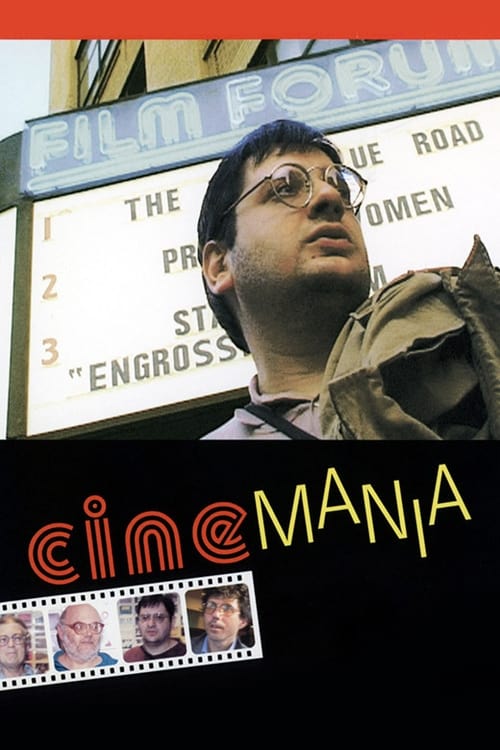
This documentary about the culture of intense cinephilia in New York City reveals the impassioned world of five obsessed movie buffs. These human encyclopedias of cinema see two to five films a day, and from 600 to 2,000 films per year. This is the story of their lives, their memories, their unbending habits and the films they love.
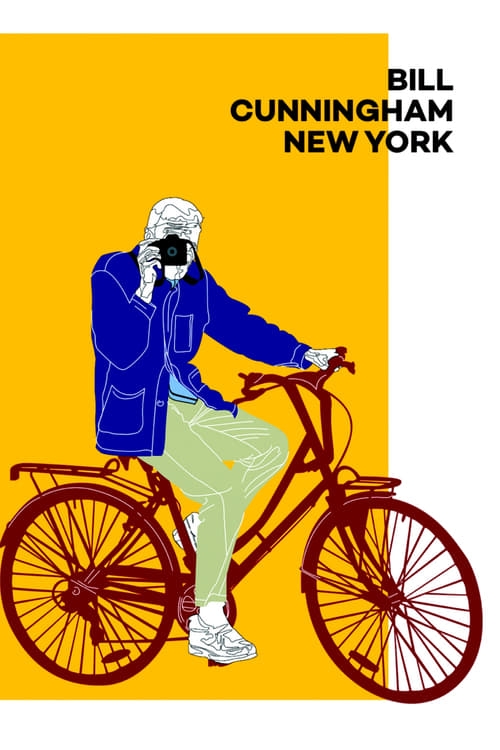
Doubling as a cartography of the ever-changing city, Bill Cunningham New York portrays the secluded pioneer of street fashion with grace and heart.
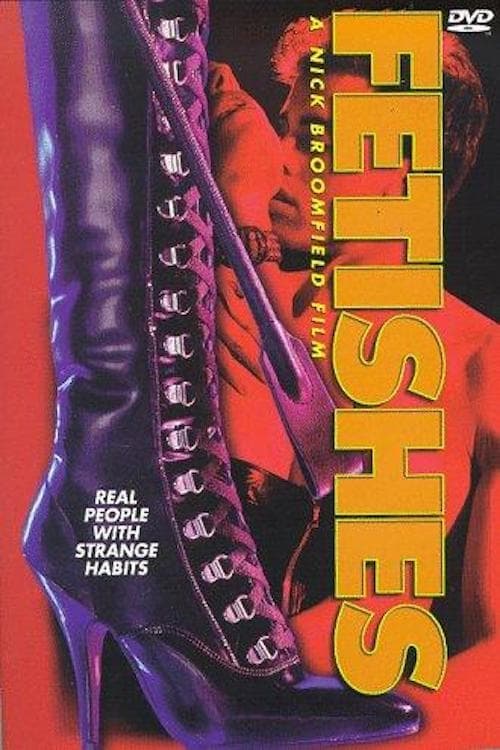
Nick Broomfield and a documentary crew visit Pandora's Box, an up-scale house of bondage on Manhattan's Fifth Avenue, where clients pay $175 an hour to be subservient to mistresses. Mistresses talk about their craft; a few clients, usually masked, are interviewed as well. Then, the camera watches sessions organized around fetishes: rubber, wrestling, corporal punishment, masochism, and infantilism. Mistress Raven, the owner of Pandora's Box, explains that pain need not be part of the subservient experience: it is, at its root, a transfer of power. After their session has ended, clients talk about how drained, relaxed, relieved, and at peace they are.
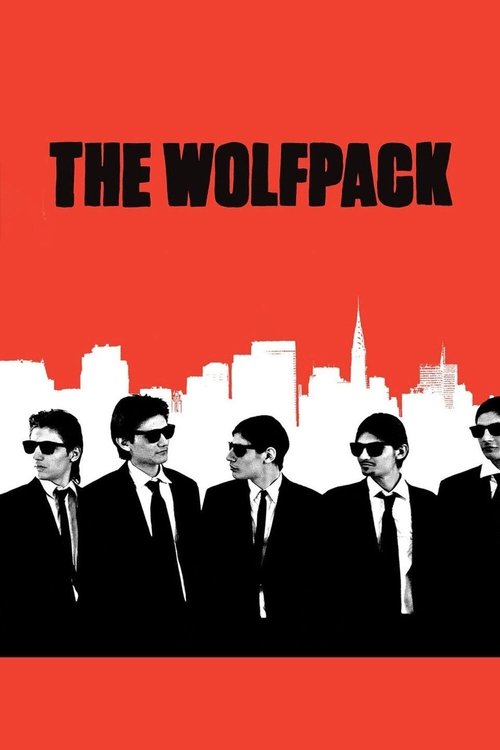
Locked away from society in an apartment on the Lower East Side of Manhattan, the Angulo brothers learn about the outside world through the films that they watch. Nicknamed ‘The Wolfpack’, the brothers spend their childhood reenacting their favorite films using elaborate home-made props and costumes. Their world is shaken up when one of the brothers escapes and everything changes.
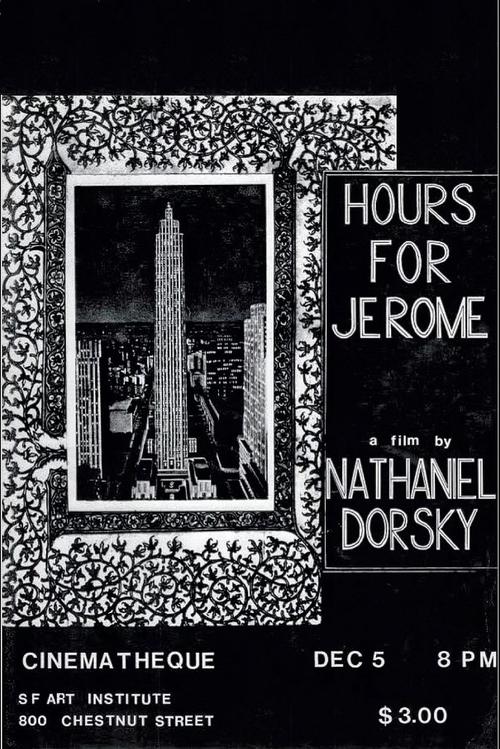
The recording of the daily events of Dorsky and his partner, artist Jerome Hiler, around Lake Owassa in New Jersey and in Manhattan. The two parts of the films revolve around the four seasons with the first part revolving around spring through summer, while the second part revolves around fall through winter.
A grandmother, mother, and daughter quarantine together in a Tribeca apartment as they laugh about life over wine.
OWNED presents the 50 year history of the law-spurning tech tradition of hacking. This vibrant movement gained momentum in the 1960s with Captain Crunch and phone phreaking and now includes annual DefCon hacker conventions in Las Vegas (an amusing highlight of these is the fun game "Spot the Fed"). Kevin Mittnick, dubbed by the New York Times "FBI's Most Wanted Cybercriminal" speaks for the first time about the crimes that lead to his conviction. Misanthropic hacker Fuqrag casually wreaks havoc on government websites from a claustrophobic trailer in an anonymous trailer park.
The war zone of a dystopian multiplayer shooting game is used to embark some urban explorers on a winter walk, avoiding the combats whenever possible, as peaceful observers, inhabitants of a digital world, which is a detailed replica of Midtown Manhattan.
Documenting the days and weeks preceding Boy George's appearance in a New York courtroom in June 2006 for cocaine possession and his subsequent sentencing to 5 days community service as a street cleaner by order of the US justice department.
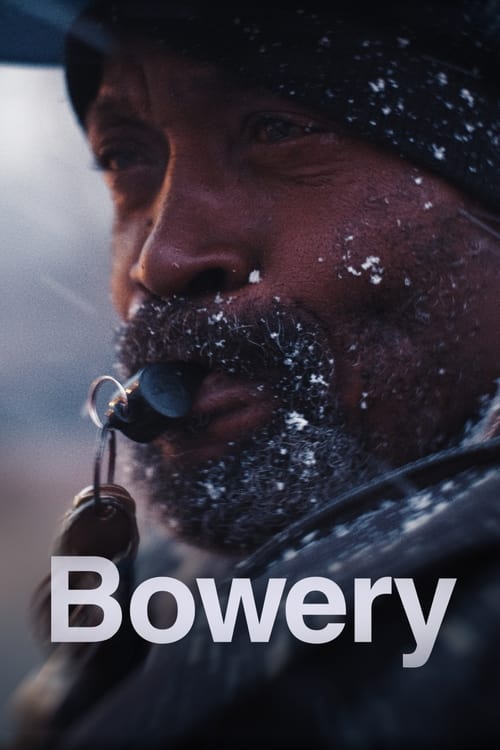
A compelling portrait of New Yorkers living on the streets as they struggle with mental health, addiction, and the onset of a global pandemic. This powerful documentary offers an unfiltered, at times mesmerizing glimpse into life on the margins, drawing viewers into the raw, human stories behind a deepening crisis.
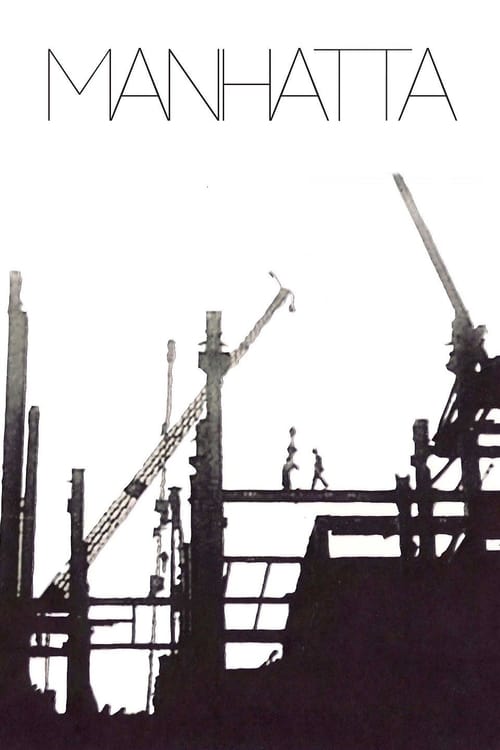
Morning reveals New York harbor, the wharves, the Brooklyn Bridge. A ferry boat docks, disgorging its huddled mass. People move briskly along Wall St. or stroll more languorously through a cemetery. Ranks of skyscrapers extrude columns of smoke and steam. In plain view. Or framed, as through a balustrade. A crane promotes the city's upward progress, as an ironworker balances on a high beam. A locomotive in a railway yard prepares to depart, while an arriving ocean liner jostles with attentive tugboats. Fading sunlight is reflected in the waters of the harbor. The imagery is interspersed with quotations from Walt Whitman, who is left unnamed.
German director Wim Wenders tries to explore the Tokyo that was depicted in the films of Yasujiro Ozu and finds a very different city.
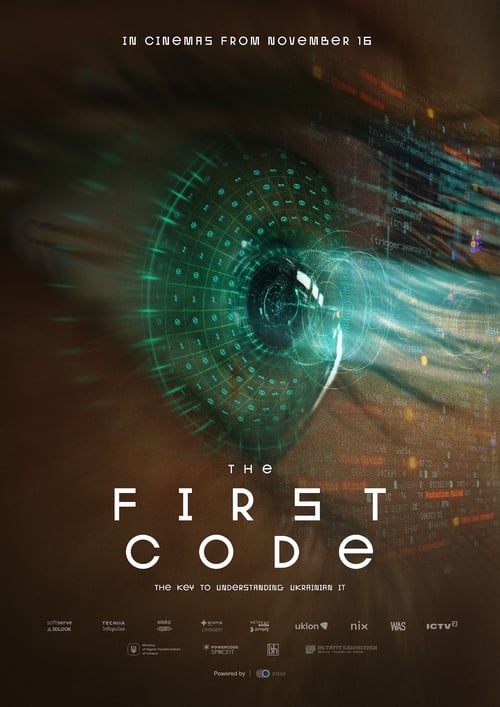
This story is a journey through time, starting from the 1950s with the creation of the first computer by Ukrainian engineers, and continuing until the present day when the IT sector has become not only a powerful industry but also an important front in the war against Russia.
Captures the laughter, energy and mayhem from Hart's 2012 "Let Me Explain" concert tour, which spanned 10 countries and 80 cities, and generated over $32 million in ticket sales.
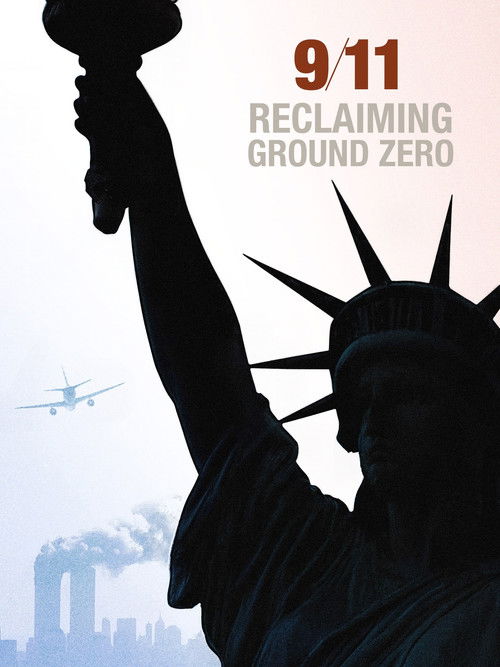
After the 9/11 attacks, after the smoke was gone, after the rubble cleared away, New Yorkers had a city to rebuild. In response to fast-tracked redevelopment plans, more than 5,000 people gathered in the largest town hall in American history. They came to vote on the city’s six proposals for rebuilding Ground Zero. But instead, the people rejected the top down approach and successfully charted a new path forward. Their work determined what is at Ground Zero today. And their story is an example of what democracy can look like.
Self - New York City Resident
Self
Self - NYC Taxi Driver