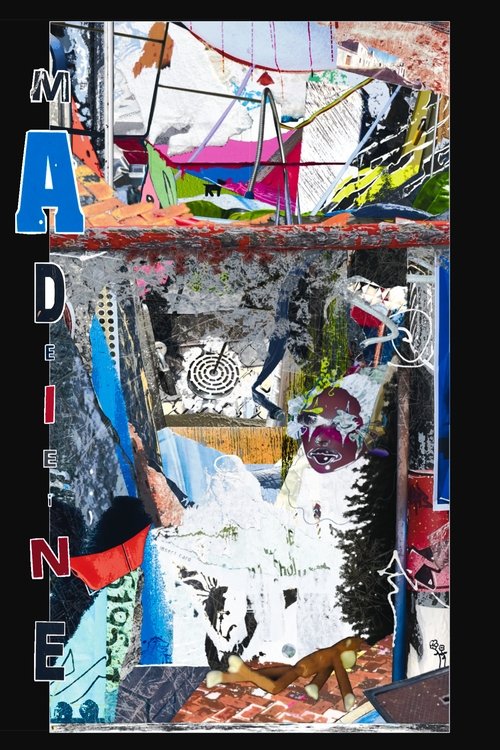
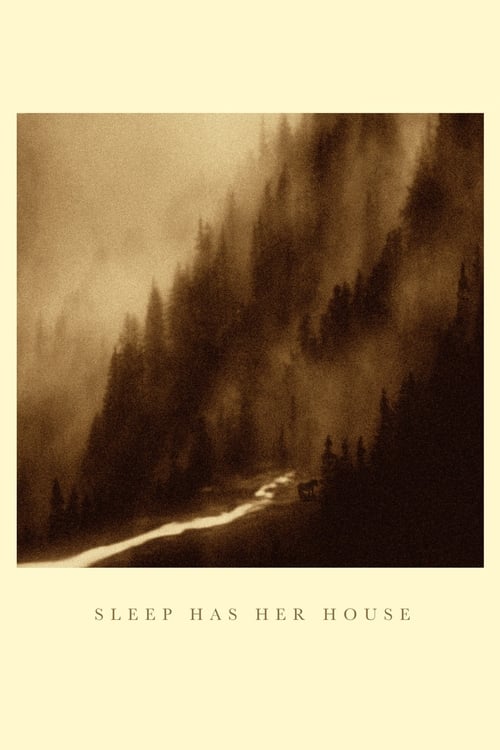
a haiku films, a poem by Nha Thuyen
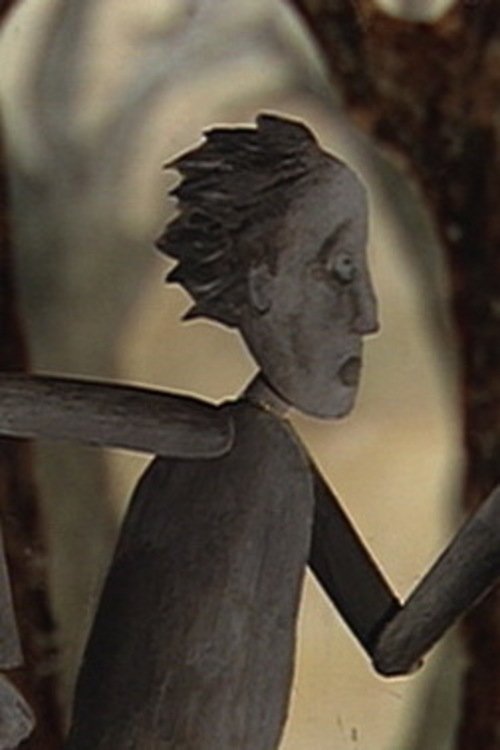
A stop motion/collaged based independent short film plays with the recontextualisation of memories and how time distorts them.
The winner of the Miss World Virginity contest marries, escapes from her masochistic husband and ends up involved in a world of debauchery.
No overview available.
A frenetic found-footage documentary made entirely from “lost” unlabeled media on YouTube - weaving together nearly a thousand raw videos, each mistakenly or mindlessly uploaded under a generic filename (e.g., IMG 1326, IMG 5493…).
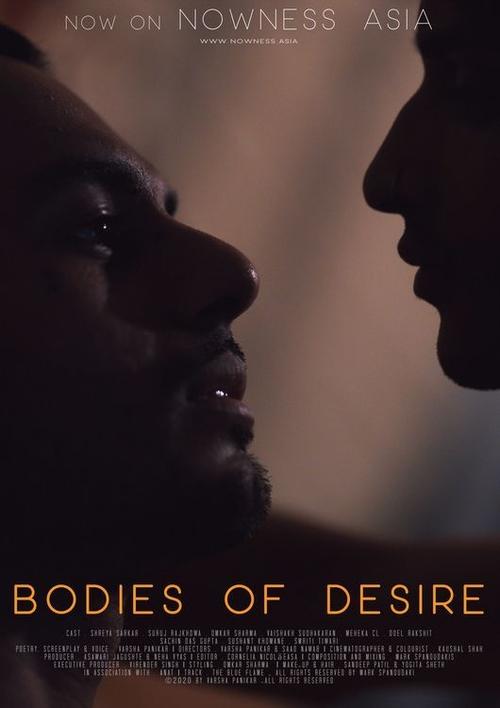
Using Varsha Panikar's poetry series by the same name, it follows the journey of a poet as they rediscover love, passion, and identity after encountering their muse.
An inspiring 75min DIY documentary film on new art and the young artists behind it. It was all filmed on the heat of live action of the first NOVA Contemporary Culture Festival, July and August 2010 in São Paulo, Brazil.
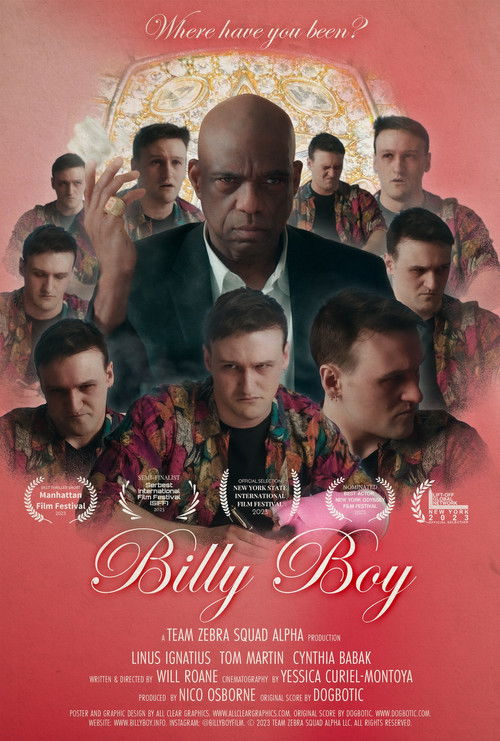
A former football star turned real estate broker meets with rich, spoiled young Billy to close a deal on a mansion, and nothing goes according to plan.
A possible alien presence in a filmschool campus turns the unknown present in the life of its students.
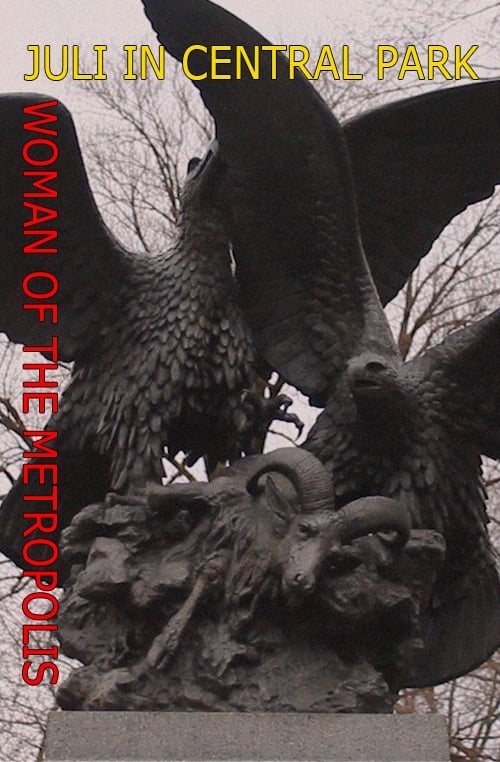
a man has an unusual encounter with a stranger in central park
The shadows of screams climb beyond the hills. It has happened before. But this will be the last time. The last few sense it, withdrawing deep into the forest. They cry out into the black, as the shadows pass away, into the ground.
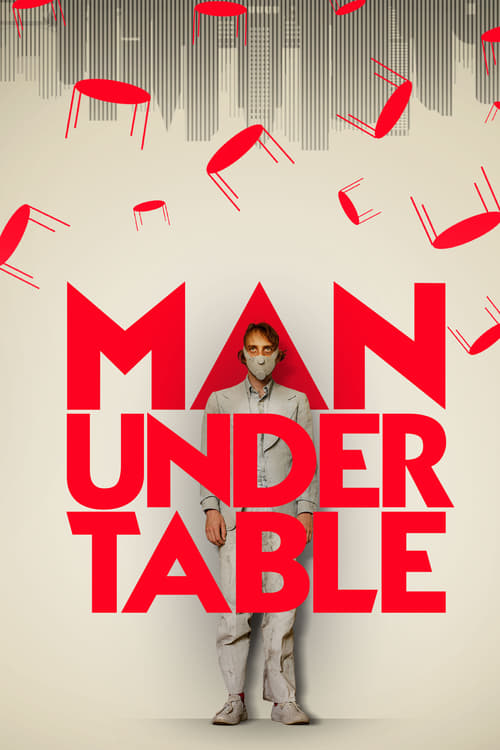
In an anachronistic dystopian landscape, a beleaguered young man attempts to navigate his way through the indie film scene in LA.
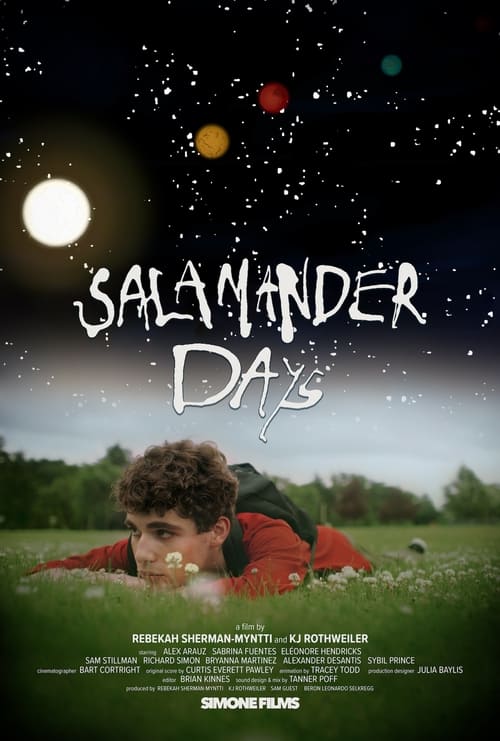
Salamander Days is an atmospheric meditation on friendship, grief, self-discovery, and adolescent consciousness. Set in an American high school, taking place in the midst of a student’s passing, and deeply rooted in the mythology of the salamander, the film explores the concepts of memory and creation, as well as the transformative experience of loss.
Seasonal movements and bittersweet moods of young adults faced with the realization of mortality, movement and the passing of things.
An experimental film by Chel White
In "Eclipse" enigmatic images trail the path of a poem, exploring one aspect of grief when a life is eclipsed. The often-controversial subject of a woman's right to choose is depicted from a perspective that is pointedly more personal than political.
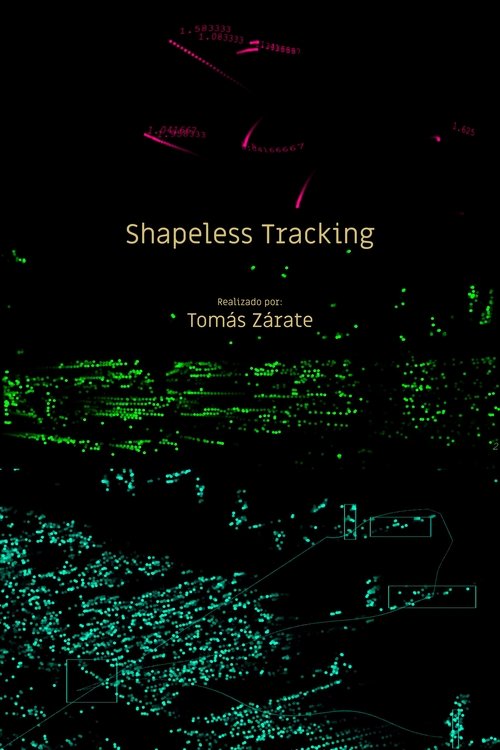
Inside a computer a space-time is revealed in which image and sound become numbers and motion manifests as rhythm, flow and chaos. This tracking and integration experiment removes the superficial identity of video to detect kinetic disturbances in everyday environment.
"Assassination" - Adaptation of Hermann Hesse's novel "Demian". A young man's detachment from and revolt against the superficial ideals of the world of appearances and eventually awakens into a realization of self. Max Demian is his childhood friend and mentor.
An actress finds herself trapped by an algorithm that hijacks extracts from her films for distribution on porn sites. After months with no help from anyone, she decides to regain control of her own story, using her imagination to heal and reclaim her identity.
No Trailers found.
No Cast found.