Herself
Himself
No Trailers found.
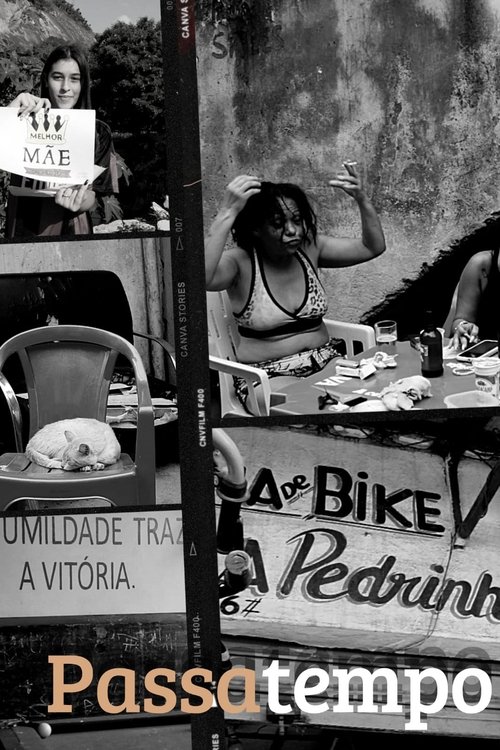
A record of what entertains the residents of Gardênia Azul, a neighborhood in the West Zone of Rio de Janeiro. On street corners, leisure activities in the community also reveal talents.
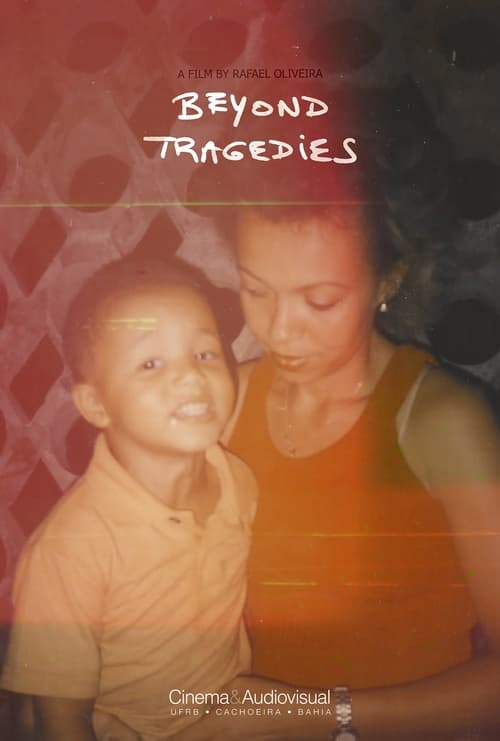
Recalling his childhood and relationship with his mother, a film student tries to understand the origin of his love for cinema and tragedies.
The cinema of Pernambuco is considered one of the most complex components of Brazilian cinema, particularly for its potency and creative style. The presence of women in filmmaking seldom holds the same historical notoriety as that of men, and the Pernambuco scene is no exception. In the context of "Amor, Plástico e Barulho" (Love, Plastic, and Noise), we find a film that serves as a testament to the marginalization of women in the creative industry, intertwining themes of consumption and the production of brega music. Hence, we use "Feminino e Barulho" (Feminine and Noise) as a means to share what we've learned. Renata Pinheiro has inspired us to craft a narrative that gives voice to those who need to be heard. We are here to showcase a glimpse of them and what they represent. "Feminino e Barulho" is a short film about love, femininity, sisterhood, and empowerment.
No overview available.
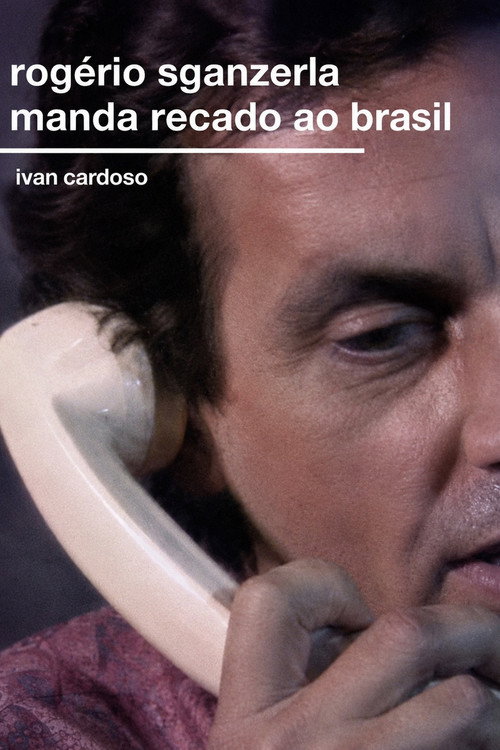
In this short film, Ivan Cardoso records Brazilian film director Rogério Sganzerla sending a message to Brazil.
A street performer in Recife (Brazil), decides to host a live broadcast with his followers to raise money for a new bluetooth speaker.
This documentary accompanies the journey of artists who exalt and celebrate ancestry and the orishas in their work. It also offers a manifesto against one of the biggest problems facing Brazil: religious racism. The feature brings together stories from music, theater, fashion, dance and the visual arts to promote reflection on the power and importance of black representation, art and diversity
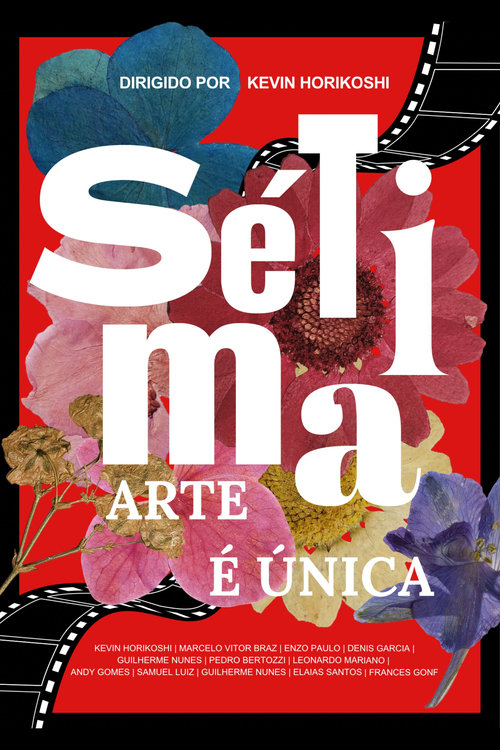
Seventh art is unique addresses people's relationship with a movie theater or film. What feelings do they feel? What changes in you when you go to the movies? It also addresses Jair Bolsonaro's harsh criticism of culture and cinema in Brazil.
The 1948 South American Championship, won by Vasco, the first continental world champion. In the absence of period records, radio commentary was recreated, and the highlights were animated. The trajectory of CR Vasco da Gama up to that point: the fight against racism, São Januário as the country's main sports and social arena, and the culture dominated by Vasco fans.
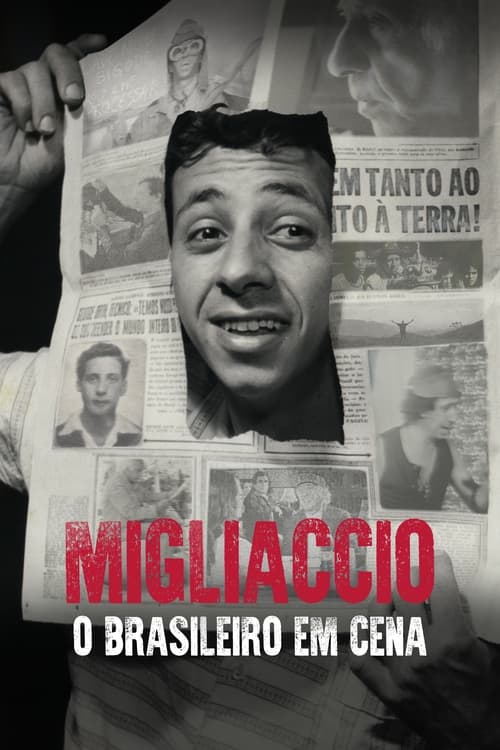
The documentary Migliaccio - O Brasileiro em Cena follows the path of those who take risks for the art, either as directors, as writers, as scenographers and even as costume designers. The Oscarito trophy received by Flávio Migliaccio in 2014 Gramado Film Festival crowns a career enmeshed by many threads. Since Migliaccio has performed in different fields of art - from cinema and theater to literature and drawing -, the documentary creates varied visual interventions to enchain the narrative, in addition to the interviews and archive pictures, such as a shadow play to represent his humble childhood, and to the cartoons the artist drew to portray his existential questions in his ranch in Rio Bonito (State of Rio de Janeiro). Images and stories that aim to show a professional and personal life pervaded by possibilities and attitudes, both artistic and political.
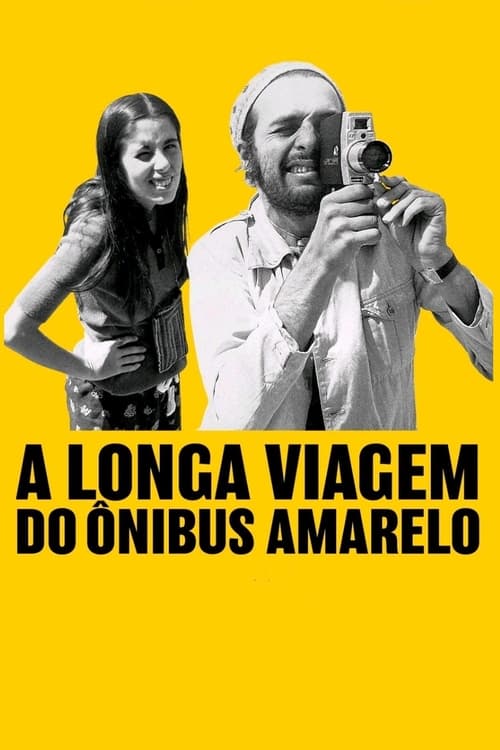
For this behemoth, Bressane took his opera omnia and edited it in an order that first adheres to historical chronology but soon starts to move backwards and forward. The various pasts – the 60s, the 80s, the 2000s – comment on each other in a way that sheds light on Bressane’s themes and obsessions, which become increasingly apparent and finally, a whole idea of cinema reveals itself to the curious and patient viewer. Will Bressane, from now on, rework The Long Voyage of the Yellow Bus when he makes another film? Is this his latest beginning? Why not, for the eternally young master maverick seems to embark on a maiden voyage with each and every new film!