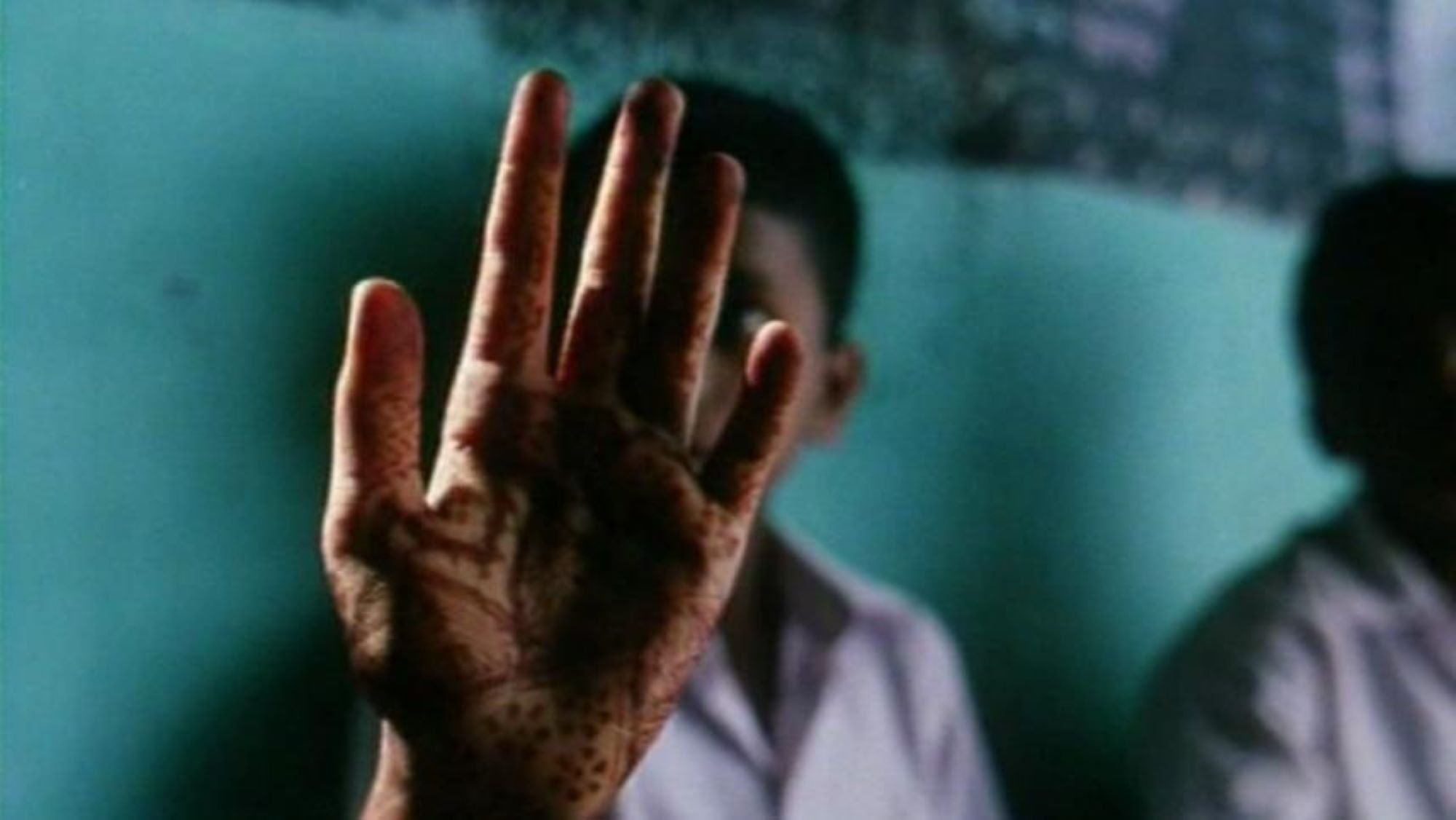
A stream of mysterious rituals and symbols are encountered as a young boy journeys to school in the fantastical world of Kshya Tra Ghya.
No Trailers found.
Marjetka is living ten years with Maks, who is a painter, and an uncompromising conceptual artist. At first, it seemed different: Max was witty, charming, talented and promising, so he hired Marjetka to reach fame and success. "Well, it is funny today, but fame and money is not coming out of nowhere". The film has a poet, Srecko, Max's mother, an opera singer, and Vilma, Marjetka's friend. In short, the artists themselves, or as Max says from his point of view: "Slovenian - Country artists". And when Marjetka a few days after her 30th birthday, full of doubts about this way of life, which is not to her liking, she realizes that Maks is not only an irreversible bohemian, but also a slacker and sarcastic, she decides to change her life. And this is very radical. Rather than leave it to him.
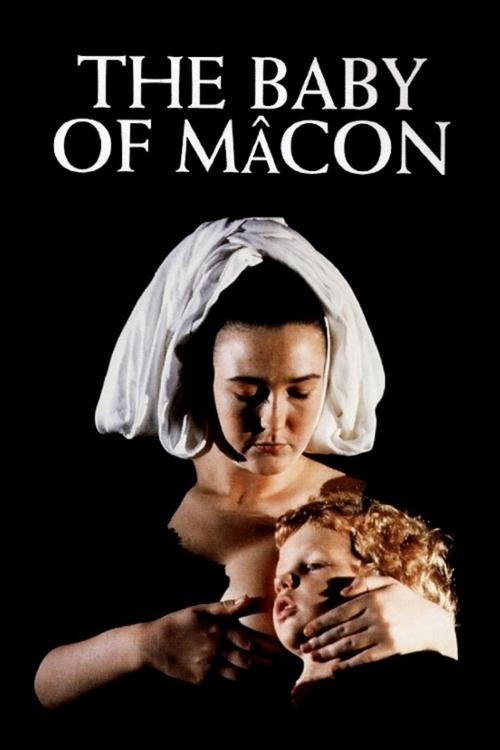
In 17th-century Tuscany, a church play is performed for the benefit of young aristocrat Cosimo. In the play, a grotesque old woman gives birth to a beautiful baby boy. The child's older sister is quick to exploit the situation, selling blessings from the baby, and even claiming she's the true mother by virgin birth. However, when she attempts to seduce the bishop's son, the Church exacts a terrible revenge.
Between two Thanksgivings, Hannah's husband falls in love with her sister Lee, while her hypochondriac ex-husband rekindles his relationship with her sister Holly.
Visionary artist Matthew Barney returns to cinema with this 3-part epic, a radical reinvention of Norman Mailer’s novel Ancient Evenings. In collaboration with composer Jonathan Bepler, Barney combines traditional modes of narrative cinema with filmed elements of performance, sculpture, and opera, reconstructing Mailer’s hypersexual story of Egyptian gods and the seven stages of reincarnation, alongside the rise and fall of the American car industry.
A half-hour experimental film that shows Fukui moving towards cyberpunk imagery in a manner similar to Tsukamoto, featuring industrial locations, a malfunctioning cyborg/android and a hulking metallic ‘caterpillar’ that stalks characters.
No overview available.
A surreal, experimental, minimalistic animated film that dives into the inner recesses of creativity, imagination, longing and inspiration. Taking place from the somber point of view of a young wizard as he lives out his day, watching over a little town. Le Geniaque pays homage to Georges Melies and 1920s silent films in general.
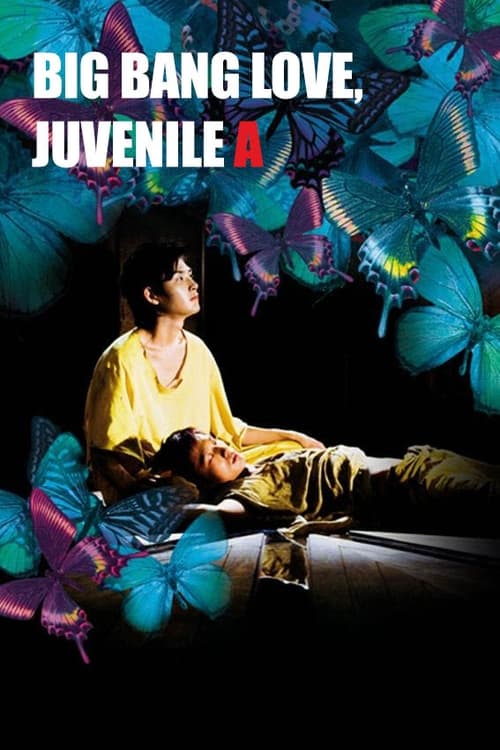
An unknown future. A boy confesses to the murder of another in an all-boy juvenile detention facility. More an exercise in style than storytelling, the story follows two detectives trying to uncover the case. Homosexual tension and explosive violence drives the story which delivers some weird and fascinating visuals.
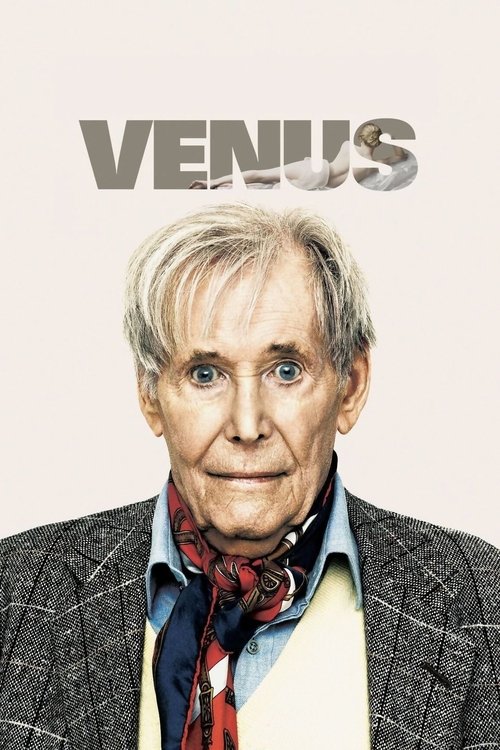
Maurice is an aging veteran actor who becomes taken with Jessie, the grandniece of his closest friend. When Maurice tries to soften the petulant and provincial young girl with the benefit of his wisdom and London culture, their give-and-take surprises both Maurice and Jessie as they discover what they don't know about themselves.
In a near-future where grief can be outsourced, a bereaved artist considers a new outpatient procedure: an AI implant that can copy her mind, replace her with a digital copy, and spare her loved ones the pain of loss. But one unsettling discovery forces her to ask what, if anything, makes us truly irreplaceable. Set one product launch from today, Afterlife is a quiet sci-fi thriller about art, identity, and the slow erasure of the self in the age of artificial intelligence.
The story of the bond between an aged blind artist, about to create his last masterpiece and a rebellious young artist girl who comes to assist him.
The Alchemist assembles together a group of people from all walks of life to represent the planets in the solar system. The occult adept's intention is to put his recruits through strange mystical rites and divest them of their worldly baggage before embarking on a trip to Lotus Island. There they ascend the Holy Mountain to displace the immortal gods who secretly rule the universe.
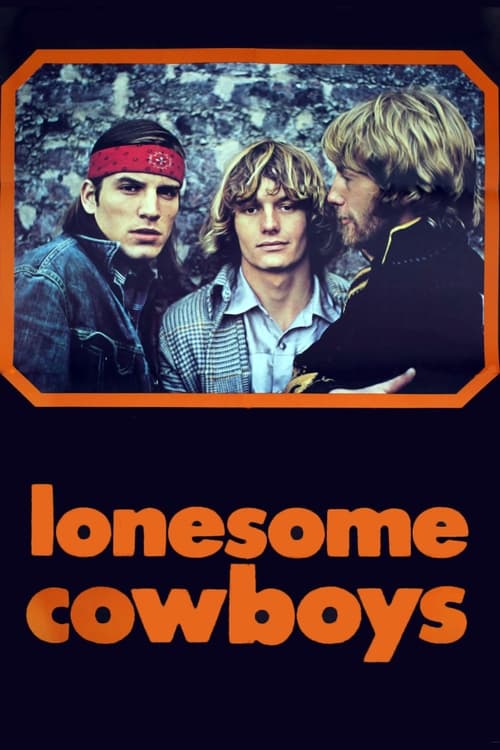
Five lonesome cowboys get all hot and bothered at home on the range after confronting Ramona Alvarez and her nurse.
An artist on the verge of finishing his dream.
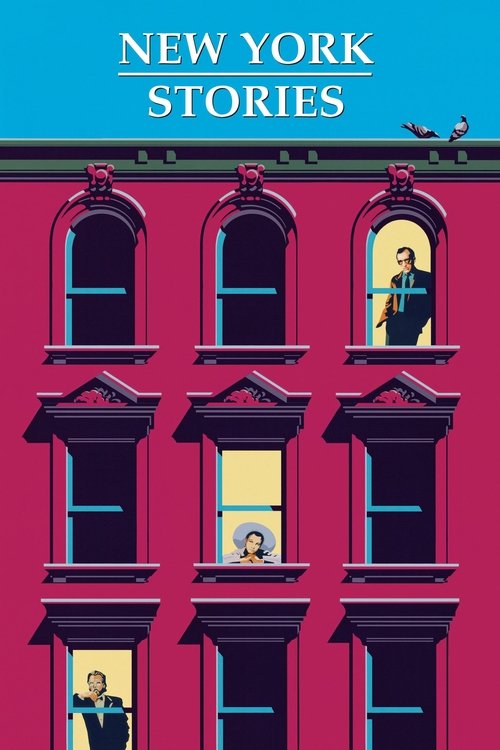
Three tales of love, ambition, and neurosis unfold in the city that never sleeps. In "Life Lessons" (Martin Scorsese), a tormented painter channels heartbreak into his art. In "Life Without Zoë" (Francis Ford Coppola), a precocious 12-year-old navigates privilege and loneliness in a Manhattan hotel. And in "Oedipus Wrecks" (Woody Allen), a man’s domineering mother literally becomes a looming presence over New York.
While visiting her sister in Paris, a young woman finds romance and learns her brother-in-law is a philanderer.
A portrait of new found sobriety and love unravels as a young woman moves through the motions of melancholic life in seclusion.
First film by Julio Bressane shot in exile, "Memoirs" is a film about a man who repeatedly kills the same type of woman in same places, the same way. Filmed on the streets of London.
A young actor, trapped in an abusive film set, starts spiraling in an anxiety induced attack and reflection as he ponders on his work and role in society. His attack and thoughts get heavier and more sporadic as he sifts through interviews he's done throughout the years - all showing the pain that lies within.
The film tackles the life journey of Toni Ligabue, visionary naïf painter who used to draw tigers, lions and jaguars while living among the poplar trees of the boundless Po valley. A harsh life that is a fairy tale too, as a lonely and marginalized kid finds redemption in his art, and a way to express himself and be admired by the world.
No Cast found.