An intimate insight into the servant culture and lifestyle of the Viceroy of India and family, as they visit Simla (Shimla) and Lahore.
No Cast found.
A stunning trek from the vale of Kashmir, via Sind Valley and Kargil and Lamayaru Monastry.
A day in the city of Berlin, which experienced an industrial boom in the 1920s, and still provides an insight into the living and working conditions at that time. Germany had just recovered a little from the worst consequences of the First World War, the great economic crisis was still a few years away and Hitler was not yet an issue at the time.
No overview available.
Thirty-three shots based on the landscapes of the Isère region near Vienne. A work of observation on light, the dilation of Time, wind, calm and storm.
Alice Diop's enchanting short film, a work of transcendent transformation, shows how the rough lines of Drancy station are immortalized in watercolor by the French artist Benoît Peyrucq. A tribute to a location fraught with historical and contemporary poignancy.
A collection of amateur films made by photographer Roderic Vickers and friends.
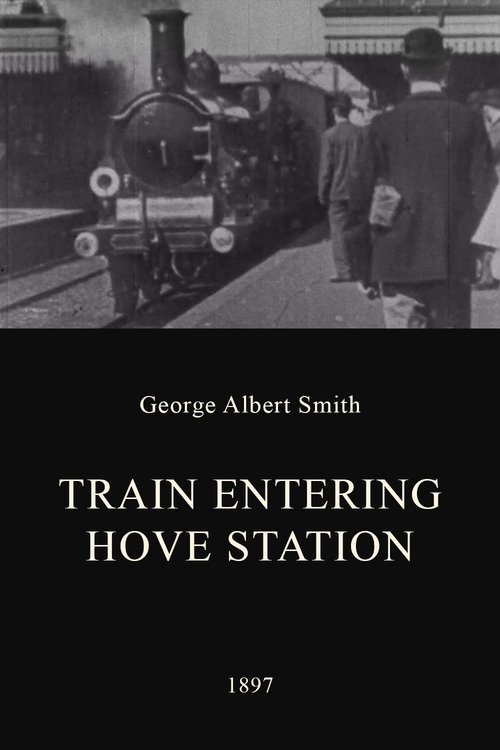
Most movie fans know that the first filmmakers liked to shoot trains entering stations. This example by Sussex film pioneer George Albert Smith illustrates why. The train's rush towards the audience brings movement and visual drama. The flurry of human activity offers plenty for the audience to engage with - who are these people and where are they going? And the time pressure exerted by the fact that the train must soon depart adds narrative tension - will everyone get on and off in time?
An experiment with three dimensions in a moment of clarity: the focus of the camera's lens towards the present, the speed of the train and the material world distorted by the movements of the train.
A group of teenagers from Flint, Michigan filmed themselves kidnapping and terrorizing a new acquaintance, before taking her out to a woods and dumping her in a shallow grave. They then taunted their terrified and blindfolded victim asking if she had any last requests before they cut her throat. But was the kidnap real or just a game? Three days later the tape was in the hands of the police and the 5 teenager friends were in custody facing life imprisonment. This program talks to the people at the heart of this story - including two of the defendants - in an attempt to understand what really happened in the woods around Flint last year. It also screens the video of the 'abduction'. What is revealed is an extraordinary and disturbing record of a night when something went terribly, terribly wrong.
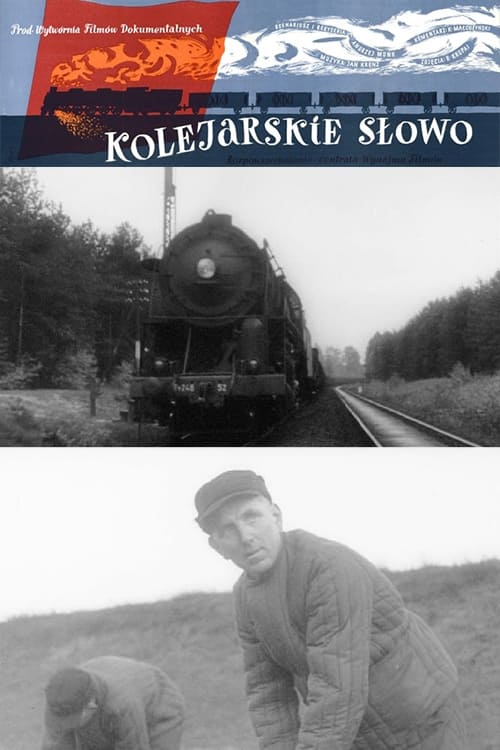
A documentary about the hard work of railwaymen transporting coke from Tarnowskie Góry to Szczecin Iron works.
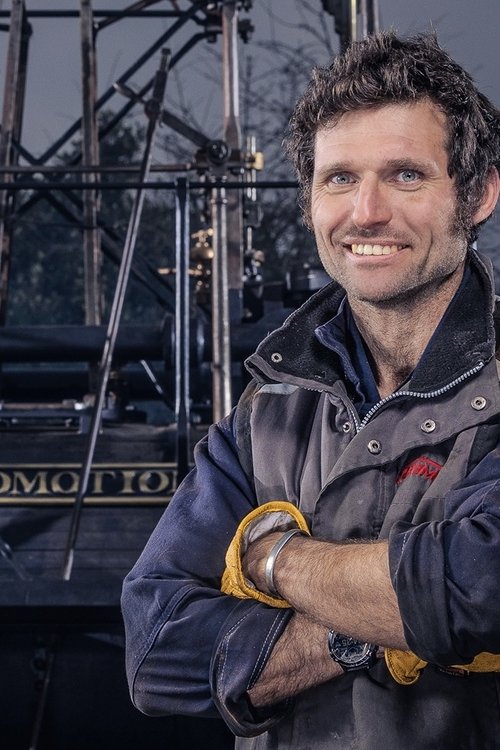
Celebrating 200 years of rail, Guy helps to rebuild, and learns to drive, the world’s most important train for a recreation of the journey that changed history: the Stockton to Darlington Railway
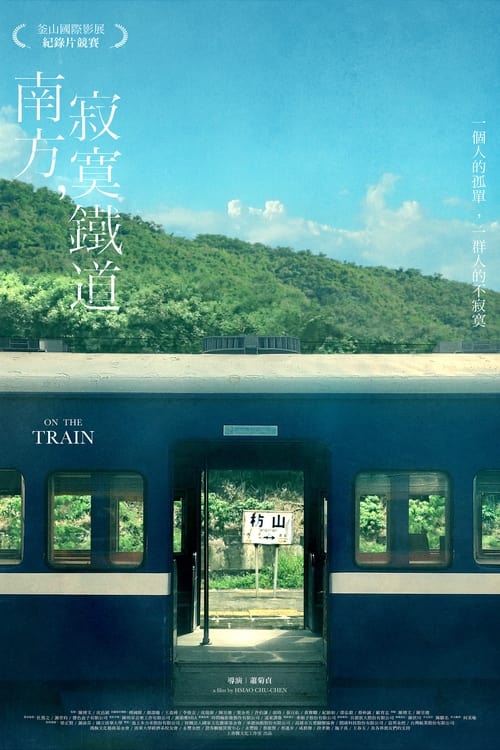
On the Train captures from the birth to the last moment of the railway, 98.2 kilometers long and opened in 1992, crossing southern Taiwan.
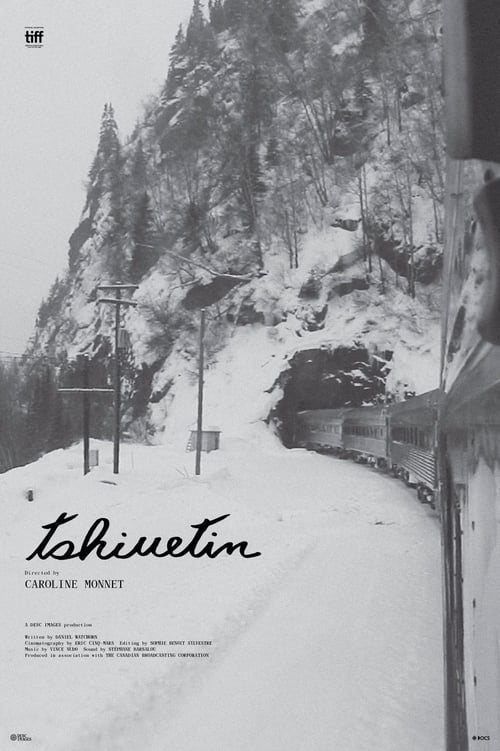
Take a breathtaking train a ride through Nothern Quebec and Labrador on Canada’s first First Nations-owned railway. Come for the celebration of the power of independence, the crucial importance of aboriginal owned businesses and stay for the beauty of the northern landscape.
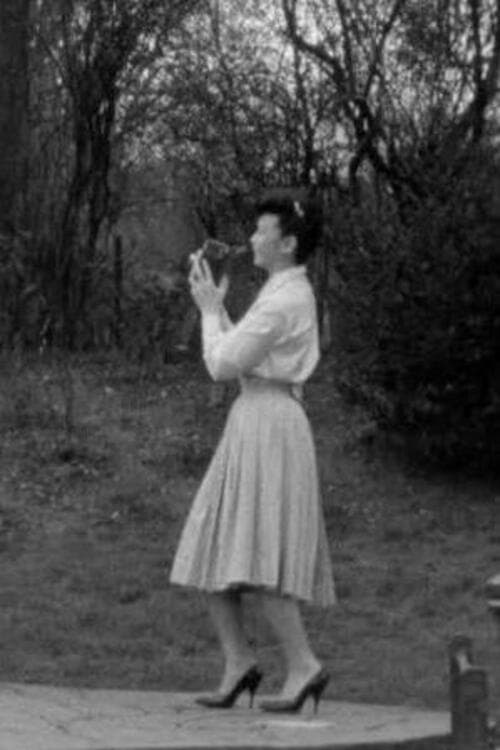
A fun tour of 1950s West End with international film star Yoko Tani.
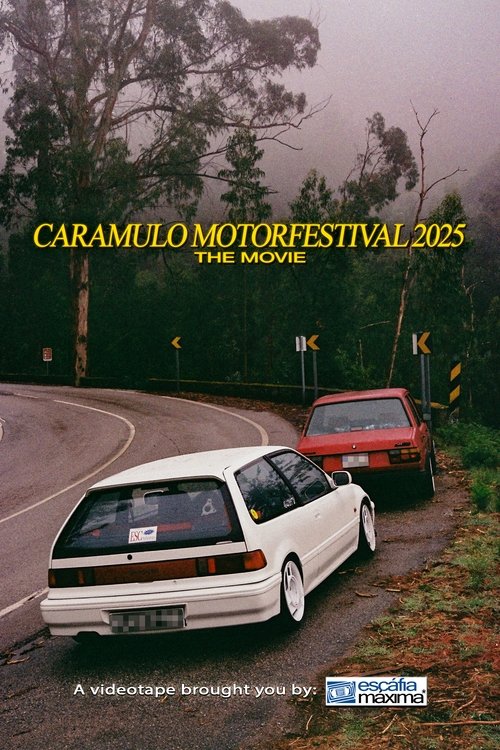
7 cool kids head up north to the biggest automotive festival in Portugal also known as Caramulo Motorfestival in 2 modified cars from the 80´s. This is a journey they had envisioned since they had their drivers license, and after all these years, they made it. This is a small film from escáfiamáxima* poorly recorded with a shitty ass Panasonic handycam from the 2010´s, and some parts with a Sony Hi-8 handycam.
A lovingly crafted home movie charting the maiden voyage of the Brown family's new yacht.
Made to foster relations between the local residents of Rhymney, in south Wales, and the church.
The Hilton Hotel rises from the ashes, surrounded by derelict houses and bomb damaged streets.
Learn how to climb Great Gable in the Lake District, via the Arrowhead ridge climb.
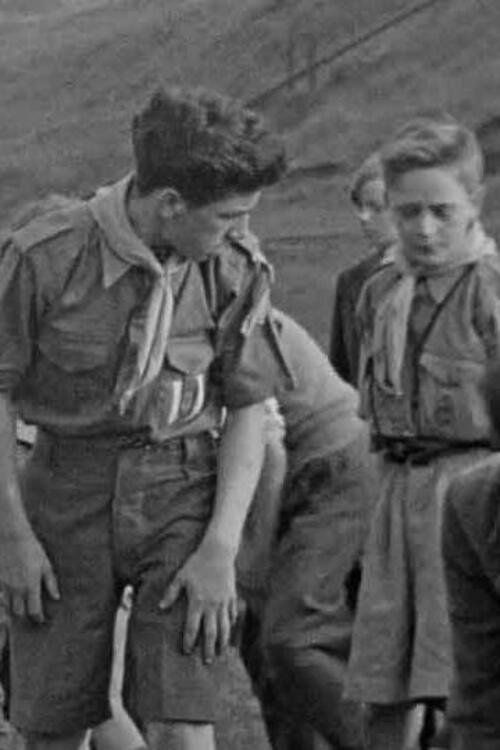
Boys’ canoe trip on the Thames in London.
No Trailers found.