History of women in Latin America
No Cast found.
No Trailers found.
No overview available.
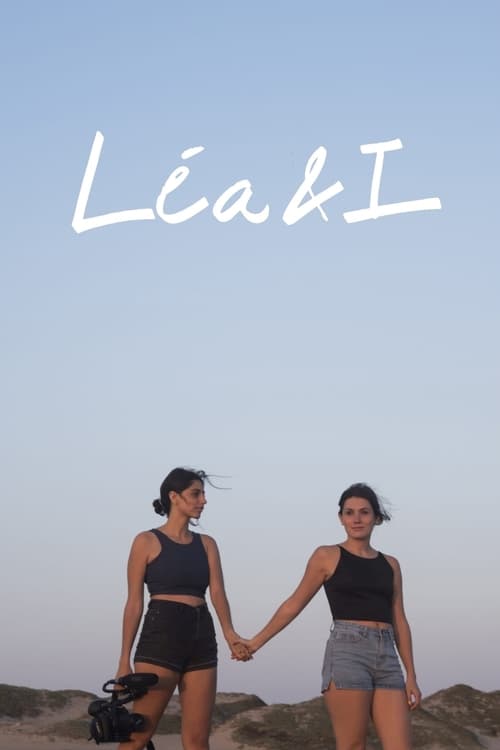
Best friends travel though Latin America meeting shamans, experimenting with plant medicines, and wondering about what makes a life well-lived when one of them might have half the time to live it.
Two women discuss the roles and problems of women, education, and shopping on Fogo Island.
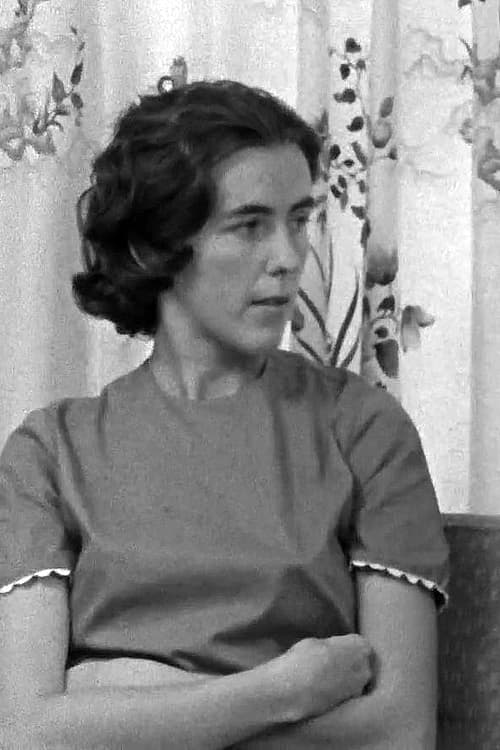
The mother of animation director Rebecca Blöcher didn’t want to live an ordinary life. She wanted “something more,” she explains in this stop-motion film. The people around her didn’t understand—in a letter written in 1968, a girlfriend criticizes her for going out on her own and making men jealous, while advising her to dress in a more “feminine” way and to join a cooking course. Blöcher’s mother brushed aside the advice. Years later still, she divorced her husband and stepped into the big wide world.
August 29, 1979, Talavera Bruce Penal Institute, Bangu, Rio de Janeiro. After serving eight years in prison, Inês Etienne Romeu, the only survivor of the "House of Death" in Petrópolis and the first political prisoner sentenced to life in prison in Brazil, left prison benefiting from Amnesty. Norma Bengell filmed this moment: from the prison door to her home with her family, Inês was welcomed by family, friends and members of the Brazilian Amnesty Committee, in what marked the first act of the historic denunciation that Inês would carry out against her tormentors and the Military Regime.
A 90-minute special reuniting the main cast of the American sitcom, "The Golden Girls", where they share their favorite moments from the show, behind-the-scenes footage, and plenty of laughs
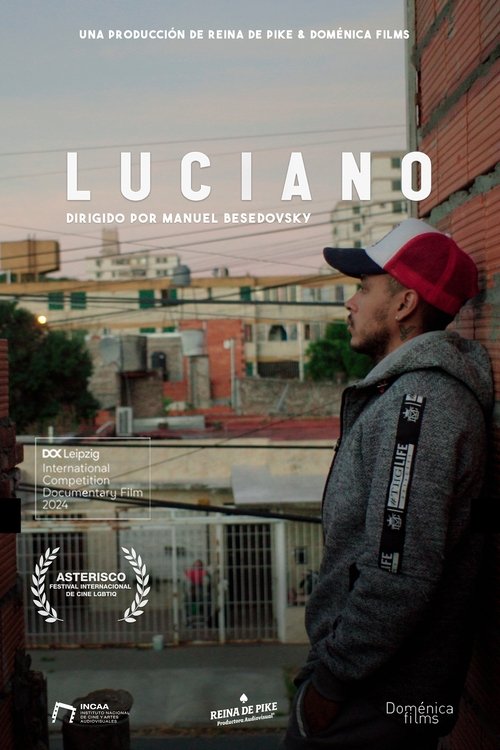
Luciano lives with his mother and younger sister in a low-income neighborhood in the Argentine city of Rosario. He studies and helps with the housework. Since money is always short, he takes any temporary work he can get to support his family, while he looks for a steady job. After years of spending long hours at the gym, he has managed to see himself in the body he longed for. Life, however, imposes new challenges on him in his relentless journey to pursue his identity.
What starts as a desire to experience nature more intimately develops into a relatable conversation on alternative pathways through life. Two friends go on a two-year road trip through Latin America. Presenting an insight into long term travel and how engaging in new cultures and environments can help widen our perspective and deepen our understanding of the world we live in. Pacifico forms a discussion around the pros and cons of living in the moment; Showing how slowing down and observing the world mindfully can aid in gaining perspective and broaden an understanding of what is important in life.
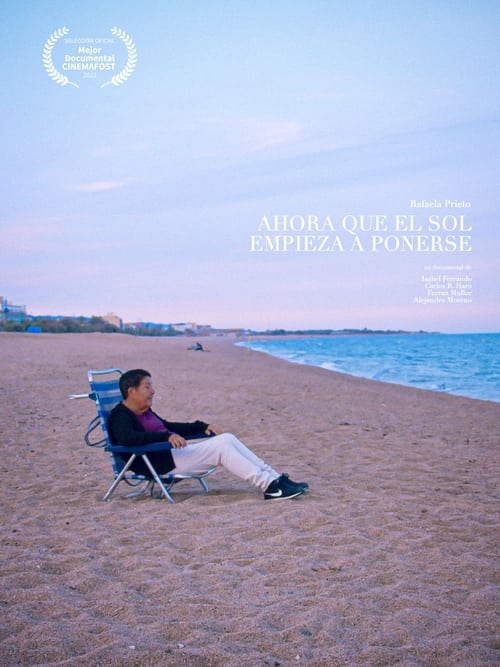
Rafaela, an 80-year-old woman, has a long conversation with her grandson, going over his path from childhood to old age. Now that she has been diagnosed with chronic breast cancer, faith is more present in her life than ever, which coexists with Rafaela's fear of death, and her grandson's fear of dying.
The cinema of Pernambuco is considered one of the most complex components of Brazilian cinema, particularly for its potency and creative style. The presence of women in filmmaking seldom holds the same historical notoriety as that of men, and the Pernambuco scene is no exception. In the context of "Amor, Plástico e Barulho" (Love, Plastic, and Noise), we find a film that serves as a testament to the marginalization of women in the creative industry, intertwining themes of consumption and the production of brega music. Hence, we use "Feminino e Barulho" (Feminine and Noise) as a means to share what we've learned. Renata Pinheiro has inspired us to craft a narrative that gives voice to those who need to be heard. We are here to showcase a glimpse of them and what they represent. "Feminino e Barulho" is a short film about love, femininity, sisterhood, and empowerment.
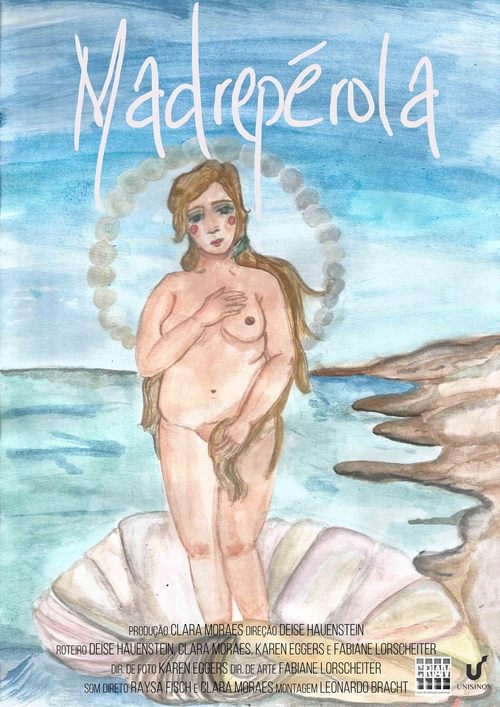
In a tide oblivious to diversity, pearl oysters live under attack for not fitting into the standards and sizes. This is the story of how their pearls are born.
In a Parisian public hospital, Claire Simon questions what it means to live in women’s bodies, filming their diversity, singularity and their beauty in all stages throughout life. Unique stories of desires, fears and struggles unfold, including the one of the filmmaker herself.
The Fania All Stars perform for 44,000 fans at Yankee stadium in New York. Besides concert footage, there's also included a history of Salsa, and vintage film clips of Hollywood's portrayal of Latinos in movies during the 1930's and 40's.
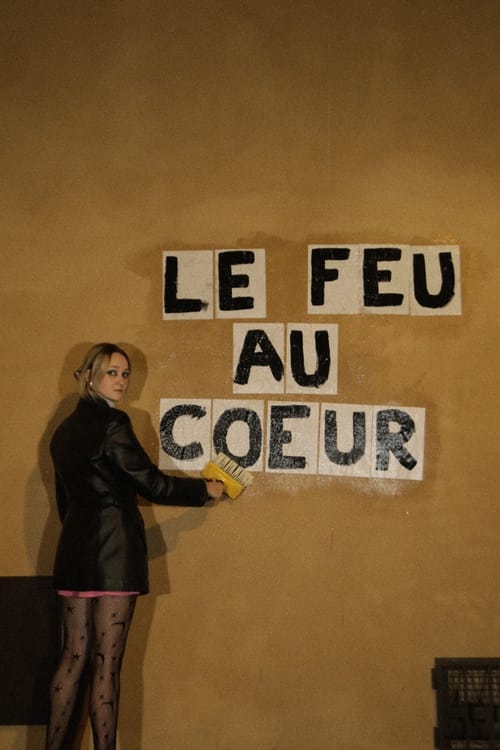
In Aix-en-Provence, feminist slogans dot the walls of the city. This is the work of "Les colleuses". Their goal: to claim their place in the public space, and to denounce patriarchal violences. For a month, we follow young Ameline and her friends. They tell us about their process, the reasons for their commitment, their doubts and their hopes.
The Executive Empress explores the entrepreneurial lives of several Florida women, who have turned their unique passions into successful businesses.
A scenes from a tour of Manipur State and a women's bazaar in Imphal.
Since the invention of the automobile, women have distinguished themselves by their daring: the history of women in motor sport.
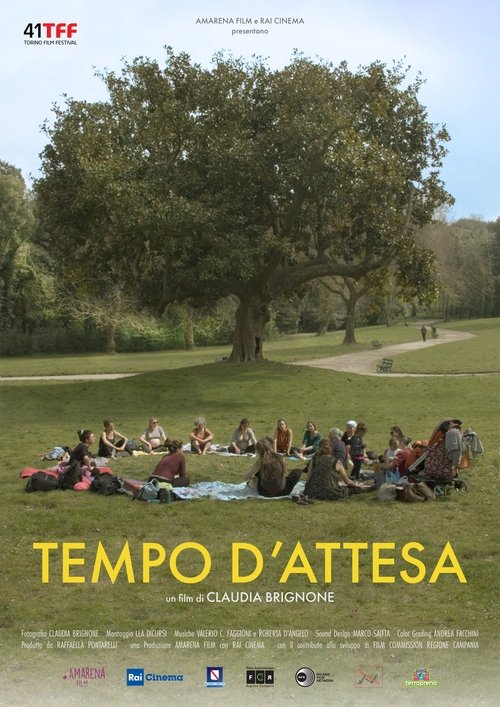
Under the shade of a Magnolia tree, a group of pregnant women gathers weekly. Among them is Teresa, an experienced midwife who listens to them attentively. Sitting in a circle, the women reflect on the impending birth of their children and their own emerging roles as mothers.
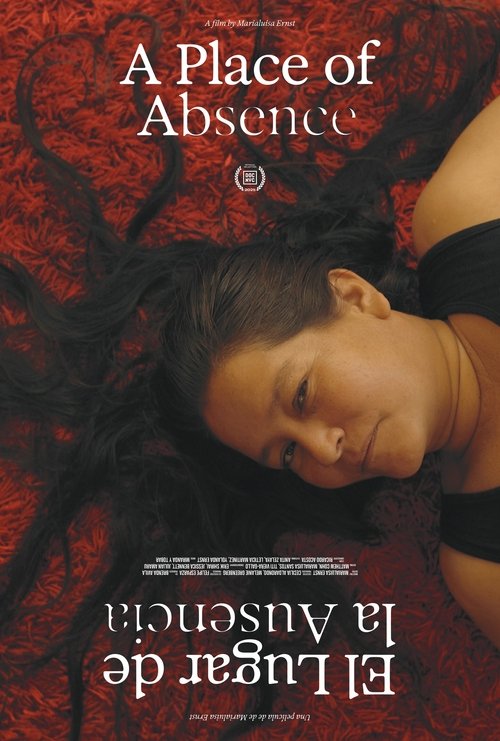
This poetic film follows director Marialuisa's journey with Anita and Leticia, Central American women traveling with the Caravan of Mothers of Missing Migrants.