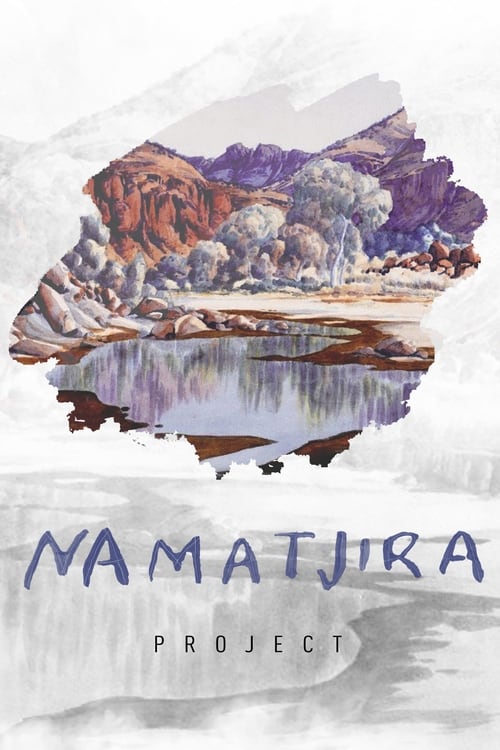
From the remote Australian desert to the opulence of Buckingham Palace - Namatjira Project is the iconic story of the Namatjira family, tracing their quest for justice.
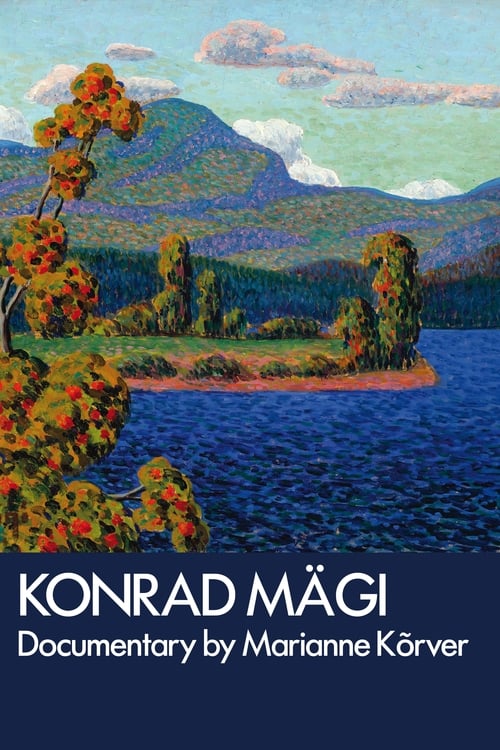
A documentary made for Konrad Mägi exhibition "The Light of the North" in Torino, Musei Reali (2019-2020), about Mägi's life and his legacy.
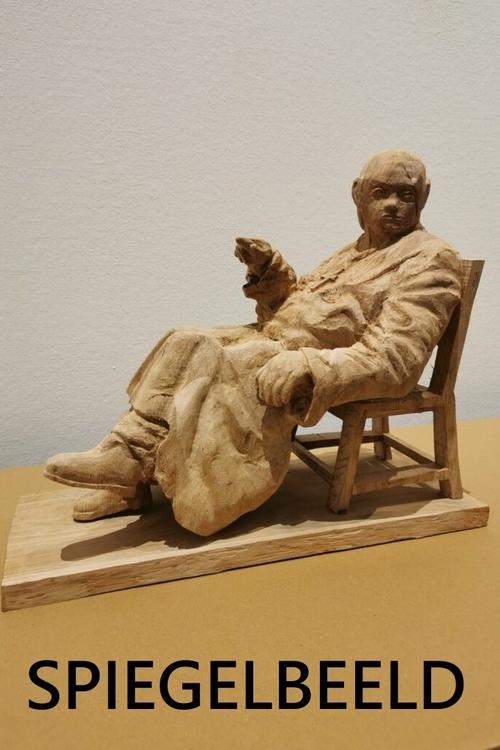
Tilburg artist Tommy van der Loo searches for the influence of superiority thinking, racism and colour in his life. Van der Loo is an emerging artist and his work has been purchased by Boijmans van Beuningen in Rotterdam. He also had an exhibition at the Kunsthal. He also made the memorial for the abolition of slavery in Eindhoven. He has had multiple experiences with discrimination and incorporates that into his sculptures. Identity and image formation are important to him: How do you look at others, how do others look at you. The search is the inspiration for his new sculpture.
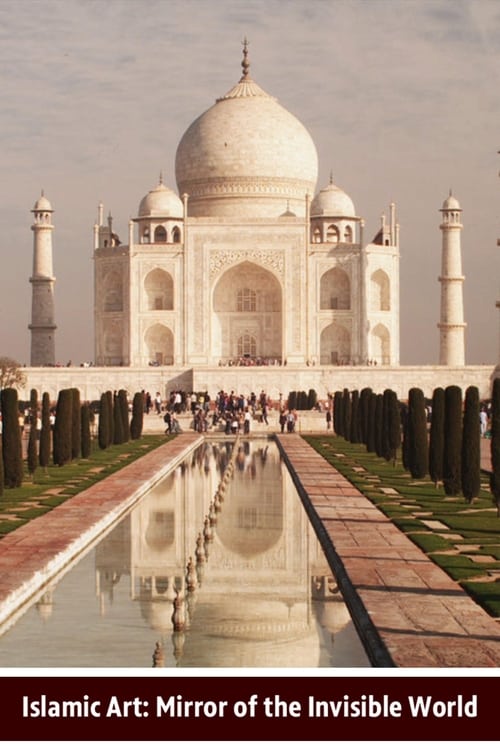
This ninety-minute film takes audiences on an epic journey across nine countries and over 1,400 years of history. It explores themes such as the Word, Space, Ornament, Color and Water and presents the stories behind many great masterworks of Islamic Art and Architecture. Narrated by Academy Award winning performer Susan Sarandon, this dazzling documentary reveals the variety and diversity of Islamic art. It provides a window into Islamic culture and brings broad insights to the enduring themes that have propelled human history and fueled the rise of world civilization over the centuries
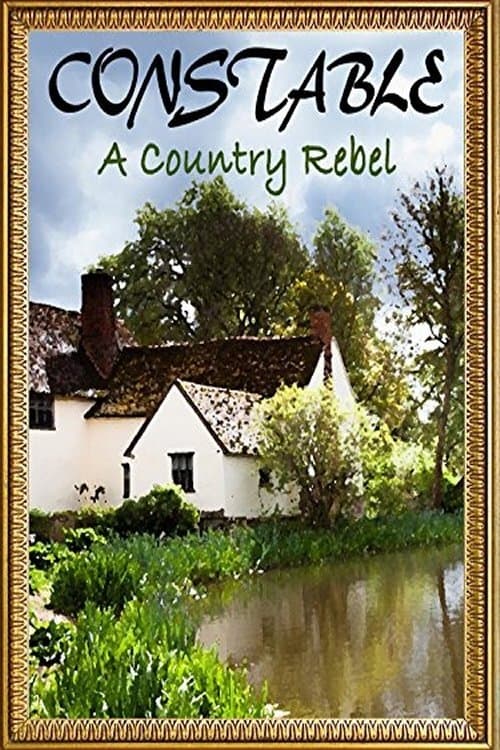
The Haywain by John Constable is such a comfortingly familiar image of rural Britain that it is difficult to believe it was ever regarded as a revolutionary painting, but in this film, made in conjunction with a landmark exhibition at the V&A, Alastair Sooke discovers that Constable was painting in a way that was completely new and groundbreaking at the time. Through experimentation and innovation, he managed to make a sublime art from humble things and, though he struggled in his own country during his lifetime, his genius was surprisingly widely admired in France.
A documentary film directed by seven famous directors, and narrated by several famous Hollywood actors. The film attempts to give the general filmgoing public a taste of art history and art appreciation.
Departing from peripheral details of some paintings of the Bilbao Fine Arts Museum, a female narrator unravels several stories related to the economic, social and psychological conditions of past and current artists.
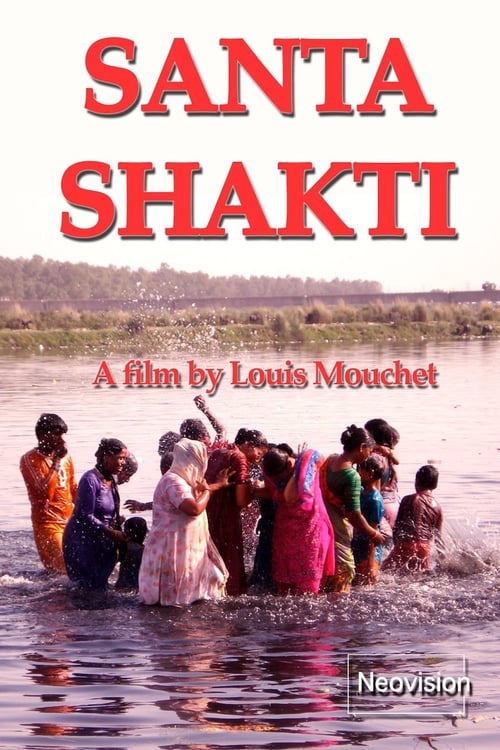
By drawing a parallel between the Indian Durga Puja festival and other forms of celebrating the divine feminine, Santa Shakti reveals the Sacred Power beyond languages and religions.
After World War II a group of young writers, outsiders and friends who were disillusioned by the pursuit of the American dream met in New York City. Associated through mutual friendships, these cultural dissidents looked for new ways and means to express themselves. Soon their writings found an audience and the American media took notice, dubbing them the Beat Generation. Members of this group included writers Jack Kerouac, William Burroughs, Allen Ginsberg. a trinity that would ultimately influence the works of others during that era, including the "hippie" movement of the '60s. In this 55-minute video narrated by Allen Ginsberg, members of the Beat Generation (including the aforementioned Burroughs, Anne Waldman, Peter Orlovsky, Amiri Baraka, Diane Di Prima, and Timothy Leary) are reunited at Naropa University in Boulder, CO during the late 1970's to share their works and influence a new generation of young American bohemians.
“To me films are an imaginary world where emotion comes into play.” YOO Teo traveled to Belgium to make his movie but he ended up being locked down due to COVID-19. This film is about his 15-days of quarantine in Antwerp Hotel fighting for his movie and loneliness. He also depicted his most personal story. This is the debut film of YOO Teo both as the star and the director.
How the art in the Detroit Institute of Art connects to life's experiences and the neighborhood.
Cartoneras is a documentary that grapples with Latin America’s urban realities, and the cardboard publishing movement that has emerged from these in the 21st century. Reflecting on the different contexts that propelled this form of community publishing, like Argentina’s 2001 economic crisis, the independent art scene, and the movements which formed around waste-pickers, the film’s narrative is developed through conversations with important actors from the cartonera world.
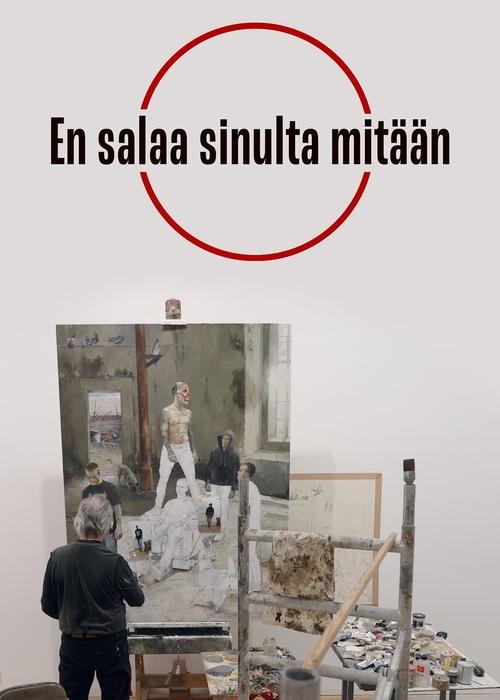
How do artists view their own work? How does actor Esko Salminen immerse himself in his roles, how does the writer/director Saara Turunen create a whole new world for the stage, and why does musician PK Keränen pick up his guitar time and time again? Is creativity a conscious or subconscious process, a pleasure or a compulsion? Veikko Aaltonen’s documentary takes us straight into the heart of creativity with artists from different fields and generations. Celebrating the various forms of passion and creative work, the film presents a compelling case for the significance of art.
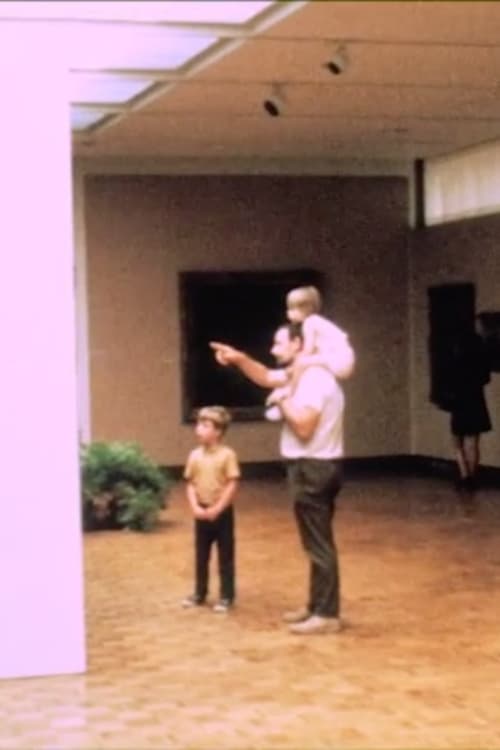
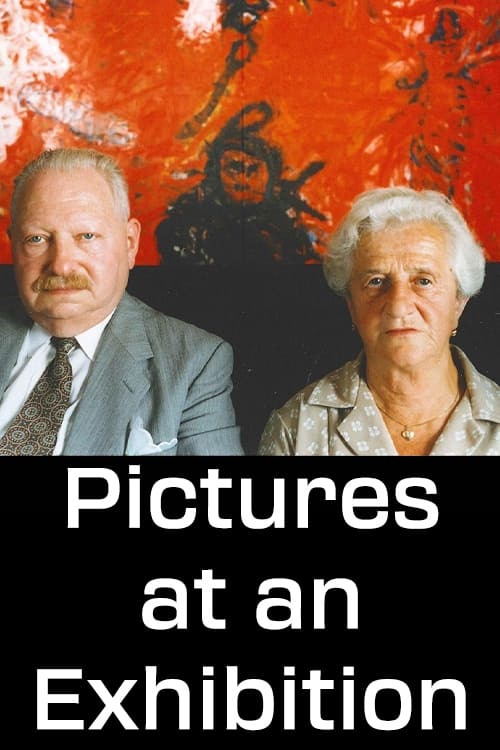
What does modern art mean for ordinary visitors to an exhibition?
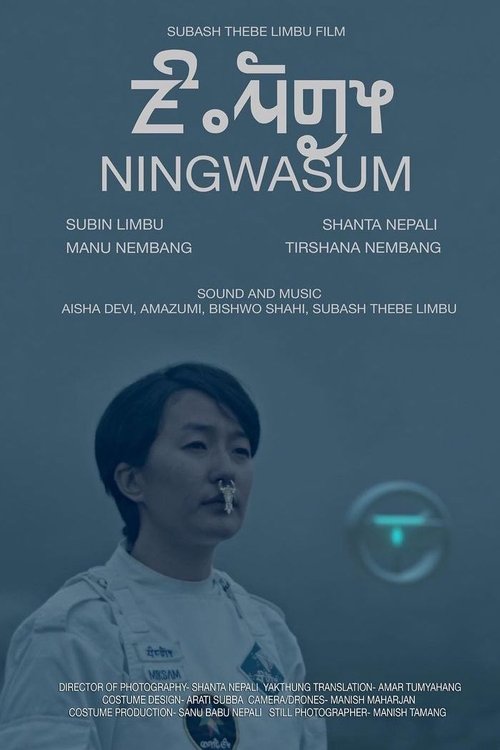
Ningwasum follows two time travellers Miksam and Mingsoma, played by Subin Limbu and Shanta Nepali respectively, in the Himalayas weaving indigenous folk stories, culture, climate change and science fiction.
"The prevailing stigmatization of the 'villero' universe is fed back by the images. In order to dismantle this stigmatization, other images must be presented or we need to reveal what the existing ones seek to cover up. The slum is usually represented from a limited and deceitful visual panorama. This representation has an intention. Cinema and television are two image-producing devices that strengthen the stereotypes that we have about the people who inhabit these spaces. And what happens in the field of painting? Do clichés reign there too? This visual essay seeks to confront various works by national painters and sculptors, belonging to the Palais collection, with the kinetic images of current cinema and television, to reflect on both the differences and the similarities in the meanings and discourses that both regimes of images can produce." César González
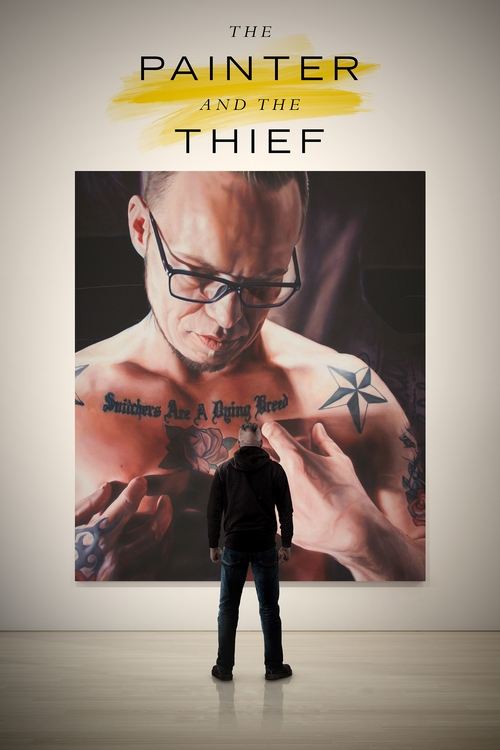
When two of artist Barbora Kysilkova’s most valuable paintings are stolen from a gallery at Frogner in Oslo, the police are able to find the thief after a few days, but the paintings are nowhere to be found. Barbora goes to the trial in hopes of finding clues, but instead she ends up asking the thief if she can paint a portrait of him. This will be the start of a very unusual friendship. Over three years, the cinematic documentary follows the incredible story of the artist looking for her stolen paintings, while at the same time turning the thief into art.
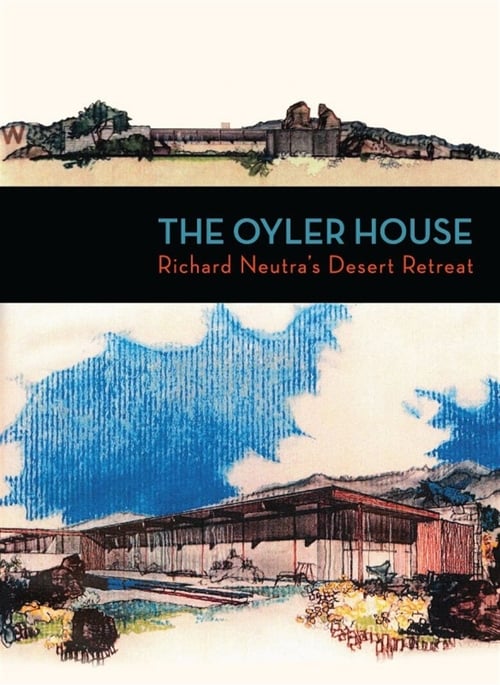
In 1959, a government employee named Richard Oyler, living in the tiny desert town of Lone Pine, California, asked world-famous modern architect Richard Neutra to design his modest family home. To Oyler's surprise, Neutra agreed. Thus began an unlikely friendship that led to the design and construction of an iconic mid-century modern masterpiece.
Follows the young people of Selma, Alabama's RATCo (Random Acts of Theatre Company) as they journey to New York City to share their story of hope, resilience, and overcoming.
No overview available.
No Trailers found.
No Cast found.