No Trailers found.
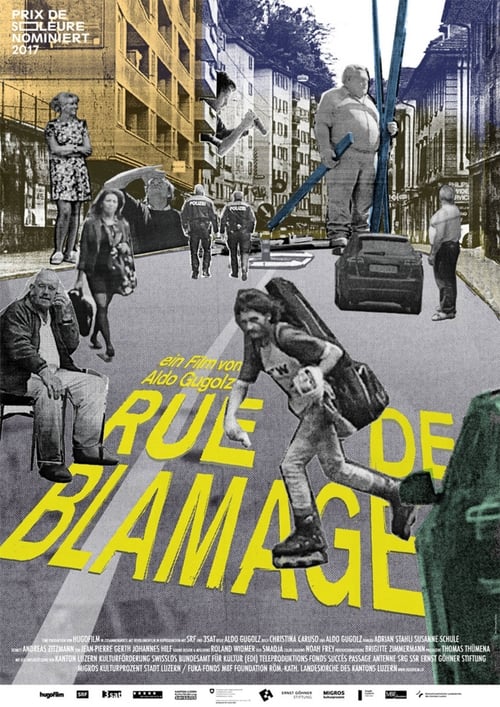
The Baselstrasse is a street in Lucerne. People call it "Rue de Blamage" – it's a noisy street tucked into a narrow space between a hill and a train track. The people who live here don't usually mingle with the rich and famous, but even the roughest haunt can be a home to those who live and work there – and Baselstrasse's two kilometers of asphalt are no different.
"Africa Light" - as white local citizens call Namibia. The name suggests romance, the beauty of nature and promises a life without any problems in a country where the difference between rich and poor could hardly be greater. Namibia does not give that impression of it. If you look at its surface it seems like Africa in its most innocent and civilized form. It is a country that is so inviting to dream by its spectacular landscape, stunning scenery and fascinating wildlife. It has a very strong tourism structure and the government gets a lot of money with its magical attraction. But despite its grandiose splendor it is an endless gray zone as well. It oscillates between tradition and modernity, between the cattle in the country and the slums in the city. It shuttles from colonial times, land property reform to minimum wage for everyone. It fluctuates between socialism and cold calculated market economy.
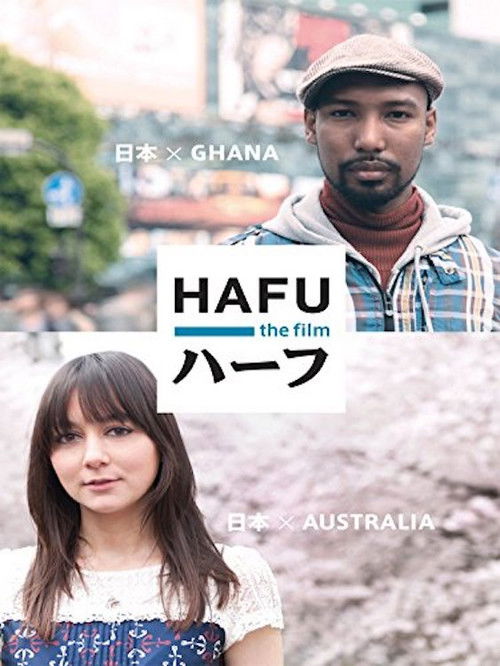
A journey into the intricacies of mixed-race Japanese and their multicultural experiences in modern day Japan. For some hafus, Japan is the only home they know, for some living in Japan is an entirely new experience, and the others are caught somewhere between two different worlds.
Anne Marie Nakagawa's documentary examines what it means to have a background of mixed ancestries that cannot be easily categorized. By focusing on 7 Canadians who have one parent from a European background and one of a visible minority, she attempts to get at the root of what it means to be multi-ethnic in a world that wants each person to fit into a single category.
No overview available.
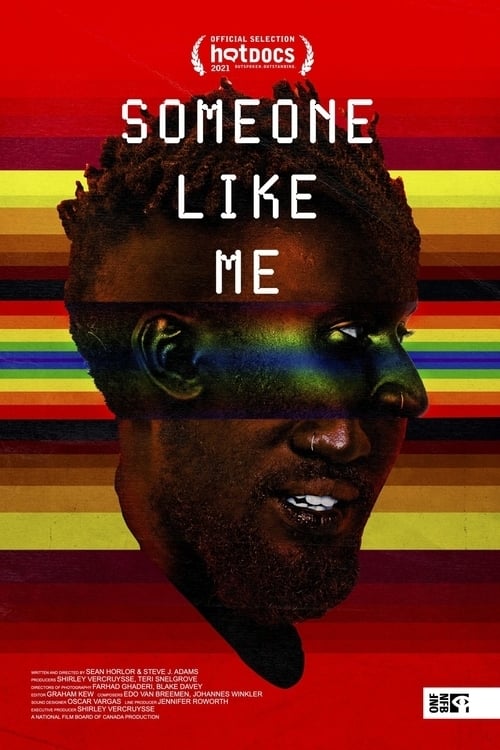
After 11 strangers unite to help a gay youth escape life-threatening violence in Uganda, the unexpected pandemic and conflicting opinions over his best interests test the limits of their commitment and jeopardize his fresh start in Canada.
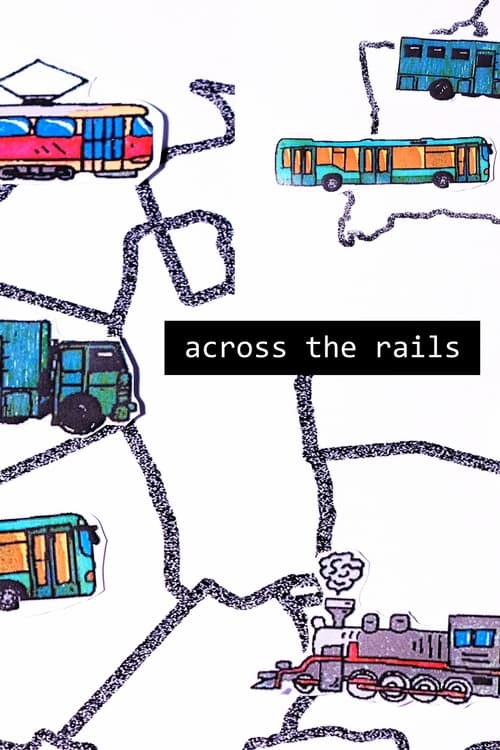
2021 was a turning point for Belarus and 6 Belarusian students - as well as for the city of Łódź, Poland, in which they found themselves. Across the rails of change and transformation, documenting a time that has not been before and will not repeat again. Heroes of the film have very different fates and experiences, but they are all connected by the place they found themselves in - the post-industrial and post-apocalyptic city, which becomes a part of their story and a hero of its own. Students, transport, quaters, youth, revolution, local apocalypse, changes and turns - they all mix in a documentary kaleidoscope 'Across the Rails'.
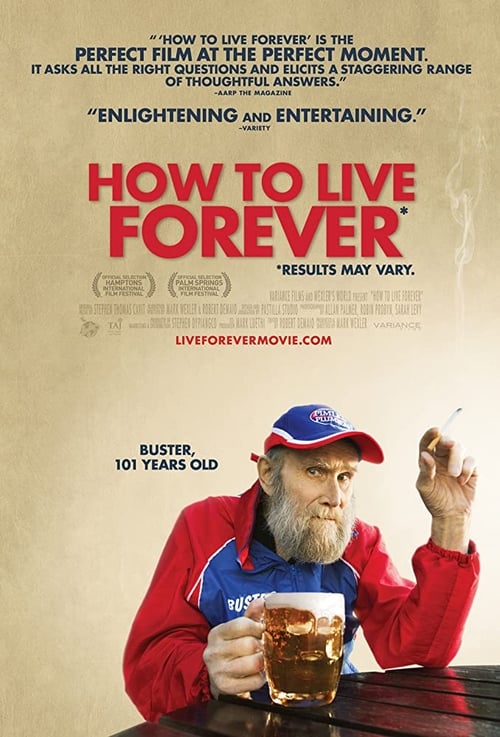
Director Mark Wexler embarks on a worldwide trek to investigate just what it means to grow old and what it could mean to really live forever. But whose advice should he take? Does 94-year-old exercise guru Jack LaLanne have all the answers, or does Buster, a 101-year-old chain-smoking, beer-drinking marathoner? What about futurist Ray Kurzweil, a laughter yoga expert, or an elder porn star? Wexler explores the viewpoints of delightfully unusual characters alongside those of health, fitness and life-extension experts in this engaging new documentary, which challenges our notions of youth and aging with comic poignancy. Begun as a study in life-extension, How To Live Forever evolves into a thought-provoking examination of what truly gives life meaning.
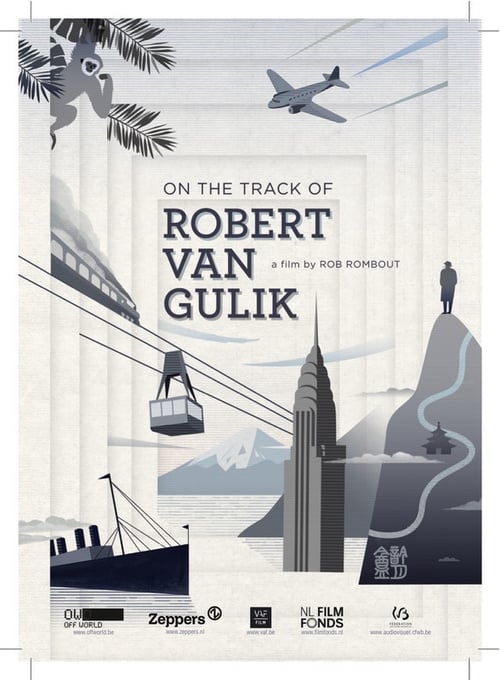
Robert van Gulik (1910-1967) is one of the world’s most read authors from the Netherlands. This diplomat, Sinologist and scholar is mainly known for his detective novels, starring 'Judge Dee'. Filmmaker Rob Rombout follows in his footsteps to discover the author’s legacy - via his diaries, the people he inspired and those who witnessed his extraordinary life.
At the end of high school, Zátonyi has to decide whether graduating or dating is more important. And for Kővári, the emergence of Leslie, who sees her future in drug dealing, could mean easy money. The two buddies almost miss the university entrance exam, but before that, they have to grow up a little bit for the task.
This Traveltalk series short visits Hungary's capital, Budapest.
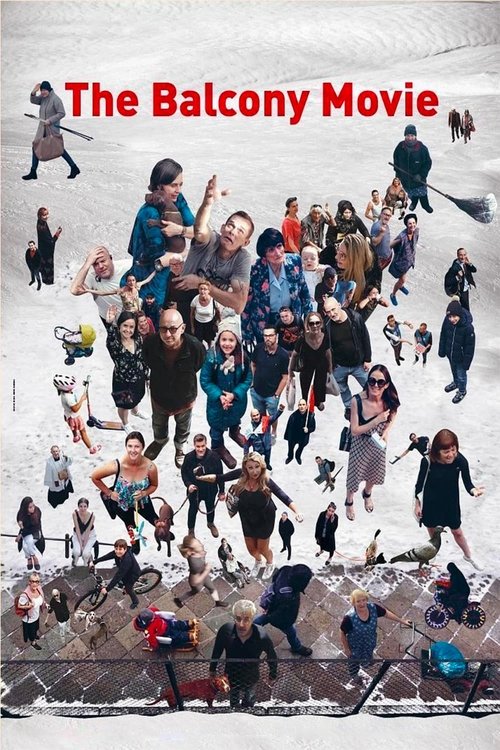
Composed from the conversations that the director holds with people passing by in the street under his Warsaw apartment, each story in 'The Balcony Movie' is unique and deals with the way we try to cope with life as individuals. All together, they create a self-portrait of contemporary human life, and the passers-by present a composite picture of today's world.
In 2020 the Hungarian government announced the change of ownership at nine state universities in order to make them maintained by foundations. The so-called “restructuring” comprised the imposition of a board of trustees over the universities, the members of which being loyal supporters of the government holding stable positions in its economic halo. Only one of the nine institutions protested against the forced political takeover of the University of Theatre and Film Arts (SZFE). Our film presents one of the stories of the university blockade.
The city of Ordos, in the middle of China, was build for a million people yet remains completely empty. Ordos is not so much a place but a symbol of babylonic hype. But nothing will change - as long as people believe.
Marta Cardoso, a young dancer from northern Portugal, moves through Lisbon with restless energy, between precarious routines, affections, and a daily life in constant imbalance. Dance becomes her refuge and her cry: a space where the body finds freedom and instinct, and where gesture replaces words. When dancing, she feels close to her inner animal.
German director Wim Wenders tries to explore the Tokyo that was depicted in the films of Yasujiro Ozu and finds a very different city.
A representation of queer and feminist imagery that was mainly shot in the Qinghai-Tibetan Plateau, remote and developing areas in southwest China, and metropolitan cities like Beijing from 2000 to 2004 to document the social changes in contemporary China. The director sympathetically and erotically represents a variety of women, including women as laborers, women as prayers, women in the ground, women in marriage, and women who lie on the funeral pyre with their dead husbands. Her camera juxtaposes the mountains and rivers in old times, the commercialized handicrafts as exposition, the capital exploitation of the elders’ living space, and the erotic freedom of the young people in a changing city.
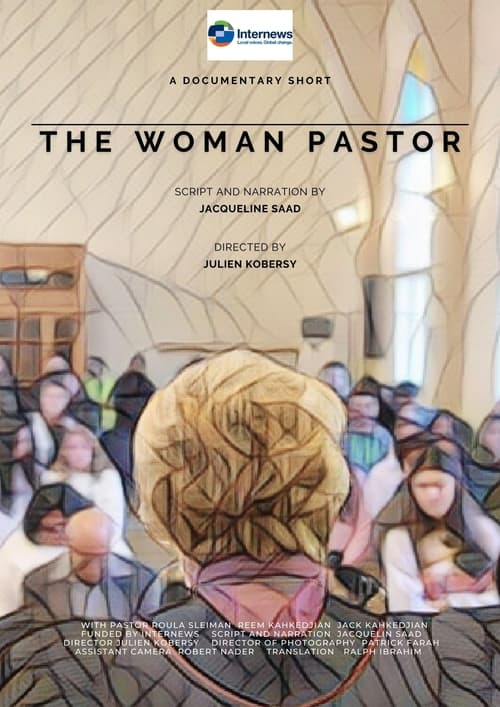
In a community of a Muslim majority, the first woman pastor in the Middle East leads a parish in one of the poorest city of the Mediterranean, in the heart of Tripoli, North Lebanon.
No Cast found.