This short film explores the resolution of a plumbing problem through a narrative lens compiled from found footage sourced from pornographic websites.
No Trailers found.
No Cast found.
A movie buff desperately wants to enter a theater to see a Fassbinder film but the doorman will not let him go because he has no ticket. The film is the confrontation between the two that ends with happy end.
An isolated village in the Lithuanian countryside. Seated in her house, an elderly woman recites an old folk story. Then she climbs up the tall ladder that takes her to the rooftop of the church.
Elem Klimov's tribute to his late wife, director Larisa Shepitko, killed in a car accident a year earlier. Features excerpts from all of her films, and archival audio of her discussing life and art.
Samuel is ten years old and is madly in love with Lucía, who is twelve years old and has a master plan to get rid of the only obstacle left in her life to get what she wants: to be a writer, film critic, and rich.
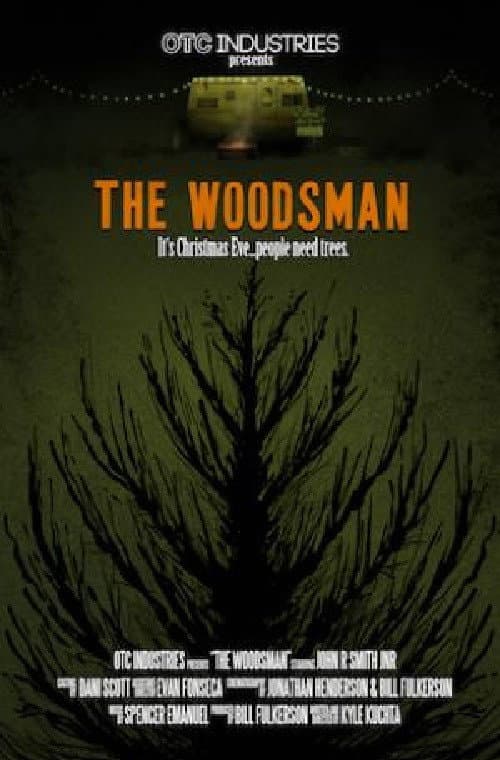
Bernie Davis, a Christmas tree salesman, has three trees left to sell on Christmas Eve. As the night progresses, his anxiety (and alcohol) leads him to take unconventional measures to ensure that his lot is sold and his soul is safe.
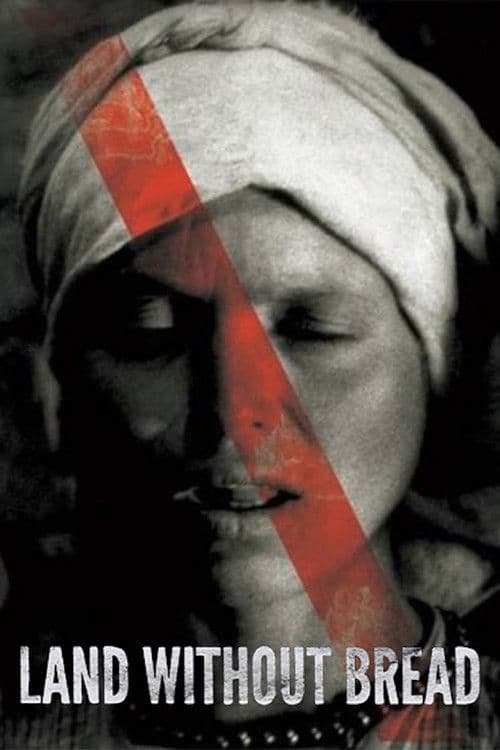
An exploration —manipulated and staged— of life in Las Hurdes, in the province of Cáceres, in Extremadura, Spain, as it was in 1932. Insalubrity, misery and lack of opportunities provoke the emigration of young people and the solitude of those who remain in the desolation of one of the poorest and least developed Spanish regions at that time.
To the city come men, women, fruits, flowers, vegetables, goats and sheep – all ready for consumption. It is the process of consumption/exploitation that forms the core of the film.
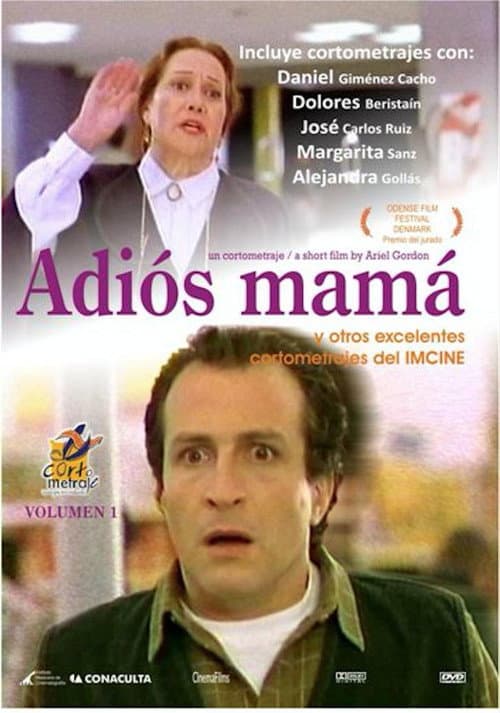
A man on a supermarket encounters a woman who tells him he reminds her of her late son.
Society has created a stereotype of the LGTBQ collective in which its members are young people who are fashionable, who have money, who have a lot of fun and who never pass the age of forty. But where are the older ones? When they reach that age, do they evaporate? This documentary makes visible a little-discussed topic: old age.
Signals follows Kit and Spencer as their relationship grows, showcasing the power of compromise.
In the heat of summer, Fabrizio is desperate to find the right time and place to make out with Nadia, his longtime girlfriend. With frustration building because his best laid plans are constantly getting interrupted, he comes up with a novel solution — but it will take more than just one teen boy to make it happen.
Too hot! The spawning fish do not come at the right time and the pepper plants end up dying in this heat. "This is a very different weather that not even the spirits can understand." From their gardens, homes, and backyards, the indigenous women of the Amazon involve us in their vast universe of knowledge while they observe the impacts of climate change in their ways of life.
No overview available.
A contemplation of life.
Two girls meet by chance in a bookstore and experience an instant connection.
An alien abductee deals with feelings of abandonment after his extraterrestrial friends ghost him.
St. Joseph Fort: Principality of Pontinha, the diamond that illuminates the Atlantic Pearl.
In 1967, de Andrade was invited by the Italian company Olivetti to produce a documentary on the new Brazilian capital city of Brasília. Constructed during the latter half of the 1950s and founded in 1960, the city was part of an effort to populate Brazil’s vast interior region and was to be the embodiment of democratic urban planning, free from the class divisions and inequalities that characterize so many metropolises. Unsurprisingly, Brasília, Contradições de uma Cidade Nova (Brasília, Contradictions of a New City, 1968) revealed Brasília to be utopic only for the wealthy, replicating the same social problems present in every Brazilian city. (Senses of Cinema)
After receiving the key to the city for their heroic efforts, Rocket J. Squirrel notices that Bullwinkle falls in love with a robotic moose. Unbeknownst to him, inside the moose is Boris Badinov, who, along with Natasha Fatale and Fearless Leader, are carrying out another plan to eliminate Rocky & Bullwinkle.
Documentary about influential Brazilian sociologist Gilberto Freyre, made in his country house in Apipucos, Pernambuco (Northeast Brazil).