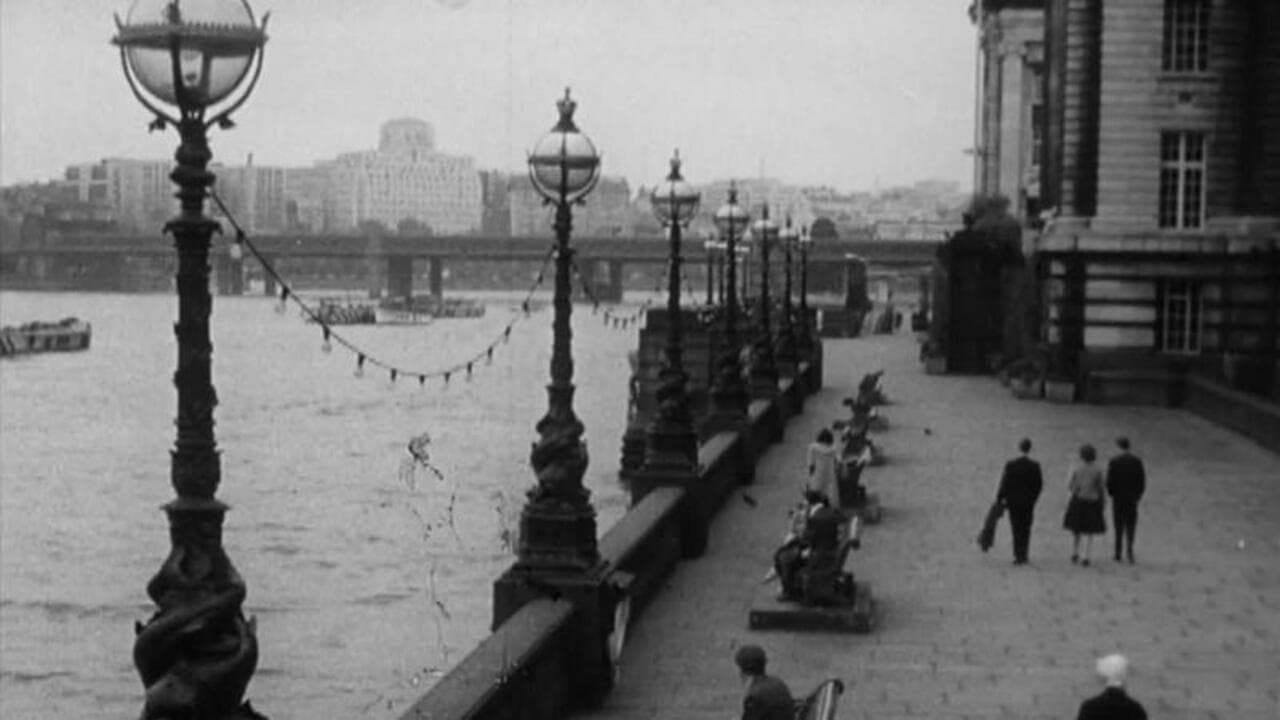
This fascinating 60s tour catches London's South Bank in the middle of a cultural metamorphosis.
No Trailers found.
No Cast found.
During a three-month period in 1888, a knife-wielding serial killer murdered six women on the streets of Whitechapel. Their throats were cut and their bodies horribly mutilated. He was never caught and his identity remains one of the world's greatest crime mysteries. In the years that have passed since Jack the Ripper's killing spree, many high-profile suspects have been suggested, yet the fact remains that none of them can be placed at any of the crime scenes. Now, journalist Christer Holmgren believes that he has found a suspect who can not only be linked directly to one of the murders but also whose daily routine could be consistent with all the other deaths
The baker, the pie-maker and the diminished long-term community of Hoxton Street face gentrification in this compelling portrait of a rapidly changing London.
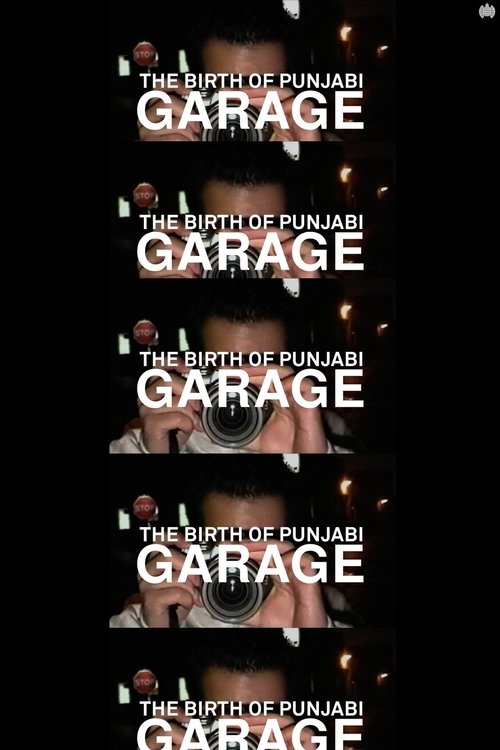
Yung Singh and Ministry of Sound present: The Birth of Punjabi Garage The documentary has a wealth of unseen archive footage showing exactly how it was in the garages and studios of the young Bradford and Manchester lads from the beginning, to the events, weddings and festivals that marked their success. The documentary is bookended by Yung Singh and his infamous and iconic Boiler Room, giving credit to the elders who paved the way for the continuation of South Asian presence in British dance culture. This documentary was produced in tandem with Yung Singh and is the first documentary to explore the genre. Documentaries have covered Bhangra, the 80s Daytimers and the Asian Underground but the South Asian diaspora’s involvement in the early 2000s Garage scene has never been covered and we are therefore proud to bring this to you!
A colour anamorphic musical look at London's Heathrow airport over 24-hours in November 1971. The subject was shot entirely at Heathrow airport without recording any direct sound. LHR's many layered tracks were all compiled, recorded and laid in post-production.
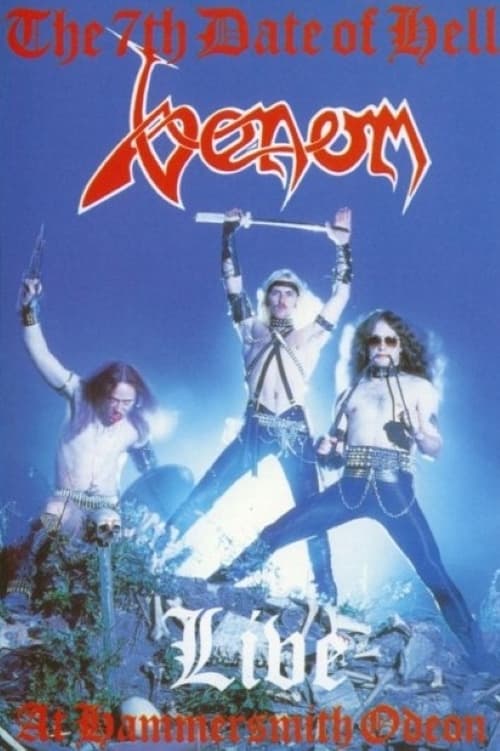
Blistering live performance by British black metal pioneers Venom captured at the Hammersmith Odeon in London in June of 1984. One of the most legendary shows in the history of metal featuring the classic line-up of Cronos (vocals/bass), Mantas (guitar) and Abaddon (drums). TRACKLIST: 01. Leave Me In Hell 02. Countess Bathory 03. Die Hard 04. 7 Gates Of Hell 05. Buried Alive 06. Don't Burn The Witch 07. In Nomine Satanus 08. Welcome To Hell 09. Warhead 10. Stand Up And Be Counted 11. Blood Lust
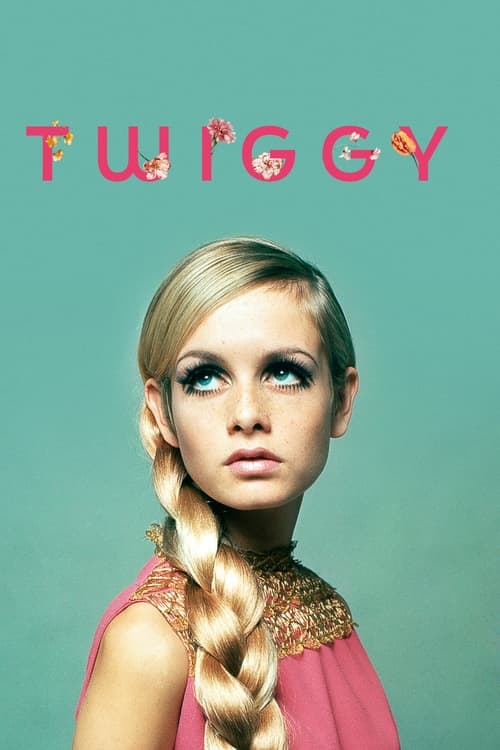
Twiggy takes a comprehensive look at the life story of UK model and cultural icon Twiggy, real name Lesley Lawson, whose career kickstarted in the 1960s. It features interviews with Twiggy and her husband Leigh Lawson, as well as commentary from Erin O’Connor, Paul McCartney, Lulu, Poppy Delavigne, Brooke Shields, Pattie Boyd and Zandra Rhodes.
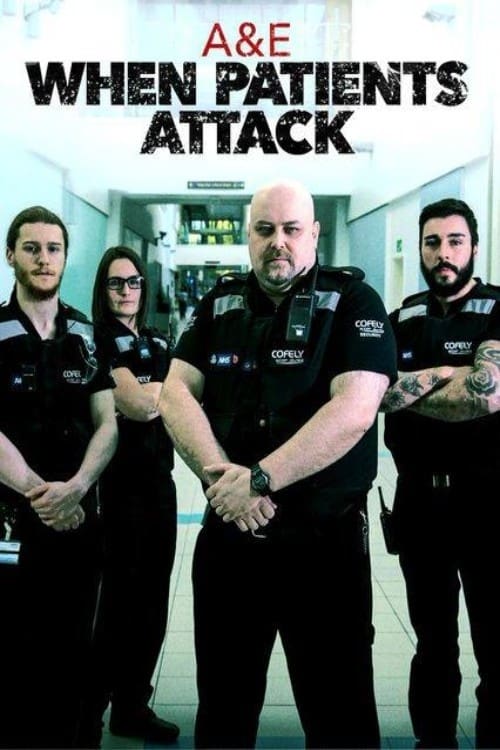
Hospital staff are reporting more violence and anti-social behaviour than ever before. In 2015, 8 staff were assaulted every hour – a new record high. At The Queen Elizabeth Hospital in Birmingham – one of the UK’s biggest hospitals – they think they have the answer. Here a private security force of 46 uniformed guards, and a sophisticated CCTV system, keep staff and patients safe. A colourful mixture of characters ranging from ex-soldiers, to bouncers, to former elite sportsmen, it’s the security team’s job to keep the hospital running smoothly. With more than 2 million visitors they have to deal with all aspects of crime and anti-social behaviour. All against a back drop of life changing and life saving procedures.
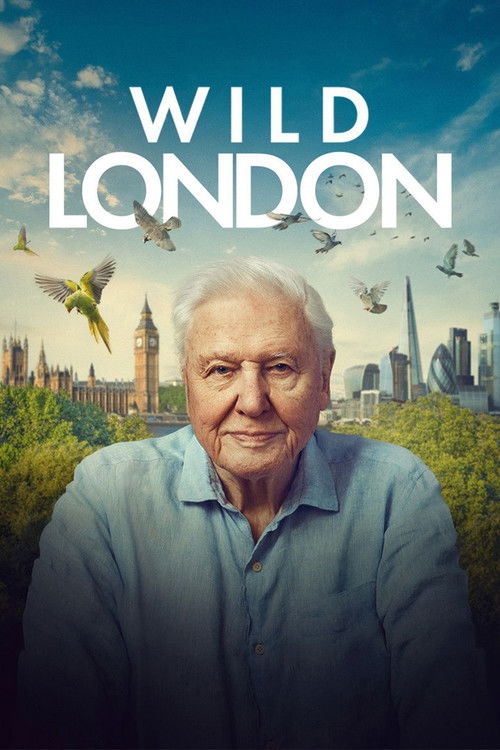
After a life spent travelling the globe, the world’s most famous naturalist turns his attention closer to home to explore the wildlife of England’s iconic capital. Having lived in London for 75 years, Sir David has an intimate knowledge of the city’s natural history, and there's no better guide to introduce us to its most spectacular wildlife secrets. Captured over his centennial year, this personal and poignant film is a timely insight into how cities can become homes for wildlife as well as ourselves.
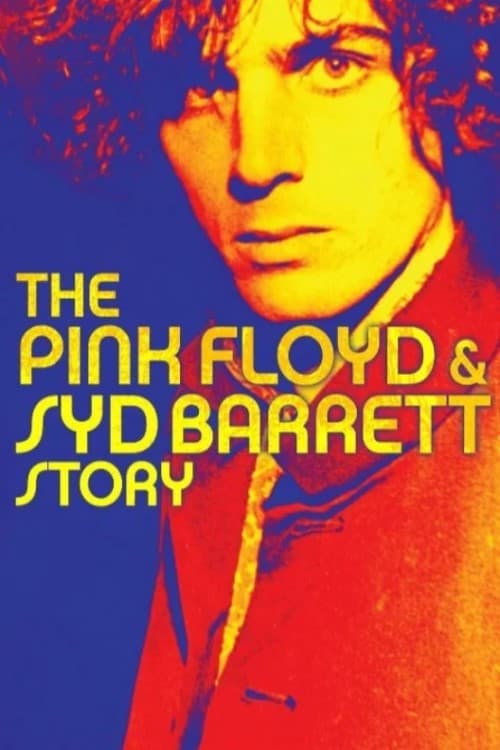
The full bizarre, tragic but celebratory story of Syd Barrett, the co-founder of Pink Floyd.
Cameras go behind the scenes at Brown's, London's oldest luxury hotel, during the Christmas season, as staff face the expectations of delivering a luxury festive stay for guests booking rooms that start at £750 a night. The hotel's elite team hosts a vibrant charity Christmas fayre, creates imaginative festive pastries, and concocts a signature holiday cocktail, all aimed at delivering the Christmas feast of a lifetime.
Moving picture of London's Trafalgar Square traffic, filmed with a kinesigraph.
Exclusive access to the Four Seasons Hotel, London, in the run-up to Christmas. Expect festive photoshoots, afternoon teas, Christmas trees and sackfuls of presents.
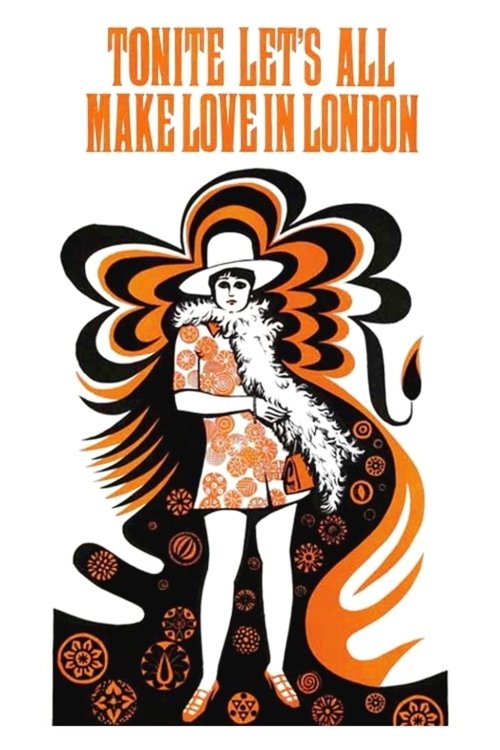
Peter Whitehead’s disjointed Swinging London documentary, subtitled “A Pop Concerto,” comprises a number of different “movements,” each depicting a different theme underscored by music: A early version of Pink Floyd’s “Interstellar Overdrive” plays behind some arty nightclub scenes, while Chris Farlowe’s rendition of the Rolling Stones’ “Out of Time” accompanies a young woman’s description of London nightlife and the vacuousness of her own existence. In another segment, the Marquess of Kensington (Robert Wace) croons the nostalgic “Changing of the Guard” to shots of Buckingham Palace’s changing of the guard, and recording act Vashti are seen at work in the studio. Sandwiched between are clips of Mick Jagger (discussing revolution), Andrew Loog Oldham (discussing his future) – and Julie Christie, Michael Caine, Lee Marvin, and novelist Edna O’Brien (each discussing sex). The best part is footage of the riot that interrupted the Stones’ 1966 Royal Albert Hall concert.
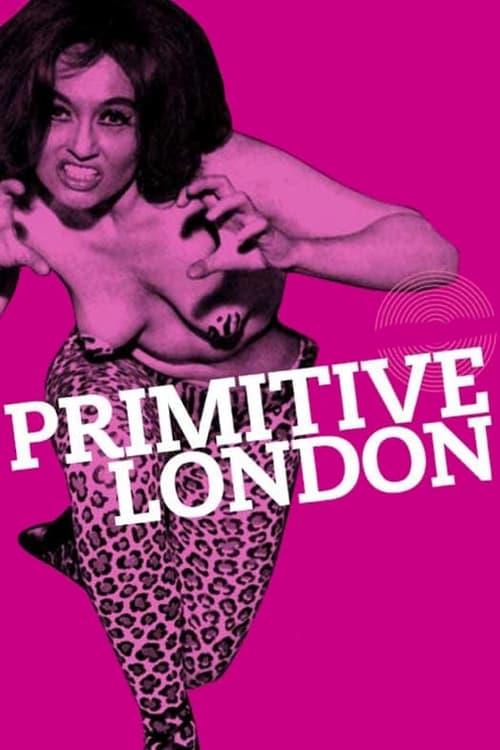
The sensational follow-up to "London in the Raw," "Primitive London" sets out to reflect society's decay through a sideshow spectacle of 1960s London depravity—and manages to outdo its predecessor. Here, we confront mods, rockers and beatniks at the Ace Café, cut some rug with obscure beat band The Zephyrs, smirk at flabby men in the sauna and goggle at sordid wife-swapping parties as we discover a pre-permissive Britain still trying to move on from the post-war depression of the 1950s.
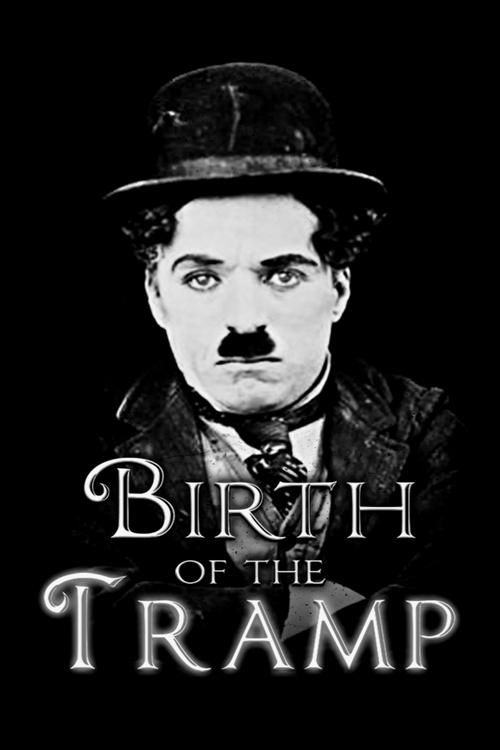
A look back at Charlie Chaplin's early life and career, from his rough childhood and music hall success in England to his early Hollywood days and the development of his enormously popular character, the Little Tramp, also called Charlot.
London street scenes, showing varieties of horse-drawn traffic. Views of Parliament Square, Charing Cross, Pall Mall, the Royal Exchange and others.
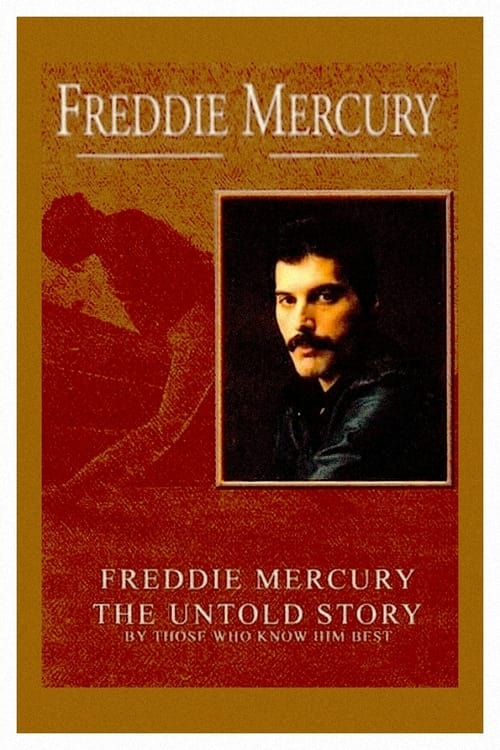
Freddie Mercury (1946-91) was not just a man with one of the most pure and amazing voices the world has heard, but he was also the lead singer for Queen, the most enthusiastic rock band in history.
A tour of the Tower of London, which has served as a royal castle, prison, place of execution and torture, armory and mint during its almost 1000 years of existence.
A short documentary about the tea drinking culture in the UK and the industry behind it.
The Feminist Library: A Short Film was made in support of the Save the Feminist Library Campaign, documenting a crucial moment in the library's herstory as it fights for its very survival. Shortlisted for the Women's History Network Community Prize, the film revisits the story of the library's inception and emphasises why feminism remains essential today.