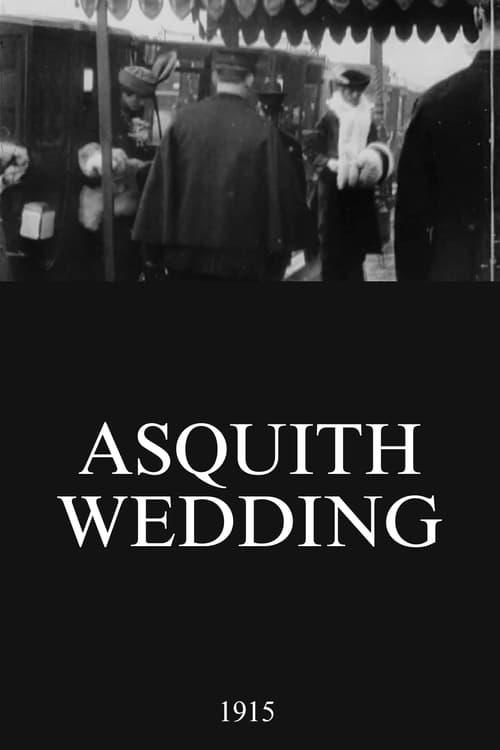
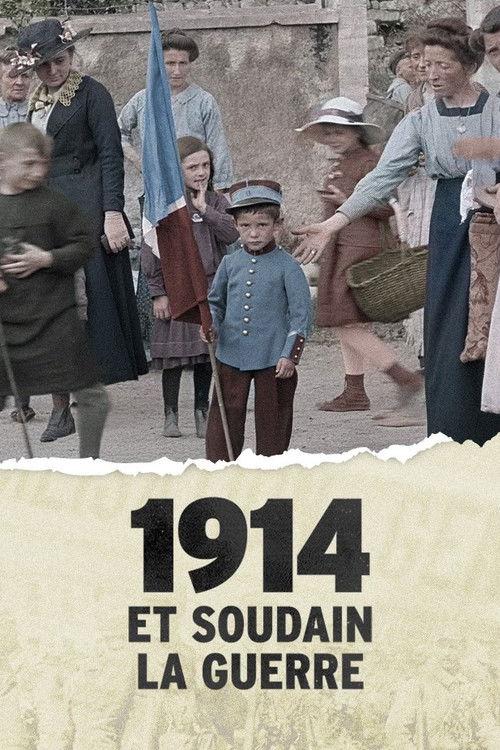
Violet Asquith, daughter of the Prime Minister Herbert Asquith, arrives at church to marry Maurice Bonham Carter.
No Trailers found.
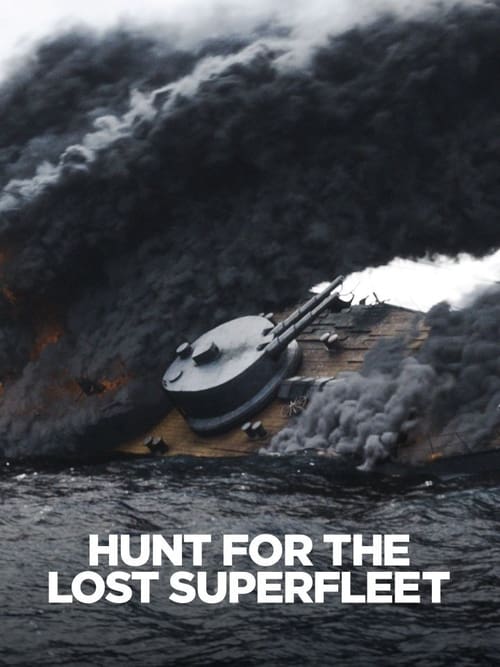
The Battle of the Falklands, between a Royal Navy task force and five German cruisers, was one of the most dramatic and bloodiest sea conflicts of World War I. When the smoke cleared, four of the German ships had sunk, including the flagship and pride of the German fleet, the SMS Scharnhorst. For decades, none of the downed vessels were ever found. Now, more than 100 years later, maritime archaeologist Mensun Bound and his team are searching for the ships and the secrets they hold. It's a race against time and the raging South Atlantic Ocean.
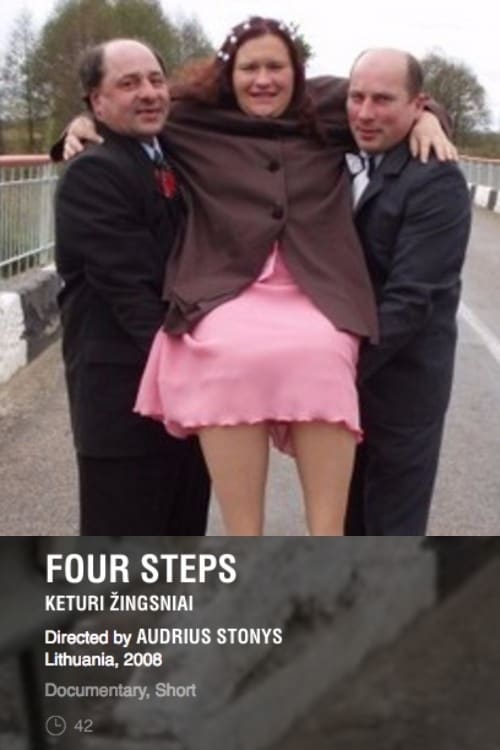
The film is about metamorphosis of wedding traditions. What happened to the old wedding ways and customs that were market by joy, mystery and sadness?
This program provides, through 1st hand accounts & contemporary films & photographs, a rare insight into what really happened. Together with meticulously researched stories, it provides a unique analysis of the Gallipoli campaign, including never-seen before interviews with the last 10 Gallipoli Anzacs, rare film footage showing the beach & trenches at Gallipoli.
The Gallipoli campaign of World War I was so controversial & devastating, it changed the face of battle forever. Using diaries, letters, photographs and memoirs, acclaimed director, Tolga Ornek, traces the personal journeys of Australian, New Zealand, British and Turkish soldiers, from innocence and patriotism to hardship and heartbreak.
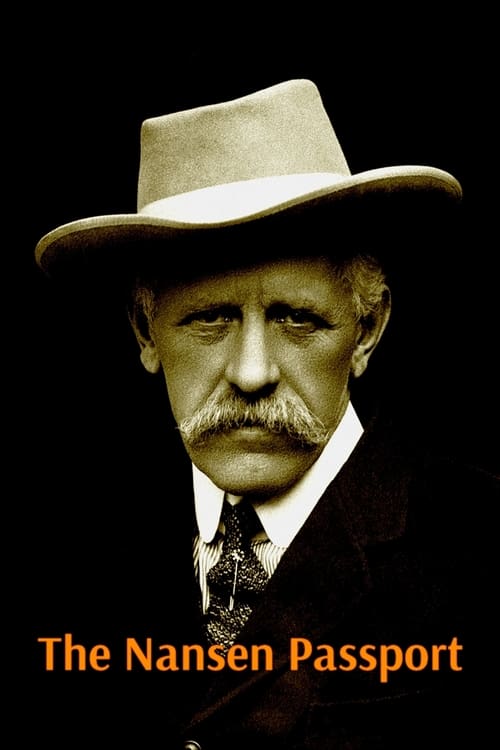
On July 5th, 1922, Norwegian explorer, scientist and diplomat Fridtjof Nansen creates a passport with which, between 1922 and 1945, he managed to protect the fundamental human rights as citizens of the world of thousands of people, famous and anonymous, who became stateless due to the tragic events that devastated Europe in the first quarter of the 20th century.
No overview available.
A couple from North Preston, Nova Scotia plan an elaborate wedding with dozens of bridesmaids.
CHARBON depicts how Europe was built on fossil fuels over the past 100 years. And how it was torn apart by wars that were the result of these same fossil fuels. During 3 trips to Ukraine, Italy and Iraq, filmmaker Manu Riche explains how he and his French-German family are inseparably connected to the fate of the Iraqi filmmaker and refugee Hayder Helo.
Producer Samuel Cummins, along with five participants in World War I, discuss the key events of the war as illustrated by an assemblage of battlefield and other documentary footage. This film is not the same as, but seems likely to have either inspired or been inspired by, Norman Lee's British production of the same title (q.v.), apparently released the following year.
1917, The Train from Hell is an historical documentary about a train accident during WW1.
The story of how newspapers were distributed during the Blitz, stressing the importance of an accurate and objective press on the home front.
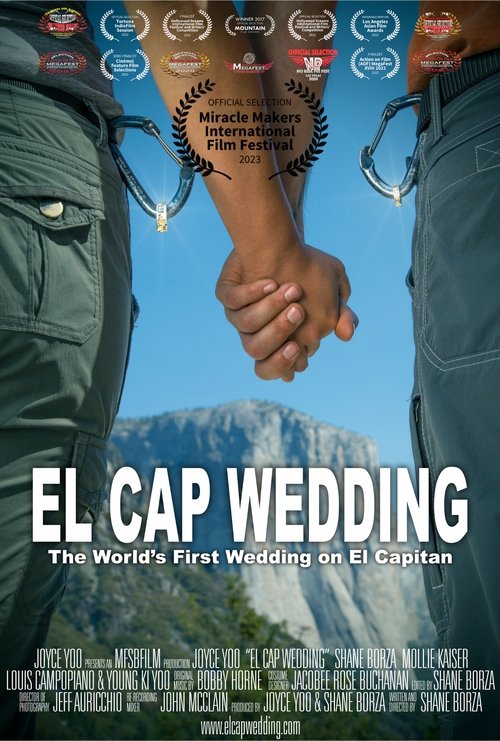
This feature documentary follows a climbing couple and their team as they prepare for a unique wedding ceremony-the first ever performed on a ledge on El Capitan, the most famous mountain in Yosemite National Park.
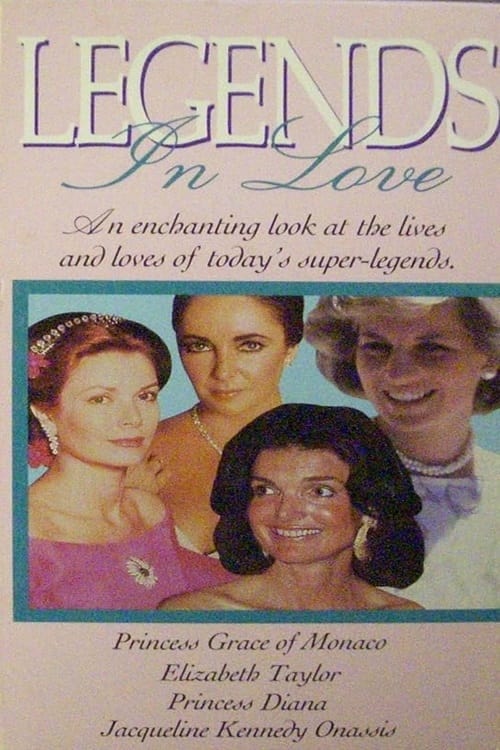
Take your seat on the aisle for weddings the world will never forget: the stunningly beautiful Jacqueline Bouvier to the strikingly charismatic John Fitzgerald Kennedy, the shy yet buoyant Lady Diana Spencer to the mischievous yet maturing Prince Charles, Hollywood's queen Grace Kelly bringing a fantasy to life in a glorious Monaco cathedral, and Elizabeth Taylor to a series of handsome beaus, bridal gowns and wedding bouquets. Legends in Love. Stories to behold, stories to be told. With all the enchantment, elegance, excitement - and mystery - that surrounds the lovestyles of the rich and famous.
Esther Johnson’s film uses local archive footage to convey the story of Sunderland's involvement in the First World War, from the men who fought in the fields to those who stayed behind to work in the region’s shipyards and munitions factories.
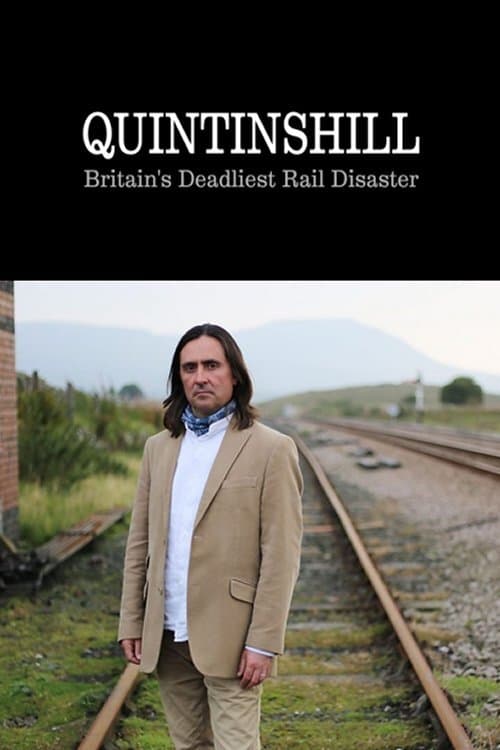
Neil Oliver describes the worst ever railway accident in the UK, which happened a hundred years ago on 22 May 1915, in which three trains collided at Quintinshill near Gretna Green. One of the trains was a troop train taking soldiers to fight in World War I at the Battle of Gallipoli: many of the dead were in this train which caught fire due to escaped gas from the archaic gas lighting in the carriages. The cause of the crash was attributed to a catastrophic signalman's error, but Neil examines whether there were other contributory factors and whether there was a cover-up to prevent investigation of them, making convenient scapegoats of the signalmen.
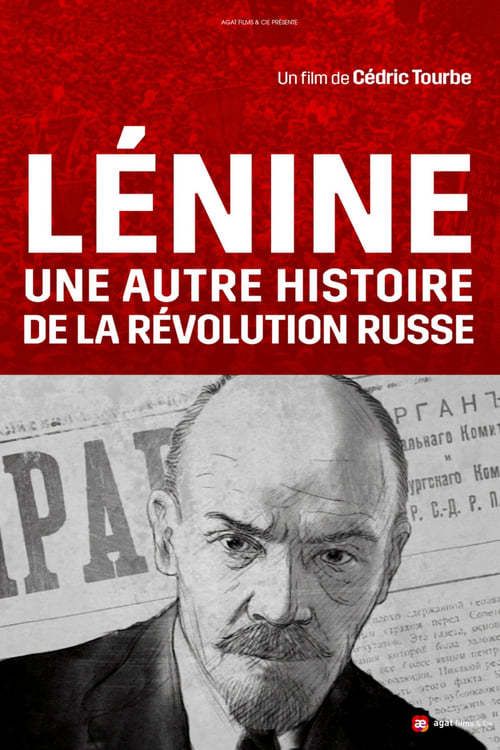
Vladimir Ilyich Ulyanov, better known as Lenin, is remembered as the instigator of the October Revolution of 1917 and, therefore, as one of the men who changed the shape of the world at that time and forever, but perhaps the actual events happened in a way different from that narrated in the history books…
French soldiers injured in WWI are re-educated to learn new trades.
No Cast found.