A short film about a dirigible.
No Trailers found.
No Cast found.
In the table that symbolizes the value of traditional women, a woman who wants to break free from her family must face her daughter.
Julia is a young transgender woman who left her home country of Lithuania. Now living in Germany, she walks the streets of Berlin, working as a prostitute to survive. This documentary revisits Julia over a ten-year period of her life.
Wallace Carlson walks viewers through the production of an animated short at Bray Studios.
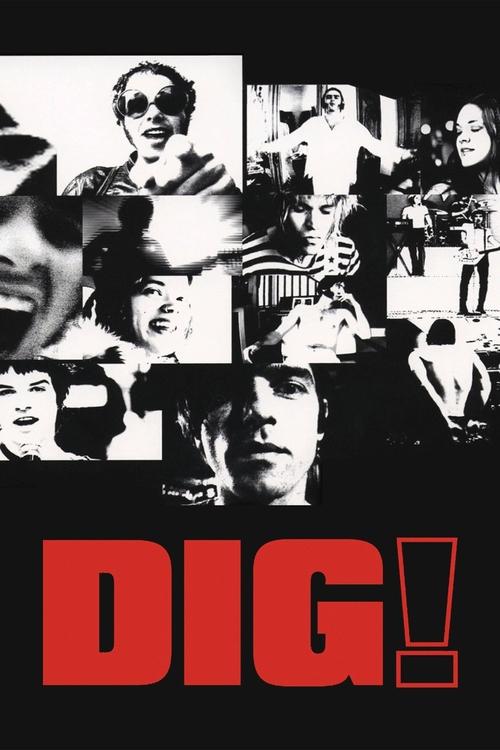
A documentary on the once promising American rock bands The Brian Jonestown Massacre and The Dandy Warhols. The friendship between respective founders, Anton Newcombe and Courtney Taylor, escalated into bitter rivalry as the Dandy Warhols garnered major international success while the Brian Jonestown Massacre imploded in a haze of drugs.
Sepideh wants to become an astronaut. She spends her nights exploring the secrets of the universe, while her family will do anything to keep her on the ground. The expectations for a young Iranian woman are very different from Sepideh's ambitions, and her plans to go to university are in danger. But Sepideh holds on to her dream! She takes up the fight and teams up with the world's first female space tourist, Anousheh Ansari.
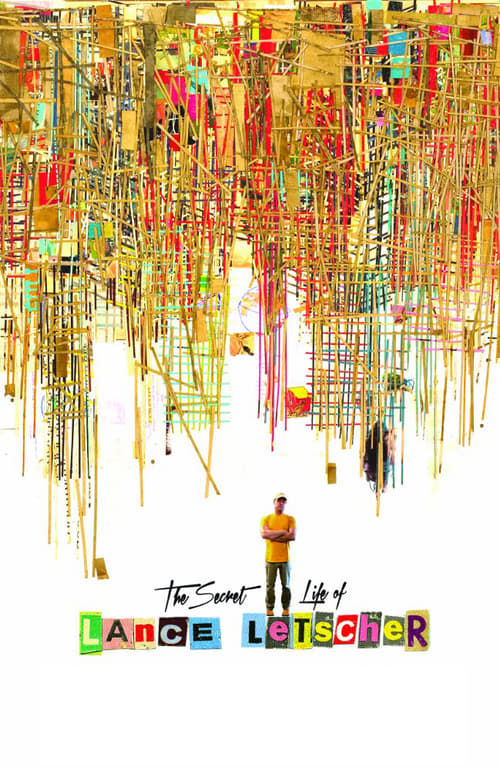
An intimate, psychological portrait of collage artist Lance Letscher.
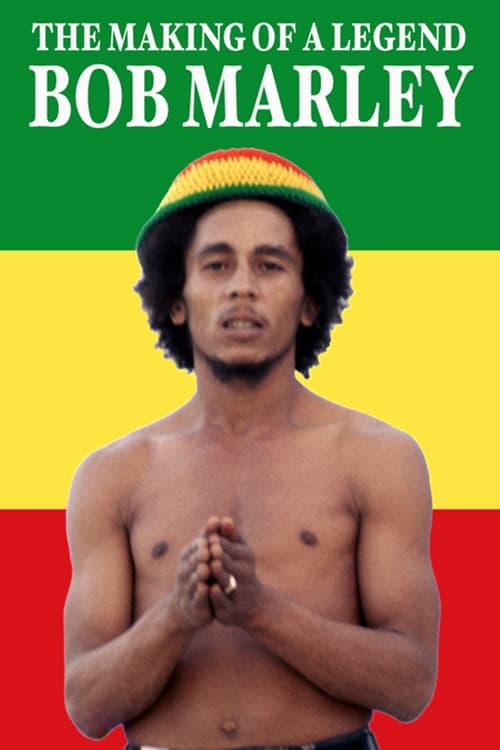
Based on footage shot in the early seventies and lost for more than thirty years, we see and hear the young Bob Marley before he was famous. The film shows us the Wailers' first rehearsal, when the idea of a Jamaican supergroup was still just a dream. Sit in as the albums of Bob Marley and the Wailers brought reggae music and Rasta consciousness to the world, starting a revolution that would change rock music and contemporary culture.
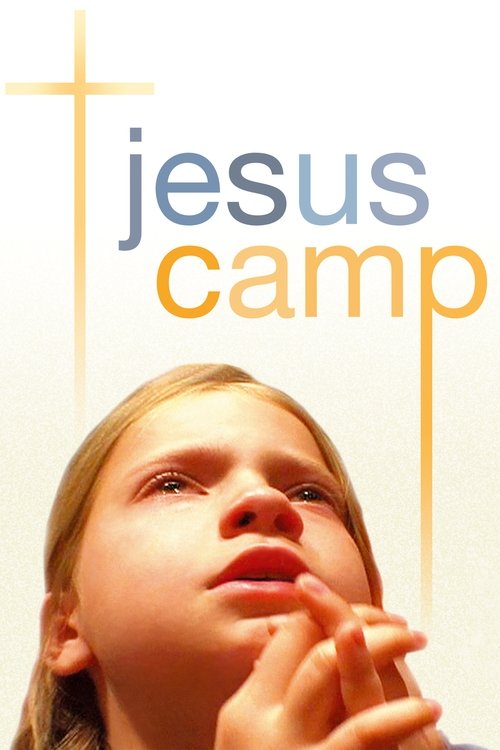
Jesus Camp is a Christian summer camp where children hone their "prophetic gifts" and are schooled in how to "take back America for Christ". The film is a first-ever look into an intense training ground that recruits born-again Christian children to become an active part of America's political future.
The lives of Stan Laurel (1890-1965) and Oliver Hardy (1892-1957), on the screen and behind the curtain. The joy and the sadness, the success and the failure. The story of one of the best comic duos of all time: a lesson on how to make people laugh.
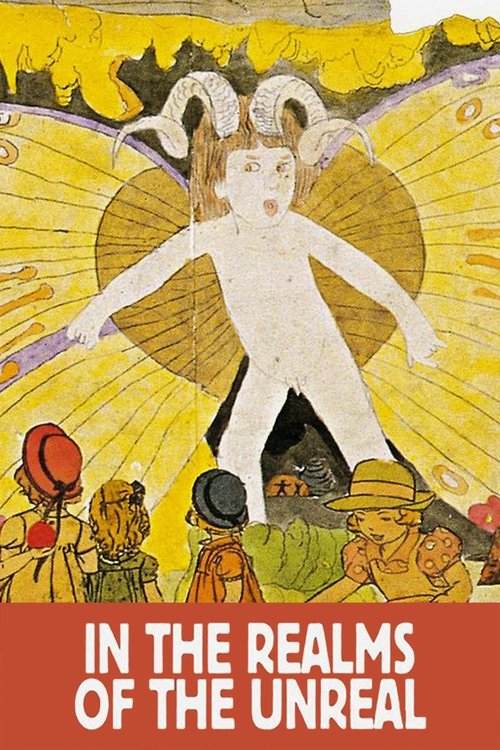
In the Realms of the Unreal is a documentary about the reclusive Chicago-based artist Henry Darger. Henry Darger was so reclusive that when he died his neighbors were surprised to find a 15,145-page manuscript along with hundreds of paintings depicting The Story of the Vivian Girls, in What is Known as the Realms of the Unreal, of the Glodeco-Angelinnian War Storm, Cased by the Child Slave Rebellion.
Documentery from 1991 where The 2 Live Crew, Chuck D (Public Enemy), Too Short, Ice-T, Geto Boys, H.W.A. drop real talk on different topics.
Teatro Amazonas is an elaborate, intriguing formalist experiment investigating the cinematic gaze and cultural exchange, and offering an unconventional ethnographic record of its Amazonian subjects engaged (and disengaged) in the act of spectatorship.
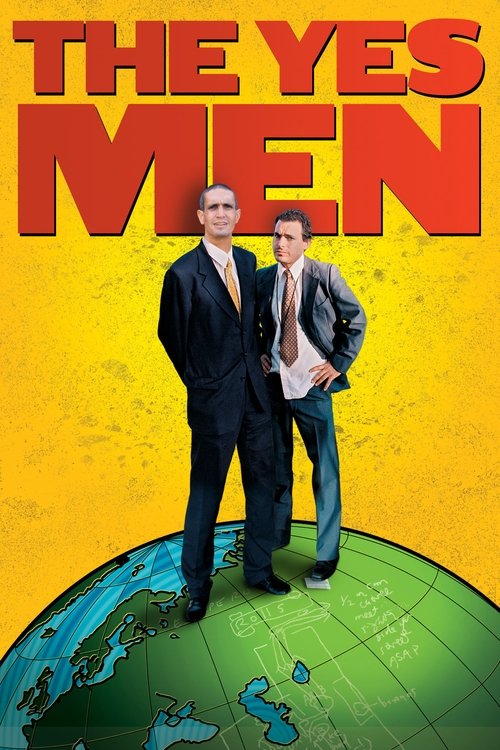
A comic, biting and revelatory documentary following a small group of prankster activists as they gain worldwide notoriety for impersonating the World Trade Organization (WTO) on television and at business conferences around the world.
No overview available.
In How to Meet a Mermaid, the sea becomes a haven for mankind, locked in its struggle with its 'indifferent universe'. Lex, Rebecca, and Miguel each have their own reasons to lay their lives in the hands of the capricious waters. The question remains, however, whether they will find what they so anxiously seek underneath the surface of the waters.
Six blind Tibetan teenagers climb the Lhakpa-Ri peak of Mount Everest, led by seven-summit blind mountain-climber Erik Weihenmayer.
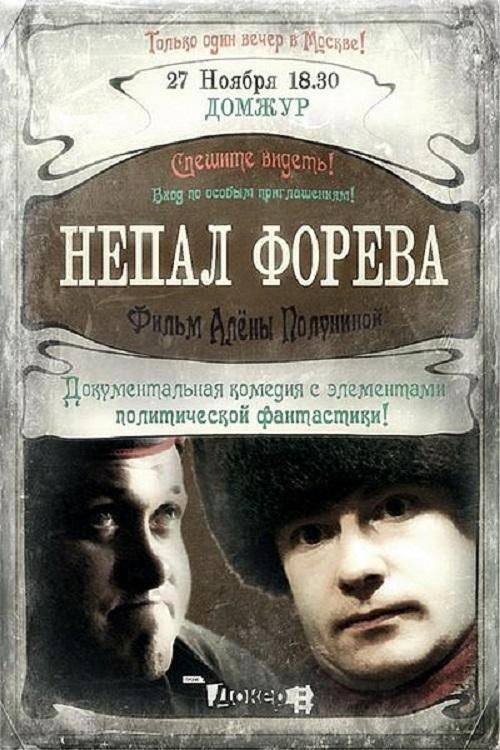
This film features two Russian communist politicians. Being committed Leninists; both of them have served several terms as city council members. Their horizons are broad, but what concerns them the most is the future of global communism. At one point, by decree of fate, their booming activities begin to expand far beyond the boundaries of their native St. Petersburg and the Russian Federation. However, the future of global communism remains unclear. What remains clear is the fact that in the modern world the tail still wags the dog. A documentary comedy.
Global superstar Jennifer Lopez reflects on her multifaceted career and the pressure of life in the spotlight in this intimate documentary.
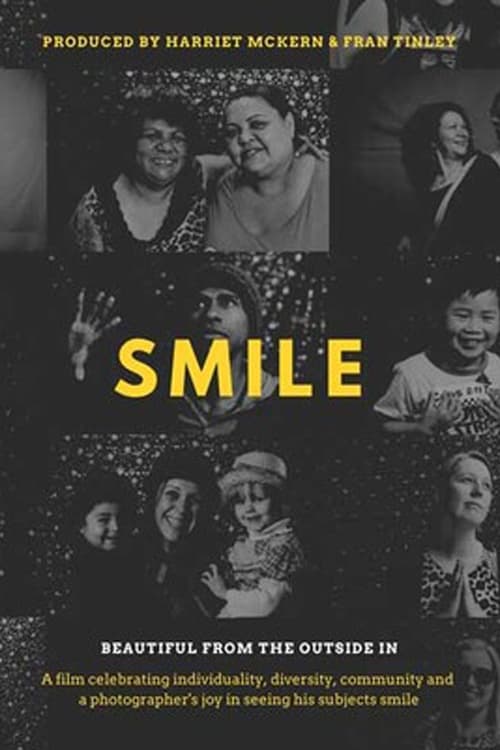
A heartwarming exploration of a community art project by photographer Tawfik Elgazzar providing free portraits for locals and passers-by in Sydney, Australia's Inner West. The film explores the nature of individuality, cultural diversity and the positive joy for the photographer of seeing his subjects smile.
Shows efforts on New York's Lower East Side to revive abandoned buildings through the work and persistence of the local, predominantly Latino residents.