Short film about otters
No Trailers found.
No Cast found.
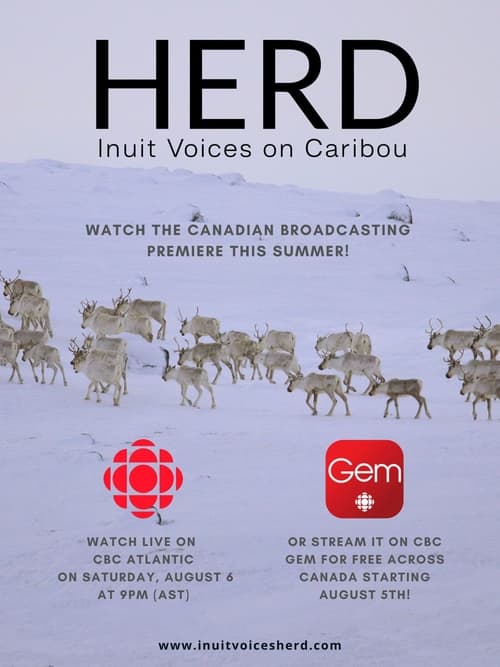
Through Inuit voices, HERD: Inuit Voices on Caribou tells the story of the social, emotional, and cultural disruptions from ecological change by putting an essential human face to the caribou declines - including a 99% decline of the once-massive George River Caribou Herd. The film was developed over four years of collaboration between filmmakers and 11 Inuit communities across Labrador. It cinematically explores an array of lived experiences, from youth to Elders and hunters to cooks, to ensure that the stories of those living on the frontlines of this ecological crisis are HERD. It is a portrait of the deep connections that exist between humans and non-humans, a glimpse of heartbreaking loss felt by entire communities, and a lasting testament of cultural resilience in the context of ecological uncertainty.
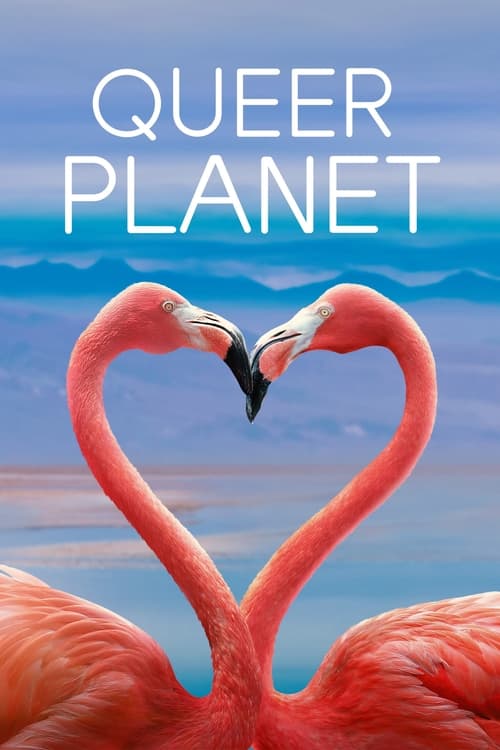
When it comes to 'what Mother Nature intended', it turns out she was pretty open-minded. In this vivid, funny and eye-opening one-off doc we take the audience on a journey to explore the rich diversity of animal sexuality.
The documentary »I Choose to Live« presents a touching confession of a young girl who after losing her mother, tried to end her life. Later on she struggled with self-destructive behaviour and also an eating disorder. In this documentary the young girl is portrayed by the actress Nina Rakovec. The theme of mental health of youngsters is highlighted with the help of the professional counsellors.
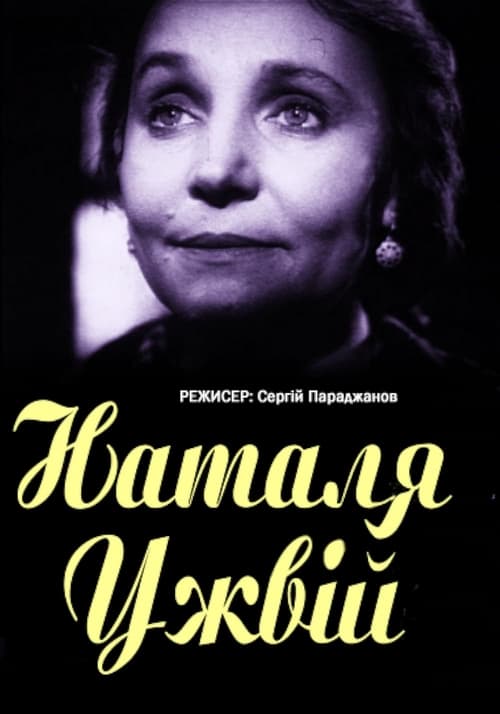
A documentary portrait of prominent Ukrainian stage and screen actress Natalya Ushviy that contains numerous excerpts from her feature films.
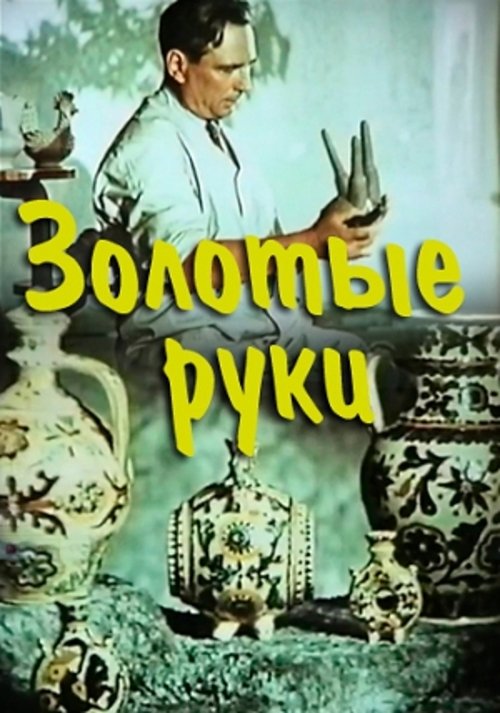
A documentary about traditional Ukrainian arts and crafts and folk applied art, shot by Sergei Parajanov on commission from the Kyiv Television Studio. Ukrainian masters of pottery, carving, embroidery, painting, and other arts and crafts demonstrate their work in documentary and specially filmed scenes.
On a market day in Kernascleden, two Breton women exchange their hair for a few coins. The hair becomes hairpieces. Last scene, an elegant Parisian removes her hat and exposes her generous wig skillfully coiffed.
Also known as The Operation of Dr. Alejandro Posadas. Filmed with early orthochromatic film in the Hospital de Clínicas de la Ciudad in Buenos Aires.
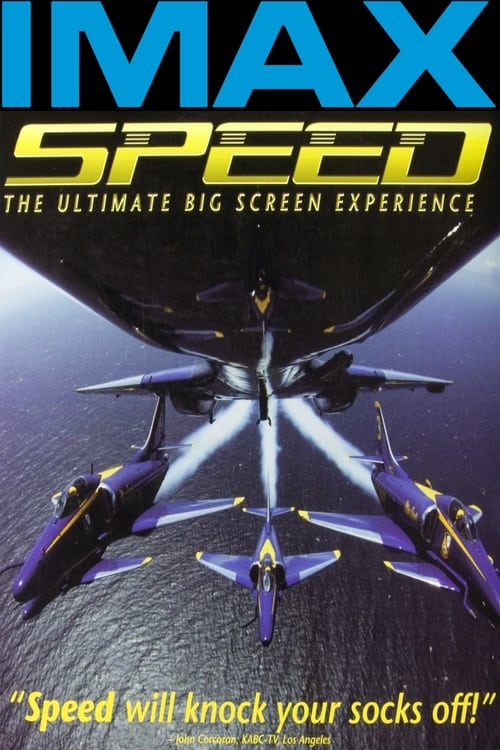
A documentary on the history on mankind's attempts to reach high speeds. Starting with the invention of the bicycle, going on to sports cars, cars with jet engines, rocket-powered cars, attempts to break the sound barrier, and rocket-engine airplanes. Each achievement is documented by title card indicating the speed reached in miles per hour.
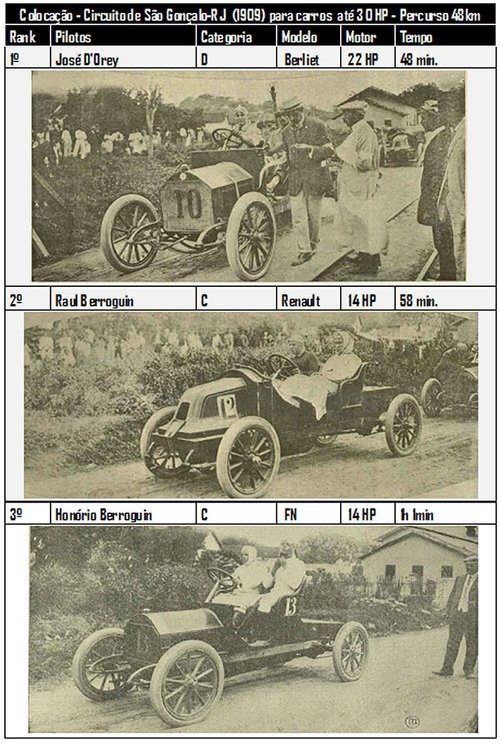
It's the oldest Brazilian movie that survived and the film that captured the first car race in Brazil.
Lucien Bull was a pioneer in chronophotography. Chronophotography is defined as "a set of photographs of a moving object, taken for the purpose of recording and exhibiting successive phases of motion."
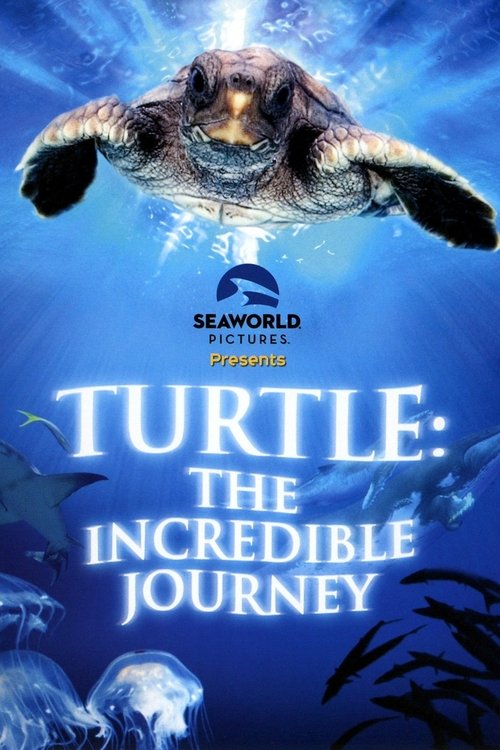
The story of a little loggerhead turtle, as she follows in the path of her ancestors on one of the most extraordinary journeys in the natural world. Born on a beach in Florida, she rides the Gulf Stream up towards the Arctic and ultimately swims around the entire North Atlantic across to Africa and back to the beach where she was born. But the odds are stacked against her; just one in ten thousand turtles survive the journey.
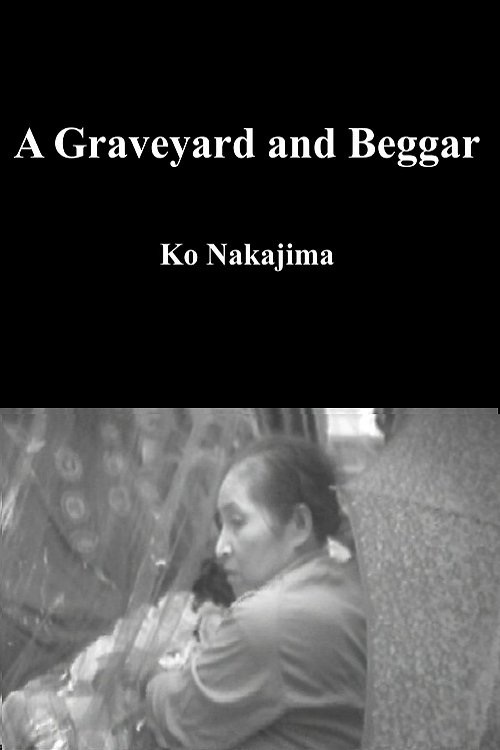
A work of Video Earth Tokyo, it is an interview with a homeless who lived in the Aoyama cemetery. Photography by Michael Goldberg.
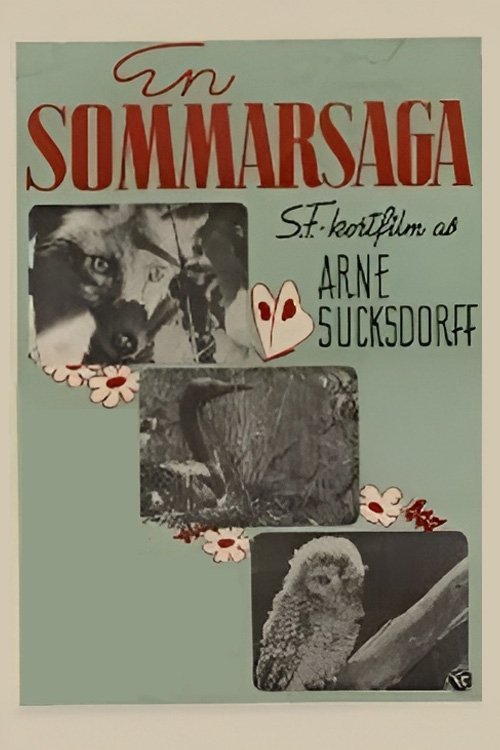
Arne Sucksdorff’s first film for Svensk Filmindustri, this lyrical short follows a fox cub through his playful explorations and predatory instincts in the Swedish forest. Blending moments of enchantment with unsentimental depictions of cruelty, the film captures the cycle of survival among animals with striking rhythmic editing and sensuous close-ups of fur, eyes, and forest textures. Rich in light and detail, Summer’s Tale became an enormously popular nature film and established Sucksdorff’s reputation for poetic documentary.
A short drama documentary about the life of a Sami family in the northernmost part of Sweden, Lappland.
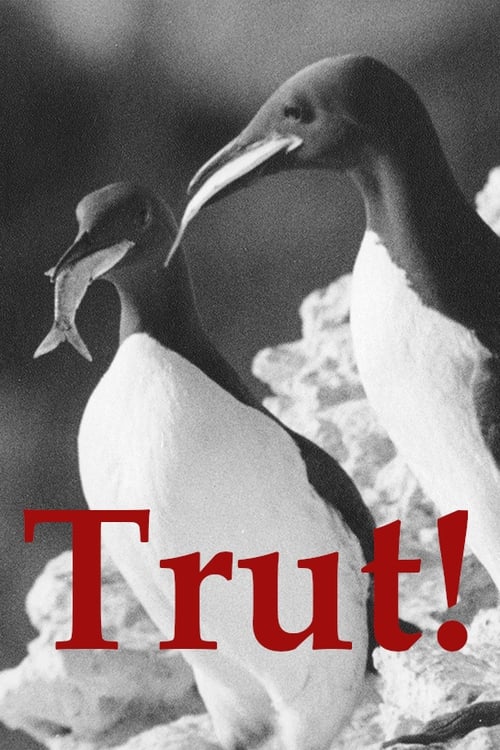
Arne Sucksdorff’s short documentary observes gulls raiding nests and stealing eggs with ruthless persistence. Though presented as pure nature study, the film was widely read as an allegory of Nazism—a symbolic parable of predation and violence during wartime. Sucksdorff himself denied such intent, but remarked that “a film that is not open to interpretation is a dead film.”
A ten-minute study of wild animal life in a Swedish forest; stoat, fox, hare, and owl, who stalk and savage one another, are photographed with extraordinary vividness and intimacy. It is perhaps the most striking of Sucksdorff's animal studies, in spite of an abrupt introduction and ending.
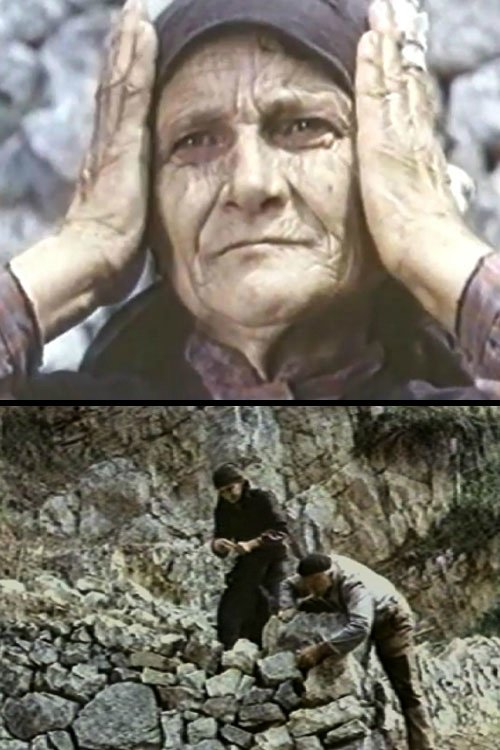
A look into the harsh life of a hard-working couple of terrace farmers in the Valley of Brenta.
A portal, a sorceress, a fictional device to portray existence as a moment encapsulated inside an instantaneous photograph to present fragmented biographical elements —family disintegration, rootlessness, scars, two loyal companions, the promises of a new land—subverting the notion of a home-movie and transform it into a pilgrimage tool of self-discovery, mirroring the fragile nature of memories.
A mockumentary about four people and their idiosyncratic ways of saving the planet.
No overview available.