Short documentary about polar bears
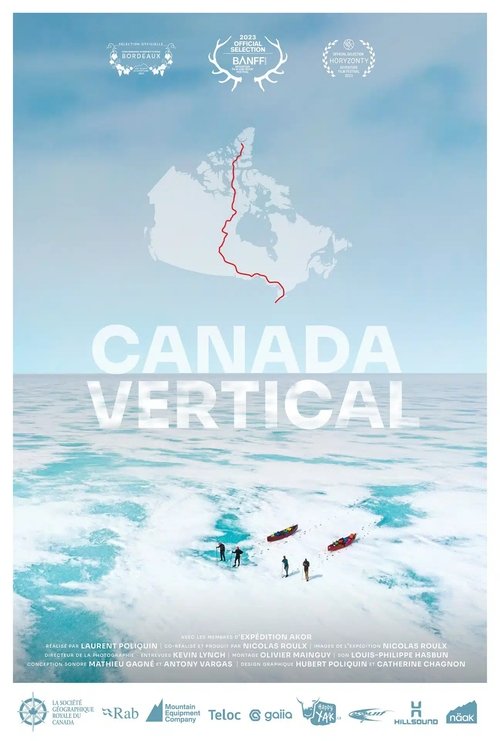
After years of preparation, a team of highly motivated Quebeckers set out on one of the longest wilderness expeditions ever documented. Stage one involves skiing in relentless polar conditions from Ellesmere Island to the Northwest Passage where the challenge was reaching the mainland. Cue canoes for a 2000km journey across Nunavut and NWT until they reach the first dirt road available where bikes are waiting to be pedalled 4000km to Point Pelee in Ontario.
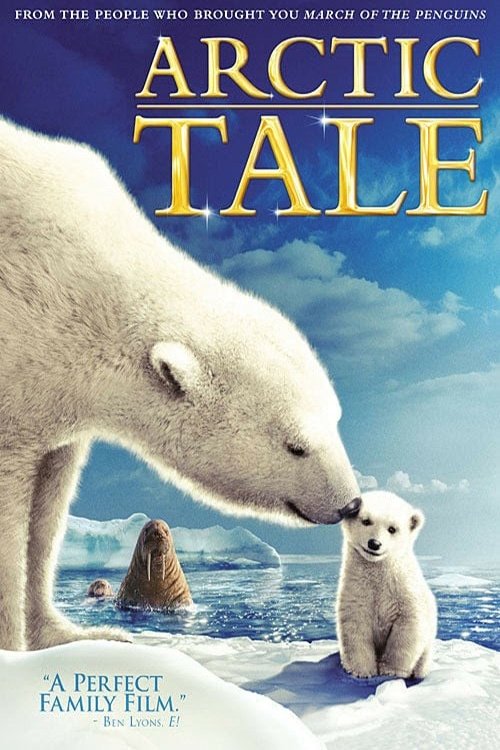
Arctic Tale is a 2007 documentary film from the National Geographic Society about the life cycle of a walrus and her calf, and a polar bear and her cubs, in a similar vein to the 2005 hit production March of the Penguins, also from National Geographic.
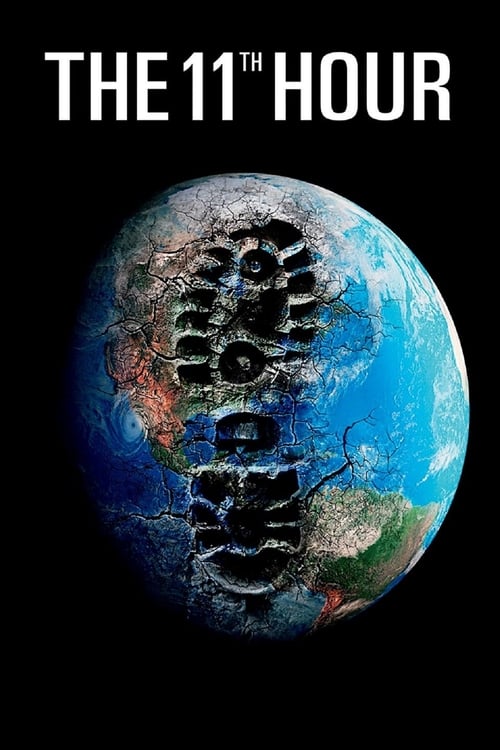
A look at the state of the global environment including visionary and practical solutions for restoring the planet's ecosystems. Featuring ongoing dialogues of experts from all over the world, including former Soviet Prime Minister Mikhail Gorbachev, renowned scientist Stephen Hawking, former head of the CIA R. James Woolse
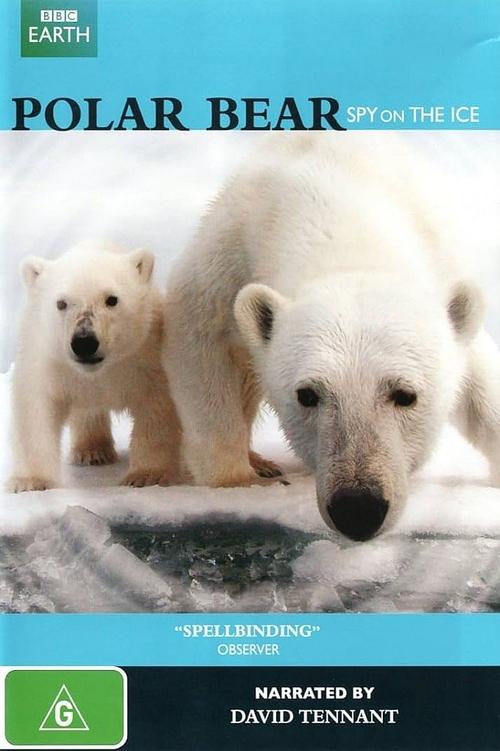
Shot mainly using spy cameras, this film gets closer than ever before to the world's greatest land predator. As the film captures its intimate portrait of polar bears' lives, it reveals how their intelligence and curiosity help them cope in a world of shrinking ice.
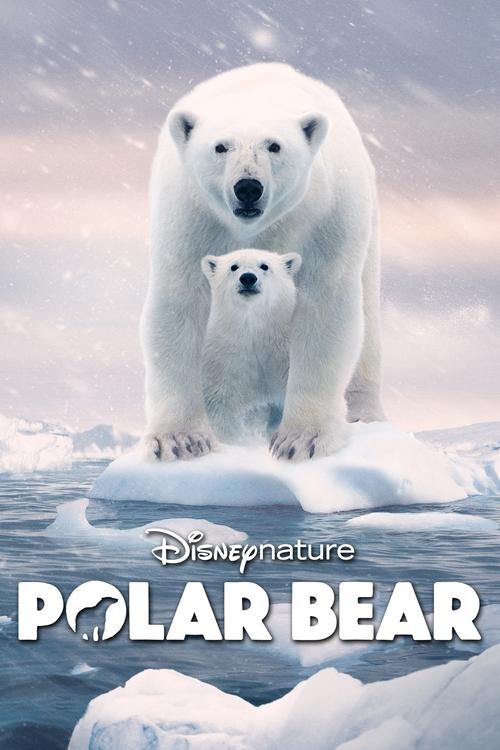
A new mother’s memories of her own youth prepare her to navigate motherhood in the increasingly challenging world that polar bears face today.
Canadian wildlife specialists work to preserve and nurture the creatures that remain in our wilderness areas - species such as the whooping crane, prairie falcons, bighorn sheep, bison, polar bears, and grizzlies.
A Polar Bear tries to teach her two cubs about life in the Arctic and the new challenges they face due to the interference of man. The Great Polar Adventure takes audiences inside the secret life of polar bears and imagines life from their perspective. Ikuk, a new polar bear mother, faces tremendous challenges as she raises cubs for the first time. With the rise of global warming, she must lead her family into dangerous "two-leg" territory to scavenge for food.
A journey into the lives of a mother polar bear and her two seven-month-old cubs as they navigate the changing Arctic wilderness they call home.
The film Journeys alongside the filmmakers behind Disneynature’s “Polar Bear” as they face profound challenges 300 miles from the North Pole. The team, who created a revolutionary arctic camp on site, navigated virtually impassible snow drifts and tenuous sea ice, garnering unprecedented footage revealing adaptive behaviors that surprised even this veteran team of filmmakers.
A non-verbal visual journey to the polar regions of our planet portrayed through a triptych montage of photography and video. Landscapes at the World's Ends is a multi-dimensional canvas of imagery recorded above the Arctic Circle and below the Antarctic Convergence, viewed through the lens of whom is realistically an alien in this environment, the polar tourist. Filmed during several artist residencies on-board three expedition vessels, New Zealand nature photographer and filmmaker Richard Sidey documents light and time in an effort to share his experiences and the beauty that exists over the frozen seas. Set to an ambient score by Norwegian Arctic based musician, Boreal Taiga, this experimental documentary transports us to the islands of South Georgia, the Antarctic Peninsula, Greenland and Svalbard. Landscapes at the World's Ends is the first film in Sidey's Speechless trilogy, and is followed by Speechless: The Polar Realm (2015) and Elementa (2020).
The enchanting true-to-life tale of polar bear cubs and their mother on a 400-mile journey from their birth den in Svalbard to the pack ice surrounding the North Pole.
The tragic death of a polar bear triggers the end of the Buenos Aires Zoo. A superhero lover lawyer asks a court to declare the orangutan Sandra a Non-Human Person and revolutionizes the planet. A very Argentine story, full of passions, embarrassing missteps and memorable characters.
This film shows the splendor, enormous scope and indescribable beauty of this untouched land far to the north of Alaska, one of the last havens for caribou herds and polar bears. Shot over a period of four years, this film offers a unique insight in the lives of the most charismatic arctic animals.
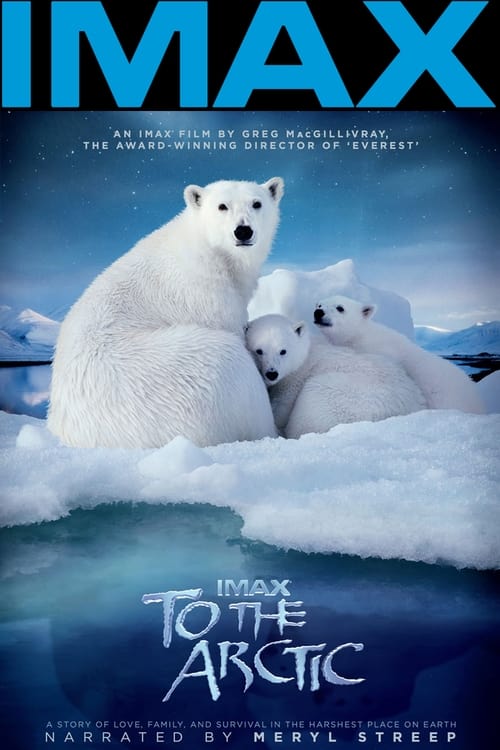
The ultimate icons of the polar wilderness able to withstand the harshest environments and remain a top predator; the lives of polar bears are nothing short of remarkable!
As the ice shrinks in the Arctic, polar bears are struggling to survive in a fast melting world. Although classified a marine mammal, the polar bear is not adapted to hunting in the water. And it is certainly no match for the world's greatest aquatic hunter -- the killer whale. In the last few years, scientists have noted an ever-growing number of killer whales in Arctic waters in the summer months. More and more have been attracted to these hunting grounds by the growing expanse of open water. They attack the same prey as the polar bears: seals, narwhal, belugas and bowhead whales.
Beautifully filmed by New Zealand nature photographer Richard Sidey over the past decade around the polar regions, Speechless: The Polar Realm is a visual meditation of light, life, loss and wonder at the ends of the globe. This is the second film in Sidey’s non-verbal trilogy which is comprised of: - Landscapes at the World’s Ends (2010) - Speechless: The Polar Realm (2015) - Elementa (2020)
A captivating documentary following a young polar bear venturing on his first solo journey across the Canadian Arctic during the summer thaw. As the ice disappears, he must adapt to a challenging landscape without the one thing polar bears depend on most: sea ice. With stunning cinematography and heartfelt narration, this film offers a rare glimpse into the resilience and struggle of polar bears facing a rapidly changing climate.
No overview available.
Polar Bear Safari follows Randy, a wealthy trophy hunter on a 15-day hunting expedition in search of a polar bear and discusses the reliance of the Inuit on guiding these hunting trips to keep the community living in Resolute Bay in the Canadian Arctic where unemployment is high. The local Inuits selling their bear hunting licenses to wealthy hunters to help combat their financial woes.
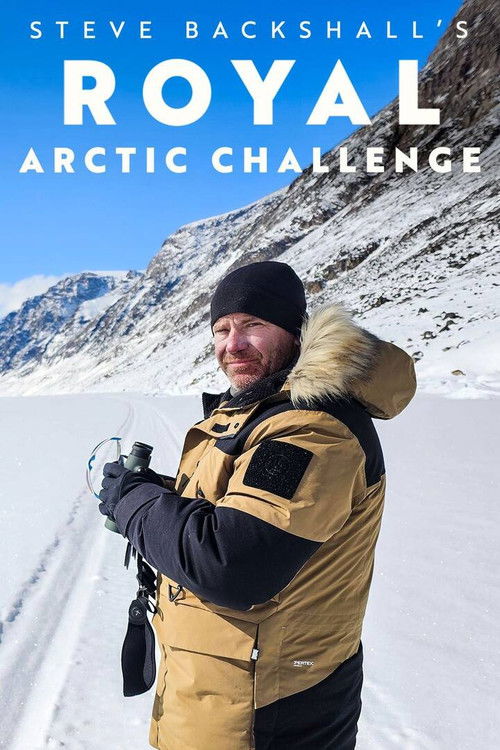
50 years on from the event, environmentalist Steve Backshall retraces a young Prince Charles' Arctic adventure and uncovers dramatic changes to our planet alongside an urgent need for action.
No Cast found.
No Trailers found.