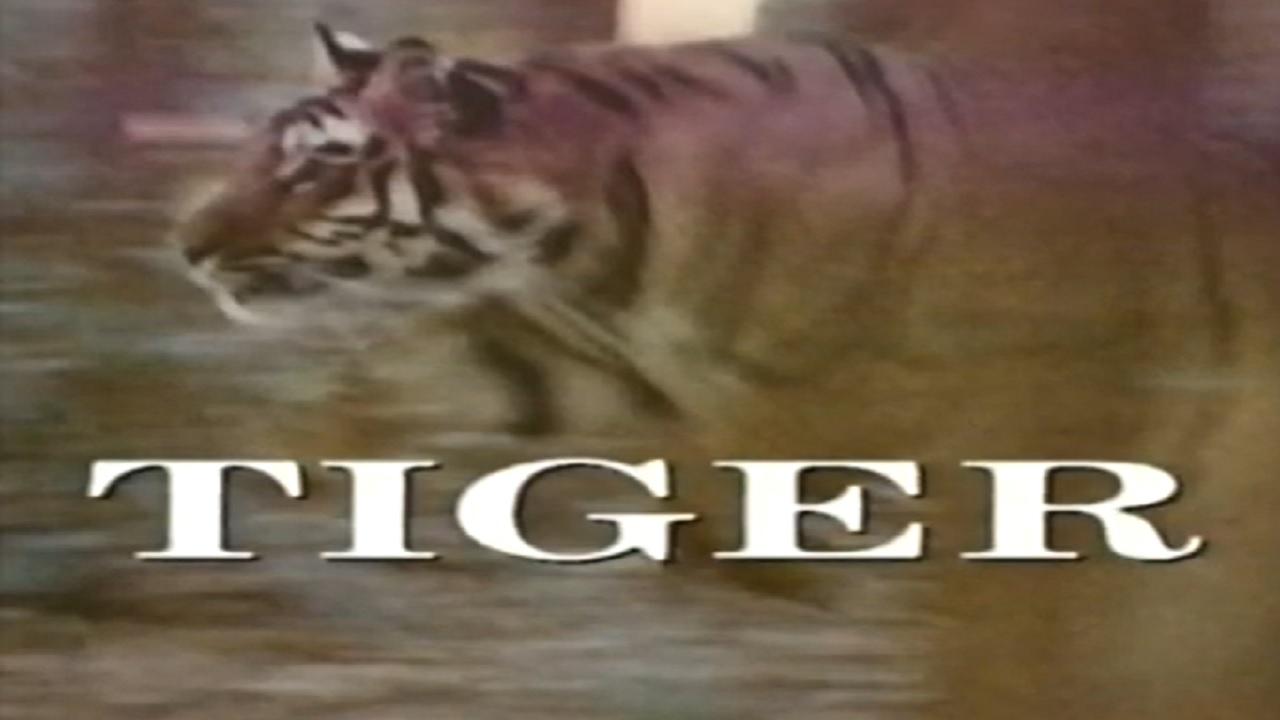
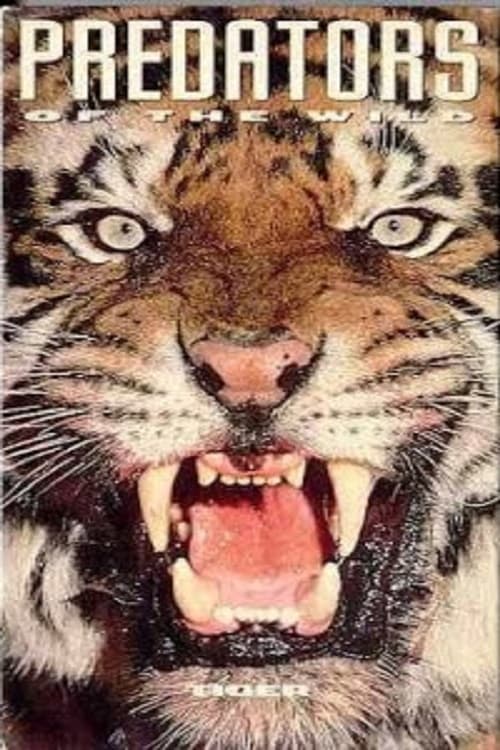
This video examines the tiger, one of nature's greatest predators. It is part of a multi-volume Time Warner series that markets the ferocious, killing aspects of various wild animals.
Narrator
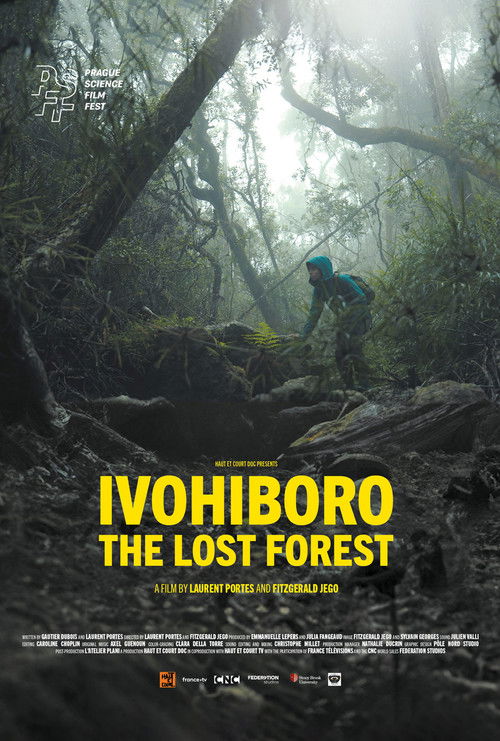
The film follows an expedition into Ivohiboro — a small, previously unexplored tropical forest in Southeast Madagascar rich with biodiversity.
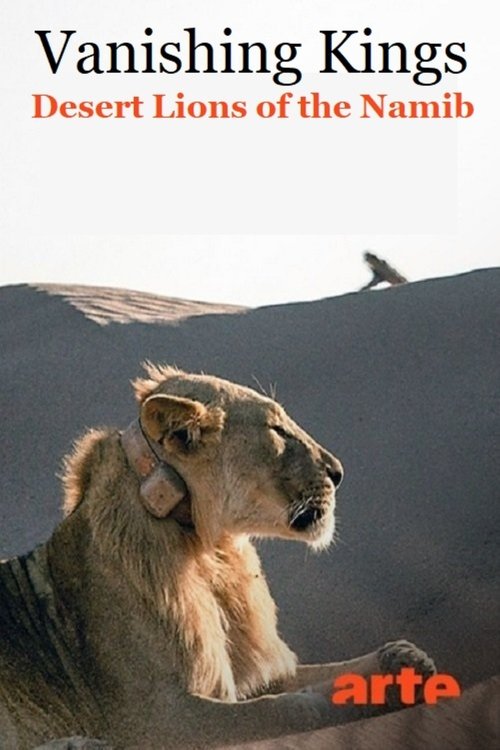
On the edge of the Namibian desert, cattle farmers are looking for new land to graze their animals. The lions, who occupied these previously wild spaces, are hunted by herd guards, or even slaughtered when they attack cows. Will and Lianne Steenkamp lived for two years in a territory occupied by a 17-year-old lioness - a "queen" -, her two daughters and their five lion cubs. This film traces the process of empowering the young: after learning to hunt alone, they will have to leave the family pack and find young females to reproduce. A necessity all the greater as their species seems threatened.
No overview available.
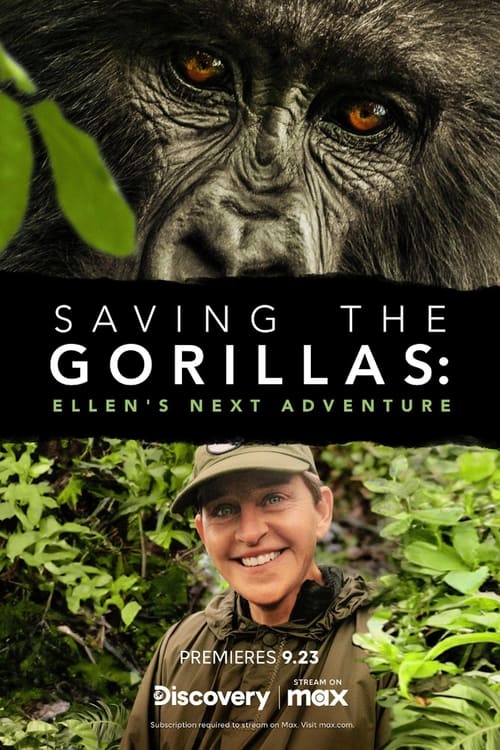
Follow comedian Ellen DeGeneres as she fulfills her dream of protecting Fossey’s legacy by building the The Ellen DeGeneres Campus of the Dian Fossey Gorilla Fund in Rwanda.
Violent squalls, hail, waterspouts, lightning... storms put animals and plants to the test. At a time when climate change is multiplying extreme weather events, this documentary plunges into the heart of a storm, from the heavy, dry atmosphere that precedes it to the deluge that follows.
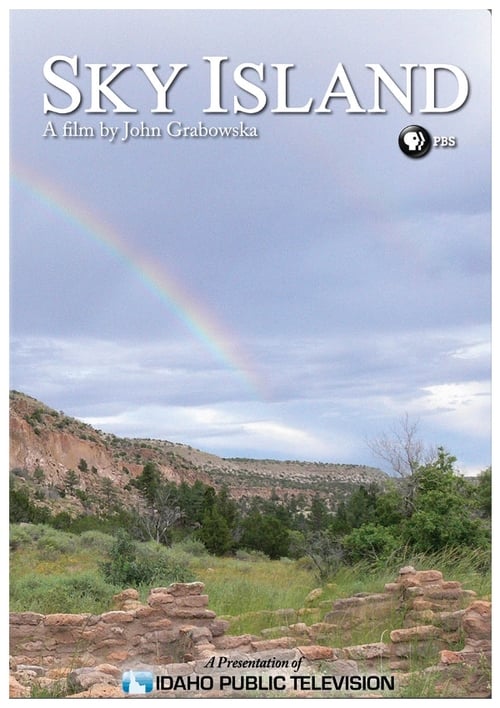
The desert wilderness of New Mexico's Jemez Mountains
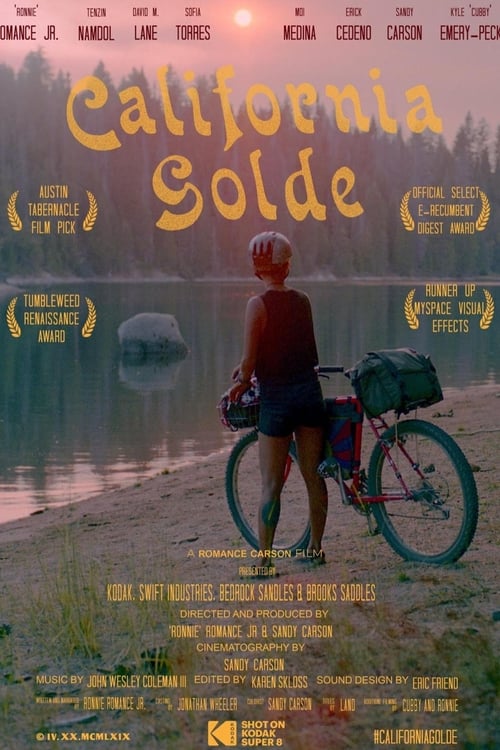
California Golde is a movie. One about riding bikes in California and all the hardships that come with big, hard, ambitious tours.
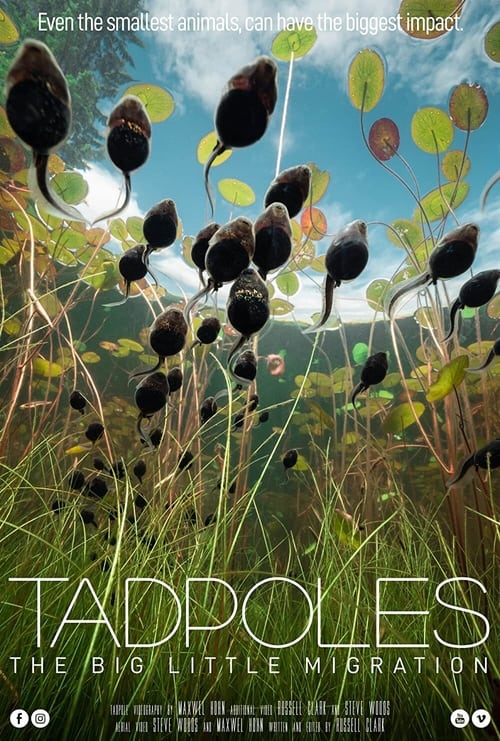
Short documentary, shot over fours years, showing the incredible daily migration of the western toad tadpoles, a designated indicator species on Vancouver Island, British Columbia.
A short film by Encyclopedia Pictura.
Dr. Jim Bednarz and Brooke Prater, the two leads of the UNT American Kestrel Project, seek to find out why the widespread raptor is on the decline.
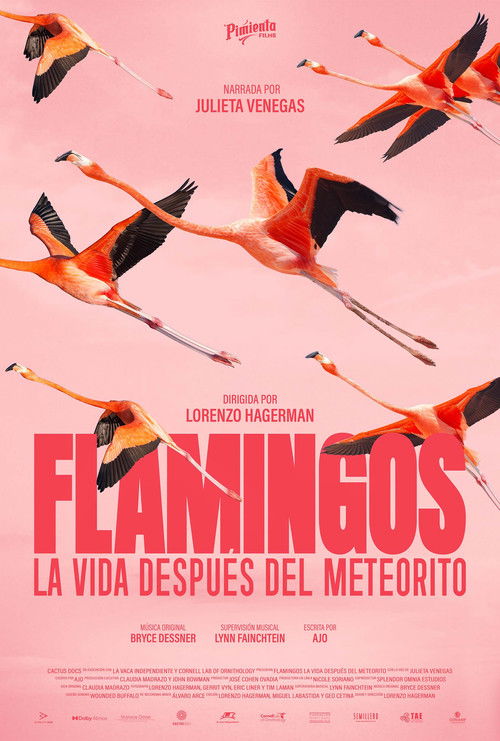
The search for the right partner, place, and moment to start a family is one of nature's most crucial journeys. This breathtaking story of love, survival, and perseverance follows Caribbean flamingos through one of the most fragile stages of their lives. With Julieta Venegas’ voice and Bryce Dessner’s music setting the tone, this film offers a unique and immersive cinematic experience, capturing the beauty and struggles of these extraordinary birds.
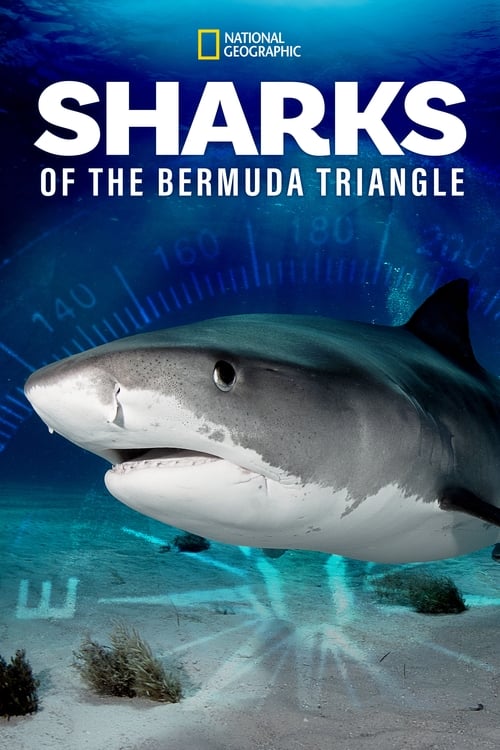
Marine biologist Dr. Austin Gallagher searches for the holy grail of shark research -- the secret breeding grounds of tiger sharks.
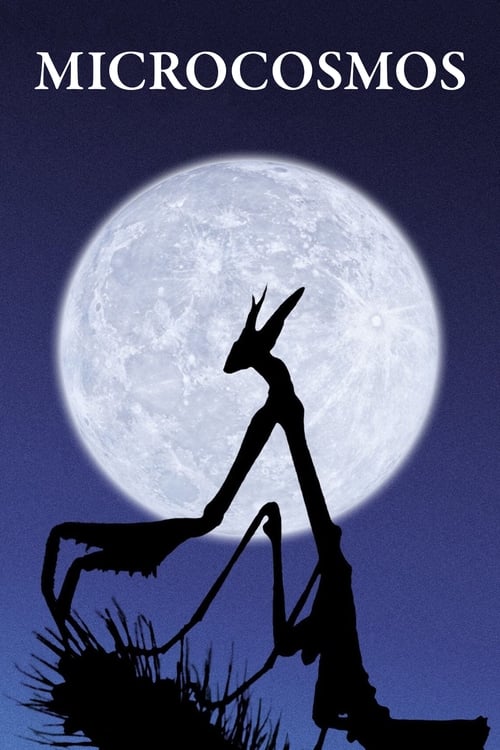
A documentary of insect life in meadows and ponds, using incredible close-ups, slow motion, and time-lapse photography. It includes bees collecting nectar, ladybugs eating mites, snails mating, spiders wrapping their catch, a scarab beetle relentlessly pushing its ball of dung uphill, endless lines of caterpillars, an underwater spider creating an air bubble to live in, and a mosquito hatching.
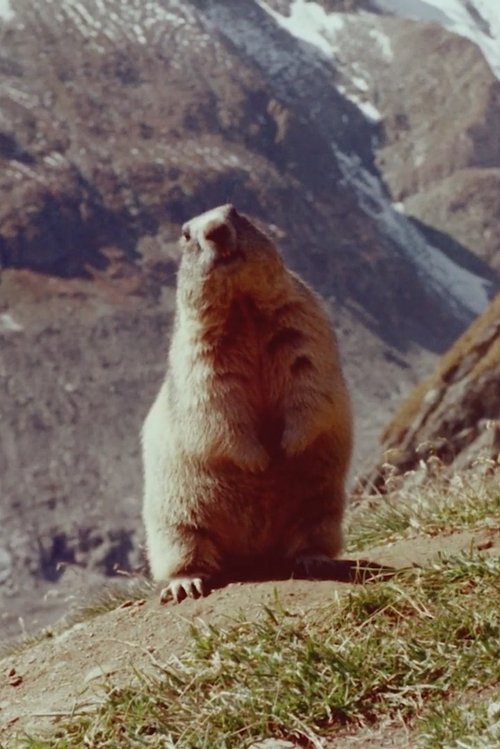
A wildlife documentary about marmot.
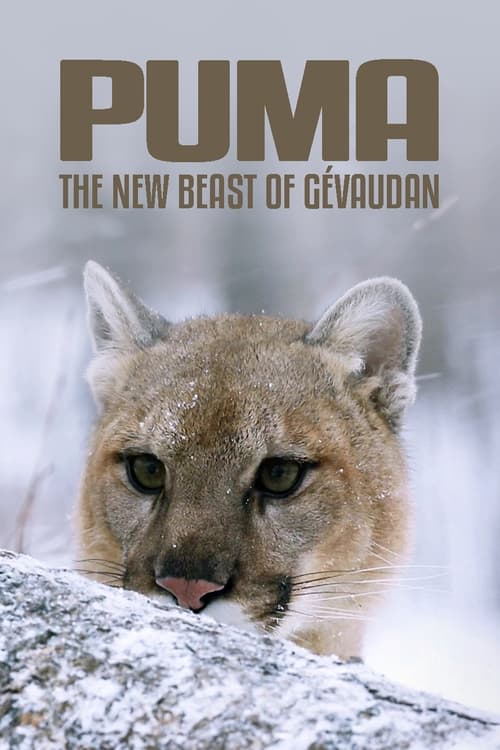
In the heart of southern France there is a fog-prone area where, according to legend, a bloodthirsty creature wreaked havoc 250 years ago. A rumor is spreading again in this legendary place, as eyewitnesses report an animal with large paws and a long tail that crosses roads in a single leap - powerful enough to tear down a horse and leave it mutilated in the pasture. Is the Beast of Gévaudan back? The animal photographer Bruno Loisel has a supposedly more rational explanation. The animal that fits the descriptions could be a cougar, but this species of big cat is only native to America. In order to learn the proper techniques for tracking down the puma, he travels to Canada, where he accompanies a team of researchers dedicated to studying the shy, almost invisible predator. Will Bruno be able to use his findings to solve the mystery of the new beast of Gévaudan?
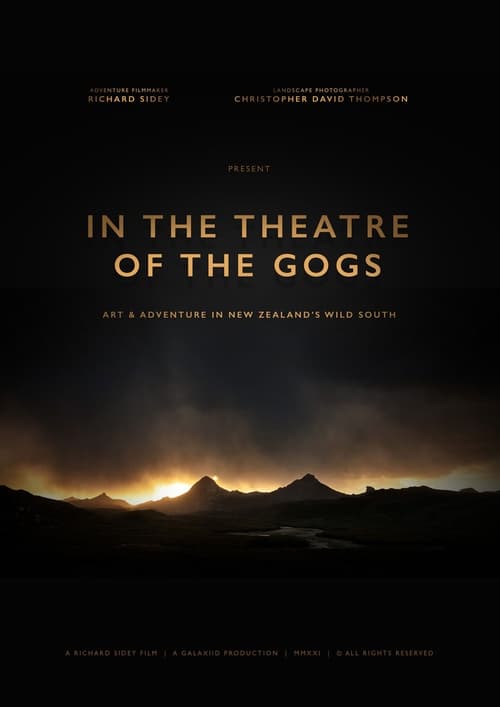
A contemplation of art and adventure in the southern wilds of New Zealand by both a landscape photographer and an adventure filmmaker. This film is the unexpected result of their two unique perspectives.
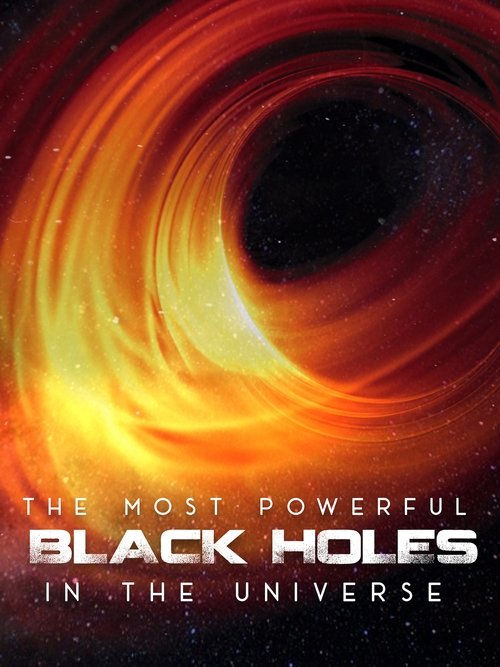
The study of extreme physics brought us the bomb. It has taken us inside the violent death of a star. Now, it has brought us face to face with the most destructive force in Nature: a supermassive black hole. How large, how powerful, can these monsters get? What can they tell us about the extremes of time and space?
No Trailers found.