A scientist obsessively seeking the answers of the universe is thrust into a mind-bending odyssey of grotesqueries and genitalia.
No Trailers found.
An attempt to bring texts from Dante's "Divine Comedy" to life. Nine episodes from the Inferno with a concluding episode from the Purgatorio.
You find yourself in a foreign landscape. Two other people are on the horizon. Something about the world around you is off. It isn't long before something is released from a caged pit. There is limited time left as something ugly consumes the land around you. Is this Earth?
Upon realizing there's not much time left, a teenager stuck in their bedroom, with only a window to the outside world, reflects on their life and tries to find a way out of their prison.
An experimental short from Oskar Fischinger
No overview available.
The corner of a street is matched and mixed with the chant of a bird recorded on that same street. A symbiotic relationship is triggered: the rapid and successively repetitive montage cuts between the image of the street and the corners of the video frame itself produce new textures and shapes in our brain, whilst the sound follows the same rhythmic movements by emphasizing different “corners” (frequencies) from the bird’s singing. The energetic potency stemming from the junction of these elements creates a new image that is almost tactitle, maleable and rippling. The result is a somewhat humorous operation of the portuguese word "corner" throughout the different stages of making the piece, finally unveiling a piercing physical and kinetic experience for all the corners of our eyes and ears.
An exchange student in Eastern Europe enters a realm of unsettling phantasm.
Ten includes all other numbers. It is called the number of perfection, or the sacred number.
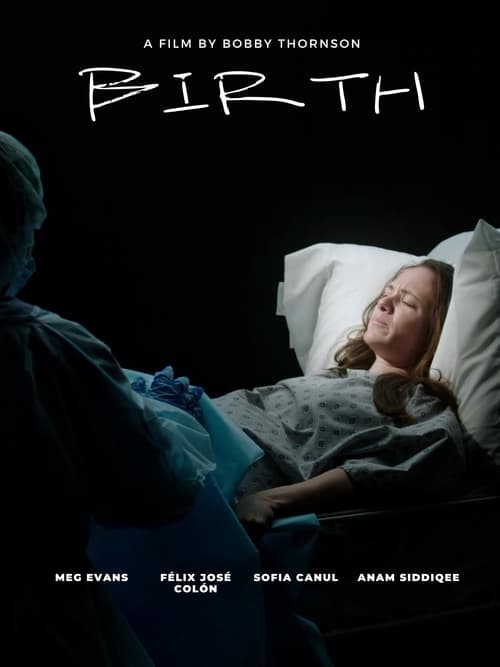
During Childbirth, a mother is told the child is stillborn, and she struggles to finish the birth in order to survive.
Deforming reality, objects and light. We are dealing with a fragmented mind. Mesmerised. Madness.
A punk sapphic couple attempt to wipe away their drug debt in Adelaide's seedy southern suburbs.
The sun’s energy circulates throughout the earth, feeding the cycle of life. Everything is connected in a natural loop, which repeats, like the circular discs of magical optical toys. This perfectly balanced rhythm is disrupted by human excess, throwing the cycle out of orbit and temporarily stopping the circulation of energy in nature.
Flashing lights explode across an apartment as images of a woman in bed flicker in and out.
In the aftermath of an emotional shock, a ruthless high-class manager faces her own abyss, becomes pervaded by a sensory spirit and undertakes a purifying voyage.
Man often yearns of a past more innocent and pure. This film disregards that sentimentality and depicts a constant, permanent transformation of the landscape of mountains and rivers. A beautiful and intense image poem made from thousands of pencil drawings.
An experimental film created from 3 years worth of abstract pencil drawings with the goal of being a catalyst for unveiling a new mental landscape in viewers.
In all of his existences, KOBE KOTORO embarks on an everlasting odyssey through the home of his mind. A transformative journey in hopes to find understanding, identity & reflection. And if nothing else; the freedom to try again.
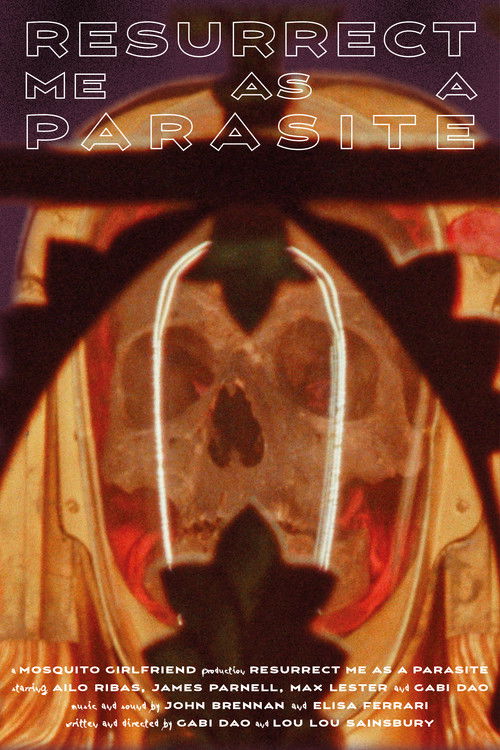
A vampiric trio facilitates the transition of a new host across a former limestone quarry and the sacred mountain grotto of Mary Magdalene, troubling the binaries of life, death, gender and parasitism. Monuments to female saints become poses of living queer memory, as skeletal remains are transformed with embellishments. A mosquito draws blood with its proboscis and hormones are drawn using a syringe, as the remnants of an extracted zone is now overgrown with lifeforms.