No Cast found.
No Trailers found.
No overview available.
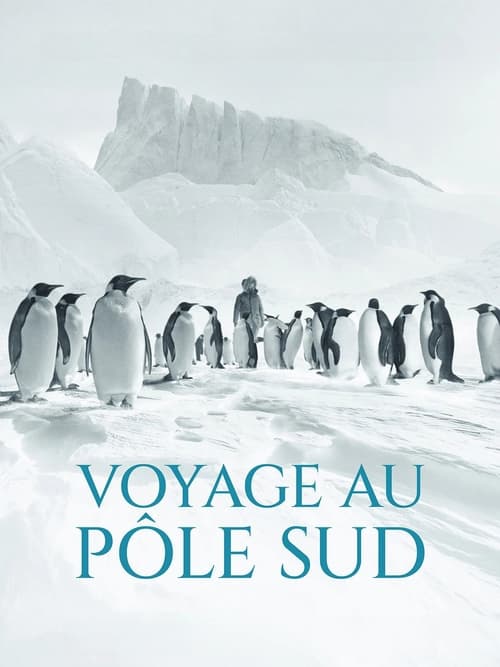
The few thousand kilometers that separate Patagonia from the South Pole are a fascinating and hypnotic journey for explorers. Some even speak of an addiction, 'the Antarctic bite'. March of the Penguins (2005) director Luc Jacquet has been experiencing it for 30 years. His new film is a visually-striking adventure, offering us images beyond words, an ultimate tribute to a vanishing continent.
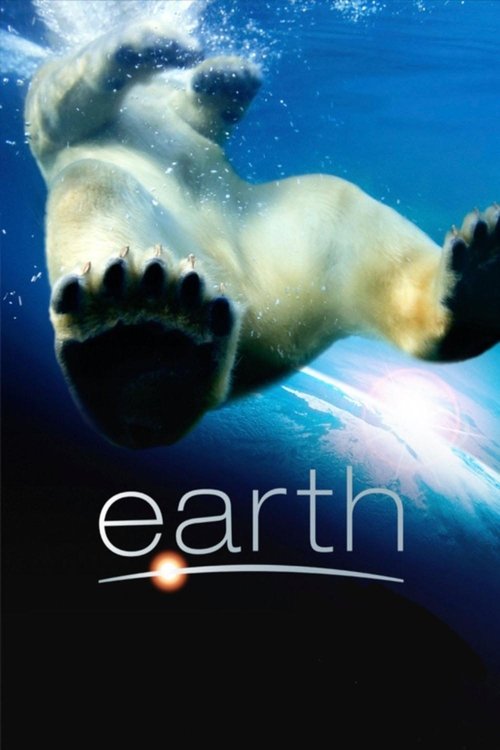
An epic story of adventure, starring some of the most magnificent and courageous creatures alive, awaits you in EARTH. Disneynature brings you a remarkable story of three animal families on a journey across our planet – polar bears, elephants and humpback whales.
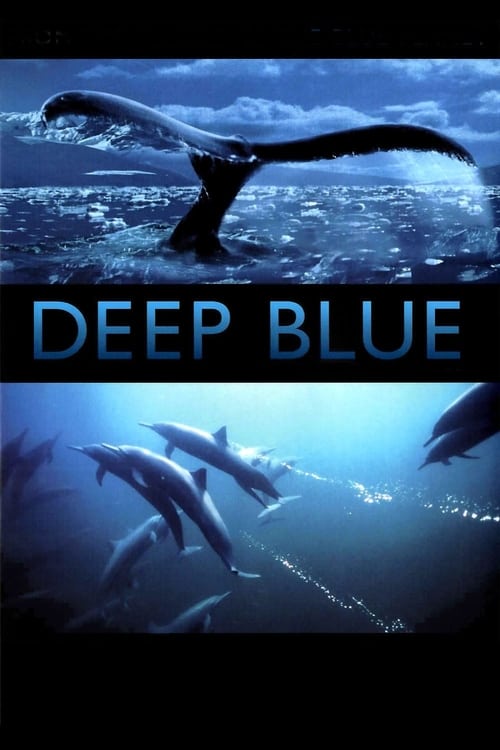
Deep Blue is a major documentary feature film shot by the BBC Natural History Unit. An epic cinematic rollercoaster ride for all ages, Deep Blue uses amazing footage to tell us the story of our oceans and the life they support.
Hidden deep within the Pony Pasture Rapids Park of Richmond, Virginia there lives a creature whose ancestors span back a half a billion years. This short film explores the life history of an ancient species, Fairy Shrimp, that survive in harsh habitats here and around the world.
In 1980, Jack Shae and Allen Moore, two ethnographic filmmakers from Harvard University, moved their families to the island of Berneray in the Outer Hebrides. Over the course of 18 months they documented the everyday lives and struggles of the crofters they lived among, whom were even then a vanishing breed. The film is in English and Gaelic. This carefully observed documentary by filmmakers Jack Shae and Allen Moore is a poetic ethnographic film in the style of their mentor, Robert Gardner (“Dead Birds”). It follows the rhythm of life on a wind-swept island in the Outer Hebrides through the four seasons and in the filmmakers’ observation of the day-to-day struggles of a vanishing society we see the deep-time legacy of their kind. The film is in English and Gaelic.
Follow the shocking, yet humorous, journey of an aspiring environmentalist, as he daringly seeks to find the real solution to the most pressing environmental issues and true path to sustainability.
Every year, thousands of Antarctica's emperor penguins make an astonishing journey to breed their young. They walk, marching day and night in single file 70 miles into the darkest, driest and coldest continent on Earth. This amazing, true-life tale is touched with humour and alive with thrills. Breathtaking photography captures the transcendent beauty and staggering drama of devoted parent penguins who, in the fierce polar winter, take turns guarding their egg and trekking to the ocean in search of food. Predators hunt them, storms lash them. But the safety of their adorable chicks makes it all worthwhile. So follow the leader... to adventure!!
This short film focuses on how conservationists endeavor to protect wildlife.
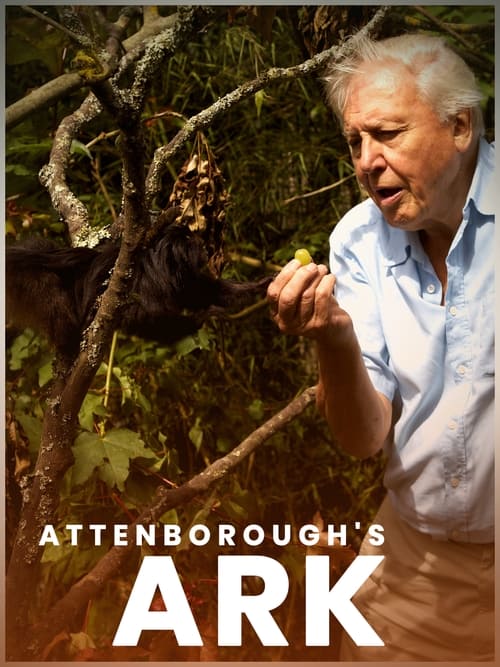
David Attenborough chooses his ten favorite animals that he would most like to save from extinction. From the weird to the wonderful, he picks fabulous and unusual creatures that he would like to put in his 'ark', including unexpected and little-known animals such as the olm, the solenodon and the quoll. He shows why they are so important and shares the ingenious work of biologists across the world who are helping to keep them alive.
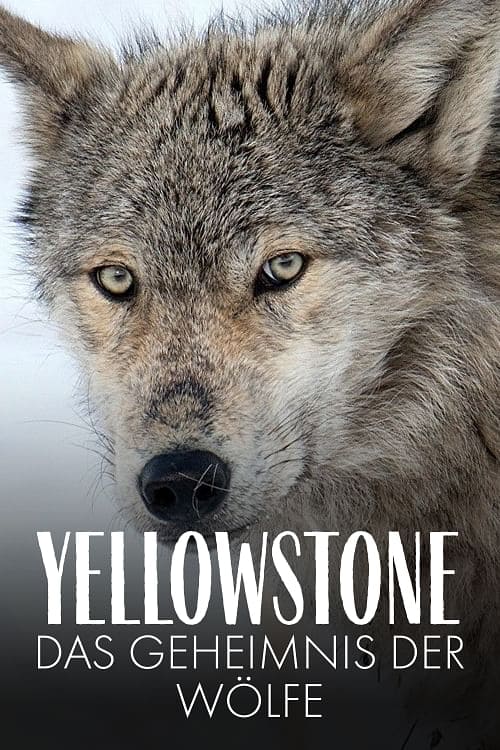
70 years after the last wolves roamed the national park, a total of 41 wolves were reintroduced between 1995 and 1997. A globally unique experiment that had many supporters, but also resolute opponents, then as now.
Alex Norton discovers how showbusiness has handled the portrayal of the Scottish accent. For over 100 years audiences have struggled to understand our braw brogue: silent Harry Lauder films attempted an accent in the captions, and in Hollywood's golden era , everyone wanted to paint their tonsils tartan- but as examples from Katharine Hepburn, Orson Welles and Richard Chamberlain show, they couldnae. Then Disney made Brave and proved that it disnae have to be all bad!
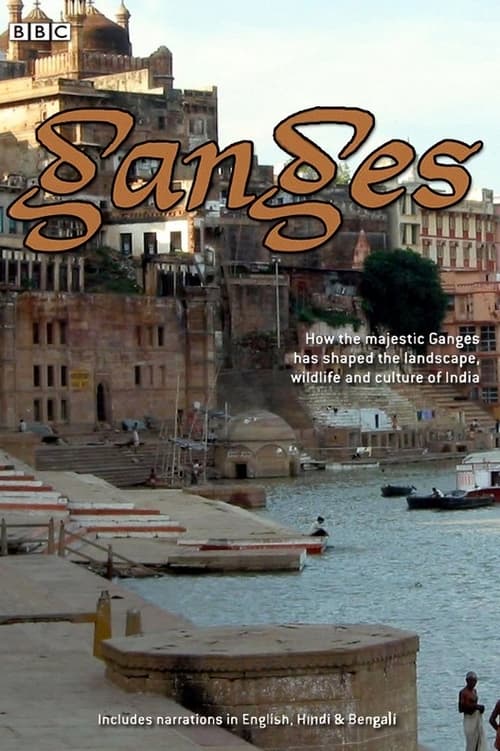
A journey that follows the Ganges from its source deep within the Himalayas through to the fertile Bengal delta, exploring the natural and spiritual worlds of this sacred river.
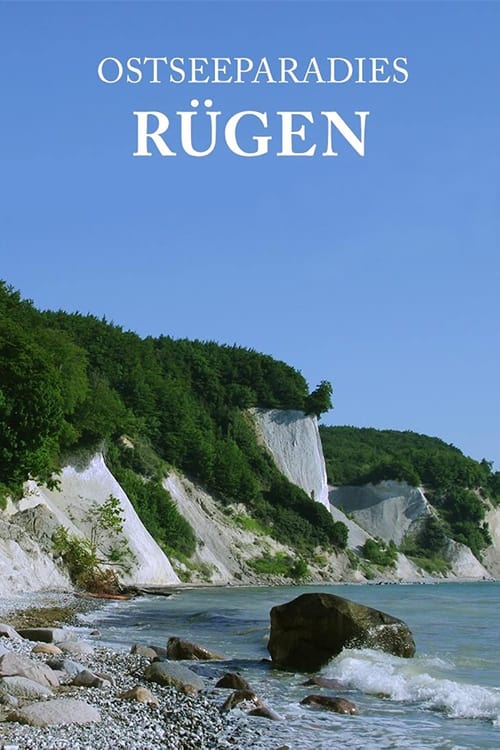
The white chalk cliffs of Rügen are among the most impressive natural monuments on earth, which the painter Casper David Friedrich immortalized for posterity as early as the 19th century. Germany's largest island with its seaside resorts from the Gründerzeit, its smaller side islands and peninsulas that give it its shape, its lagoon-like Bodden waters, the dense beech forests, the yellow rapeseed fields and the meadows, the shady tree avenues and the white sandy beaches is not only a magnet for tourists, but also a unique natural paradise in the middle of the Baltic Sea, a habitat for the rare white-tailed eagle, fallow deer, raccoon dogs and badgers as well as a resting place for huge swarms of migratory birds such as geese and cranes that can be heard trumpeting from afar. In this nature documentary, the unique landscapes and the diversity of the animal world of Rügen are captured with beautiful pictures during the changing of the seasons.
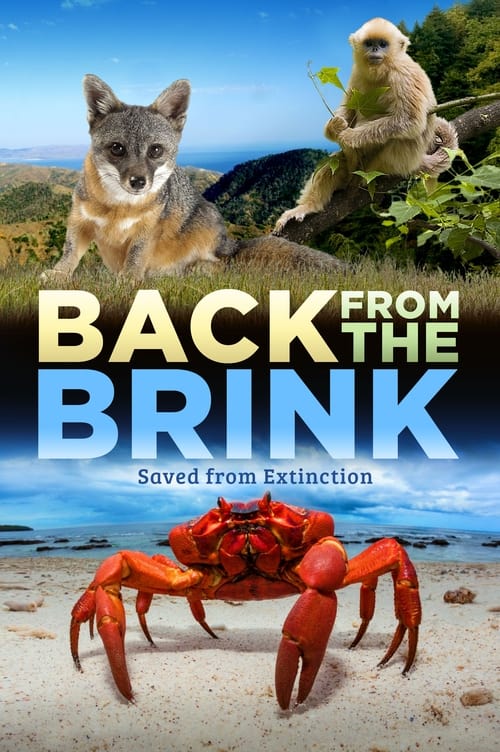
The remarkable true story of three animal species rescued from the brink of extinction: California’s enchanting Channel Island Fox, China’s fabled Golden Monkey, and the wondrous migrating crabs of Christmas Island. Discover successful, heartfelt, and ingenious human efforts to rescue endangered species around the world.
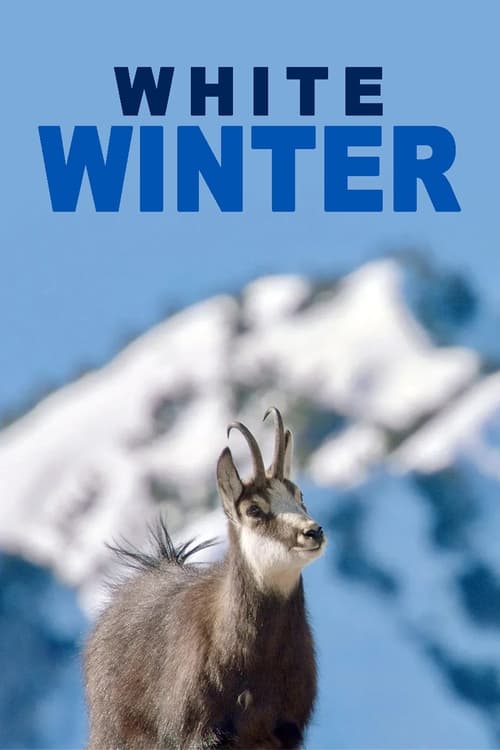
In southern Germany, winter can still be admired in all its glory every year. With its white coat of snow and icicles and myriads of small crystals that look like geometric works of art. In the valleys and on the slopes the snow is still so thick every year that the alpine huts are snowed in up to the windows. Cows and dairymen are safe in their farms at lower altitudes. But not the wild creatures of the mountains! They need strategies to survive the cold season and to defy snow masses, cold and ice. And some seem to do it so easily that they even raise their young in the middle of winter. But how do animals, plants and fungi cope with the annually recurring ice age, which from our perspective is a time of need? The many adaptations in nature prove that winter is an integral part of the natural cycle of the year and the living environment of species. They are adapted to cold and frost. That is why the animals and plants at the edge of the Alps suffer particularly from climate change!
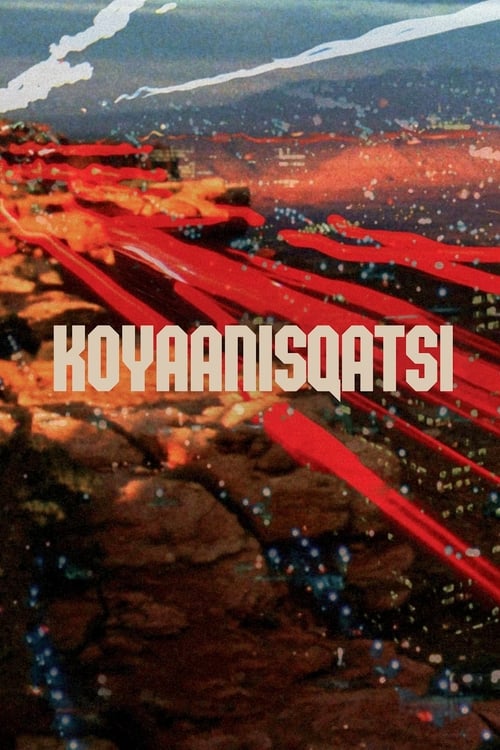
Takes us to locations all around the US and shows us the heavy toll that modern technology is having on humans and the earth. The visual tone poem contains neither dialogue nor a vocalized narration: its tone is set by the juxtaposition of images and the exceptional music by Philip Glass.
This fascinating film tells the story of one man's struggle to protect a small population of gorillas on the slopes of Mount Kahuzi in Zaire and of his incredible relationship with Kasimir, the great silver-backed male, and his family.
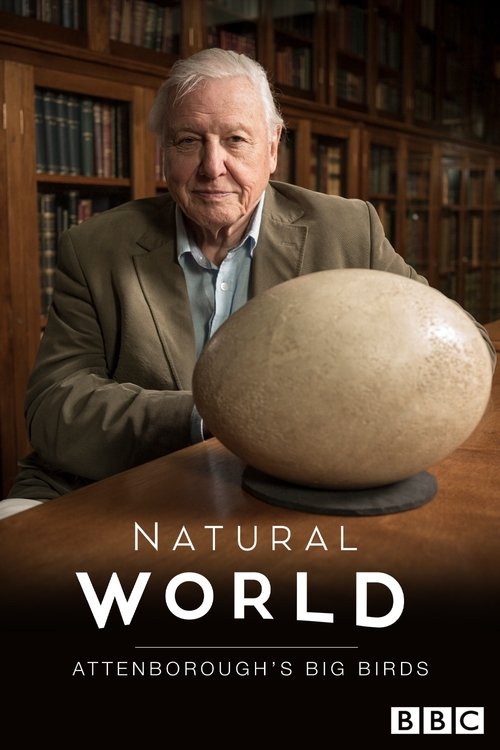
Meet the big birds, a feathered family who have never flown a day in their lives! From ostriches to kiwis, these bizarre birds appear to be nature's greatest novelty act. How they came to be and how they continue to survive is a fascinating tale that has long captivated Sir David Attenborough. It is a story of dedicated dads, enormous eggs and a serious need for speed. And far from being the court jesters of the animal world, these flightless curiosities once nearly ruled the land.
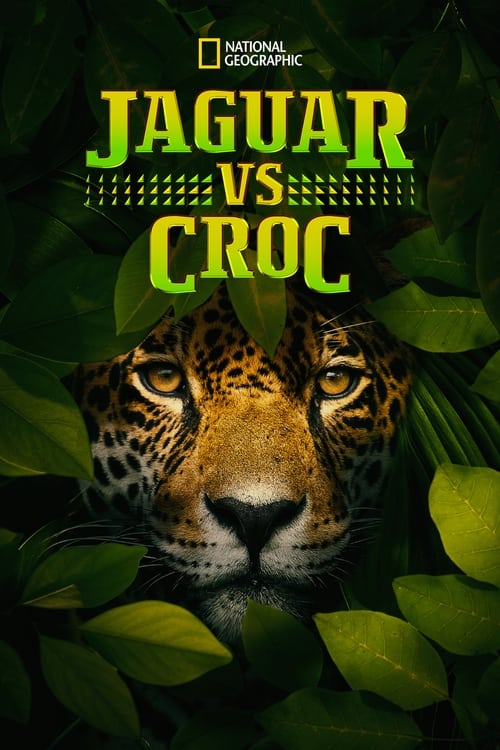
Wildlife photographer Steve Winter and cameraman Bertie Gregory capture the lives of jaguars in the Pantanal of Brazil; a mother jaguar teaches her cub how to survive, while a male jaguar dives headfirst into a river to tackle a six-foot-long caiman.