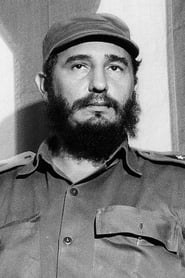
archívne zábery
No Trailers found.
A raw, unvarnished look at contemporary Cuba through the lens of its people, who are at once fiercely loyal to their country while being extremely dissatisfied after decades of neglect.
This black-and-white film is a loving portrait of Santiago de Cuba and its people. It provides a view of Cuba as a picturesque country, the product of an earthy mix of black and criollo cultures. The film uses historical images which portray the end of the eighteenth century when Haitian slave owners fled with their slaves to Cuba after the Haitian Revolution.
Documentary about the Cuban political turmoil between 1963-1970.
Half blind and half deaf, ostraziced Cuban writer Rafael Alcides tries to finish his unpublished novels to discover that after several decades, the home made ink from the typewriter he used to write them has faded. The Cuban revolution as a love story and eventual deception is seen through the eyes of a man who is living an inner exile.
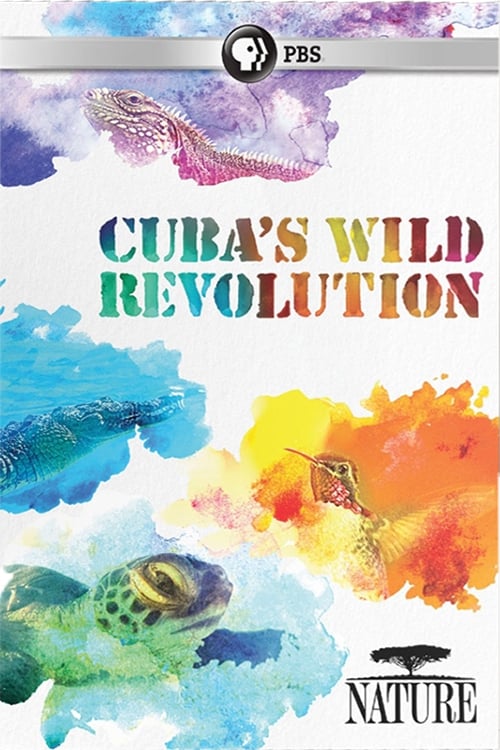
As the largest island in the Caribbean, Cuba is host to spectacular wildlife found nowhere else on the planet: from the jumping crocodiles of the Zapata swamp to the world's tiniest hummingbird, from thousands of migrating crabs to giant, bat-eating boas that lie in wait for easy prey. Decades of a socialist, conservation-minded government, American embargoes and minimal development have left the island virtually unchanged for 50 years. As international relations ease, what will become of this wildlife sanctuary?
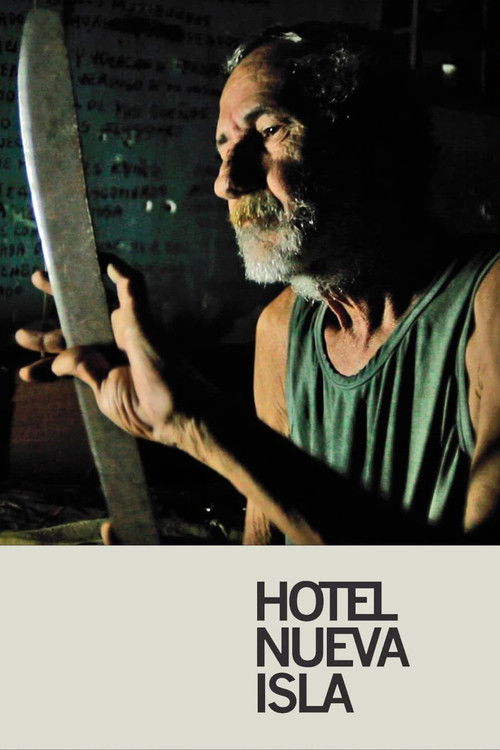
In the early twentieth century, the Hotel Nueva Isla was an emblematic luxury hotel. After the Cuban Revolution, it was confiscated by the State and became a shelter for homeless people. Located in Old Havana, today it is an imposing ruin. Jorge de los Rios, a retired clerk, is one of the few residents who remain there, along with La Flaca, his lover, and Waldo, a young itinerant. As the rest leave for safer places, Jorge clings to his dilapidated home and its buried treasures, slowly digging his way through its debris. The film speaks poignantly to a lost generation who fought in the Cuban Revolution and dreamed of a better society.
It's been a decade since the Federation of Cuban Women encouraged its members to form women's baseball teams. The call launched a movement that has seen women's teams spring up across the island—even as they face scorn and opposition from men who feel that women should not be playing what they see as a man's game.
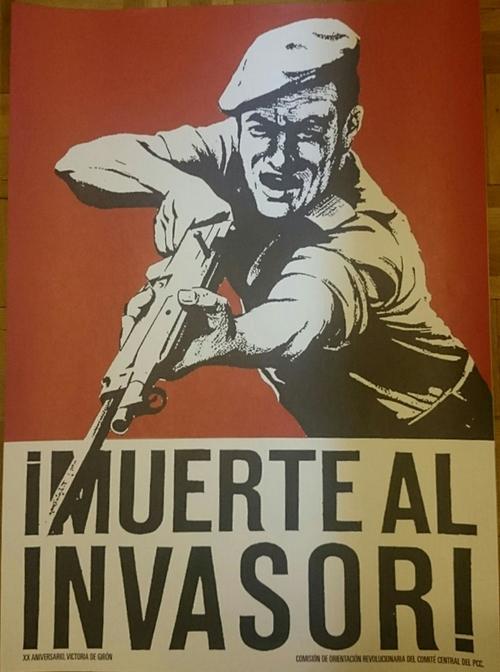
Produced by ICAIC in the wake of the Bay of Pigs invasion, "Muerte al invasor" chronicles the three days of fighting at Playa Girón, portraying the rapid mobilization of Cuban forces and civilians against a CIA-backed exile army.
After fleeing Cuba with his family when he was 7, Dallas artist Rolando Diaz returns to Havana to revisit his old neighborhood and learn more about the contemporary art scene in the city.
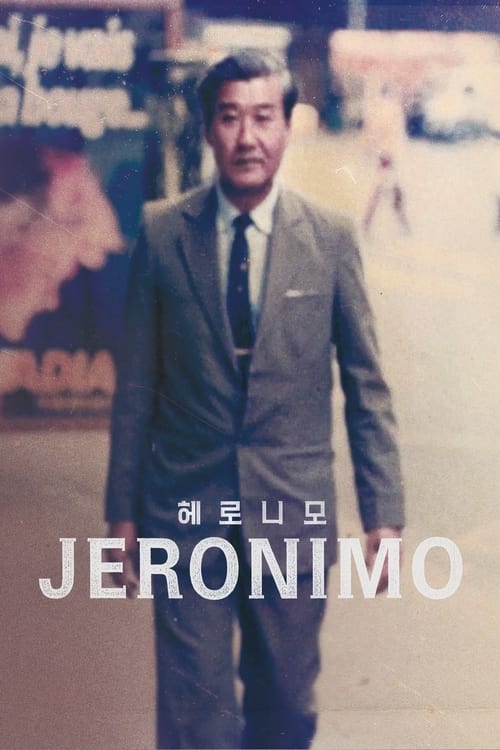
Born to Korean immigrant parents freed from indentured servitude in early twentieth century Mexico, Jerónimo Lim Kim joins the Cuban Revolution with his law school classmate Fidel Castro and becomes an accomplished government official in the Castro regime, until he rediscovers his ethnic roots and dedicates his later life to reconstructing his Korean Cuban identity. After Jerónimo's death, younger Korean Cubans recognize his legacy, but it is not until they are presented with the opportunity to visit South Korea that questions about their mixed identity resurface.
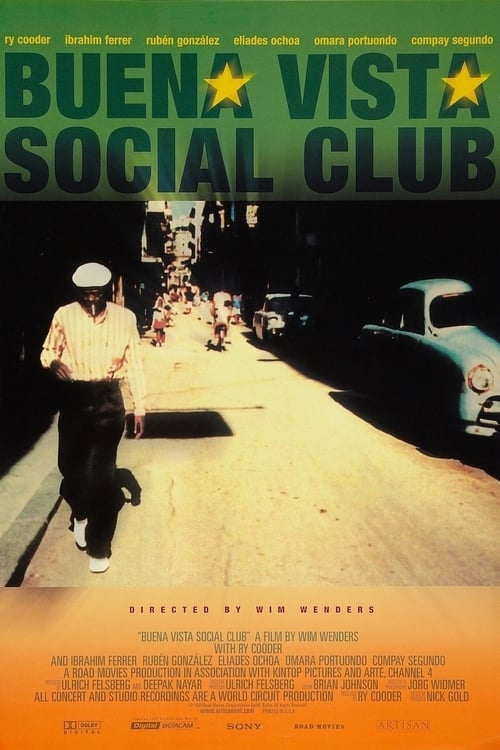
In this fascinating Oscar-nominated documentary, American guitarist Ry Cooder brings together a group of legendary Cuban folk musicians (some in their 90s) to record a Grammy-winning CD in their native city of Havana. The result is a spectacular compilation of concert footage from the group's gigs in Amsterdam and New York City's famed Carnegie Hall, with director Wim Wenders capturing not only the music -- but also the musicians' life stories.
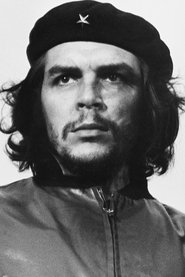
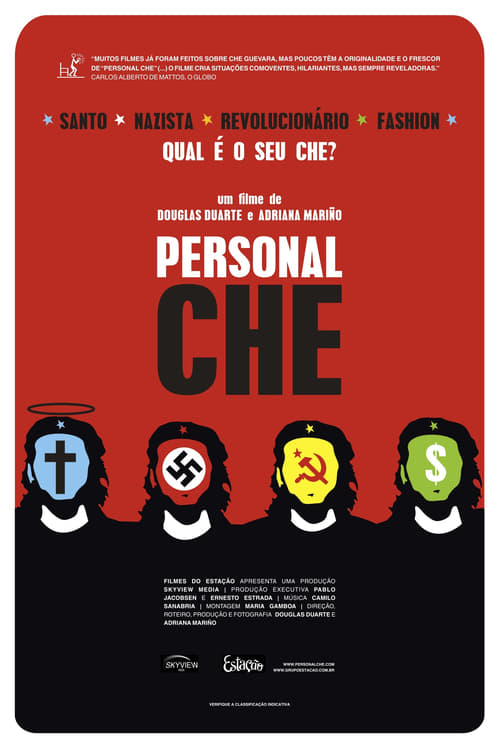
A documentary that explores the myth behind the truth. Different people around the globe reinterpret the legend of Che Guevara at will: from the rebel living in Hong Kong fighting Chinese domination, to the German neonazi preaching revolution and the Castro-hating Cuban. Their testimonies prove that the Argentinian revolutionary's historical impact reverberates still. But like with all legends, each sees what he will, in often contradictory perspectives.
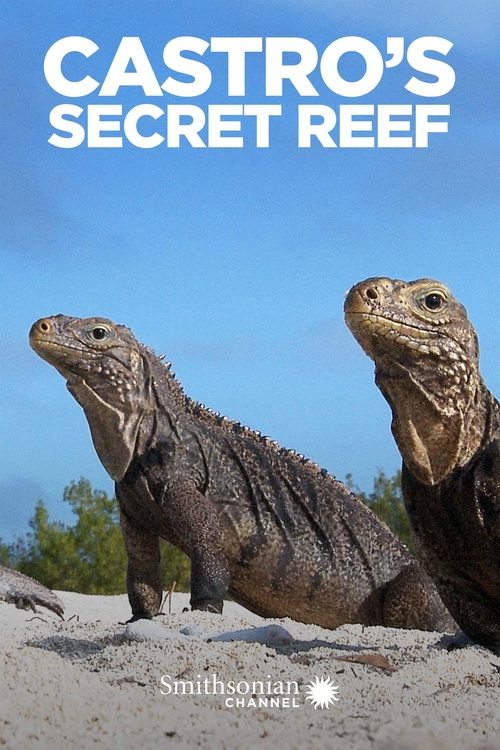
Cuba's enforced isolation has resulted in the unlikeliest of marine reserves: a huge, rambling archipelago known as Jardines de la Reina, or "Gardens of the Queen." Stretching around 140 miles along the southern coast of Cuba, it's one of the longest barrier reef systems in the world. Get an up-close look at Fidel Castro's diving playground, a forgotten ocean paradise unseen for half a century, and witness exotic species rarely seen elsewhere in the region. It's the lost jewel of the Caribbean, but how long can this pristine wilderness survive?
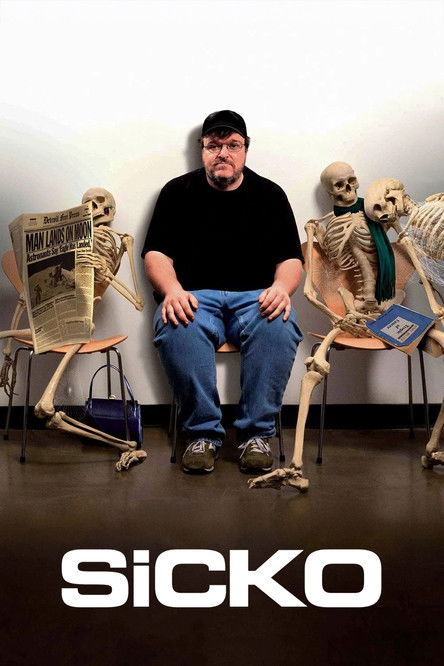
A documentary about the corrupt health care system in The United States whose main goal is to make profit even if it means losing people’s lives. "The more people you deny health insurance, the more money we make" is the business model for health care providers in America.
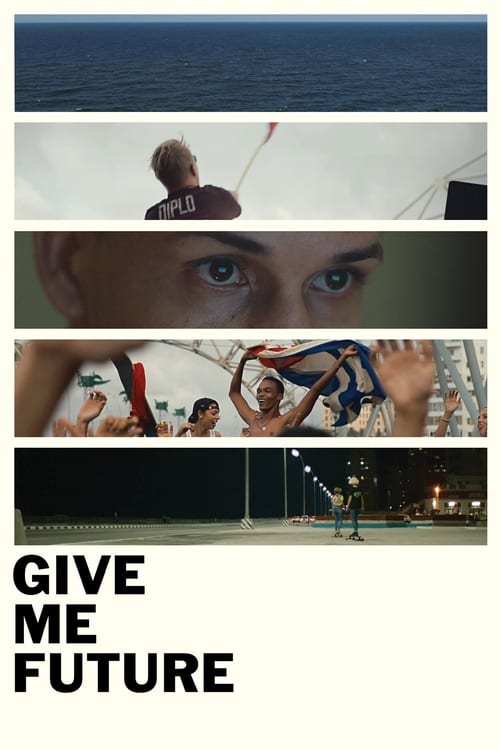
In the spring of 2016, global music sensation Major Lazer performed a free concert in Havana, Cuba—an unprecedented show that drew an audience of almost half a million. This concert documentary evolves into an exploration of youth culture in a country on the precipice of change.
No overview available.
A documentary depicting Cuba/US relations through baseball.
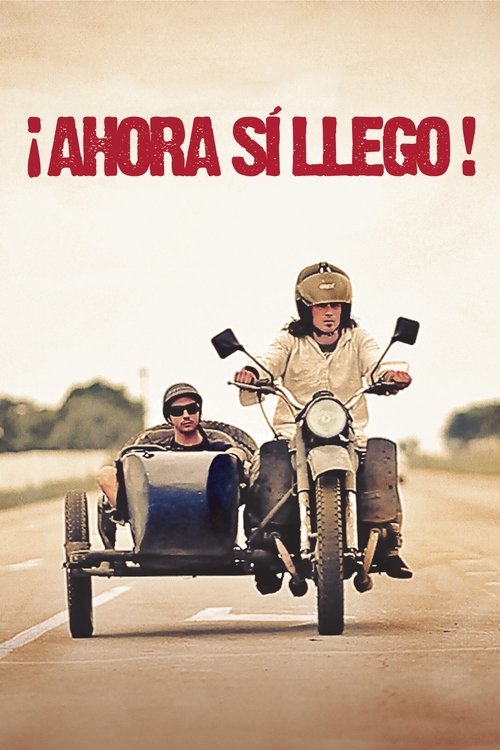
The first Road Movie feature film made by the Italian artist Sanzi together with the Cuban Balboa is inspired by friendship, the island and the motorbike. The two artists used, for the first time in Cuba, the form of the Road Movie--the cinematic genre the plot of which is developed during a trip.