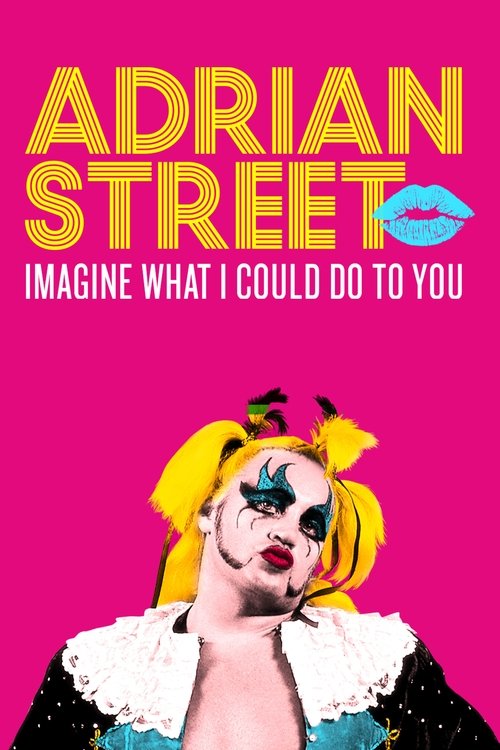
British legend Adrian Street reflects on his life and career in and out of the ring.
Self
No Trailers found.
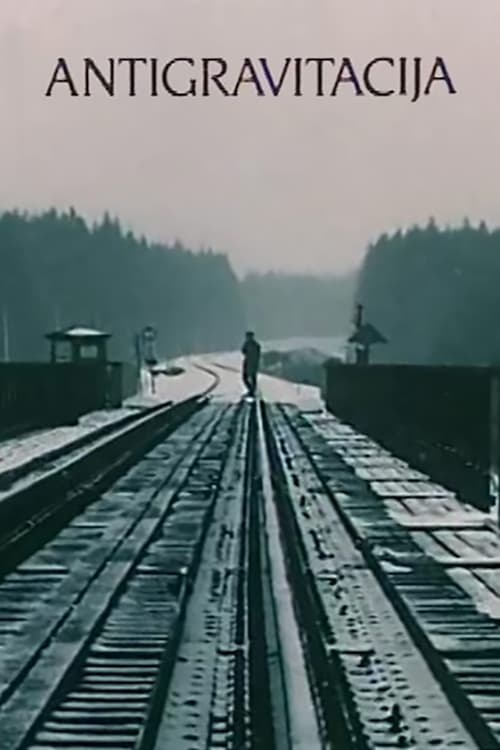
An isolated village in the Lithuanian countryside. Seated in her house, an elderly woman recites an old folk story. Then she climbs up the tall ladder that takes her to the rooftop of the church.
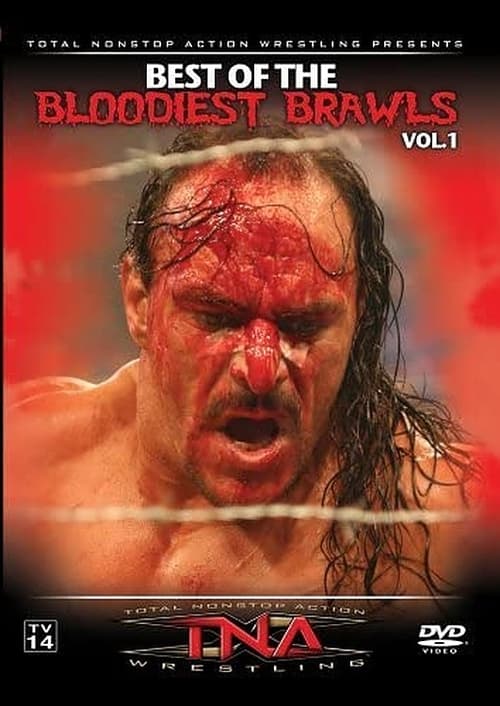
TNA Home Video presents the Best Of The Bloodiest Brawls DVD release, featuring Barbed Wire Massacre, Six Sides Of Steel, Monster's Ball and more with Abyss, Raven, Sabu, Rhino, Team 3D and many more of your favorite superstars!
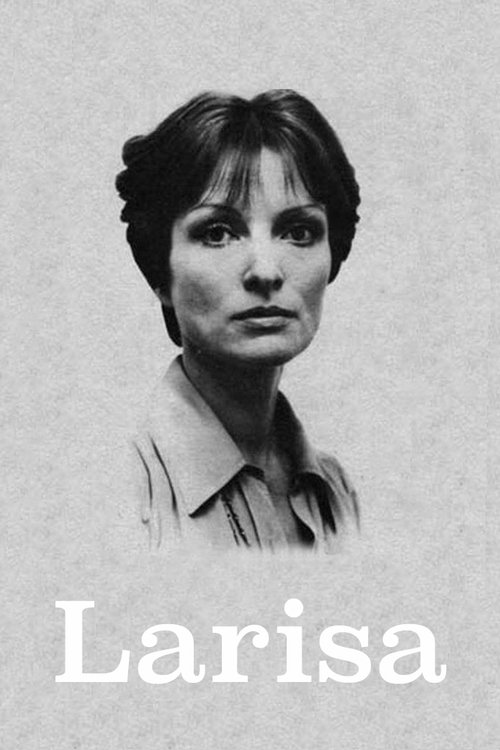
Elem Klimov's tribute to his late wife, director Larisa Shepitko, killed in a car accident a year earlier. Features excerpts from all of her films, and archival audio of her discussing life and art.
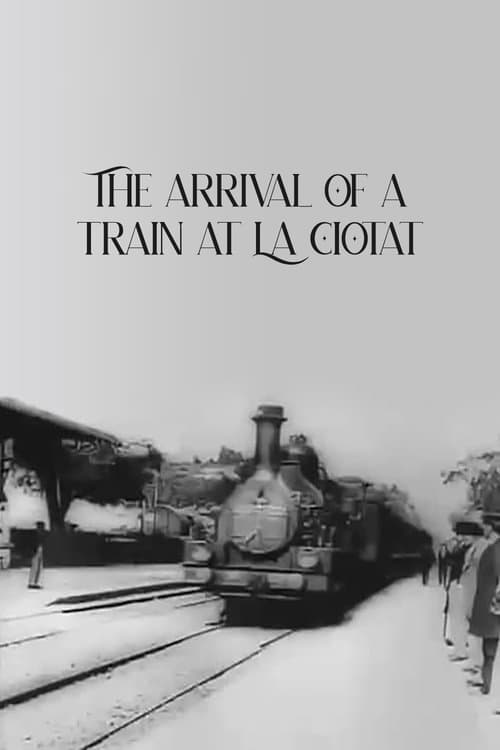
A group of people are standing along the platform of a railway station in La Ciotat, waiting for a train. One is seen coming, at some distance, and eventually stops at the platform. Doors of the railway-cars open and attendants help passengers off and on. Popular legend has it that, when this film was shown, the first-night audience fled the café in terror, fearing being run over by the "approaching" train. This legend has since been identified as promotional embellishment, though there is evidence to suggest that people were astounded at the capabilities of the Lumières' cinématographe.
An exploration —manipulated and staged— of life in Las Hurdes, in the province of Cáceres, in Extremadura, Spain, as it was in 1932. Insalubrity, misery and lack of opportunities provoke the emigration of young people and the solitude of those who remain in the desolation of one of the poorest and least developed Spanish regions at that time.
To the city come men, women, fruits, flowers, vegetables, goats and sheep – all ready for consumption. It is the process of consumption/exploitation that forms the core of the film.
Society has created a stereotype of the LGTBQ collective in which its members are young people who are fashionable, who have money, who have a lot of fun and who never pass the age of forty. But where are the older ones? When they reach that age, do they evaporate? This documentary makes visible a little-discussed topic: old age.
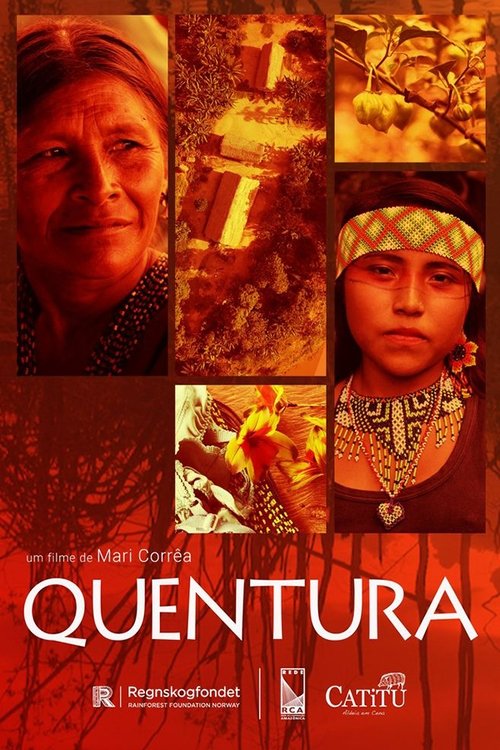
Too hot! The spawning fish do not come at the right time and the pepper plants end up dying in this heat. "This is a very different weather that not even the spirits can understand." From their gardens, homes, and backyards, the indigenous women of the Amazon involve us in their vast universe of knowledge while they observe the impacts of climate change in their ways of life.
A contemplation of life.
St. Joseph Fort: Principality of Pontinha, the diamond that illuminates the Atlantic Pearl.
In 1967, de Andrade was invited by the Italian company Olivetti to produce a documentary on the new Brazilian capital city of Brasília. Constructed during the latter half of the 1950s and founded in 1960, the city was part of an effort to populate Brazil’s vast interior region and was to be the embodiment of democratic urban planning, free from the class divisions and inequalities that characterize so many metropolises. Unsurprisingly, Brasília, Contradições de uma Cidade Nova (Brasília, Contradictions of a New City, 1968) revealed Brasília to be utopic only for the wealthy, replicating the same social problems present in every Brazilian city. (Senses of Cinema)
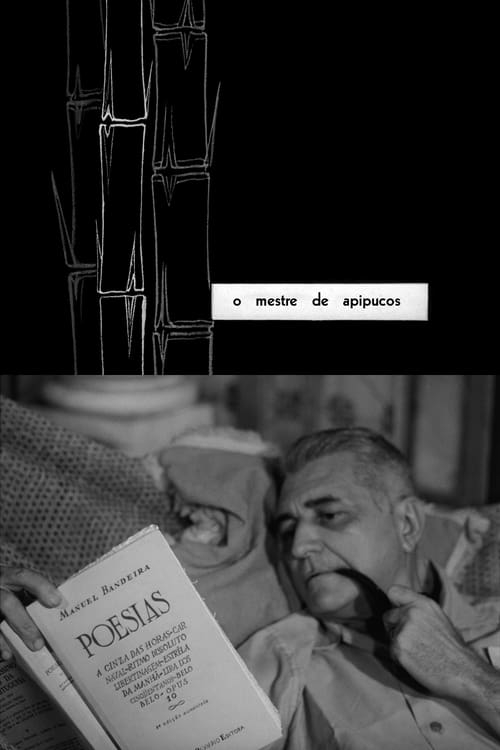
Documentary about influential Brazilian sociologist Gilberto Freyre, made in his country house in Apipucos, Pernambuco (Northeast Brazil).
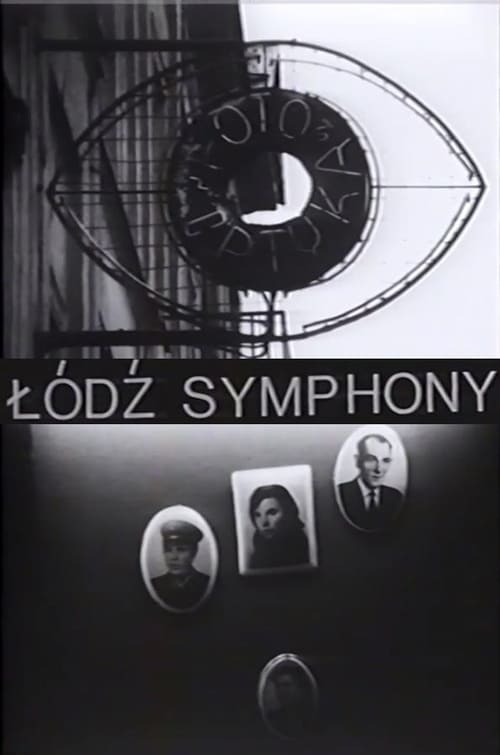
A portrait of Łódź, Poland that exists in a time-warp of sad memory.
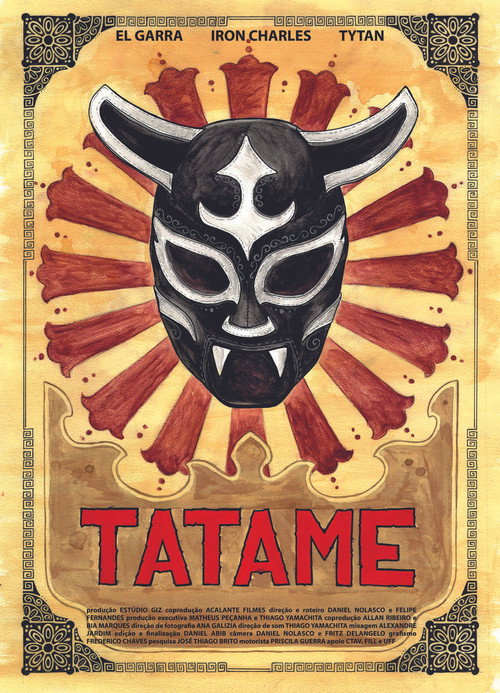
Professional wrestling is also known as lucha libre and puroresu. FILL - Federação Internacional de Luta Livre - is one of the most important academies in the Brazilian independent scene. Their shows usually take place in the court of an old sports club in Vicente de Carvalho, North of Rio de Janeiro. "Tatame" is an effective portrait of the biggest stars of FILL; from their daily routine to the transformations they go through to become the main characters of the show.
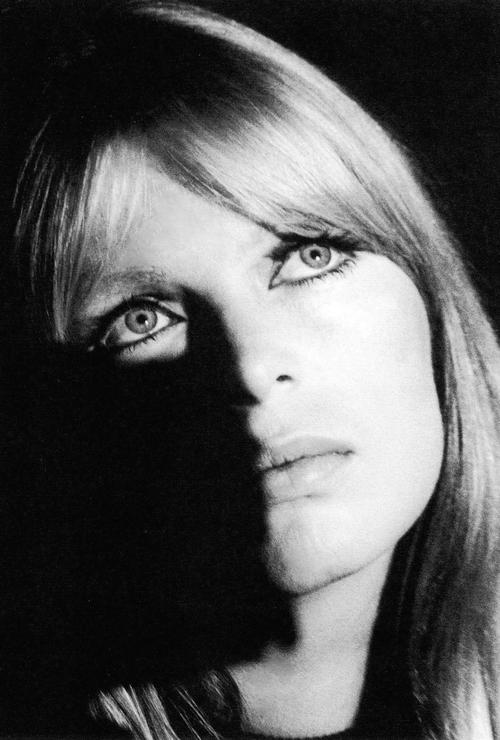
"Not a documentary but the the ruins of an attempted documentary." - Grashina Gabelmann Nico’s solo concert in West Berlin 1986. She’s high, giggly, not entirely there but her voice is still haunting and raspy and her presence still the one of a star. We see short clips of an interview held the same year in a hotel – an interview Gaul found somewhere, where he can not remember. We see footage borrowed from Andy Warhol’s estate. Footage of factory parties and screen tests.
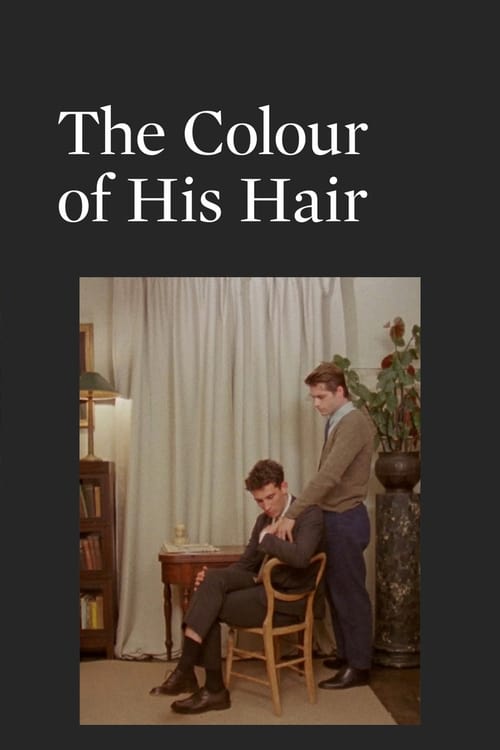
Based on an unrealized film script written in 1964 for The Homosexual Law Reform Society, a British organisation that campaigned for the decriminalization of homosexual relations between men, "The Colour Of His Hair" merges drama and documentary into a meditation on queer life before and after the partial legalization of homosexuality in 1967.
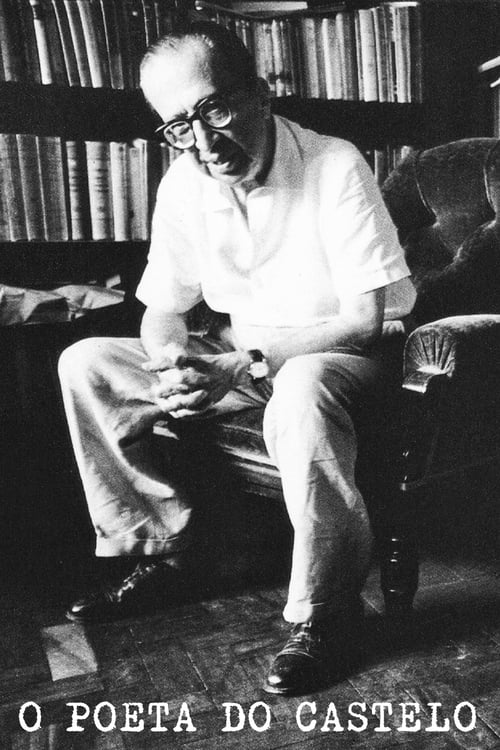
A 10-minute portrait of modernist poet and de Andrade’s godfather, Manuel Bandeira, is clear in its affection for it subject, though like many New-Waveish films of the time, depicts the modern urban landscape as an ominous and alienating force.
A short documentary where director Dave Jackson digs into his catboy past and life after Cat Sick Blues.
East German short film
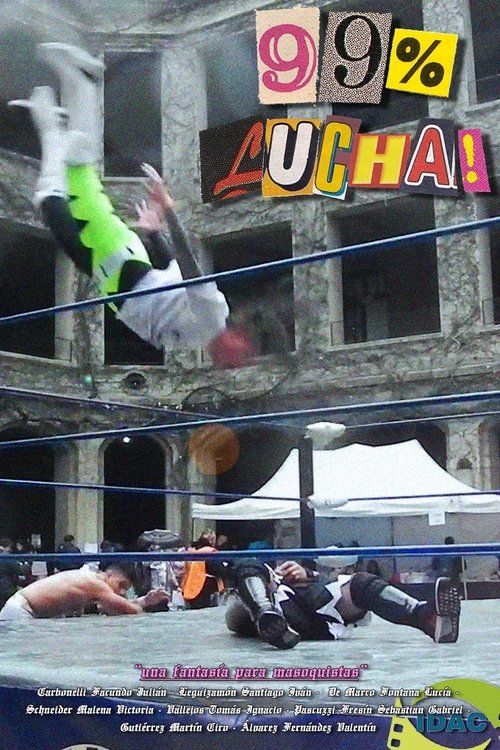
"99% Lucha" is a documentary that takes us into the fascinating universe of Argentine catch, a sport that goes beyond simple fighting in the ring. Through a purely visual narrative, without interviews or voice-overs, this film captures the essence of camaraderie and sacrifice that characterize the fighters of this sport. We discover that behind the action in the ring there is a community united by a shared passion, where rivalries are only part of the story. This documentary delves into everyday life. Each fighter is a protagonist, and each blow is an expression of his unwavering dedication. "99% Lucha" is a window to a world where 99% effort becomes 100% passion, showing how sacrifice and camaraderie drive your commitment to this exciting sport.