Short documentary by Karl Schedereit
No Trailers found.
No Cast found.
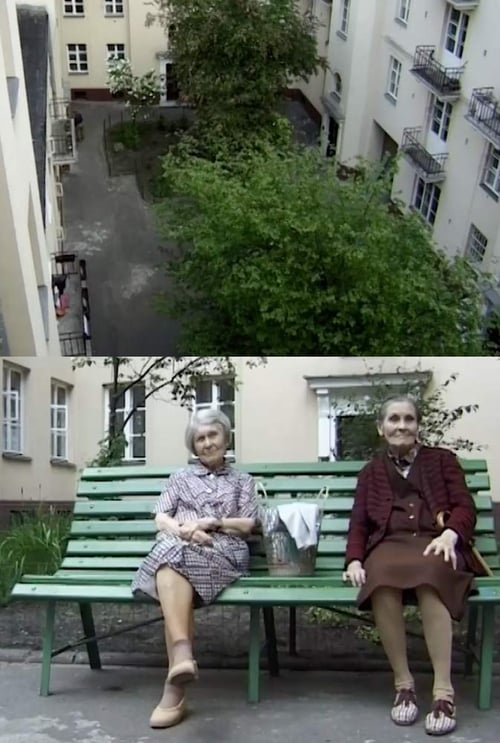
Two old sisters, living in the same Warsaw apartment, sit on a bench and talk. The 87-year-old elder one seems to care for the other reluctantly and treat her badly. The younger, who is said to be clumsier, has walking problems.
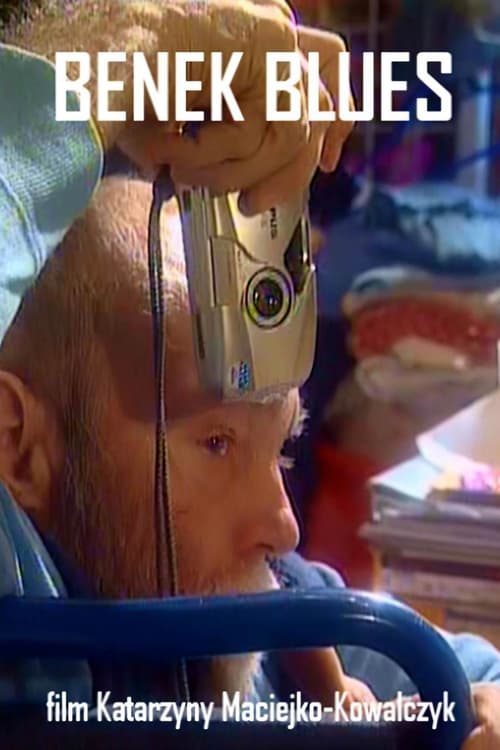
The action is placed in a cramped flat in Warsaw’s district of Ochota. A father and a son, both bedridden, live in a fascinating symbiosis. The son, a well‑known photographer Bernard ben Dobrowolski, is lying in bed because a chronic condition has deformed his body and immobilized him. The father, Dominik, has recently suffered from a stroke. Now they are taking care of each other and crowds of visitors move through their room.
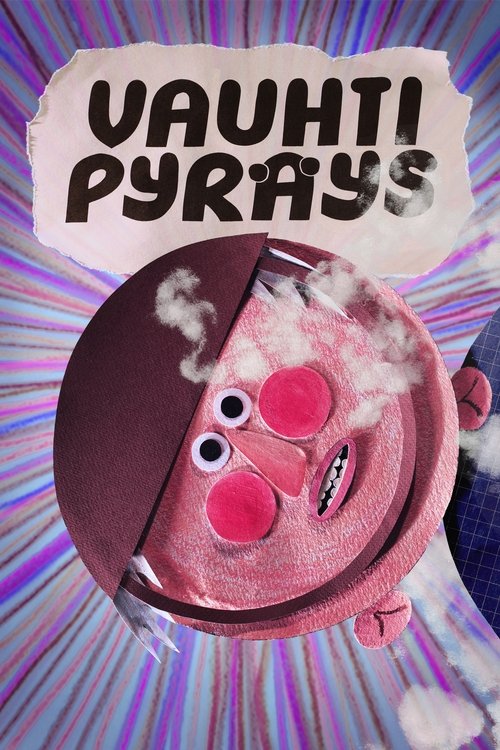
70-year-old Timo makes the most of his short ride to work. Speeding up on a bicycle ends up in a ditch, but the adrenaline rush leaves a feeling of pleasure.
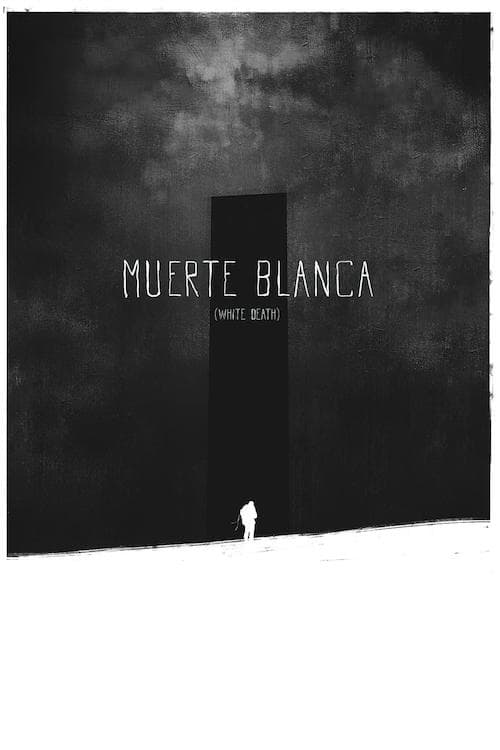
Impressionist portrait of a landscape forged by tragedy. A ghostly wanderer among the vestiges of a story where 44 young soldiers and a sergeant were pushed to their deaths
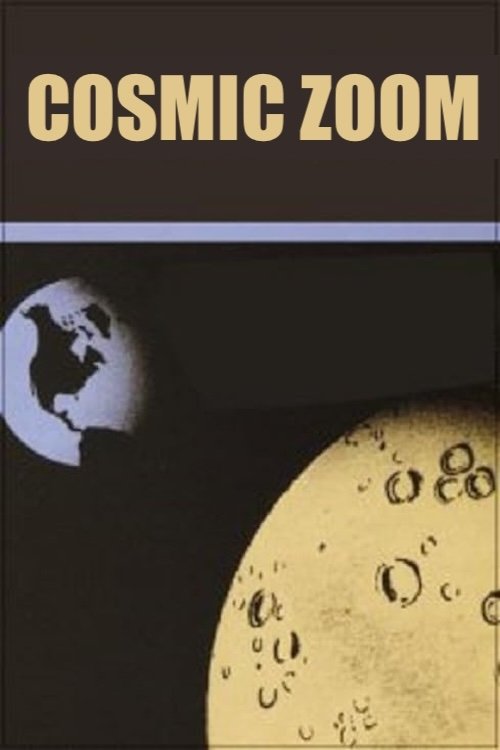
This short animation transports us from the farthest conceivable point of the universe to the tiniest particle of existence, an atom of a living human cell. The art of animation and animation camera achieve this exhilarating journey with a freshness and clarity. Without words.
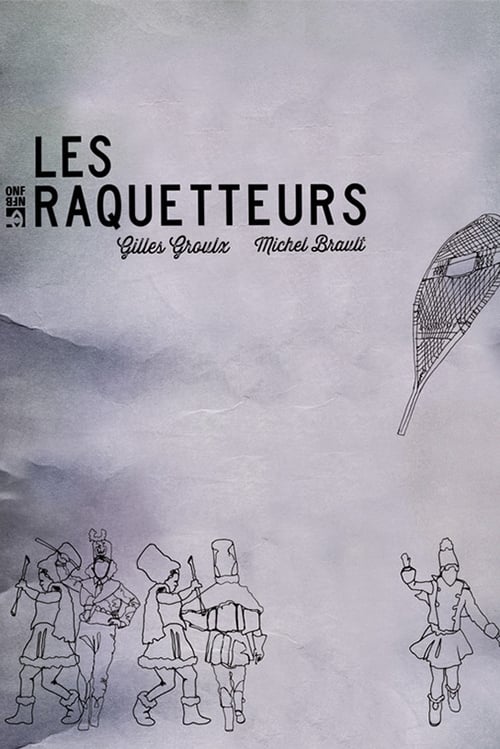
This short documentary records the celebration and ritual surrounding a snowshoe competition in Sherbrooke in the late 1950s. The film marked the beginning of a new approach to reality in documentary and prefigures the trademark style of the NFB's newly formed French Unit. Today, Les raquetteurs is considered a precursor to the birth of direct cinema.
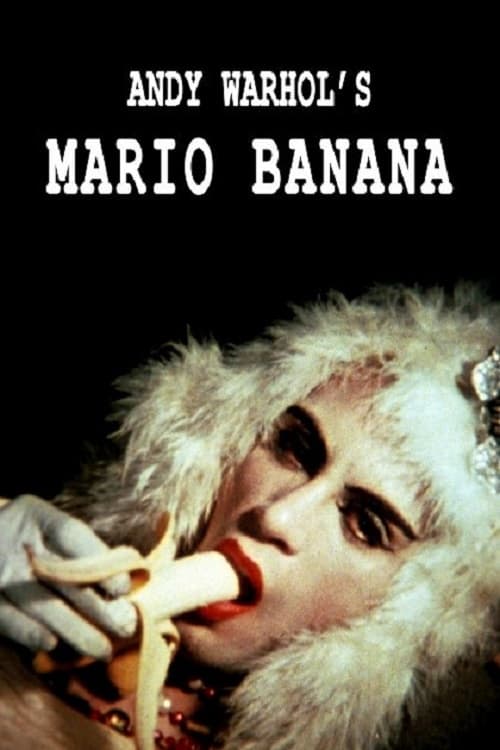
Mario Montez in drag eats a banana.
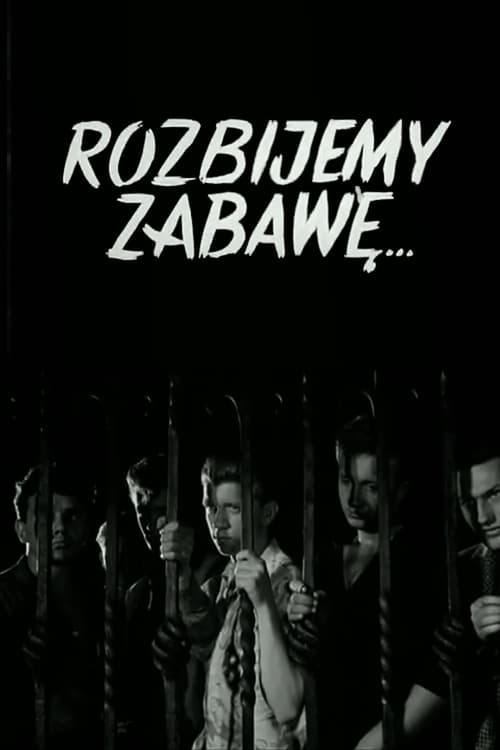
Youths get ready for a party, decorating the dance floor, cleaning out the fountain of a pond. That evening, the party starts and guests arrive: everyone has a ticket, and a guy at the gate, wearing a formal shirt, tails, and shorts, makes sure only those with tickets gain entrance.
A documentary about actress Edith Massey in which she talks about her life and her career in film.
Comments on the background and popularity of disc jockey "Emperor" Bob Hudson, who bases his shows on the idea that radio is a fantasy.
A very personal look at the history of cinema directed, written and edited by Jean-Luc Godard in his Swiss residence in Rolle for ten years (1988-98); a monumental collage, constructed from film fragments, texts and quotations, photos and paintings, music and sound, and diverse readings; a critical, beautiful and melancholic vision of cinematographic art.
Part 5 of Godard's 8 part examination of the history of the concept of cinema and how it relates to the 20th century.
Set in 1971 on the Southwest coast of Florida, Dolphin Lover tells the incredible true story of Malcolm Brenner, a college student who lands his first professional gig as a freelancer photographing the marine animals at Floridaland, a tourist trap disguised as a roadside amusement park. The experience would launch Malcolm’s career as a photographer and introduce him to his one true love while changing his life forever. Dolphin Lover tells the incredibly true story of Malcolm Brenner’s year-long romantic and sexual love affair with Dolly, a captive bottlenose dolphin.
This documentary short is a visual portrait of “Prairie Sentinels,” the vertical grain elevators that once dotted the Canadian Prairies. Surveying an old diesel elevator’s day-to-day operations, this film is a simple, honest vignette on the distinctive wooden structures that would eventually become a symbol of the Prairie provinces.
A perfect, fast and hilarious montage. Using images from Artis (Amsterdam Zoo), Bert Haanstra shows that a couple of similarities can be discovered between human and animal. Particularly the manner in which human and ape are confronted with each other, is significant. The images speak for themselves, human voices or commentary is absent. The ironic music of Pim Jacobs does add an extra dimension to the whole. With regards to human and animal Haanstra limits himself for the time being to this short film, recorded with a hidden camera. Later on, in several big films, he would return to this subject.
Photographer Helmut Newton talks about his work.
This short documentary examines the complex range of issues affecting urban transport in developing countries. After examining cost and available technology, as well as the different needs of the industrialized middle class and the urban poor, the film proposes some surprising solutions.
A priceless gem from the fine folks at The Internet Archive: Bruce Lee’s only existing television interview, from 1971. Martial arts expert Bruce Lee became world-renowned for his performances in such Kung-fu classics as ENTER THE DRAGON. Now his only interview in English is available. Just after the release of his first film THE BIG BOSS, he spoke in Hong Kong with Canada's premier journalist Pierre Berton. This is the closest one can get to this extraordinary master.
During the 1982 Cannes Film Festival, Wim Wenders asked a number of global film directors to, one at a time, go into a hotel room, turn on the camera, and answer a simple question: "What is the future of cinema?"