No Trailers found.
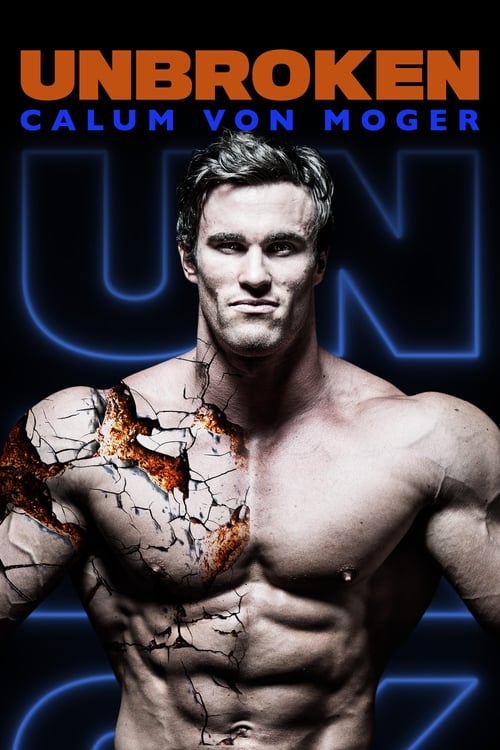
To many in the bodybuilding world, Calum von Moger is seen as the future of the sport. A two time Mr. Universe champion who has proven himself to have one of the greatest physiques currently on the professional stage; Calum was catapulted into social media stardom. Known for his resemblance to Arnold Schwarzenegger and dubbed Arnold 2.0. But a sudden and tragic bicep tear brought his training and goals to a grinding halt. Losing dozens of pounds of muscle and unable to train until fully recovering – Calum was forced to reassess his bodybuilding path and find a way to fight back up to the top. Calum von Moger: Unbroken chronicles his rise, fall, and now recovery as he moves into a promising career in television and film. Showcasing a man with an indomitable will that overcomes all the hurdles in his path and taking him to a place that both skeptics and doctors thought was impossible.
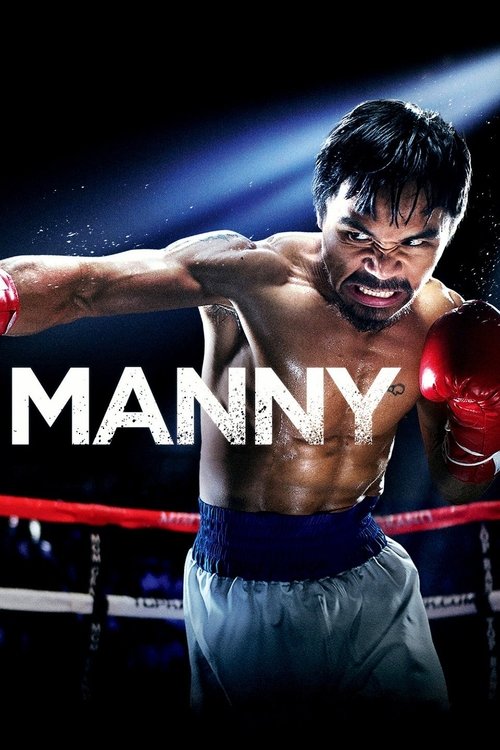
From abject poverty to becoming a ten-time boxing world champion, congressman, and international icon, Manny Pacquiao is the true definition of a Cinderella story. In the Philippines, he first entered the ring as a sixteen-year-old weighing ninety-eight pounds with the goal of earning money to feed his family. Now, almost twenty years later, when he fights, the country of 100 million people comes to a complete standstill to watch. Regarded for his ability to bring people together, Pacquiao entered the political arena in 2010. As history’s first boxing congressman, Pacquiao now fights for his people both inside and outside of the ring. Now at the height of his career, he is faced with maneuvering an unscrupulous sport while maintaining his political duties. The question now is, what bridge is too far for Manny Pacquiao to cross?
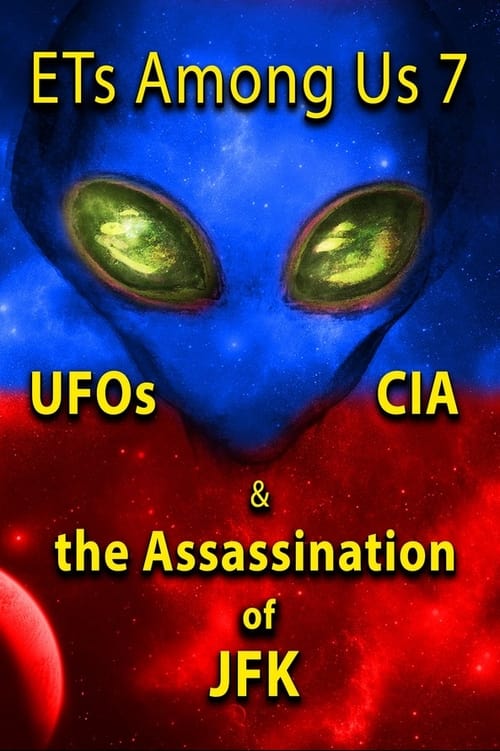
Peabody Award winning journalist Linda Moulton Howe, JFK experts Robert Morningstar and Jim Marrs, and psychic CEO Sebastien Martin, narrate this shocking exposé of the unknown hidden motivations for the assassination of President John F Kennedy. Writing in a letter his desire to share the government's most highly classified secret with the American people, Kennedy inadvertently signed his own death warrant. Ten days later JFK was assassinated. Partially burnt documents, rescued from the fireplace of deceased counterIntelligence chief James Jesus Angleton, provide irrefutable proof of the secret orders to murder JFK. The most shocking and pervasive government cover-up in history has persisted for almost 6 more decades, despite JFK's thwarted attempt to expose the Truth. Only in 2019 did the Pentagon finally begin, bit by bit, to let the public in on their shocking cosmic secret.
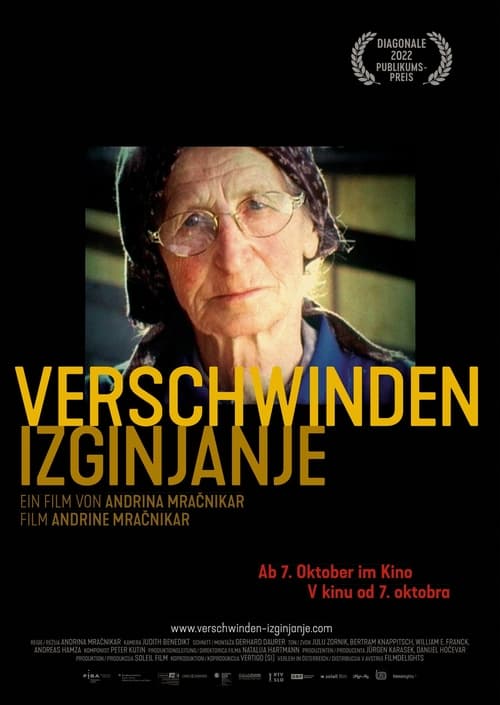
In southern Carinthia, about ninety percent of all inhabitants spoke Slovenian before 1910. Today it is on average a single digit percentage. In this very personal essay documentary, Andrina Mračnikar formulates a political urgency: What happens when one's mother tongue is taken away in everyday life. What must politicians do to counteract the disappearance of a language whose protection is enshrined in the Austrian constitution.
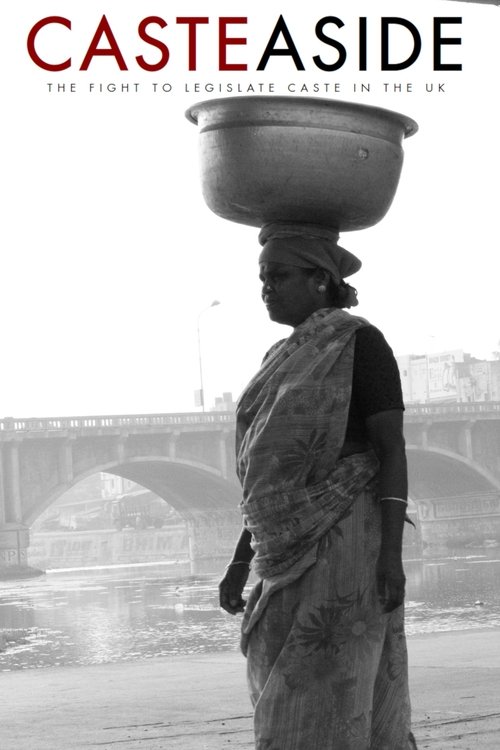
Caste Aside is a documentary about the British government's controversial decision on whether or not to introduce legislation against caste discrimination in the UK. Highlighting both sides of this heated debate, the documentary speaks to Dalit rights activists, Hindu community leaders, academics and lawyers, as well as those who say they have been discriminated against on the basis of their caste - here in Britain.
No overview available.
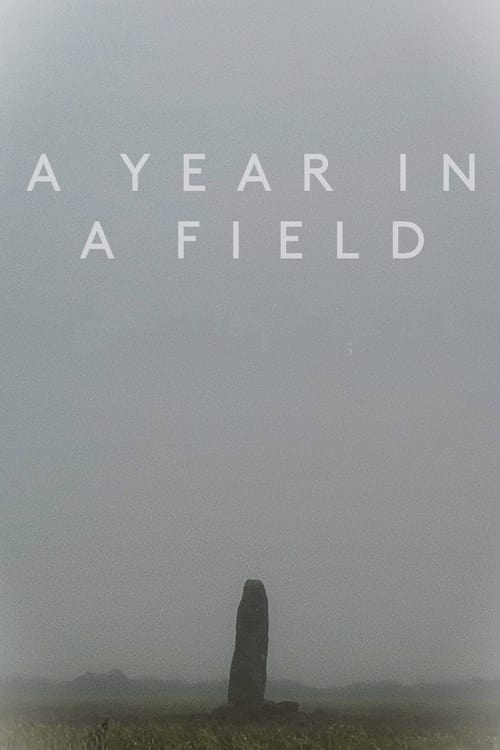
With his camera and tripod, BAFTA-winning documentary filmmaker Christopher Morris began filming each day in a field near his home, telling the story of one Cornish field told over one climatic year.
A documentary about an old animation technique and the film studio that tries to carry on the legacy. The worlds oldest animation studio still making film with stop motion technique is Nukufilm located in Tallinn, Estland. Here we can follow the work in the studio which was founded in the Soviet era and has survived heavy censorship and global competition.
A documentary following the civil rights movement and how the media, in particular the burgeoning TV, was used to fight for equality in the 1960s. From Selma to Charlottesville, we also see how modern activists use today's technology to continue fighting injustice today.
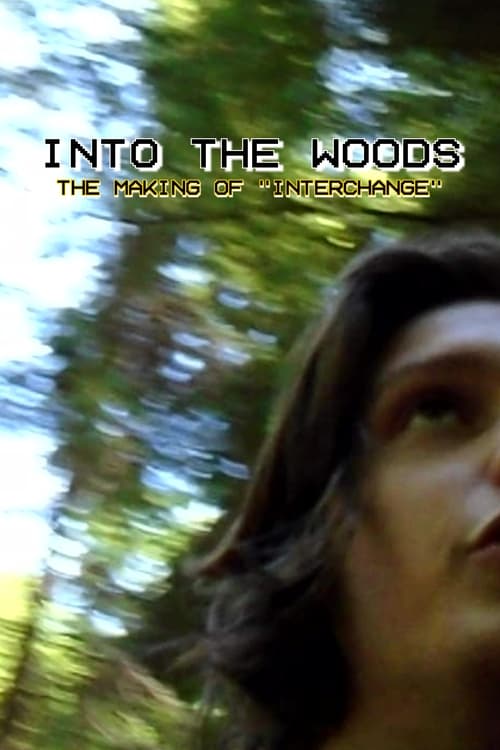
A making-of documentary of the analogue horror short film "Interchange" made by James Seed.
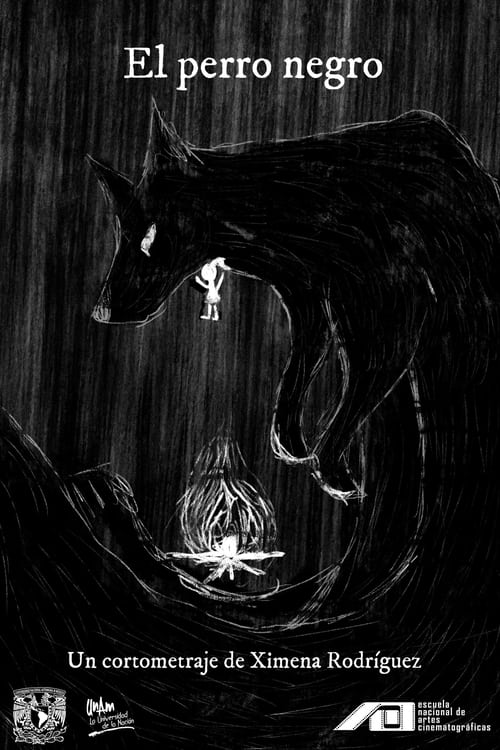
Since Rosa was little, people used to say around town that her grandfather was a black dog. The legend, belonging to the Valley of Oaxaca, spoke of a man who had the ability to turn into a black dog and roam the streets at night. Through images of the town, interviews with the brothers and animated interventions, the documentary tells the story of the myth and its importance in the collective memory.
The two-part documentary Pop & Passion tells of power and magic, but also of the pressure and excess that prevails in the pop business.
Constantin is a Moldovan young man who emigrated to Italy when he was only a child. Right before his marriage, he decides to go back to Moldova to discover more about his cultural roots and understand about his identity. He found a different country, with a danger of an impending war and where he feel as a stranger.
American Aloha: Hula Beyond Hawai’i shows the survival of the hula as a renaissance continues to grow beyond the islands. With the cost of living in Hawai'i estimated at 27 percent higher than the continental United States, large numbers of Hawaiians have left the islands to pursue professional and educational opportunities. Today, with more Native Hawaiians living on the mainland than in the state of Hawai'i, the hula has traveled with them. From the suburbs of Los Angeles to the San Francisco Bay Area, the largest Hawaiian communities have settled in California, and the hula continues to connect communities to their heritage on distant shores.
A documentary that details the process of restoring 270 of the 520 lost films of pioneering director Georges Méliès, all orchestrated by a Franco-American collaboration between Lobster Films, the National Film Center, and the Library of Congress.
In the week when Hindus celebrate the holy festival of Diwali, this documentary tells the story of one of their faith's most sacred symbols - the swastika. For many, the swastika has become a symbol synonymous with the Nazis and fascism. But this film reveals the fascinating and complex history of an emblem that is, in fact, a religious symbol, with a sacred past. For the almost one billion Hindus around the world, the swastika lies at the heart of religious practices and beliefs, as an emblem of benevolence, luck and good fortune.
An 88-Minute documentary about how Jackie Chan broke the mold (and his bones) with his daring choreography in the 1980s.
VMX crush Dyessa Garcia takes fans through the sizzling hot journey of one of VMX’s original A-listers – AJ Raval going all out in her most unforgettable and daring scenes.
In January 2025, experimental jazz duo Myshko Birchenko and Yevhen Puhachov, members of Hyphen Dash, travelled to Kramatorsk without any pre-made drafts or demo recordings to use music as a vessel to capture the emotions present in a place on the edge of a battle for survival and explore the therapeutic nature of music and improvisation in the brutal reality of war. They packed all the equipment into a car, drove 700 kilometres from Kyiv to the frontline city Kramatorsk, and turned one of many basements which serve as shelters into a makeshift recording studio. As a result, they recorded over 300 minutes of music, which were eventually distilled into a 90-minute album.
This film, directed by Dominique GAUTIER, takes the viewer on a worldwide excursion into the history and structure of the Esperanto language, introducing its present-day speakers. The words of these users of the language are reflective of a variety of activities and viewpoints, and in the film they are interwoven so as to reveal bit by bit how the utopia of its initiator, Ludwig ZAMENHOF, is concretised every day.
No Cast found.