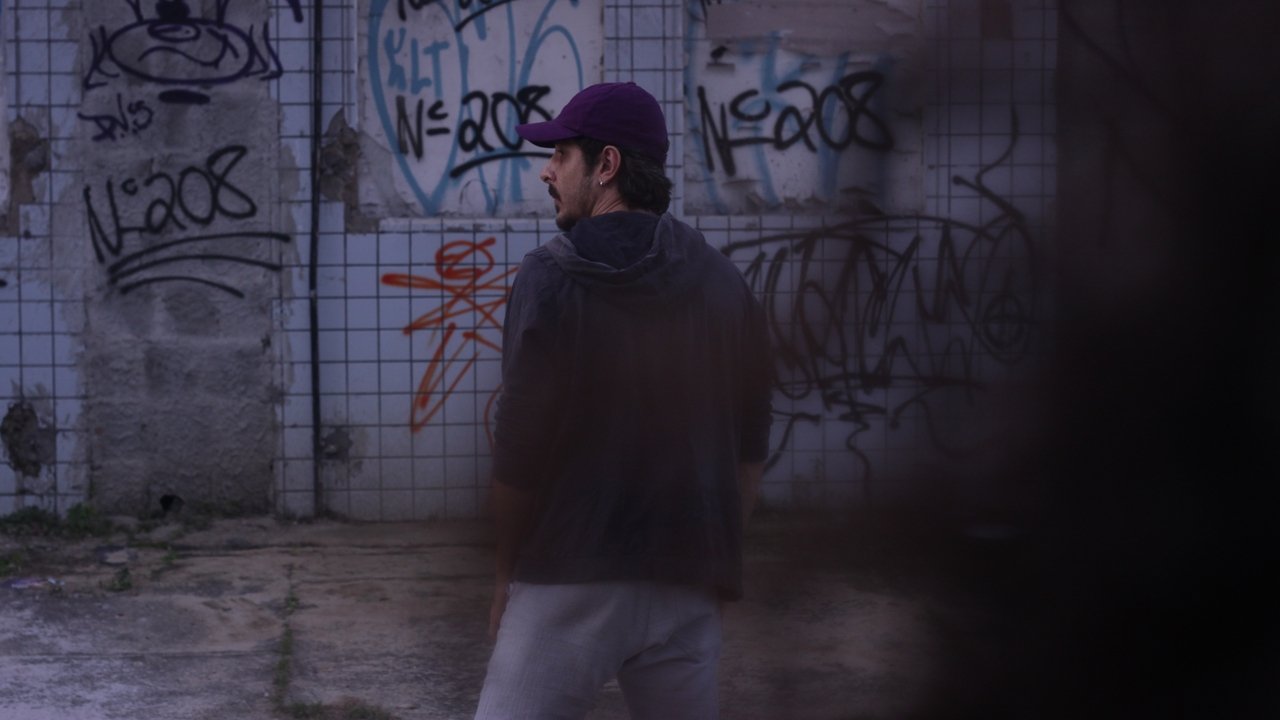
Paulo
Ufólogo
No Trailers found.
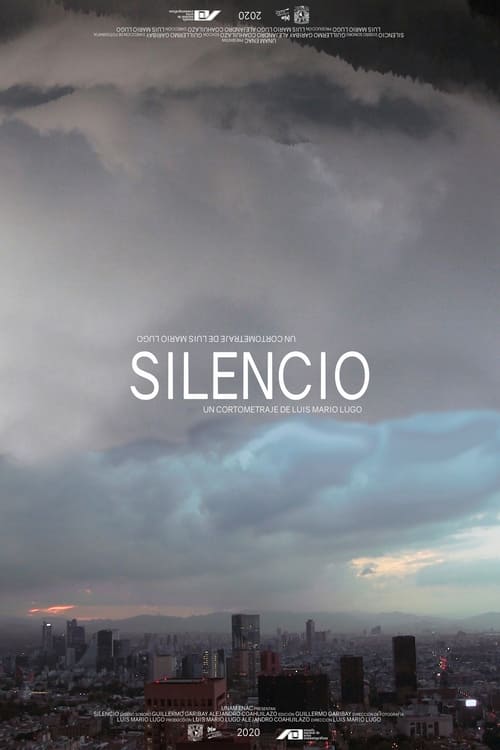
Sound progression of two opposite landscapes.
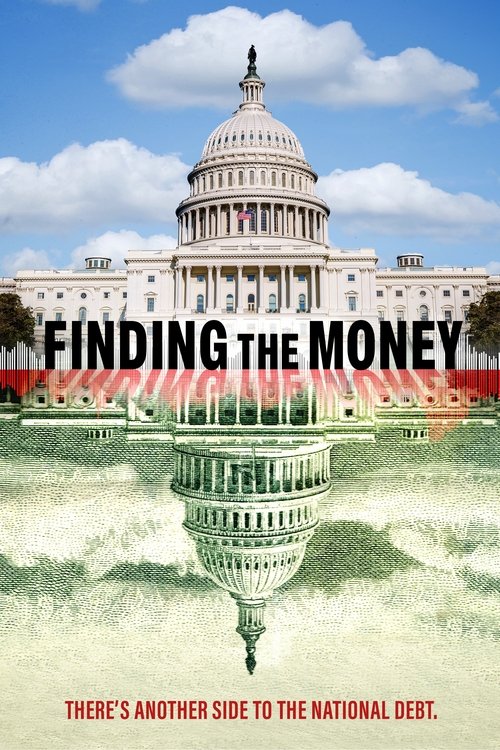
FINDING THE MONEY follows economist Stephanie Kelton on a journey through Modern Money Theory or “MMT”. Kelton provocatively asserts the National Debt Clock that ticks ominously upwards in New York City is not actually a debt for us taxpayers at all, nor a burden for our grandchildren to pay back. Instead, Kelton describes the national debt as simply a historical record of the number of dollars created by the US federal government currently being held in pockets, as assets, by the rest of us. MMT bursts into the media with journalists asking, “Have we been thinking about how the government spends money, all wrong?” But top economists from across the political spectrum condemn the theory as “voodoo economics”, “crazy” and “a crackpot theory”. FINDING THE MONEY traces the conflict all the way back to the story we tell about money, injecting new hope and empowering countries around the world to tackle the biggest challenges of the 21st century: from climate change to inequality.
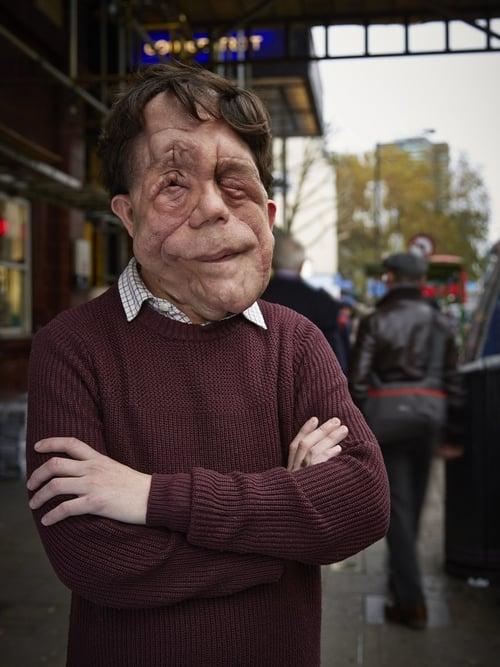
Adam Pearson - who has neurofibromatosis type 1 - is on a mission to explore disability hate crime: to find out why it goes under-reported, under-recorded and under people's radar.
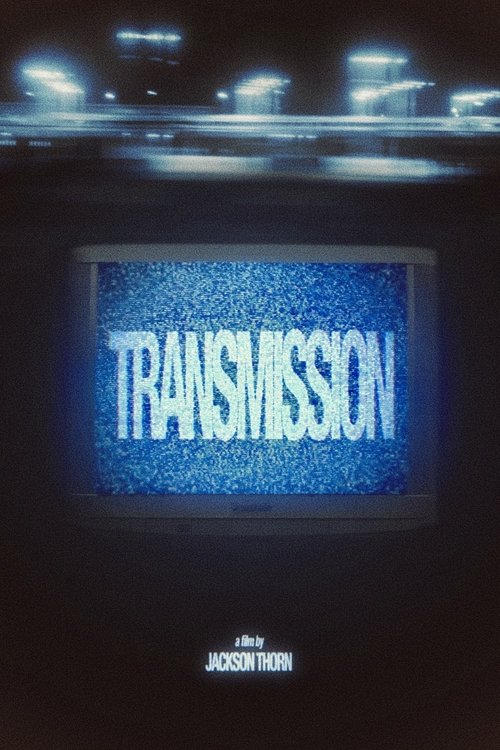
An audio-visual experience through the perspective of an iPhone depicting a harmonious city during the day quickly descend into technological madness as night falls.
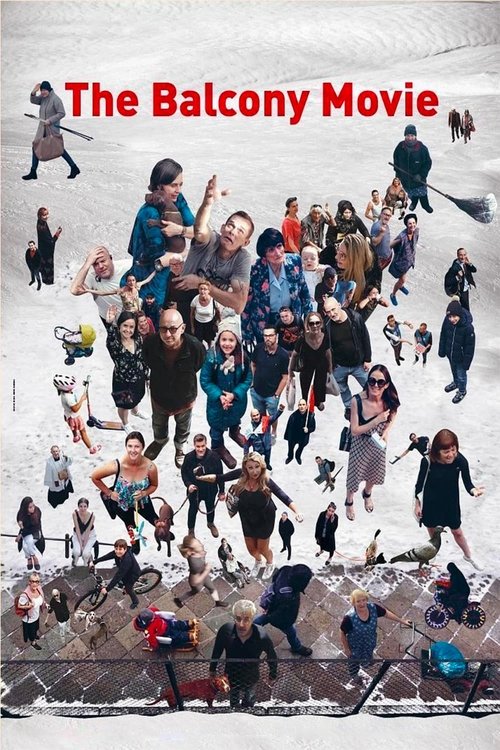
Composed from the conversations that the director holds with people passing by in the street under his Warsaw apartment, each story in 'The Balcony Movie' is unique and deals with the way we try to cope with life as individuals. All together, they create a self-portrait of contemporary human life, and the passers-by present a composite picture of today's world.
Taken in 1896 on the Boulevard (upper Broadway) on the occasion of a bicycle parade in the heyday of the wheeling craze. Old-fashioned horse cars lend interest to the scene.
A visual experiment on the different types of movement in a city.
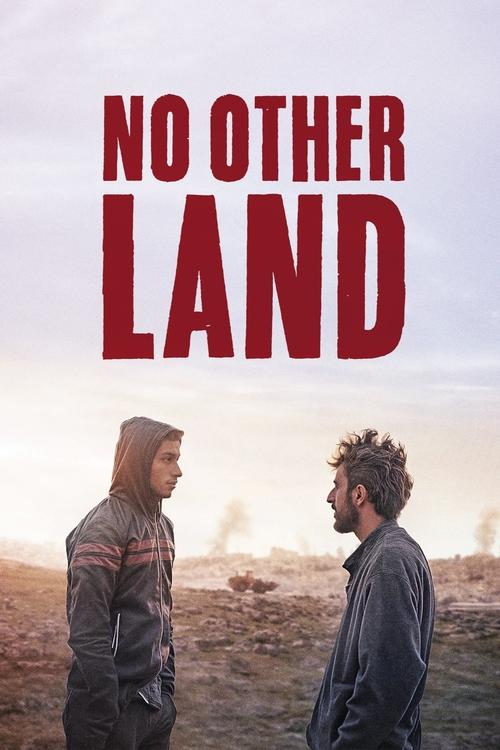
This film made by a Palestinian-Israeli collective shows the destruction of the occupied West Bank's Masafer Yatta by Israeli soldiers and the alliance which develops between the Palestinian activist Basel and Israeli journalist Yuval.
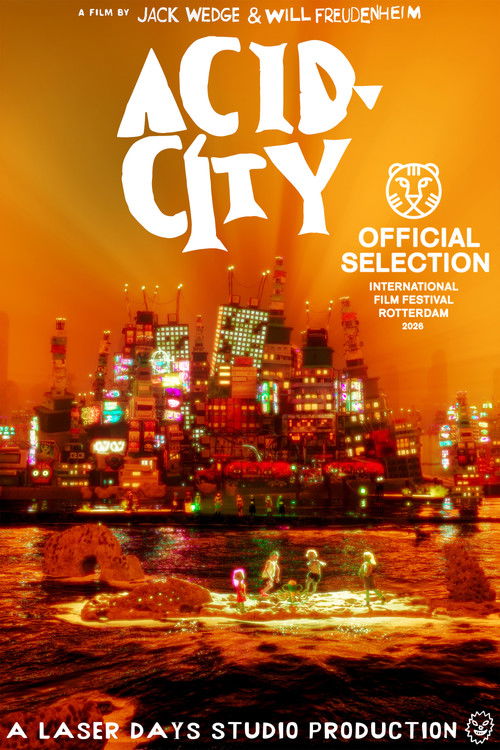
A dystopian future that’s ever nearer, Acid City floats in toxic waters and is left to its own devices. But under the boiling sun, the city weaves together its own social fabric. With audio recordings taken off the streets of NYC, this animation offers us something rare in the face of climate catastrophe: hope.
Istanbul: Chronopolis is an experimental documentary that explores the city as a living organism where the linear flow of time is disrupted and the past and future coexist. Structured around a thematic cycle of birth, speed, and decay, the film uses rhythmic visuals and archival footage to bridge temporal gaps. Through a fourteen-minute mathematical edit, it replaces linguistic narrative with the evocative language of time-lapse and slow-motion cinematography. The project invites the audience to transcend chronological time and experience Istanbul as an eternal moment—an entity existing solely within its own timeless cycle.
In the midst of a profound social conflict, the director, a blind activist based in Canada, returns to her native Chile to follow five activists who embark on a transformative process to dignify their lives.
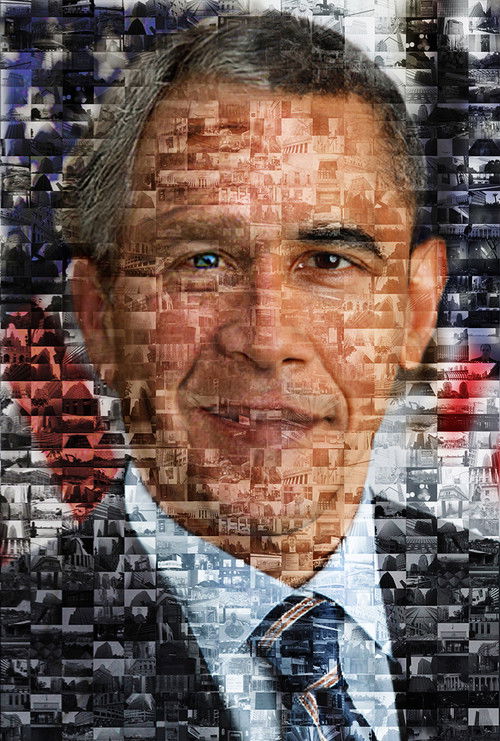
After starting a painting business right before the housing crash, a filmmaker drives over 35,000 miles to track down the people who saw it coming and look ahead to the consequences of a decade of secret bank bailouts and 0% interest.
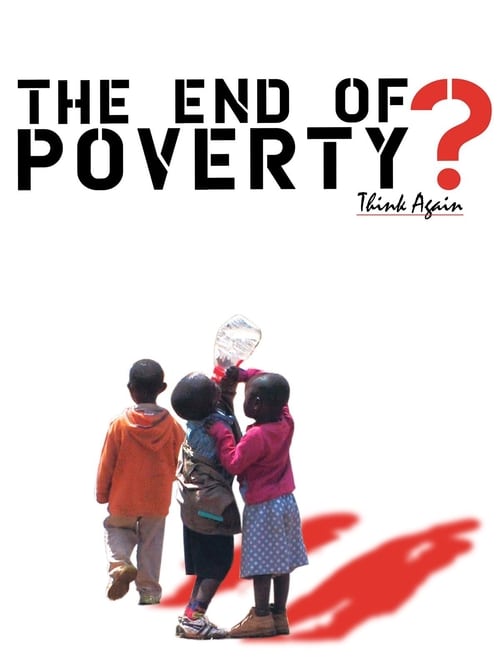
The End of Poverty? asks if the true causes of poverty today stem from a deliberate orchestration since colonial times which has evolved into our modern system whereby wealthy nations exploit the poor. People living and fighting against poverty answer condemning colonialism and its consequences; land grab, exploitation of natural resources, debt, free markets, demand for corporate profits and the evolution of an economic system in in which 25% of the world's population consumes 85% of its wealth. Featuring Nobel Prize winner Amartya Sen and Joseph Stiglitz, authors/activist Susan George, Eric Toussaint, Bolivian Vice President Alvaro Garcia Linera and more.
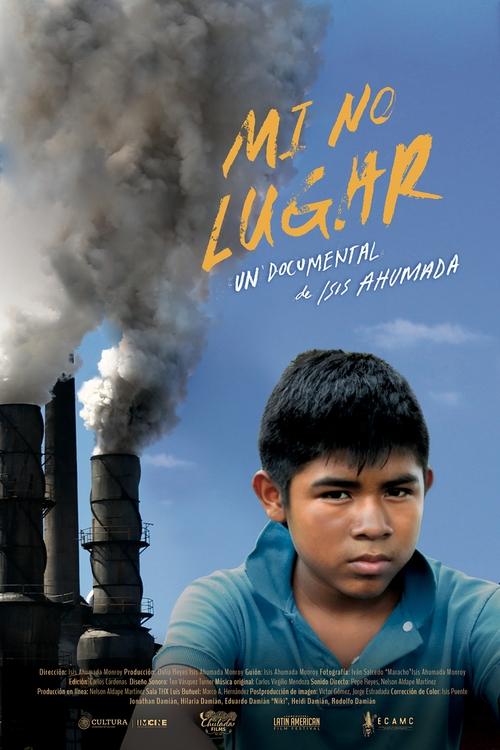
A boy migrates from Guerrero to Colima in Mexico, guided by the illusion of his parents, who want him to study high school. Nevertheless, the inequality barriers force him to work as a sugarcane harvester.
Documentary about the history and development of Qiqihar city.
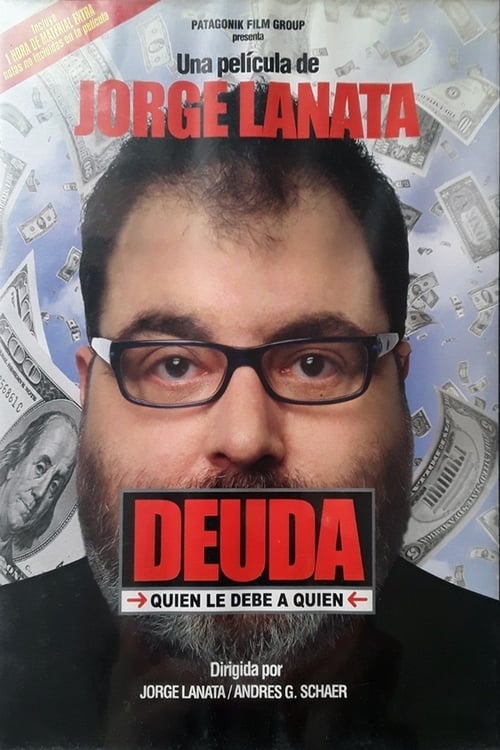
DEBT is the story of a frantic pursuit: the search for the responsible for the televised cry of hunger of Barbara Flores, an eight-year-old Argentinean girl. Buenos Aires, Washington, the IMF, the World Bank and Davos; corruption and the international bureaucratic lack of interest.
Amanda’s perspective on her hometown changes drastically when she discovers that the simplicity and memories in Neves have shaped her true home.
Jamie Johnson takes the exploration of wealth that he began in Born Rich one step further. The One Percent, refers to the tiny percentage of Americans who control nearly half the wealth of the U.S. Johnson's thesis is that this wealth in the hands of so few people is a danger to our very way of life.
No overview available.
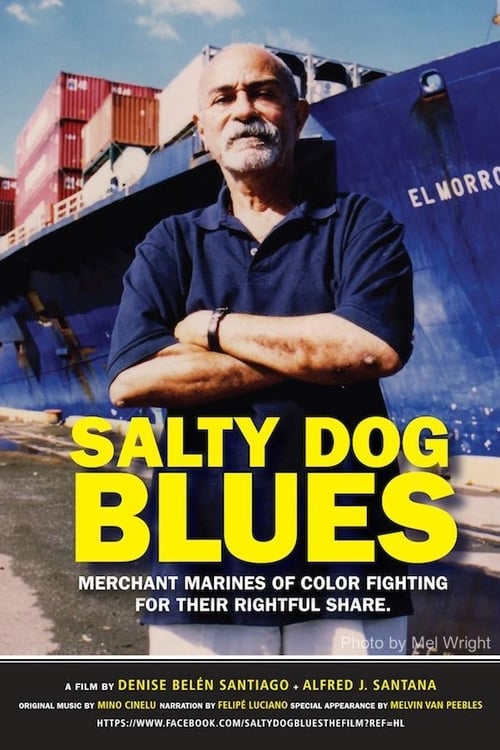
The film looks at men and women of color in the U.S. Merchant Marine from 1938-1975. Through chronicling the lives of these men and women who, with a median age of 82, are beset with a host of life-threatening illnesses, the movie tells how they navigated issues of racism, disparities in the workplace, gender and familial relations.