No Cast found.
No Trailers found.
Traditional Northwestern Indigenous spiritual images combined with cutting-edge computer animation in this surreal short film about the power of tradition. Three urban Indigenous teens are whisked away to an imaginary land by a magical raven, and there they encounter a totem pole. The totem pole's characters—a raven, a frog and a bear—come to life, becoming their teachers, guides and friends. Features a special interview with J. Bradley Hunt, the celebrated Heiltsuk artist on whose work the characters in Totem Talk are based.
This short documentary revisits Mi’kmaq territory, where an iconic moment was captured in 2013—igniting into a symbol of Indigenous resistance and halting fracking exploration on unceded lands.
Tom E Lewis knows he must die with all of his Songs. After years of haunting silence, he returns to his Grandmothers’ country to seek the permission of the Jungayi (Lawmen) to learn Thumbul corroboree (Morning Star). With the family’s blessing through ceremony, the spirits, stars and ancestors help Tom prepare to find the mysterious Sandy Island of Maawirrangga by singing.
No overview available.
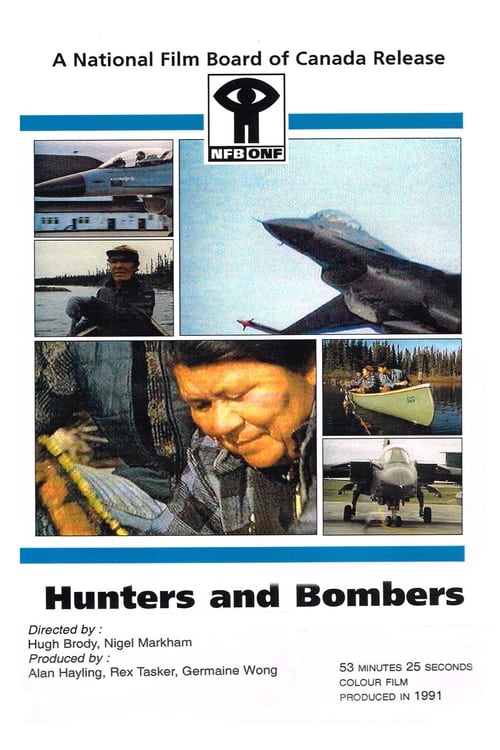
The hunters are the Innu people and the bombers are the air forces of several NATO countries, which conduct low-level flights over the Innu's hunting terrain. The impact of the jets is hotly debated by peace groups, Indigenous people, environmentalists and the military. But what is often overlooked are the many complex changes underway in Innu society, as social and technological changes confront a traditional hunting culture.
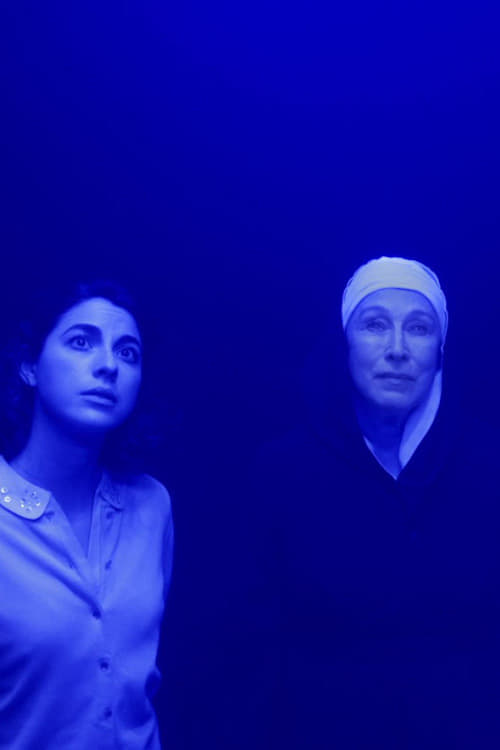
Directed by Ariane Louis-Seize, this tribute film was created as a gift for Lorraine Pintal, director of Montreal’s Théâtre du Nouveau Monde. Featuring some of the most memorable characters and performers of Pintal’s career, the film’s succession of surreal scenes from different dramatic worlds introduces viewers to the exceptional woman of theatre, stage director, and friend whom they consider to be the “ghost light” of Quebec theatre.
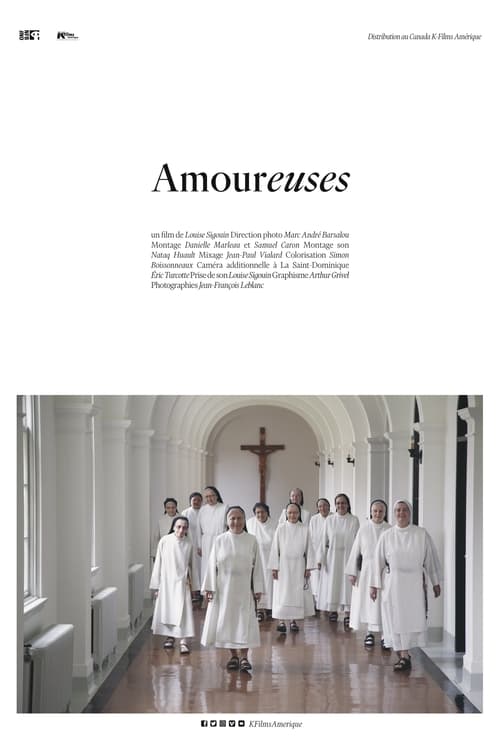
For the first time, cloistered sisters agree to be filmed for one year in all aspects of their lives. The nuns of Berthierville, the only Francophone community of Dominican nuns in North America for nearly a century, engage in a rare and unique documentary in which exceptional testimonies and archives intermingle.
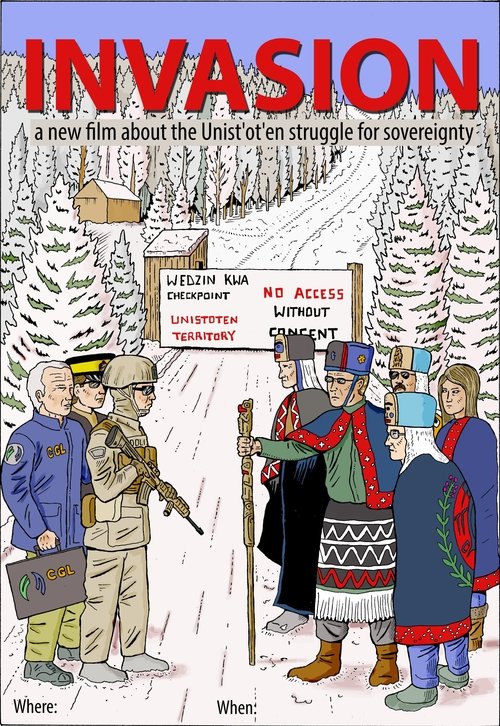
In this era of "reconciliation", Indigenous land is still being taken at gunpoint. INVASION is a new film about the Unist'ot'en Camp, Gidimt'en checkpoint, and the Wet'suwet'en Nation standing up to the Canadian government and corporations who continue colonial violence against indigenous people.
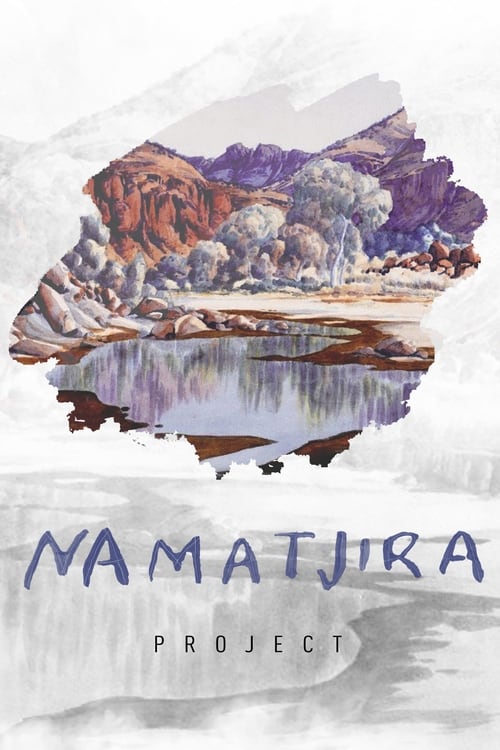
From the remote Australian desert to the opulence of Buckingham Palace - Namatjira Project is the iconic story of the Namatjira family, tracing their quest for justice.
The people of Unamenshipu (La Romaine), an Innu community in the Côte-Nord region of Quebec, are seen but not heard in this richly detailed documentary about the rituals surrounding an Innu caribou hunt. Released in 1960, it’s one of 13 titles in Au Pays de Neufve-France, a series of poetic documentary shorts about life along the St. Lawrence River. Off-camera narration, written by Pierre Perrault, frames the Innu participants through an ethnographic lens. Co-directed by René Bonnière and Perrault, a founding figure of Quebec’s direct cinema movement.
This feature-length film tells the story of the passion between Marie de l’Incarnation, a mid-seventeenth-century nun and God, her "divine spouse." Fusing documentary and acting by Marie Tifo, whom we follow as she rehearses for this demanding role, the film paints an astonishing portrait of this mystic who abandoned her son and left France to build a convent in Canada, where she became the first female writer in New France.
When the immigrants came to America, their cultures entered the "great melting pot." In Michigan's Upper Peninsula Finnish immigrants mixed their musical traditions with many other cultures, creating a sound that was unique to the "Copper Country."
Ten years after an enormous open-pit gold mine began operations in Malartic, the hoped-for economic miracle is nothing more than a mirage. Filmmaker Nicolas Paquet explores the glaring contrast between the town’s decline and the wealth of the mining company, along with the mechanisms of an opaque decision-making system in which ordinary people have little say. Part anthropological study, part investigation into the corridors of power, Malartic addresses the fundamental issue of sustainable and fair land management.
Two friends, both Indigenous fishermen, are driven to desperation by a dying sea. Their friendship begins to fracture as they take very different paths to provide for their struggling families.
Red Fever is a witty and entertaining feature documentary about the profound -- yet hidden -- Indigenous influence on Western culture and identity. The film follows Cree co-director Neil Diamond as he asks, “Why do they love us so much?!” and sets out on a journey to find out why the world is so fascinated with the stereotypical imagery of Native people that is all over pop culture. Why have Indigenous cultures been revered, romanticized, and appropriated for so long, and to this day? Red Fever uncovers the surprising truths behind the imagery -- so buried in history that even most Native people don't know about them.
Documents the cultural and ecological impacts of coal stripmining, uranium mining, and oil shale development in Utah, Colorado, New Mexico, and Arizona – homeland of the Hopi and Navajo.
An experimental look at the origin of the death myth of the Chinookan people in the Pacific Northwest, following two people as they navigate their own relationships to the spirit world and a place in between life and death.
A deep dive into the history of the Canadian Government and the Department of National Defence leasing First Nations reserves as practice bombing ranges during World War I and World War II. This documentary follows the Enoch Cree Nation's process of developing it's land claim against the Canadian Government following the discovery of active landmines in the heart of the nation's cultural lands and golf course in 2014, almost 70 years later.
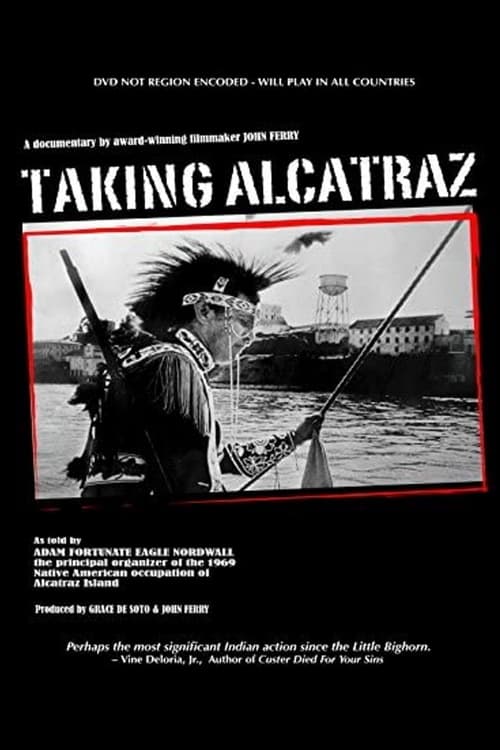
A documentary account by award-winning filmmaker John Ferry of the events that led up to the 1969 Native American occupation of Alcatraz Island as told by principal organizer, Adam Fortunate Eagle. The story unfolds through Fortunate Eagle's remembrances, archival newsreel footage and photographs.
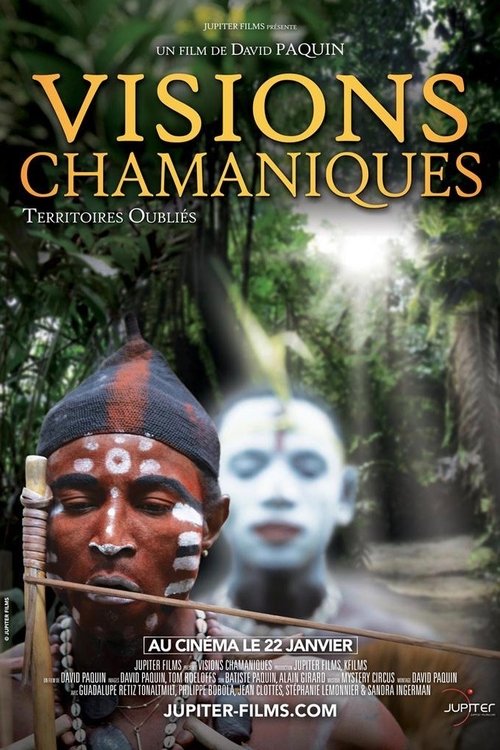
This film is an initiatory journey among the Fangs of Gabon and the Shipibos of Peru. With the sound of traditional instruments like the mogongo (arc in the mouth), the holy harp, and the Icaros, we discover the traditional peoples’ wisdom.