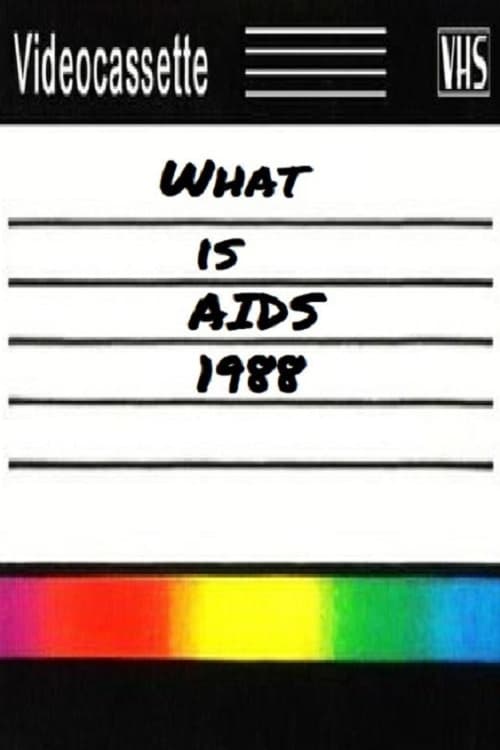
One of the most controversial subjects of the 1980s, the AIDS epidemic ended thousands of lives across America. This video, entitled What is AIDS helps educate the youth of America about the deadly disease.
No Trailers found.
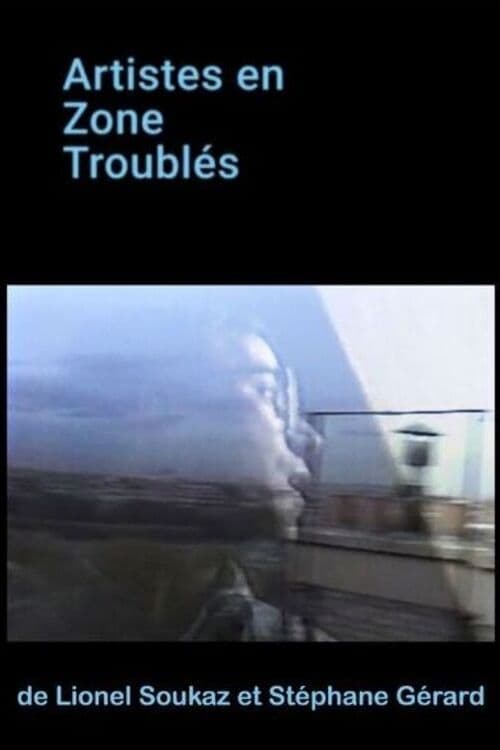
Daily spleen, drunkenness among friends, conversations and the passage of time: the video diaries composed by Lionel Soukaz chronicle the early 1990s, the comet tail of those never-ending winter years and the nightmare of the AIDS years. But edited thirty years later with Stéphane Gérard, they are also a tribute to Hervé Couergou, the beloved partner at the center of all the filmed scenes. Slowly, in conversations between couples and friends, the dandy spirit and intimate confession overlap. What emerges is a portrait of a way of dealing with the times and their pain, which, beneath the act of commemoration, seeks to inscribe a living presence.
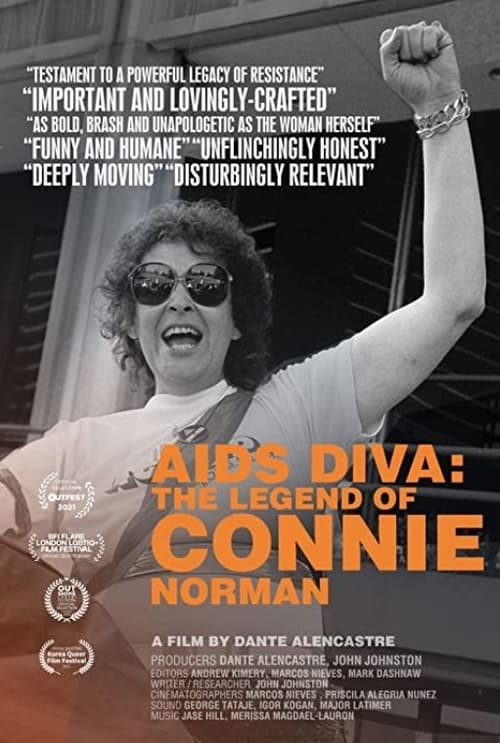
Seizing her power as she confronts her mortality, trailblazing trans activist Connie Norman evolves as an irrepressible, challenging and soulful voice for the AIDS and queer communities of early 90's Los Angeles.
An exploration of the interconnected experiences of queerness and illness, this film navigates personal and collective journeys through medical spaces, sexual violence, and survival, displays the profound impact on body and identity.
A group of teenagers who have been selected to participate in a recreational white water rafting trip. All of the kids selected have AIDS or have been infected with the HIV virus. At some point during the trip, all the kids tell their stories and share their feelings about what their lives have been like since being infected with the virus and how they struggle to live normal lives with a hope of a cure in the future.
"Panic Bodies is a 70-minute, six-part exploration of the ways we experience the body's betrayals: disease, decline and death. The film is a panorama of emotionally charged recollections of strange relatives and estranged siblings, staged recreations of fast-fading pasts and personal mythologies, and reflections on the anxious states created by the body's fragile claims on time and space. It's about being a stranger in your own skin. Panic Bodies perfects the phantom quality of any good work about mourning, but it is not reducible to that. It is also enlivened by the intimacy that comes from having made a spectacle of personal secrets." (Kathleen Pirrie Adams, Xtra)
This film tells the story of the unknown pre-history of the AIDS virus, long before people started to die in the US and Europe. Following a team of scientists we uncover a forgotten medical archive in the Democratic Republic of Congo, that tells of an epidemic a full two decades before anyone knew about the novel killer. From high-tech labs in the US to African medics who have their boots on the ground, we trace HIV back to its origin in the jungles of Cameroon. In the decades around the turn of the 20th century, colonialism fundamentally changed the lives of millions of people in central Africa; it created an environment that allowed HIV to leave its original host, the chimpanzee, and start to spread in humans.
The voices of five gay men who cruised for sex at the World Trade Center in the 1980s and 1990s haunt the sanitized, commerce-driven landscape that is the newly rebuilt Freedom Tower campus.
Learning can be fun! This package of woman-to-woman safer sex videos features a spicy batch of public service announcements (PSAs) and an international sampling of smart and sexy erotic videos, including Girls Will Be Boys, a drag king date where they skip dinner and a movie; and the silent horror spoof, Cunt Dykula. She's Safe! also features excerpts from Well Sexy Women, the first British-produced lesbian sate sex video; and excerpts from the bold, German-produced Truth or Dare. She's Safe! contains the hottest and most educational safe sex videos ever compiled.
Controversial documentary about gay men purposely contracting the AIDS virus.
The story behind the Uganda-based YouTube dance sensations who have endured devastating personal loss from famine and war, and use the power of dance and song to overcome hardship.
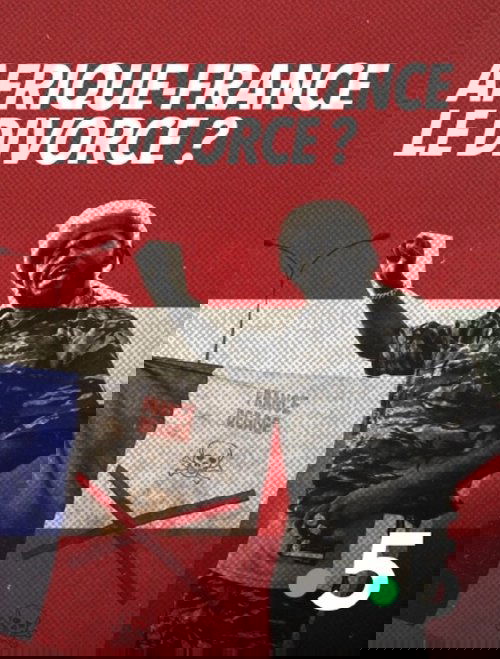
At a time when French flags are being burned and French embassies targeted, this documentary delves into the growing disaffection between French-speaking Africa and the former colonial power. Through the voices of African leaders, pan-African activists, and committed young people, the film questions the persistence of a relationship marked by the aftermath of colonization, the opaque agreements of "Françafrique," and a military presence deemed paternalistic.
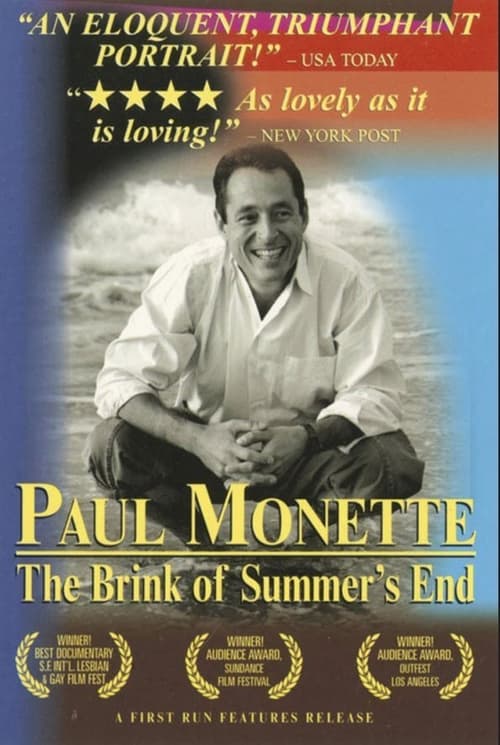
Narrated by Linda Hunt, this documentary examines the life of the late author and gay rights activist Paul Monette. Born in 1945 to a well-off Massachusetts family, Monette grows up unable to accept his homosexuality, for years hiding it from his loved ones while struggling to develop as a writer. In 1978, Monette publishes his first novel, which allows him to come out to his parents. After losing one lover to AIDS in 1986, he becomes a ferocious advocate for awareness of the disease.
German iconoclast filmmaker and gay-rights activist Rosa vonPraunheim examines his own life and career in the documentary Phooey Rosa! With a quickly paced editing style, the film is a mix of personal banter, candid interviews, and clips from his filmography. It also includes footage from his early film Bed Sausage to his later work Neurosia. At the age of 60, vonPraunheim reveals intimate details about his past relationships and his childhood growing up after WWII. He also implicates some of his friends and inspirations, including Luzi Kryn and Rainer Kranach.
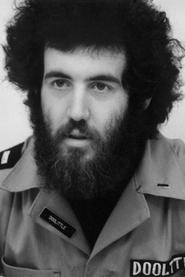
One of the earliest documentaries to deal with AIDS.
Alvin Ailey was a visionary artist who found salvation through dance. Told in his own words and through the creation of a dance inspired by his life, this immersive portrait follows a man who, when confronted by a world that refused to embrace him, determined to build one that would.
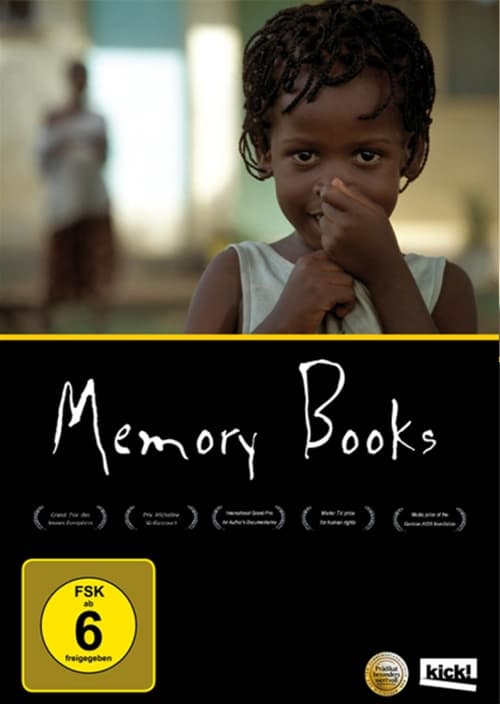
In Uganda, AIDS-infected mothers have begun writing what they call Memory Books for their children. Aware of the illness, it is a way for the family to come to terms with the inevitable death that it faces. Hopelessness and desperation are confronted through the collaborative effort of remembering and recording, a process that inspires unexpected strength and even solace in the face of death.
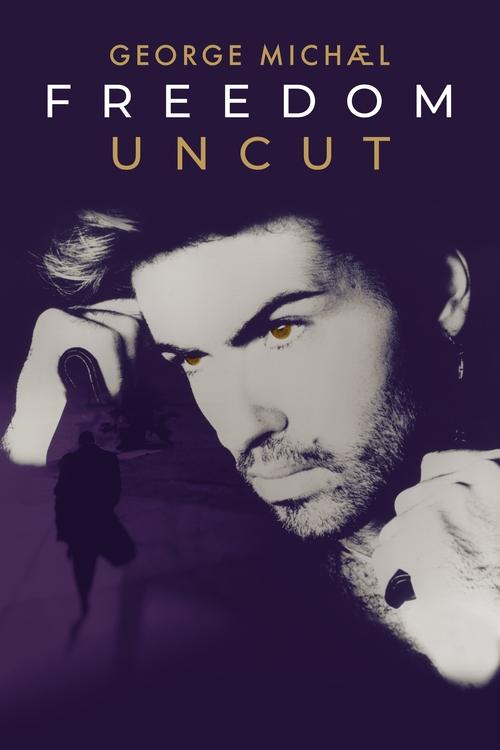
Freedom Uncut chronicles the tumultuous — yet creatively fruitful — period of George Michael’s life and career following the release of his 1987 solo debut, Faith, then through the creation and release of his 1990 follow-up Listen Without Prejudice, Vol. 1. Along with documenting his creative efforts during this period, the doc will also explore his relationship with Anselmo Feleppa — who died from AIDS-related complications — as well as the death of Michael’s mother.
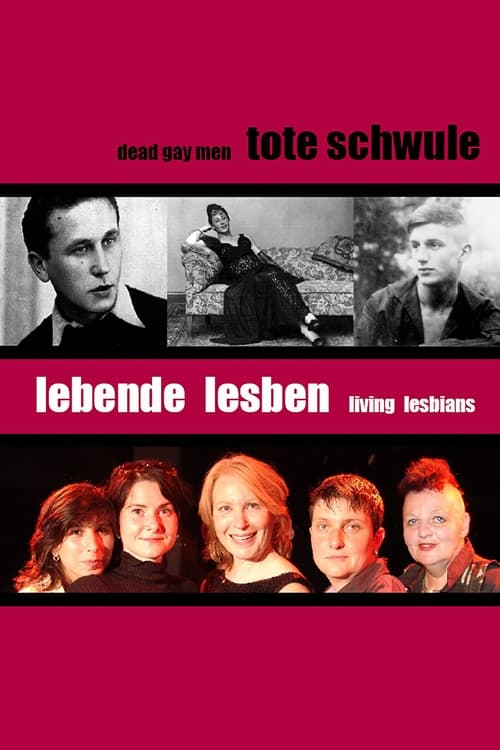
As a result of the Holocaust and later, AIDS, the male homosexual community has sustained bitter losses and, according to Praunheim, lesbian women have now placed themselves at the head of the so-called queer movement. The female protagonists in the film represent two different generations; they also incorporate the past and present status of homosexuals in society.
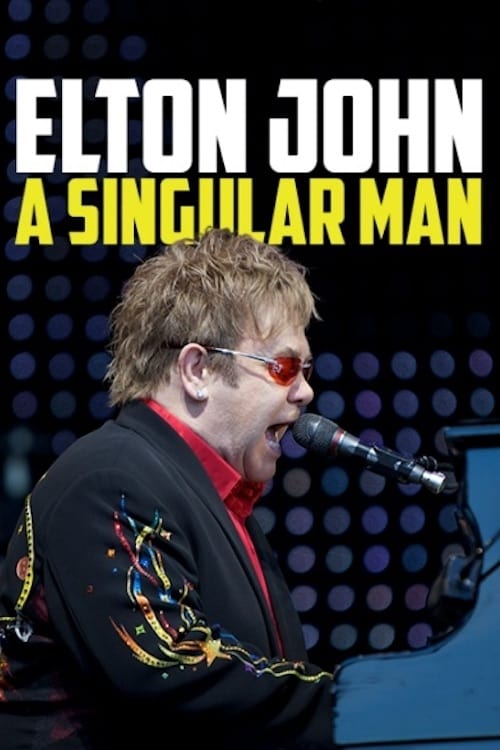
An in-depth portrait of British composer, pianist and singer Elton John, pop star and myth of modern culture.
After a quarter-century of political denial and social stigma, of stunning scientific breakthroughs, bitter policy battles and inadequate prevention campaigns, HIV/AIDS continues to spread rapidly throughout much of the world. Through interviews with AIDS researchers, world leaders, activists, and patients, FRONTLINE investigates the science, politics, and human cost of this fateful disease and asks: What are the lessons of the past, and what can be done to stop AIDS?
Paul
Trish
Jason