As World War II looms, Pope Pius XI calls on a humble American priest to help him challenge the evils of Nazism and anti-Semitism. But death intervenes, and Pope Pius XII now carries out a very different response to Hitler and the Holocaust.
In April of 1945, Germany stands at the brink of defeat with the Russian Army closing in from the east and the Allied Expeditionary Force attacking from the west. In Berlin, capital of the Third Reich, Adolf Hitler proclaims that Germany will still achieve victory and orders his generals and advisers to fight to the last man. When the end finally does come, and Hitler lies dead by his own hand, what is left of his military must find a way to end the killing that is the Battle of Berlin, and lay down their arms in surrender.
In 1924, Oskar Matzerath is born in the Free City of Danzig. At age three, he falls down a flight of stairs and stops growing. In 1939, World War II breaks out.
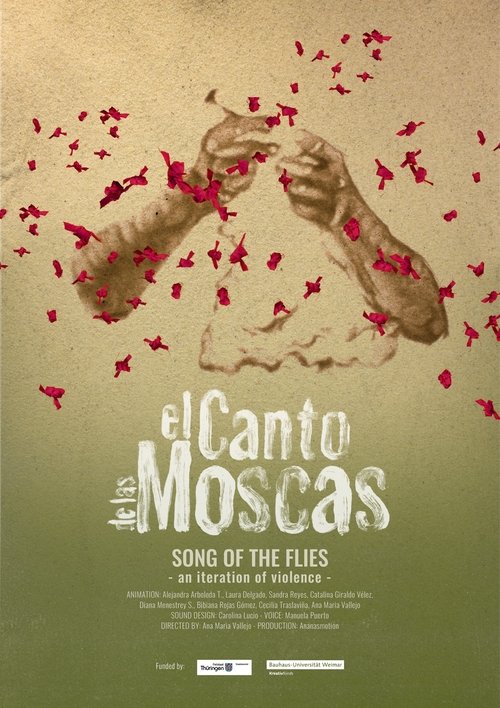
The experimental animated film Song of the Flies (El Canto de las Moscas), translates the desolation caused by the violence of the Colombian armed conflict through the poetic voice of Maria Mercedes Carranza (1945–2003) and the audiovisual dialogue between 9 Colombian women. In 24 places, as a transit over the course of a day (Morning, Day, Night) a map of terror is drawn where massacres took place in Colombia in the 1990s. Archival images, the artists’ personal memories and the use of loops and analogue materials bring to life the landscapes ravaged by violence and build a polyphony of memory and mourning, a universal song of pain.
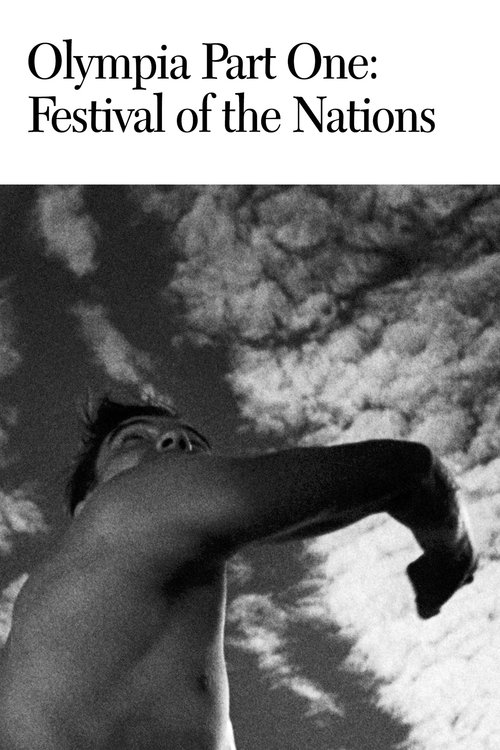
Starting with a long and lyrical overture, evoking the origins of the Olympic Games in ancient Greece, Riefenstahl covers twenty-one athletic events in the first half of this two-part love letter to the human body and spirit, culminating with the marathon, where Jesse Owens became the first track and field athlete to win four gold medals in a single Olympics.
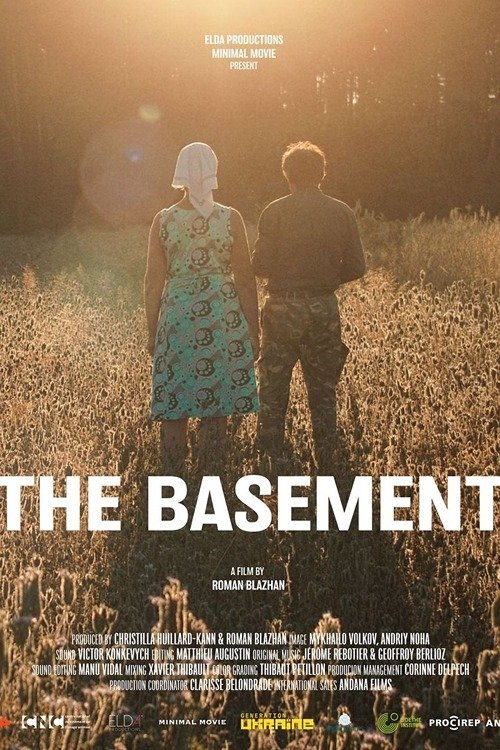
The village of Yahidne in northern Ukraine is coming back to life. Dogs are running around. Gardens and crops are green again. People support one another and families have reunited. In a movement of solidarity, local youth help rebuild what was devastated a year ago when Russian troops occupied the village imprisoning the villagers in the school's basement for a month. The villagers' attitudes alternate between their desire to move forward an remembering the horrors of the past. A heartwarming tribute to resilience and unity.
A forensic investigation into the impact of Israeli military operations on Gaza’s healthcare system. This urgent documentary examines evidence of widespread destruction across the territory’s medical infrastructure, where all 36 main hospitals have reportedly been damaged or destroyed. Hundreds of healthcare workers — including doctors and surgeons — are known to have been killed, injured or detained, with some alleging imprisonment and mistreatment
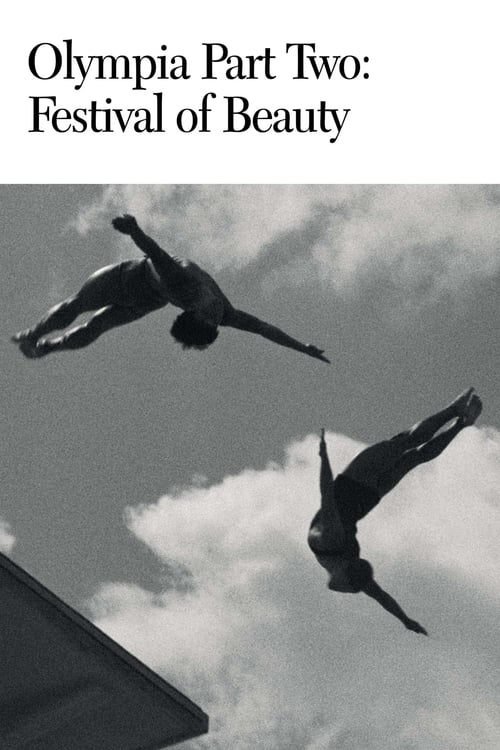
Part two of Leni Riefenstahl's monumental examination of the 1938 Olympic Games, the cameras leave the main stadium and venture into the many halls and fields deployed for such sports as fencing, polo, cycling, and the modern pentathlon, which was won by American Glenn Morris.
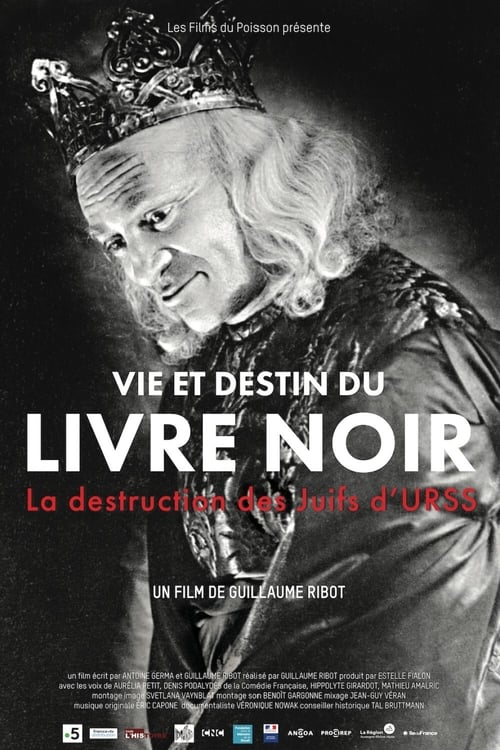
The Black Book, drafted during World War II, gathers numerous unique historical testimonies, in an effort to document Nazi abuses against Jews in the USSR . Initially supported by the regime and aimed at providing evidence during the executioners’ trials in the post-war era, the Black Book was eventually banned and most of its authors executed on Stalin’s order. Told through the voices of its most famous instigators, soviet intellectuals Vassilli Grossman, Ilya Ehrenburg and Solomon Mikhoels, the documentary, provides a detailed account of the tragic destiny of this cursed book and puts the Holocaust and Stalinism in a new light.
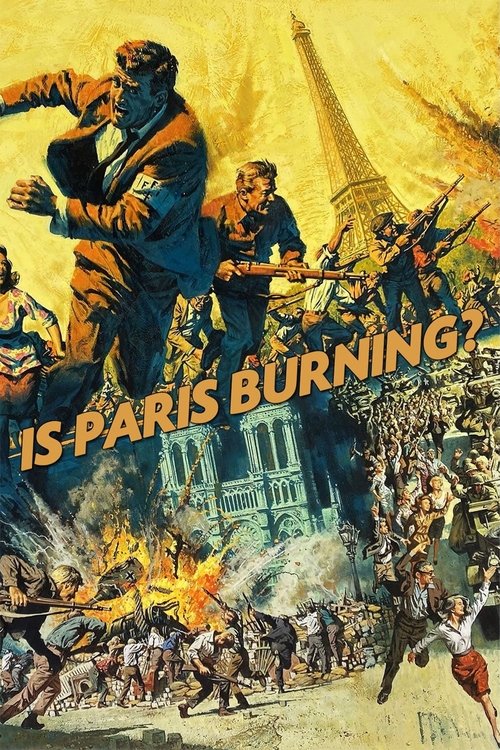
Near the end of World War II, Gen. Dietrich von Choltitz receives orders to burn down Paris if it becomes clear the Allies are going to invade, or if he cannot maintain control of the city. After much contemplation Choltitz decides to ignore his orders, enraging the Germans and giving hope to various resistance factions that the city will be liberated. Choltitz, along with Swedish diplomat Raoul Nordling, helps a resistance leader organize his forces.
Nagyvárad, Hungary, 1944. From February to June, Eva Heyman, a 13-year-old Jewish girl, wrote a diary describing the harsh conditions of her life under Nazi occupation. How would she have told her story if she had used Instagram?
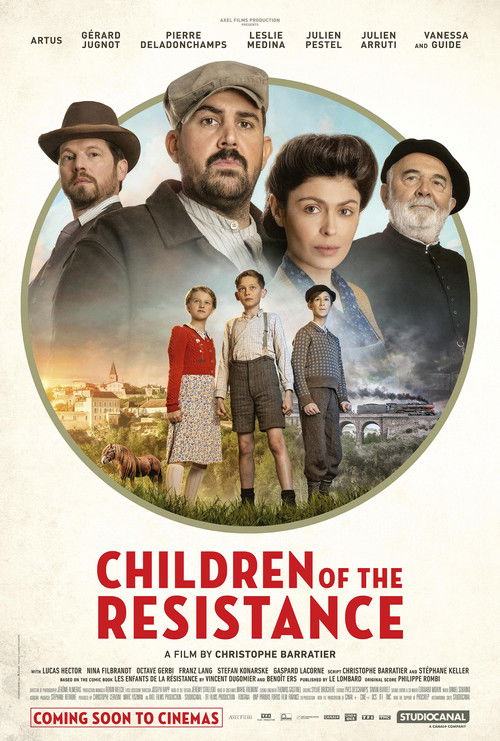
During the German occupation of World War II, François, Eusèbe, and Lisa, three courageous children, embark on a secret adventure: resisting the Nazis in the heart of France. Through sabotage, hidden messages, and perilous escapes, they carry out clandestine actions right under the enemy's nose. Daring and friendship are their only weapons in the fight against injustice.
Portrait of Marceline Loridan-Ivens, a writer and filmmaker who survived the Holocaust.
Ajay Dixit, an ordinary history teacher in a high school, enjoys mini celebrityhood in his town courtesy of the fake image he has built. He shares a strained relationship with his newly-wed wife. Circumstances force him to take a trip to Europe for the World War II trail accompanied by his wife. Will his relationship with his wife survive this trip? Will he manage to win the war within?
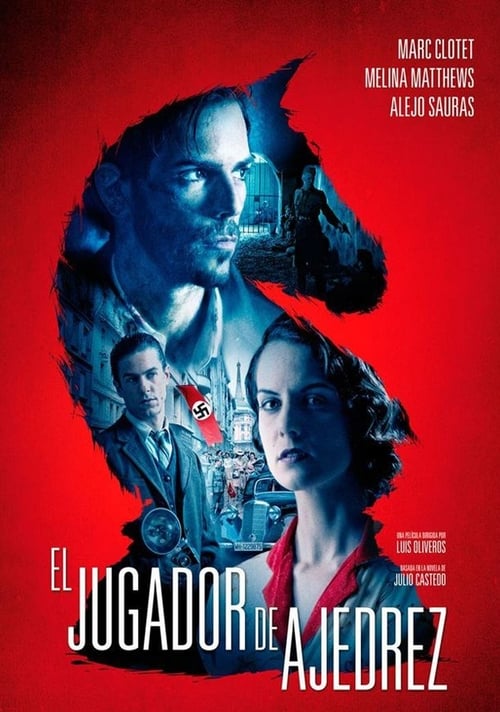
In 1934 Diego Padilla wins the Spanish Championship of Chess and meets a French journalist, Marianne Latour, and they fall in love. At the end of the Civil War, Marianne convinces Diego to live in France with their daughter, where shortly afterwards Diego will be accused of spying by the Nazis and imprisoned in an SS prison. In prison, Diego will try to survive in a hostile environment thanks to Colonel Maier's passion for chess.
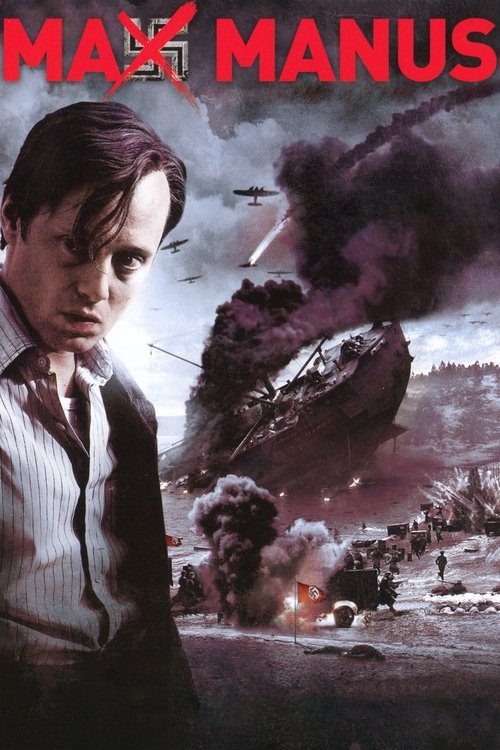
Max Manus is a Norwegian 2008 biographic war film based on the real events of the life of resistance fighter Max Manus (1914–96), after his contribution in the Winter War against the Soviet Union. The story follows Manus through the outbreak of World War II in Norway until peacetime in 1945.
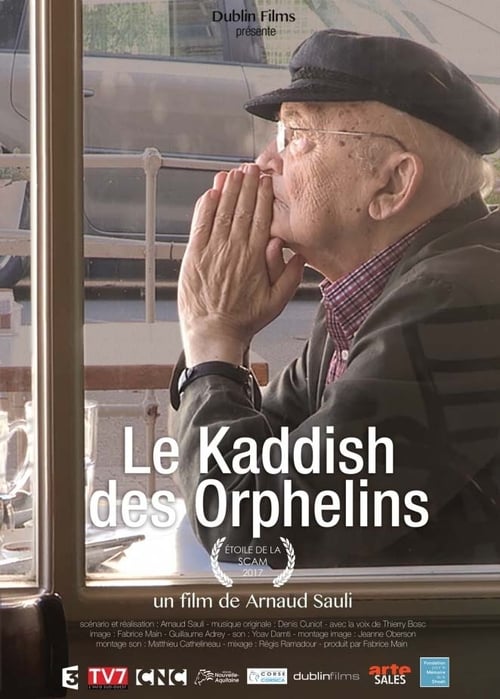
An elderly man is working tirelessly to revive the Jewish world lost in the Holocaust. His name is Aharon Appelfeld, and he became one of the greatest Jewish writers of our time. Every day, through his murmuring voice and handwriting, the survivors, the children of Ukraine, the peasants of Yiddishland come alive in the tiny office of a Jerusalem apartment. Aharon Appelfeld, solitary, wants to fight this battle to his last breath.
As his son is drafted into the army, a father volunteers months later to serve in the same regiment, determined to protect him from the horrors of war — even if it means never coming home again ...
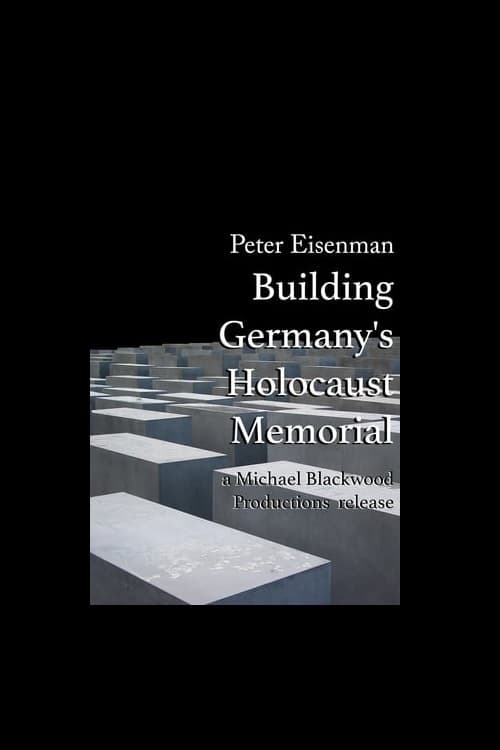
This documentary explores the creation of the Holocaust Memorial in Berlin as designed by architect Peter Eisenman. Reaction of the German public to the completed memorial is also shown.
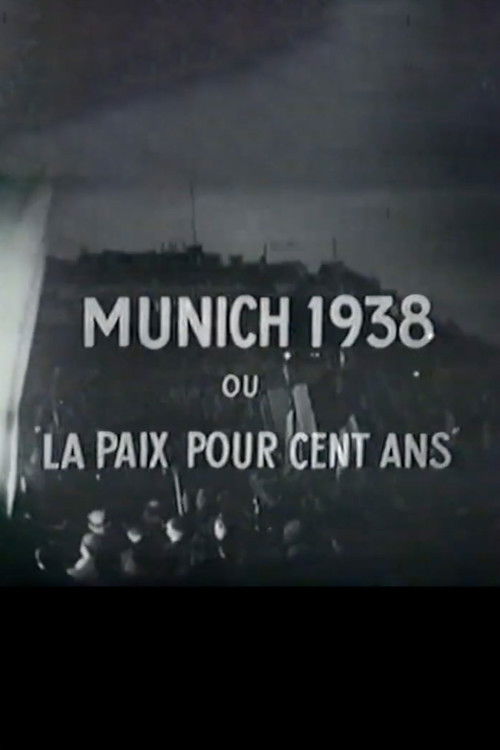
A television documentary directed by Marcel Ophüls examining the Munich Conference of September 28, 1938, when European leaders met to avert the outbreak of war. Through archival documents and interviews, the film reconstructs the political atmosphere surrounding negotiations between Britain and France on one side and Nazi Germany and Fascist Italy on the other, situating the agreement within the broader context of European appeasement in the face of fascism.
No Cast found.
No Trailers found.