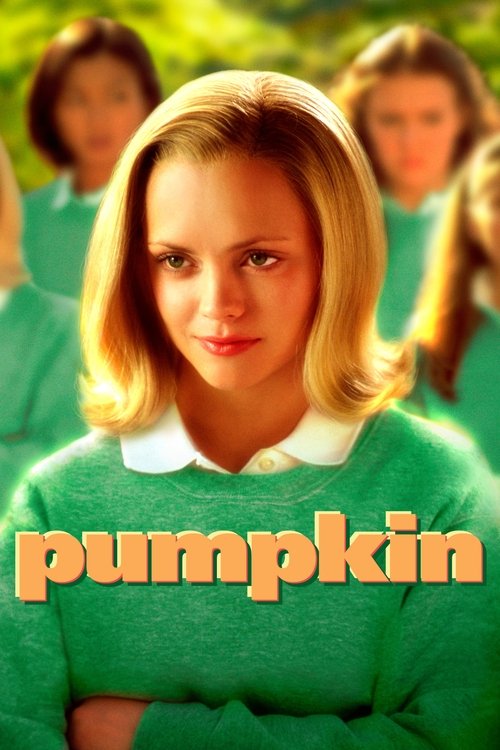
Carolyn's sorority sisters set their sights on the Sorority of the Year award and coaching challenged athletes is their ticket to the trophy. But when the queen of formals finds herself mentoring Pumpkin, a disabled athlete, their two worlds collide.
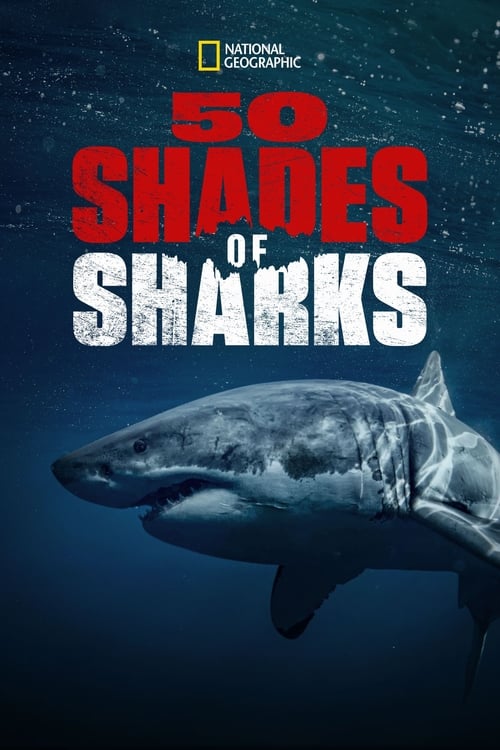
Exploring the private lives of sharks as they hunt, rest, clean and reproduce.
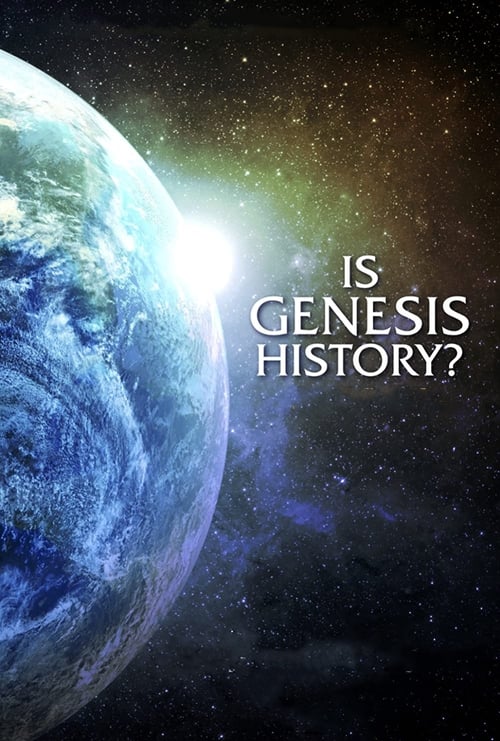
A fascinating new look at the biblical, historical, and scientific evidence for Creation and the Flood. Learn from more than a dozen scientists and scholars as they explore the world around us in light of Genesis. Dr. Del Tackett, creator of The Truth Project, hikes through canyons, climbs up mountains, and dives below the sea in an exploration of two competing views... one compelling truth.
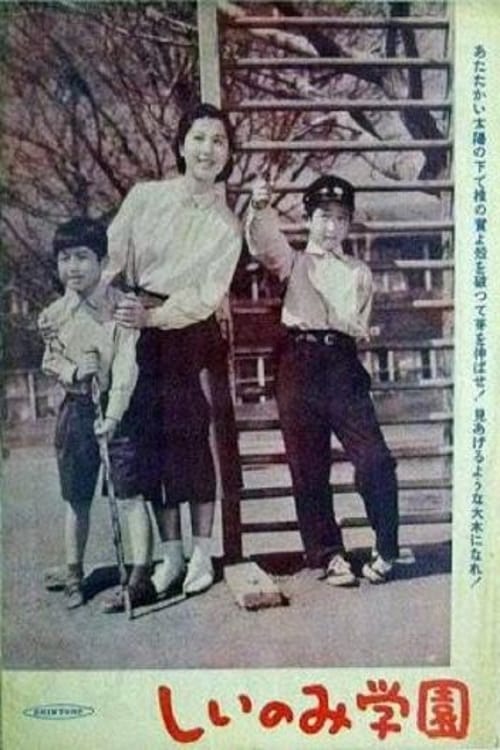
A university professor and his wife have two sons with infantile paralysis. Through trial and error, they struggle to open a school for disabled children at their own expense. Based on a true story, it features natural child performances under Hiroshi Shimizu’s skillful direction.
A 1980s educational video that teaches the view how to communicate more effectively in the workplace.
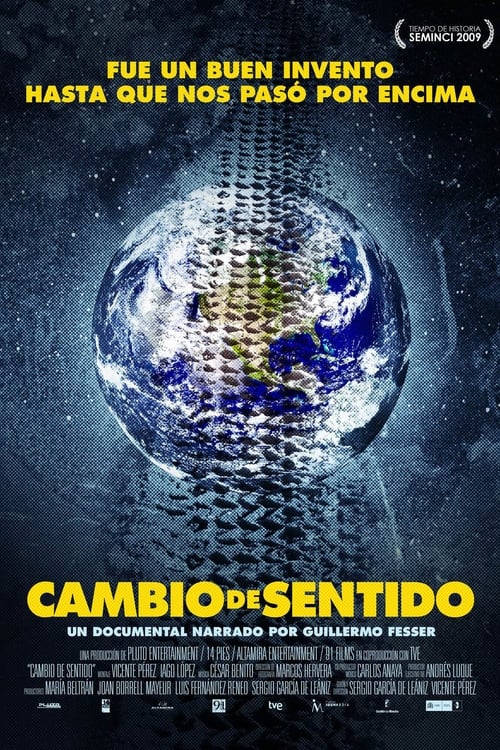
800 million units circulate around the globe. It is the largest contributor to air pollution worldwide and accounts for 8,300 deaths every day. And every night it sleeps in your garage.
Based on the book by Jane Mersky Leder, Dead Serious is an educational documentary that tackles the serious issue of teen suicide.
Following a near-fatal traffic accident, Lizzie's moving out of her mum's care and back to London (or as Mum calls it, the city of death). But Lizzie's going to live.
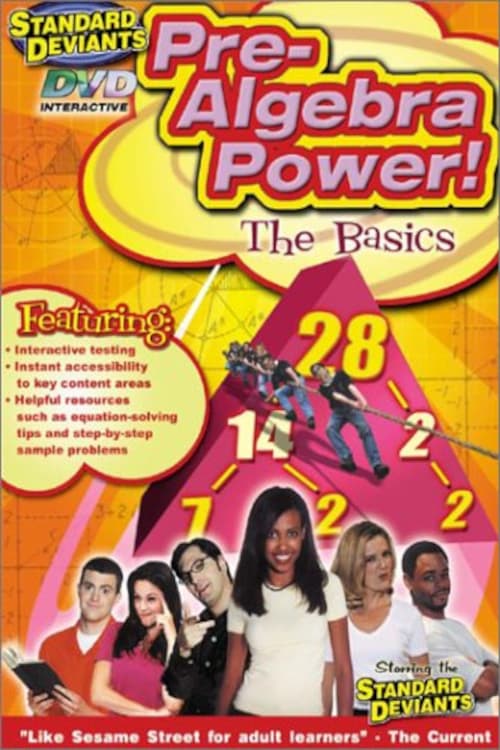
With all those X's and Y's, pre-algebra can be very intimidating. But with the right preparation, pre-algebra is as easy as 1-2-3! Building on your knowledge of basic math, The Standard Deviants eliminate the intimidation factor by presenting the material in an easy-to-understand manner using plenty of examples and computer graphics.
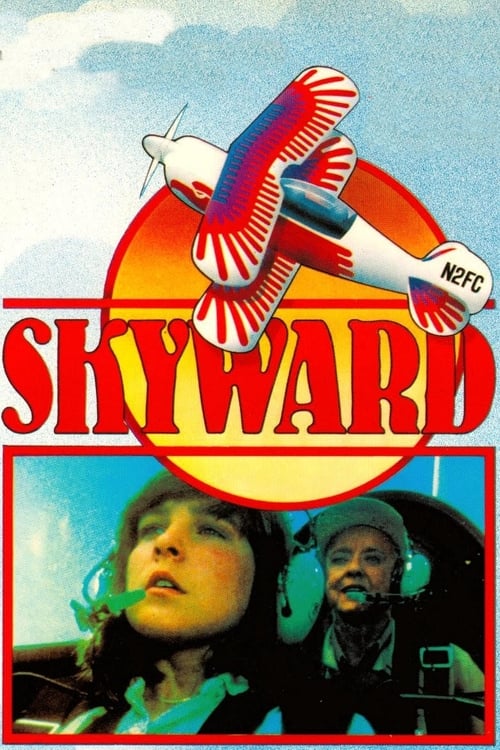
Billie Dupree is a flight instructor at an old Texas airport. When a young girl in a wheelchair finds the airport by watching gliders fly, she decides she wants to learn how to fly. Dupree teaches her to fly with some special controls compensating for her handicap. Koup Trenton runs an aircraft repair service and is trying desperately to get an old airplane back in the air. The three, together, put the young girl and the old plane up in the air.
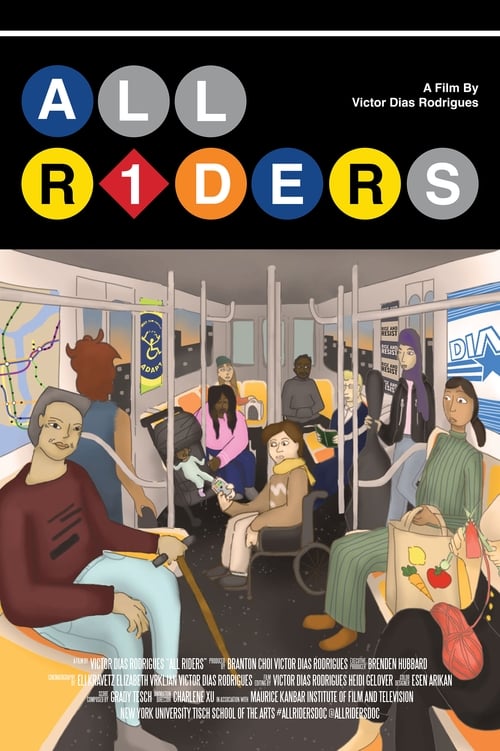
The battle for accessibility in New York City Transit told by those fighting it. Less than a quarter of stations in the city's sprawling subway system are accessible to people with disabilities and those that need elevators. This film takes you on the frontlines of the disability rights movement featuring the perspectives of activists, local and state legislators, transit advocates and MTA officials.
A short documentary where we learn about the endangered lemurs, owls and otters from the Knockhatch Conservation staff.
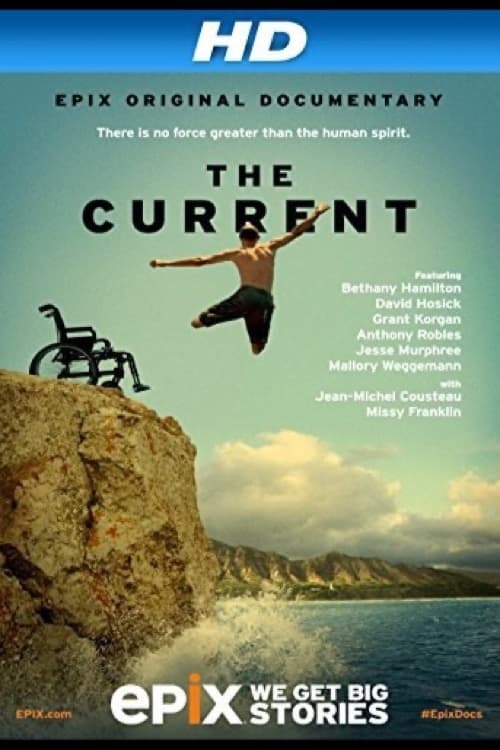
The story of individuals from all walks of life that have faced incredible obstacles, found the drive to overcome their disabilities, and have through water sports become real everyday heroes.
Paweł and Grzegorz, two disabled Poles in their twenties, decide to set up a new radio station for young people. Their friendship is tested when they face disagreements and challenges on how to run their new internet radio show.
This documentary follows the journeys of 11 African women who struggle with polycystic ovarian syndrome. PCOS, a hormonal disorder that can cause irregular periods alongside unwanted physical symptoms, affects 1 in 10 women of childbearing age worldwide. This film highlights the struggles caused by the syndrome through interviews with gynecologists, pastors, public figures, and native African doctors.
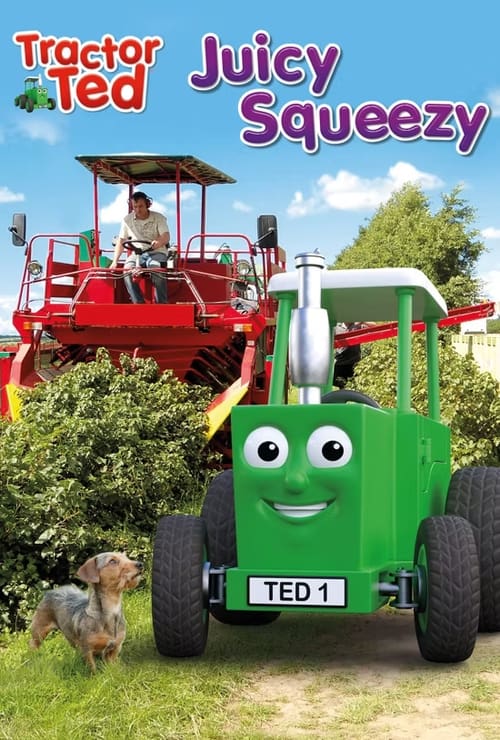
Join Tractor Ted and his real life farm friends Farmer Tom, Midge the dog and Merlin the pony as they discover what’s going on at the farm. Meet some children enjoying a birthday party and find out how blackcurrants are harvested. There are plenty of real tractors and big machines in action, farm animals to discover and catchy songs to sing-along to!
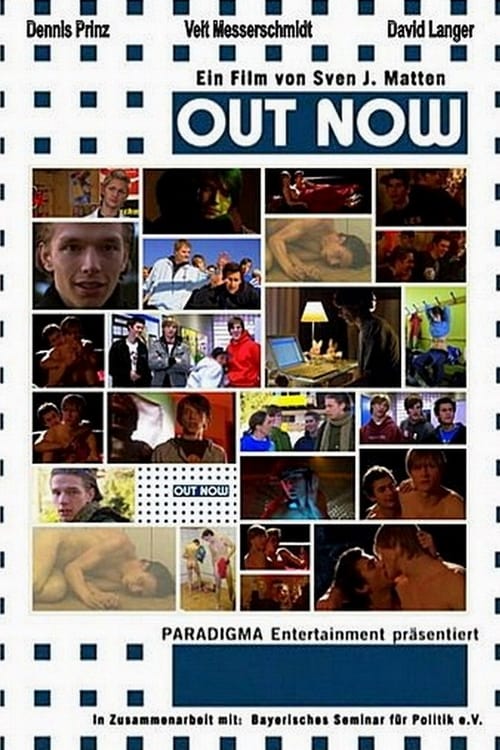
Tom, 16, lives in a small town in Bavaria and is about to admit his homosexuality to society. Being mobbed and threatened in school and after some exiting experiences he overcomes his own barriers and makes his dream come true: getting into contact with others.
An animated film about the history and use of hot water.
Two introverted people find out by pure chance that they share the same dream every night. They are puzzled, incredulous, a bit frightened. As they hesitantly accept this strange coincidence, they try to recreate in broad daylight what happens in their dream.
Three brothers Guri, Inder and Jassi, live in London along with their sister Aman and run a cafe. Guri is deaf, Inder is blind and Jassi is mute. One day Guri falls for a girl, Reet. Will they overcome all the challenges and have a happy ending?
No Trailers found.
Táňa
Commentary (voice)